
Tag: meteorologists
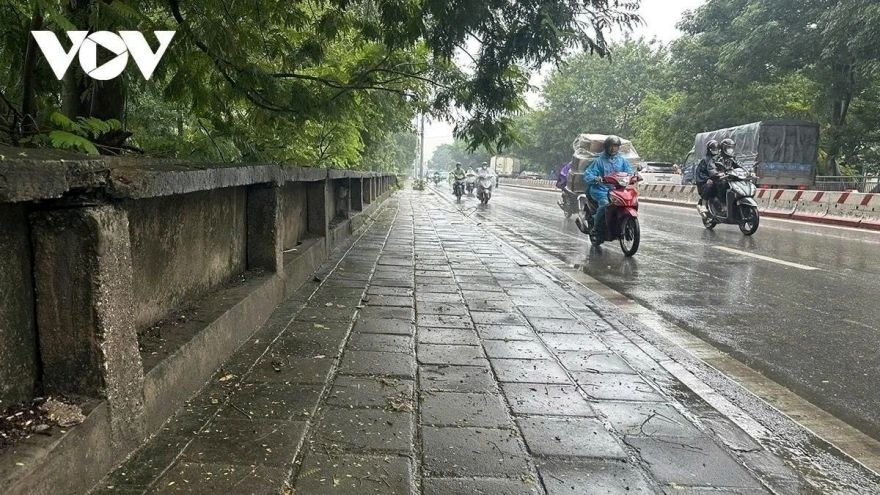
Weak cold spell cools north as heat builds in central, southern regions
VOV.VN - Weather conditions across Vietnam showed a clear contrast on April 4, as a weak cold spell brought cooler temperatures to the north while heat persisted in central and southern regions.
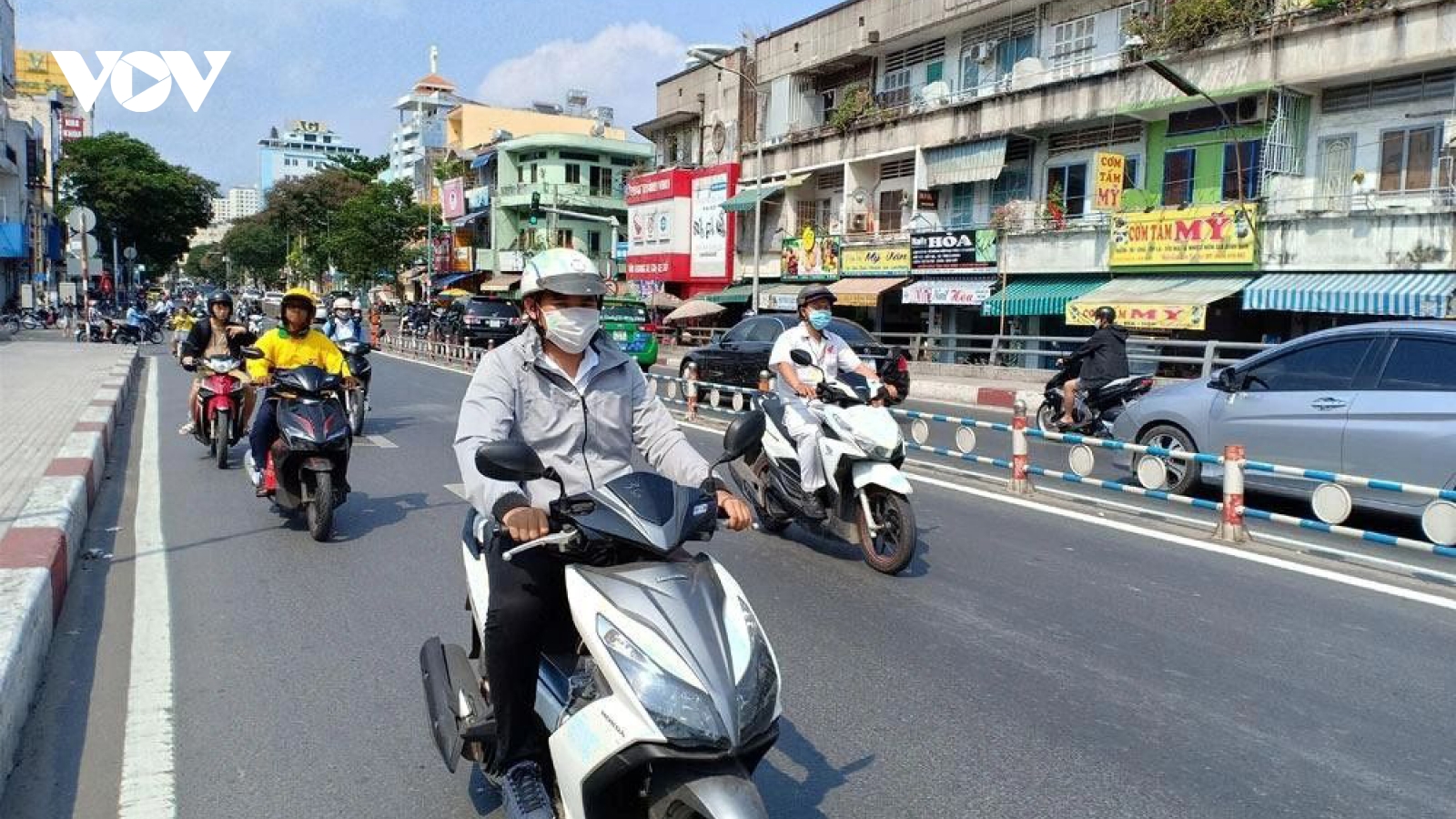
Northern Vietnam clears up while southern region faces heatwaves
VOV.VN - Northern Vietnam on March 19 sees reduced rainfall with sunshine and temperatures of 25–28°C, while the southern region continues to experience local heatwaves, reaching above 35°C, according to the National Centre for Hydro-Meteorological Forecasting.
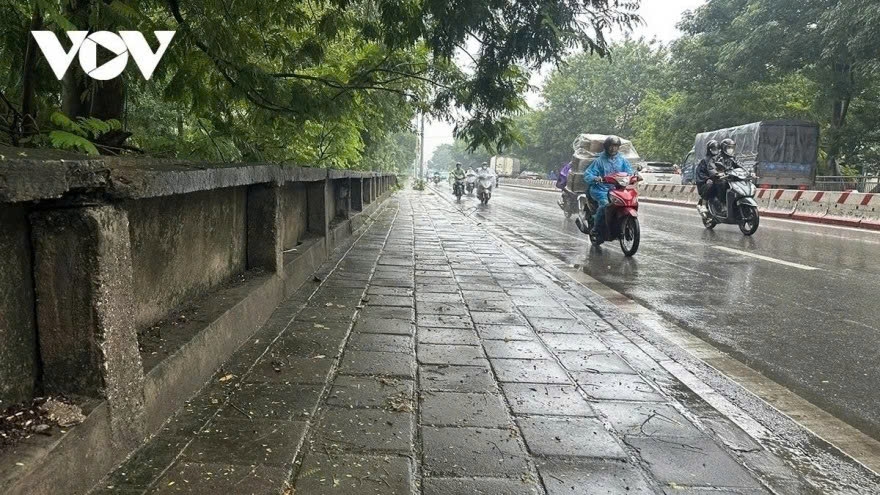
Cold air mass brings showers and cooler nights to Northern Vietnam
VOV.VN - A weak cold air mass began affecting Northeastern Vietnam on March 3, bringing showers, thunderstorms and a noticeable drop in nighttime temperatures across the region, according to the National Centre for Hydro-Meteorological Forecasting.
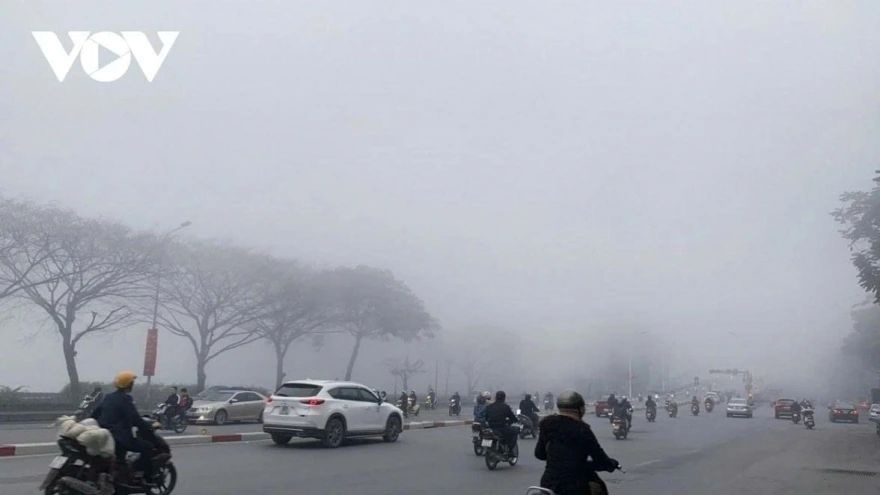
Cold front brings chilly weather to Vietnam during Lunar New Year
VOV.VN - A cold front is expected to affect northern Vietnam from February 17, bringing rain and lower temperatures during the first days of the Lunar New Year 2026, according to the National Centre for Hydro-Meteorological Forecasting.
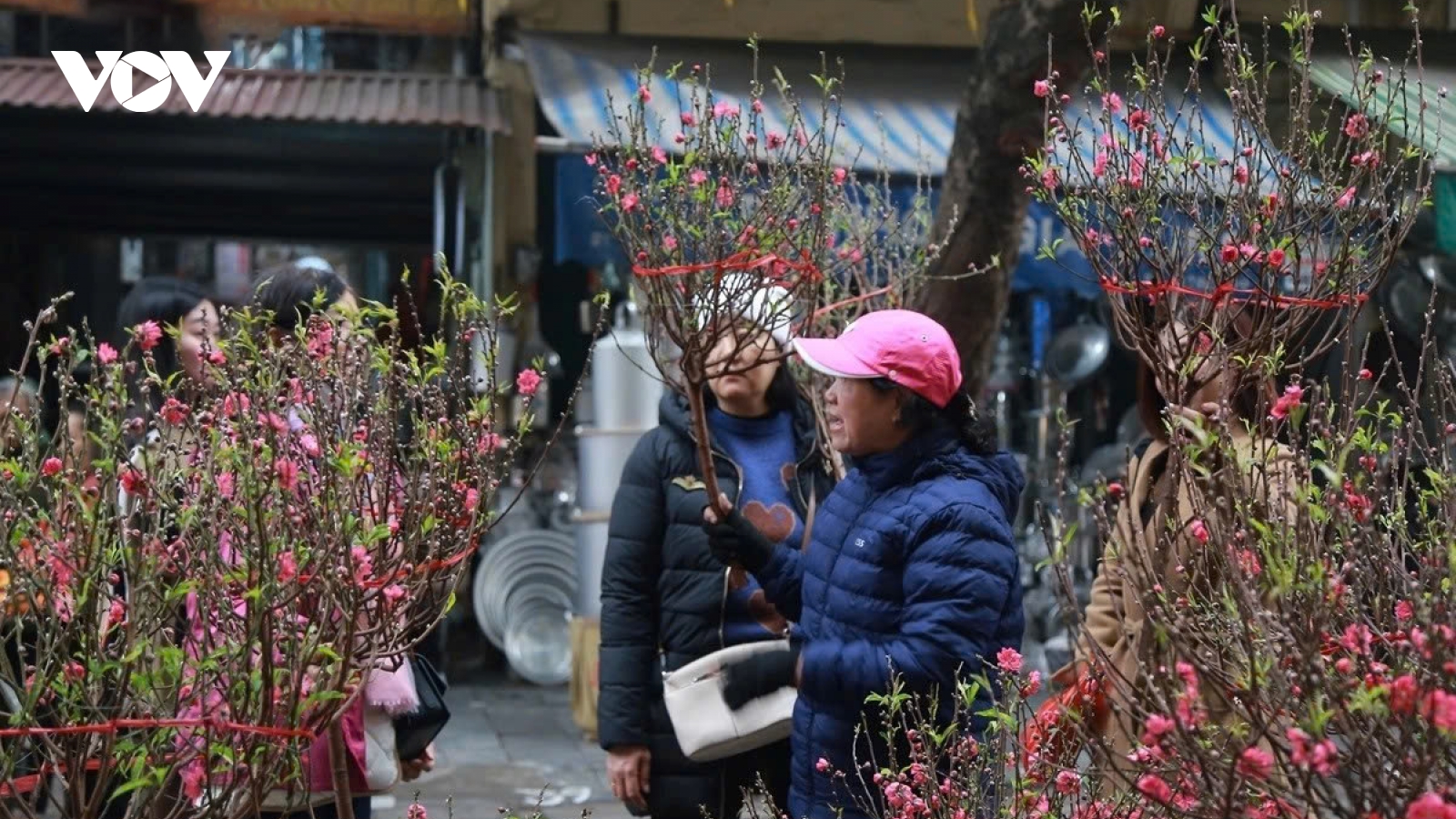
New cold spell to hit Vietnam on Jan. 30. chilly conditions expected
VOV.VN - Northern Vietnam is expected to be affected by a new cold spell from around January 30, causing temperatures to drop by several degrees compared with previous days, according to the National Centre for Hydro-Meteorological Forecasting.
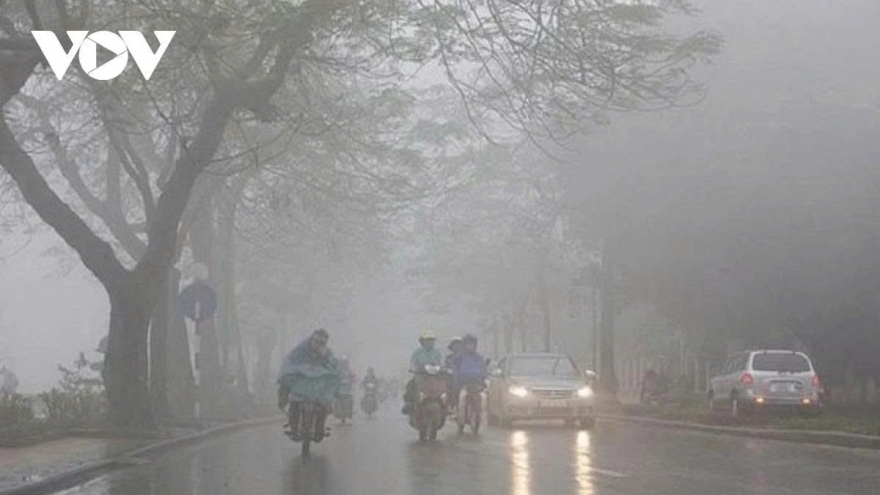
Cold air to hit Northern Vietnam repeatedly ahead of Lunar New Year
VOV.VN - Vietnam’s northern and north-central regions are likely to face a series of cold-air surges from now until the Lunar New Year that falls in mid-February, according to the National Centre for Hydro-Meteorological Forecasting.
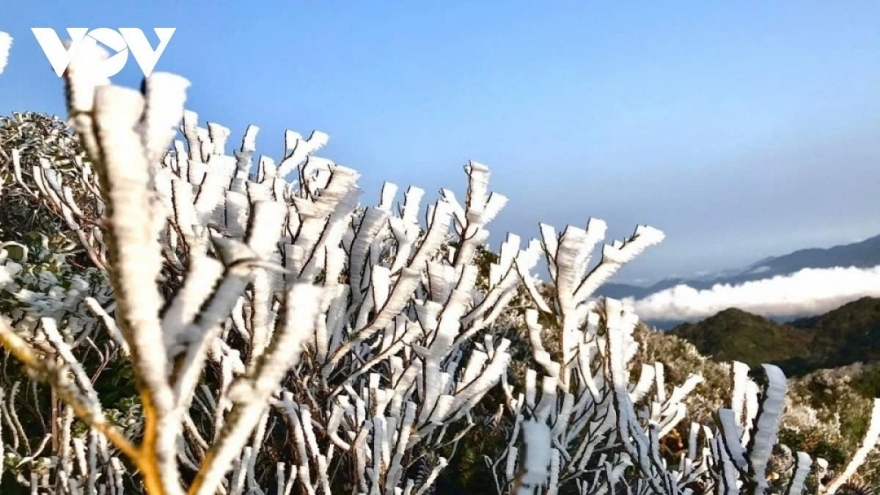
Northern Vietnam may see frost as strong cold air intensifies
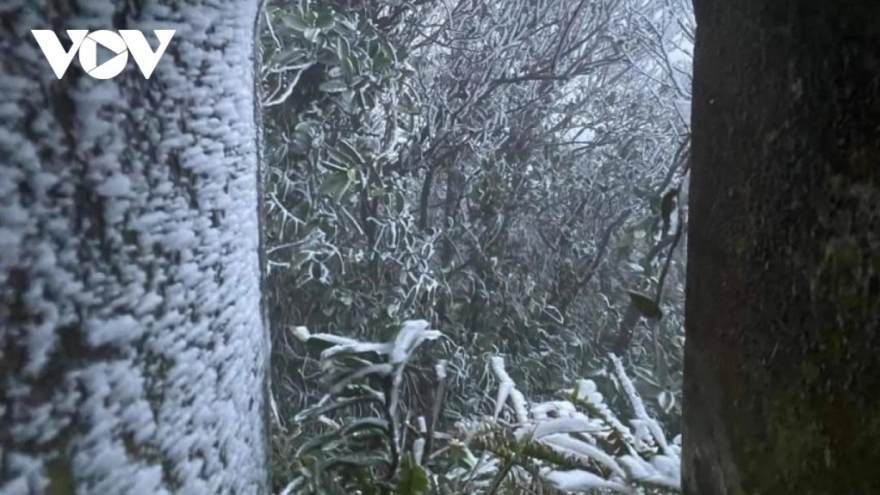
VOV.VN - Northern Vietnam may experience frost and ice in mountainous areas as a strong cold air mass moves south and intensifies over the coming days, according to the National Centre for Hydro-Meteorological Forecasting (NCHMF).
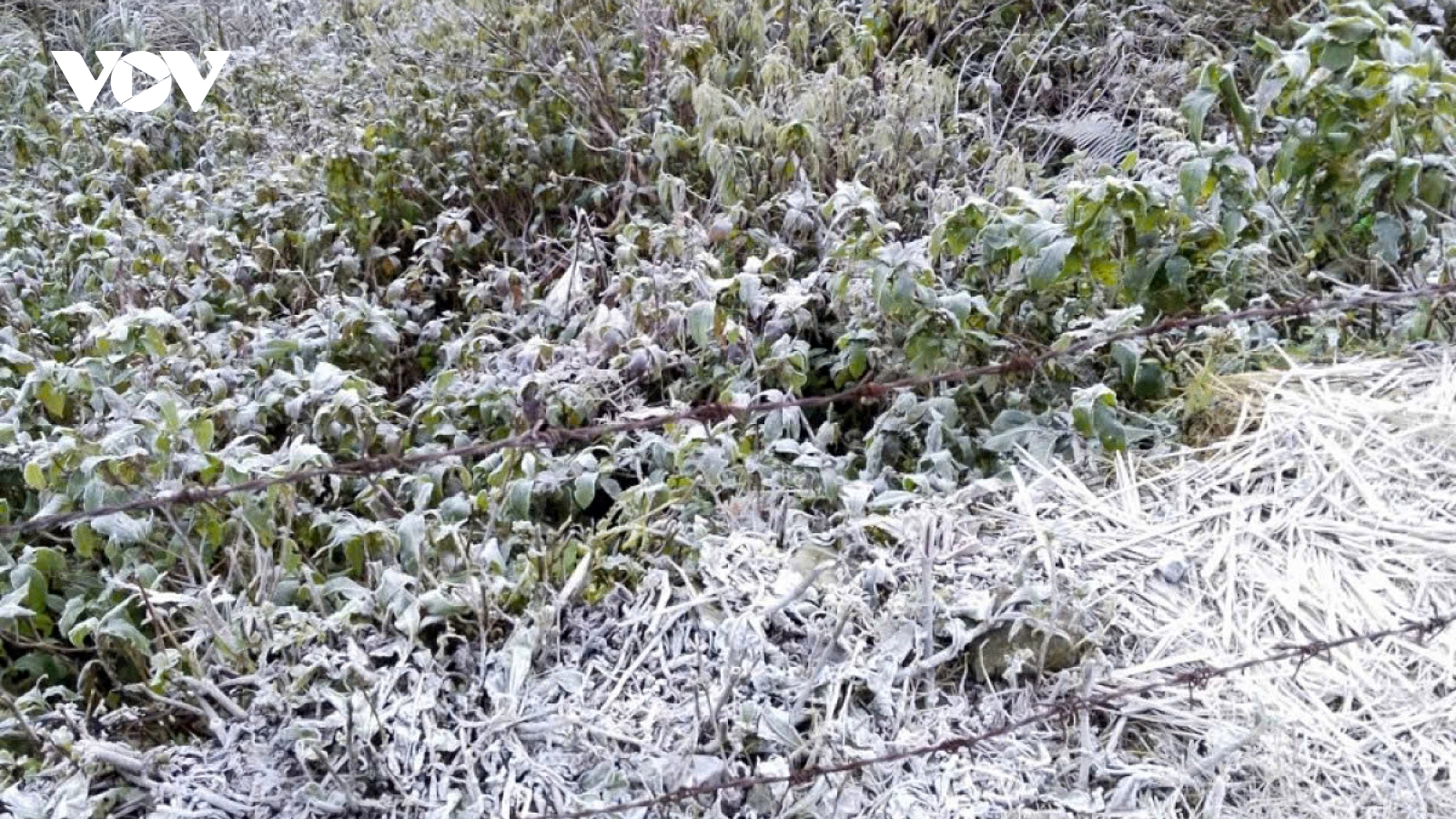
Frost sets in western Nghe An as temperatures drop below zero
VOV.VN - Sub-zero temperatures and frost were recorded in western Nghe An province early on January 9, extending severe cold conditions beyond northern Vietnam into parts of the central region, as a strong cold air mass continued to dominate much of the country.
Northern and Central Vietnam brace for another strong cold spell
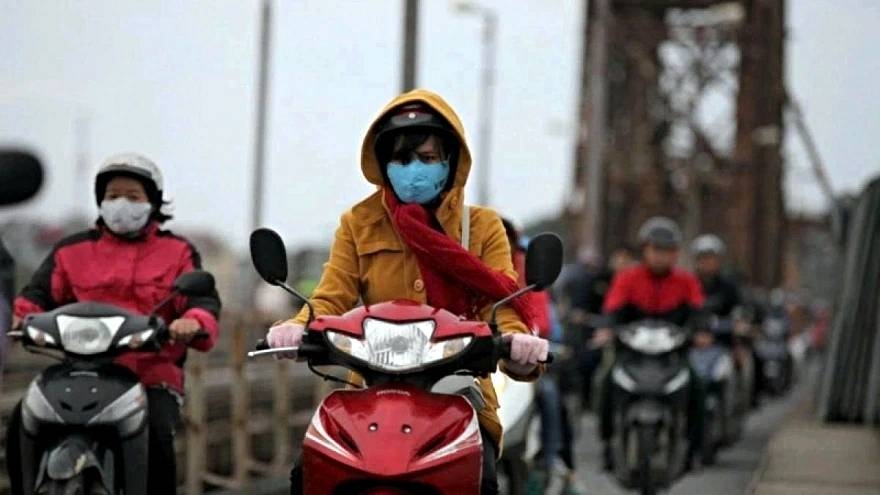
VOV.VN - Northern and Central Vietnam are preparing for another strong influx of cold air, reported the National Centre for Hydro-Meteorological Forecasting (NCHMF).
Cold air intensifies, mountain temperatures fall below 7°C
VOV.VN - A reinforced cold air mass has affected most of northern Vietnam as of January 2, bringing widespread rain and thunderstorms in parts of the Northeast and causing temperatures to drop by 3–5°C, according to the National Centre for Hydro-Meteorological Forecasting.