


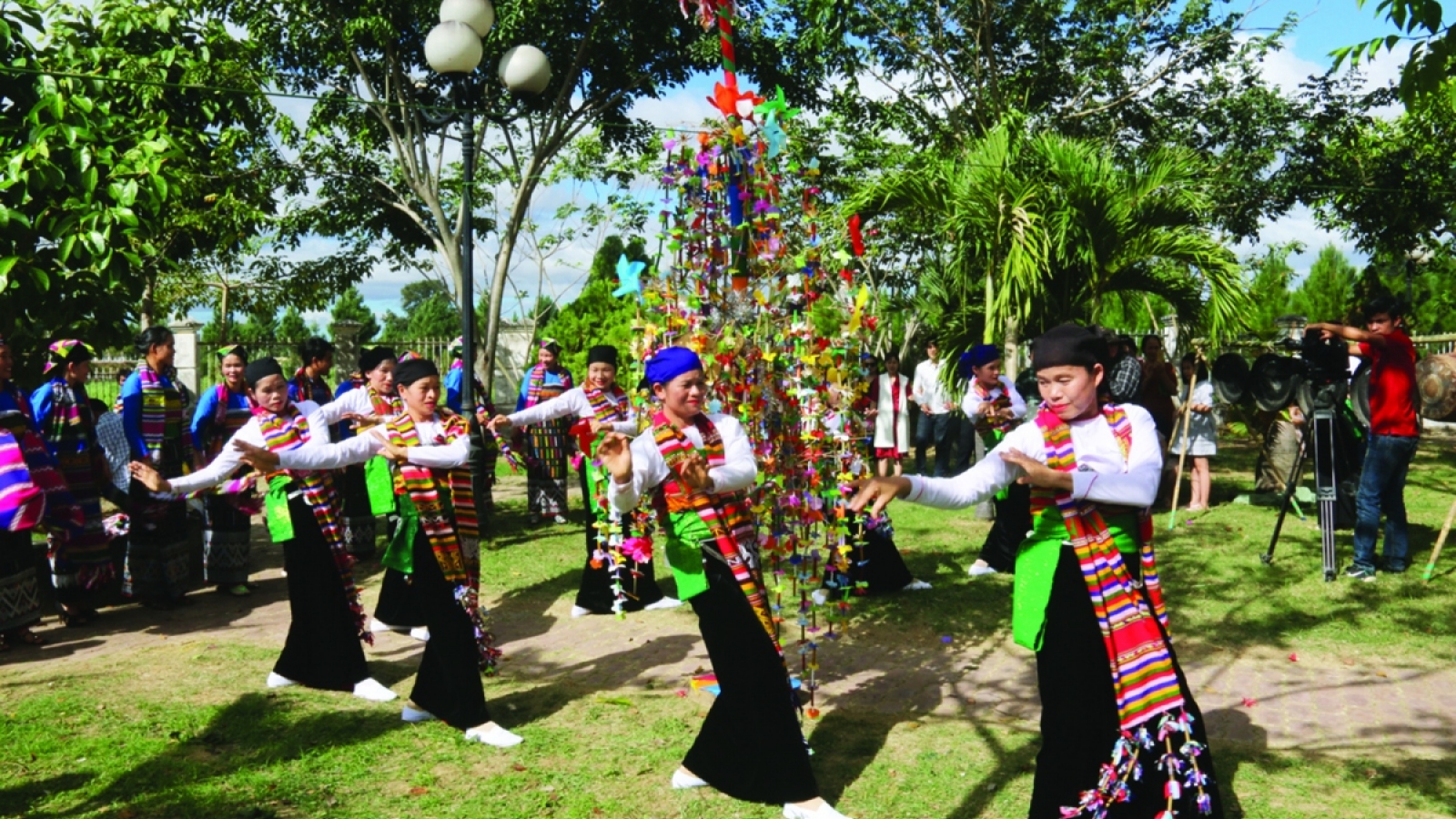
The unique Kin Chieng Booc May festival of the Thai ethnic group
VOV.VN - Thai ethnic people in Ruoc Ram village, Thanh Hoa province, hold Kin Chieng Booc May festival after a hard working year to give thanks to the gods, and pray for good health, wealth and a bumper harvest in the year ahead.
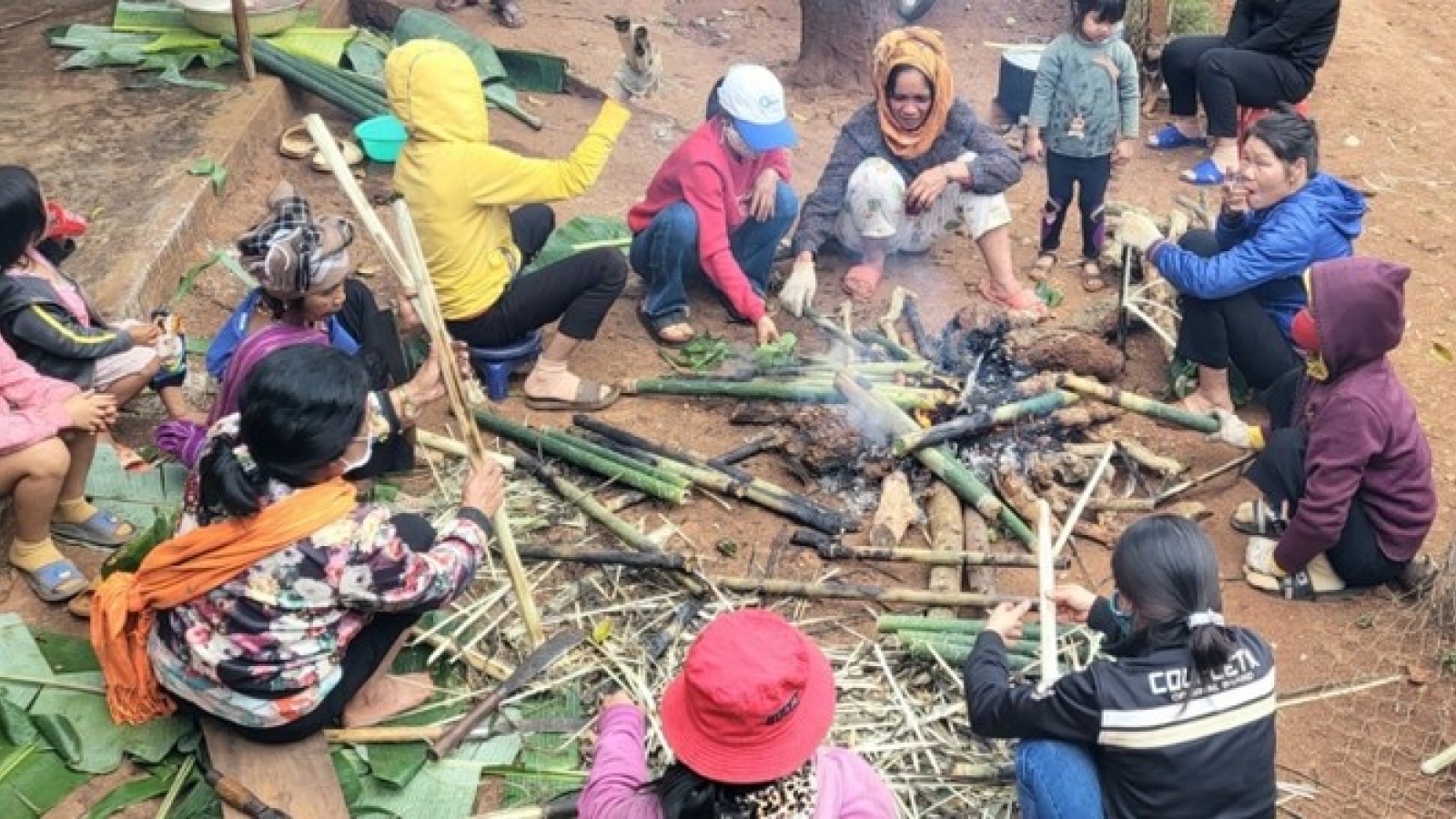
Xe Dang ethnic people celebrate New Rice Festival
VOV.VN - On Solar New Year’s Day, the Xe Dang people in Cu M’gar district, Dak Lak province, celebrate the New Rice Festival, the biggest annual worship ritual of the ethnic group in a year.
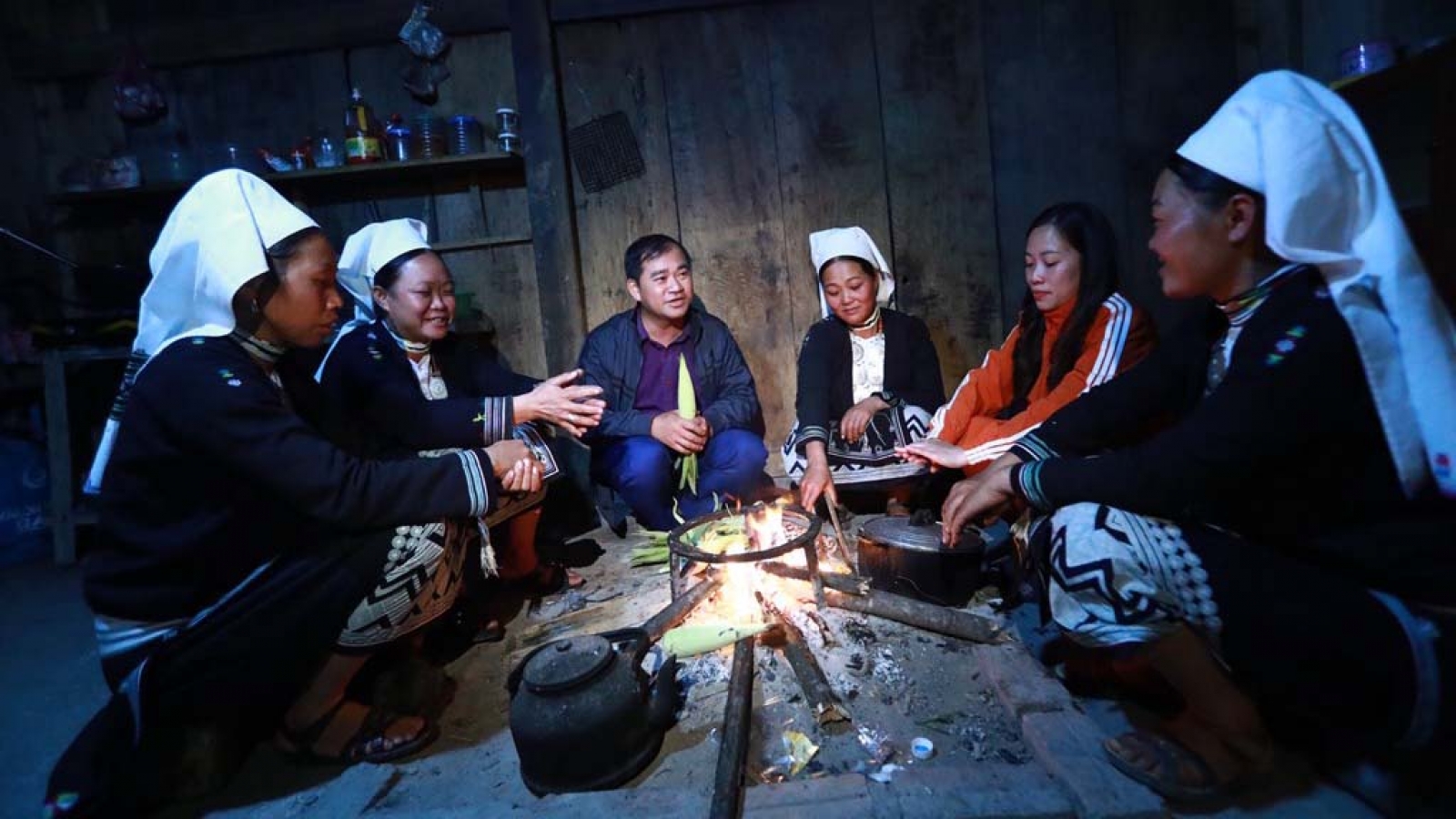
Lunar New Year celebrations with ethnic Dao Tien people of Hoai Khao village
VOV.VN - Tet celebrations have become a unique cultural activity and identity of the ethnic Dao Tien people of Hoai Khao village in the northern province of Cao Bang.
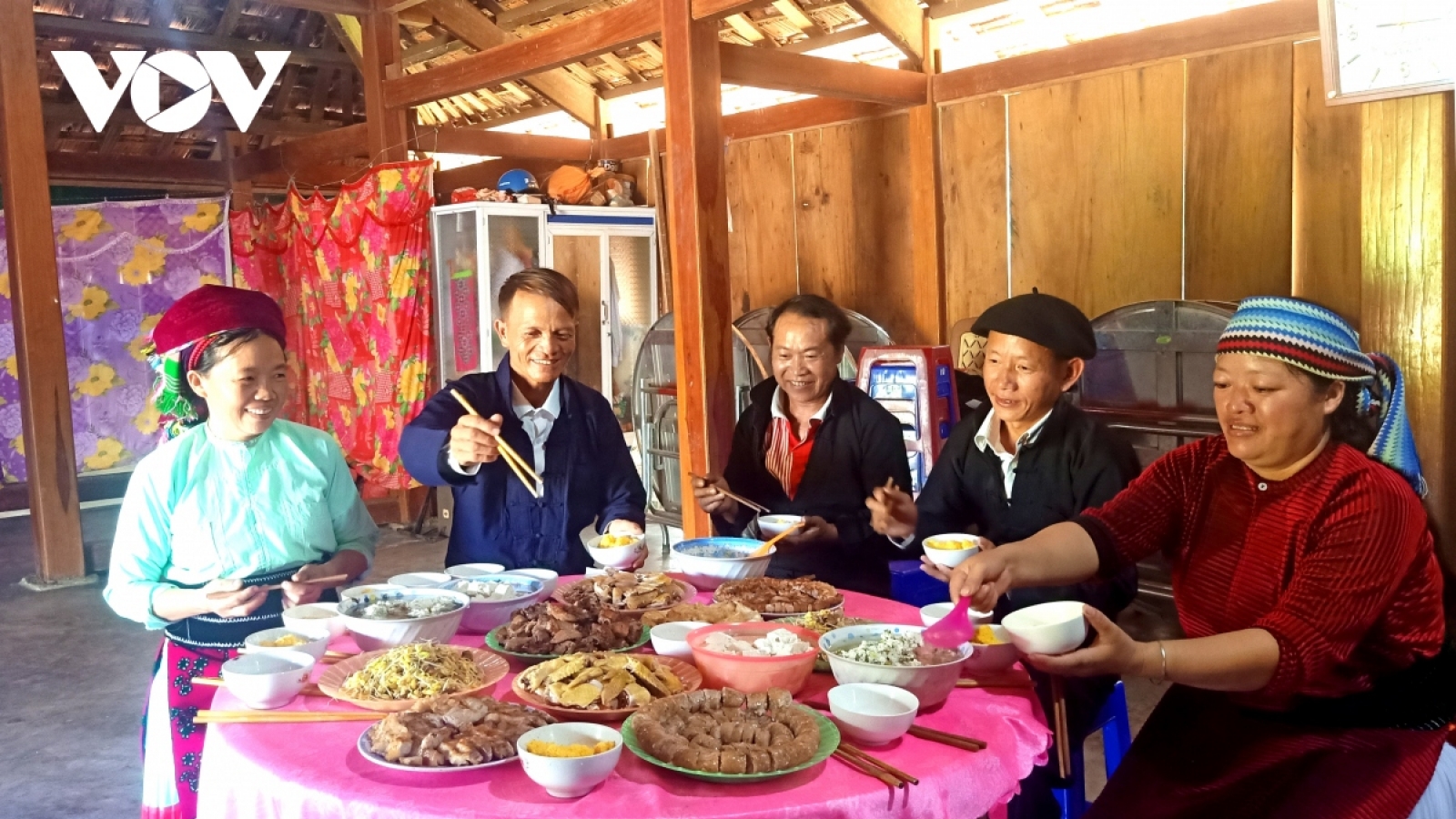
Tet celebrations of ethnic Mong people in Central Highlands
VOV.VN - The Mong ethnic group of Cu Pui commune in Krong Bong district in the Central Highlands province of Dak Lak typically celebrate the Lunar New Year, known locally as Tet, in a special way. Let’s take a closer look at their customs during the festive season.
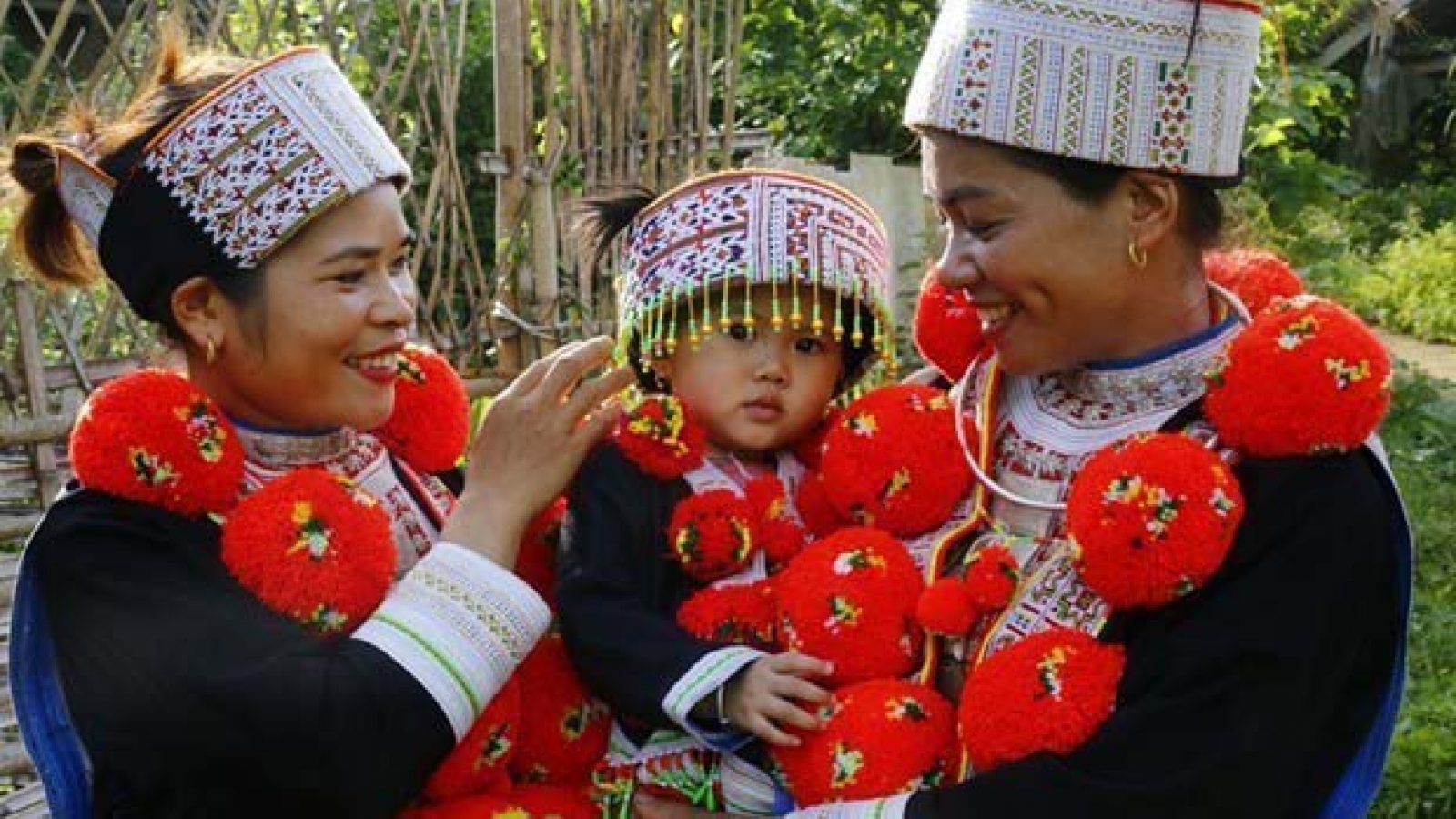
Unique style of Red Dao traditional outfits
Vietnam is home to 54 ethnic groups, each of which has its own identity and unique values in terms of customs and traditions, contributing to the cultural diversity in the country.
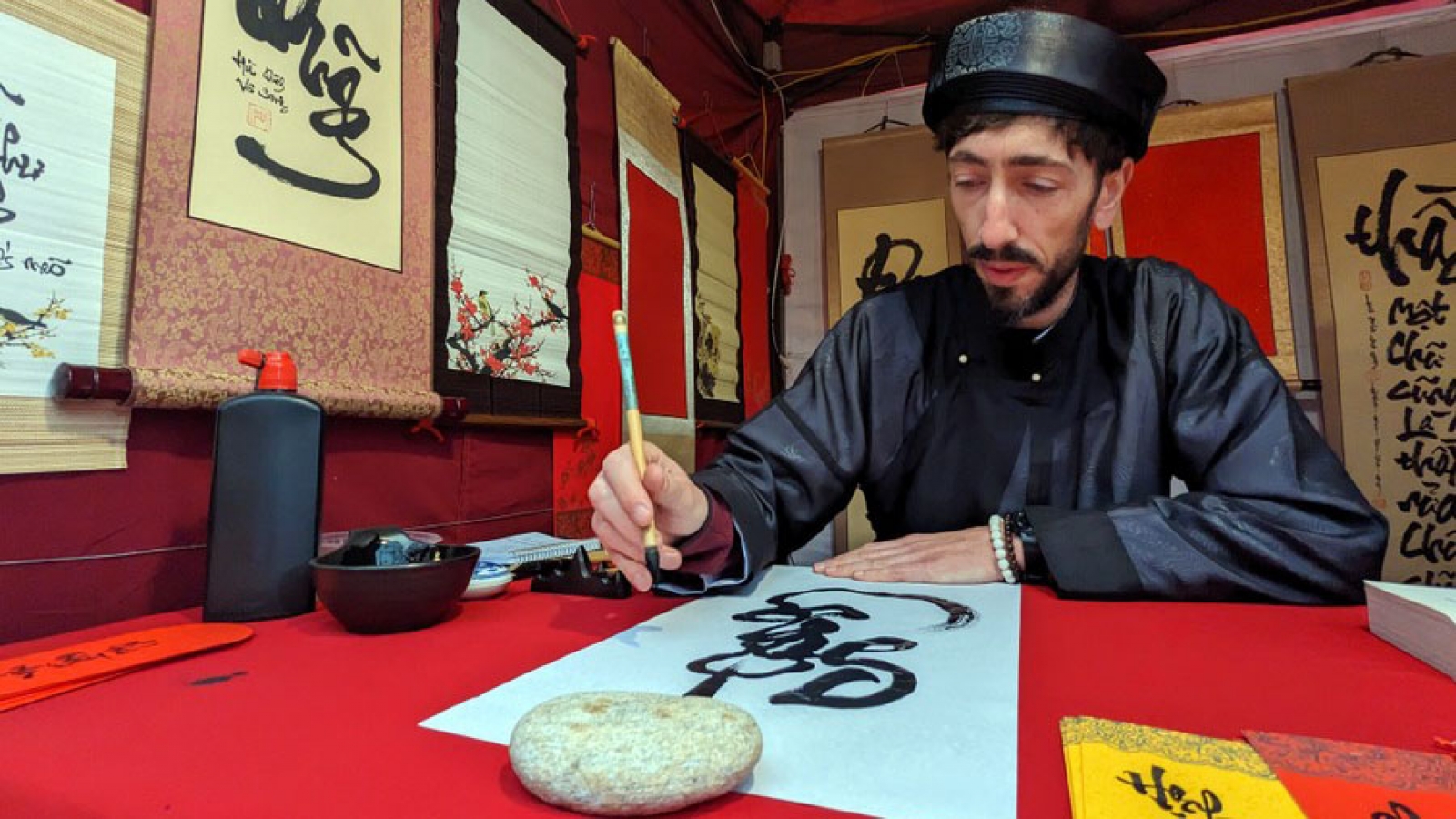
First foreign calligrapher joins Vietnamese Spring Calligraphy Festival
VOV.VN - Jean Sébastien Grill of France has become the first foreign national to take part in the Spring Calligraphy Festival as a calligrapher, with the event getting underway at the Van Mieu-Quoc Tu Giam (Temple of Literature) in Hanoi.
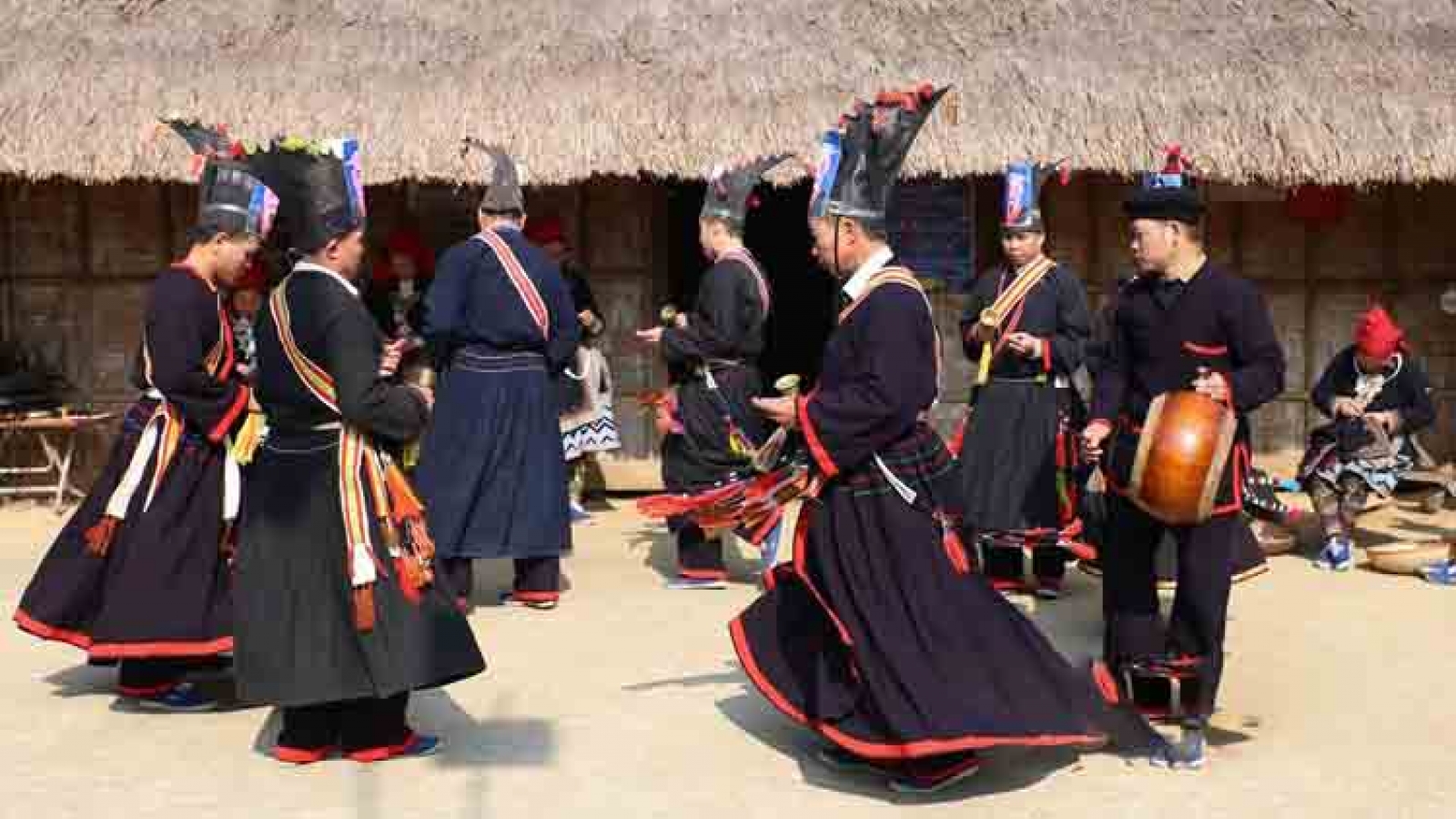
Crop praying ritual in New Year of Dao Tien ethnic people
VOV.VN - The New Year period represents the biggest festival of the Dao Tien ethnic minority in the northern mountainous province of Bac Kan, when they pray for a good harvest and the best things for their family in the New Year.
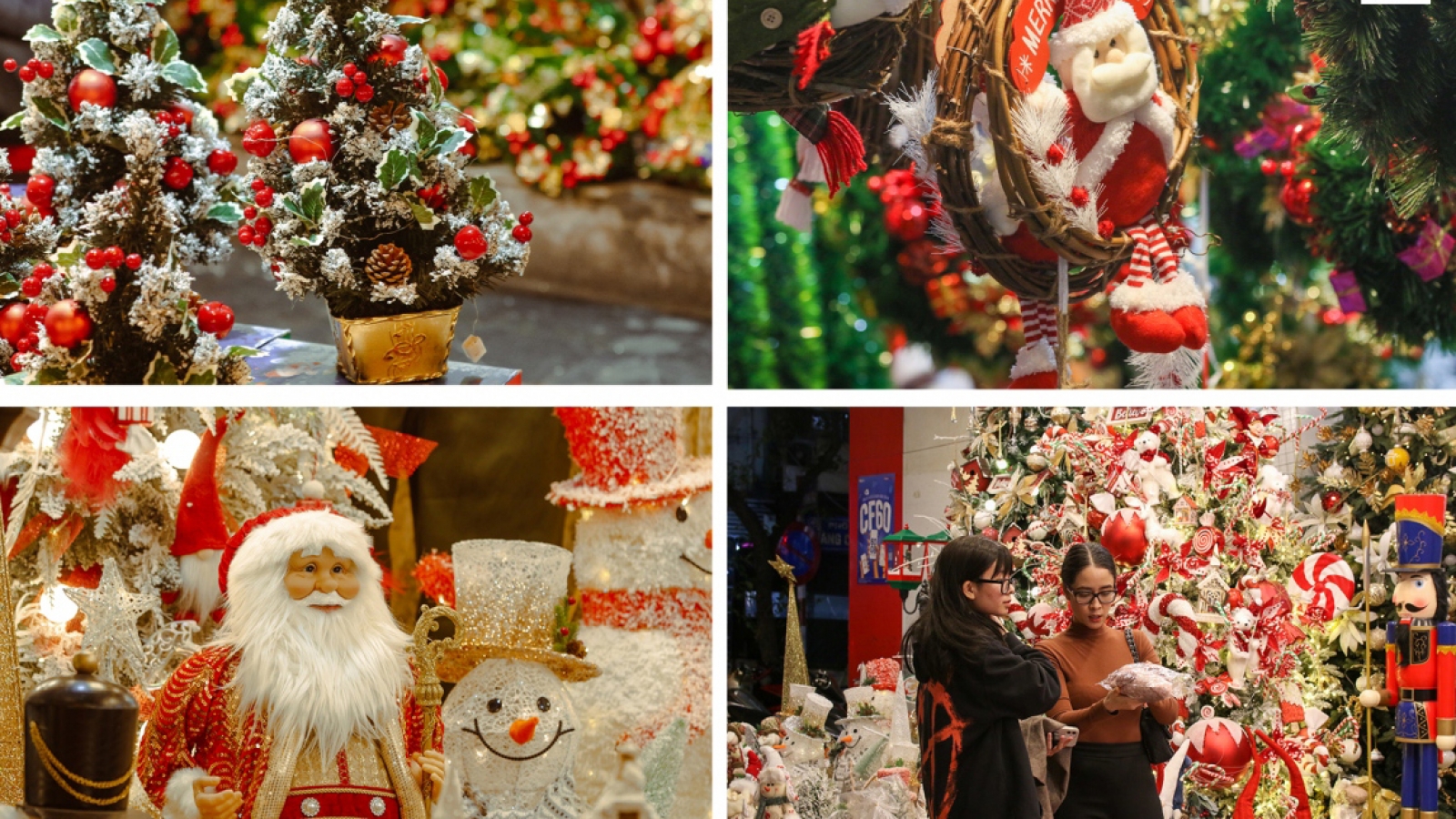
Vietnam enjoys post-pandemic period with festive Christmas celebrations
VOV.VN - With the last two Christmas celebrations in Vietnam being disrupted due to some level of restrictions being imposed due to the spread of the COVID-19 pandemic, 2022 marks a belated return to normality with booming commerce mixed with a festive atmosphere for local people to enjoy.
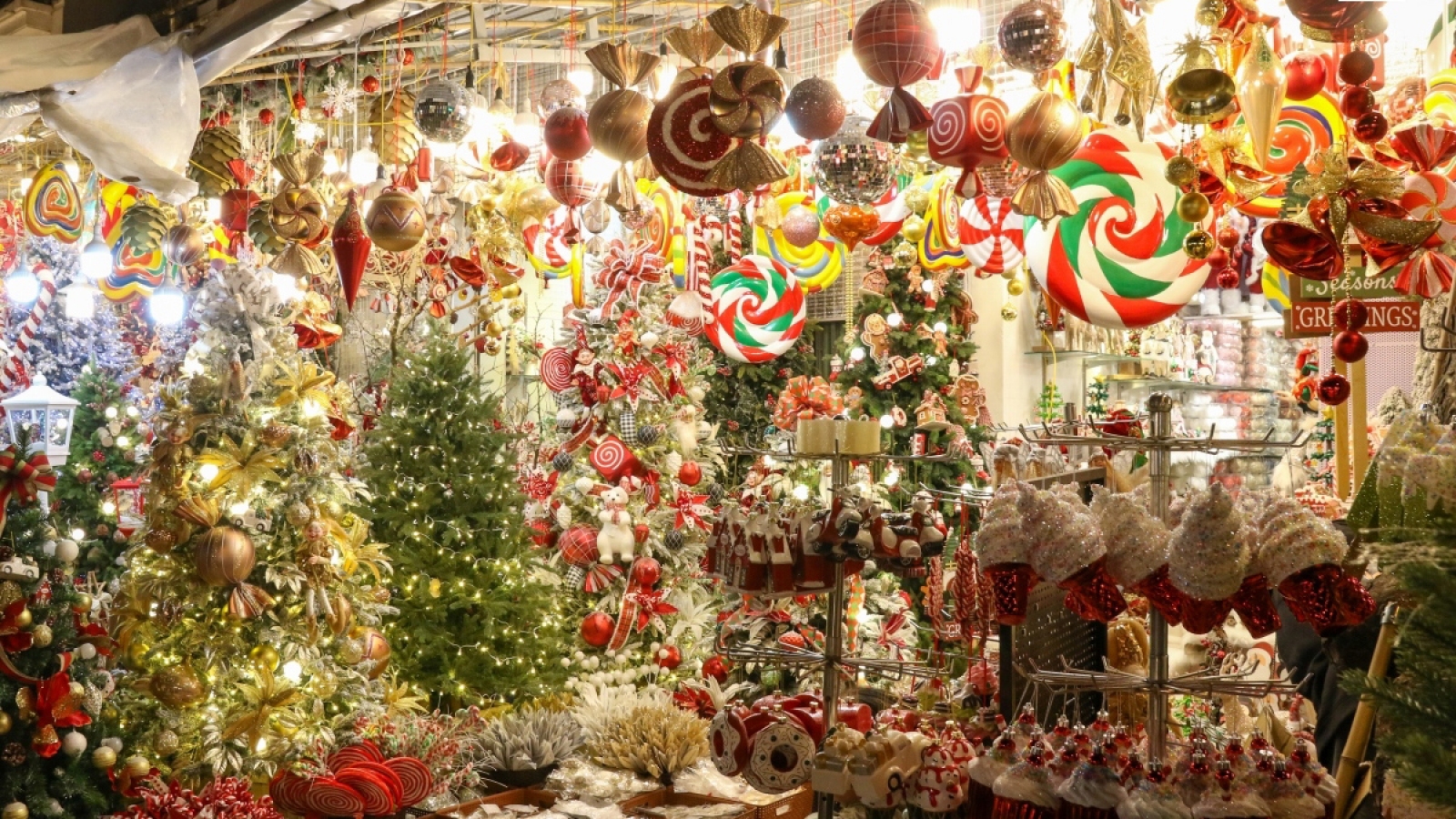
The most wonderful time of the year approaches
One of the most important worldwide holidays, Christmas, has never failed to attract people with various ways to celebrate in many countries all over the world, including Vietnam.
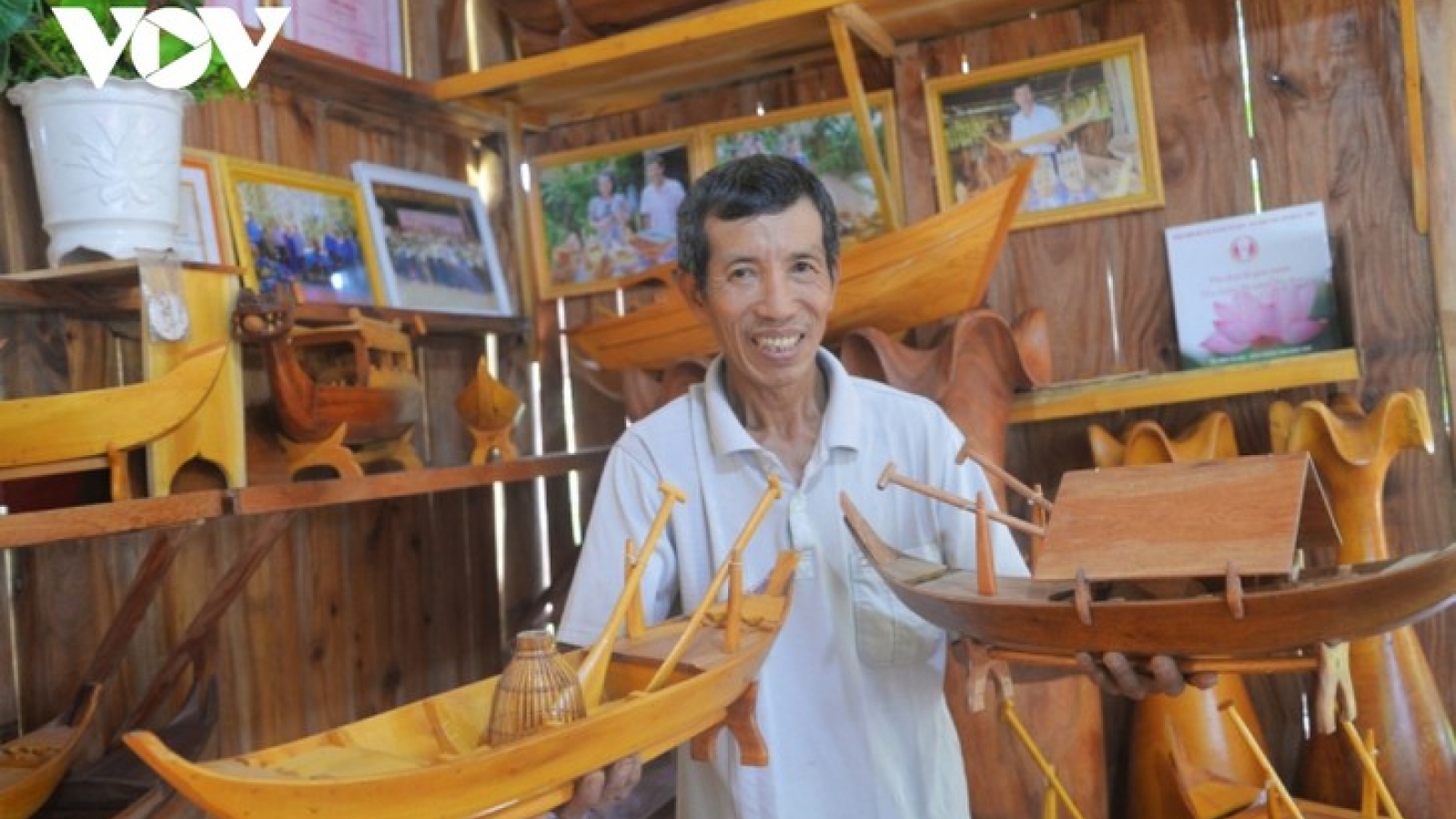
Making handicraft boats, new direction for boat building village in Dong Thap
VOV.VN - The 100-year-old Ba Dai boat building village in Long Hau commune in Dong Thap province was recognized as a national intangible cultural heritage in 2015 with dozens of local households seeking ways to preserve their traditional craft.
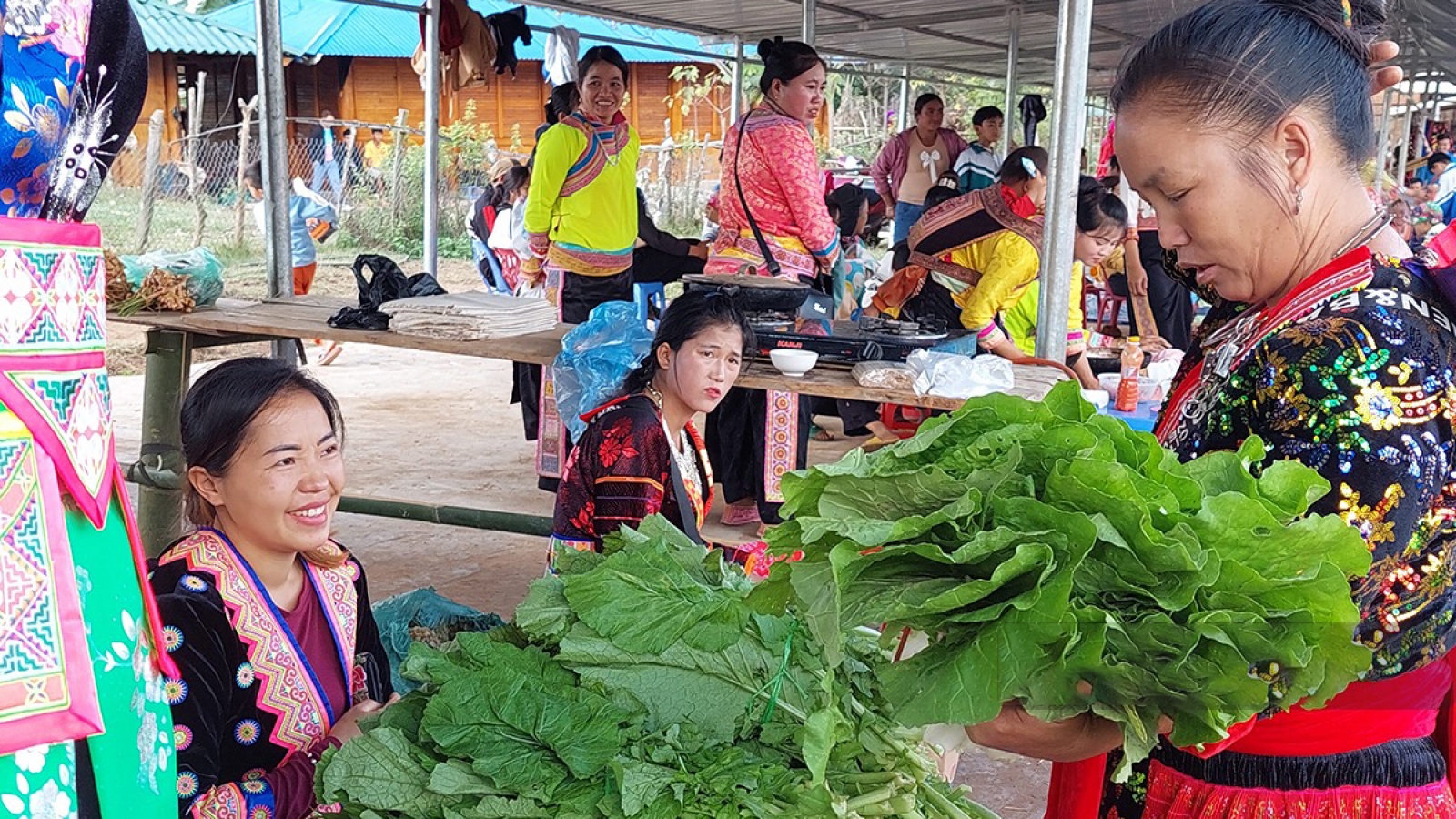
Discovering Phin Ho upland market in northern Vietnam
VOV.VN - Situated in Nam Po district in the northern mountainous province of Dien Bien, Phin Ho market has opened following a two-year hiatus caused by the COVID-19 pandemic, attracting many local residents and tourists visiting the site.
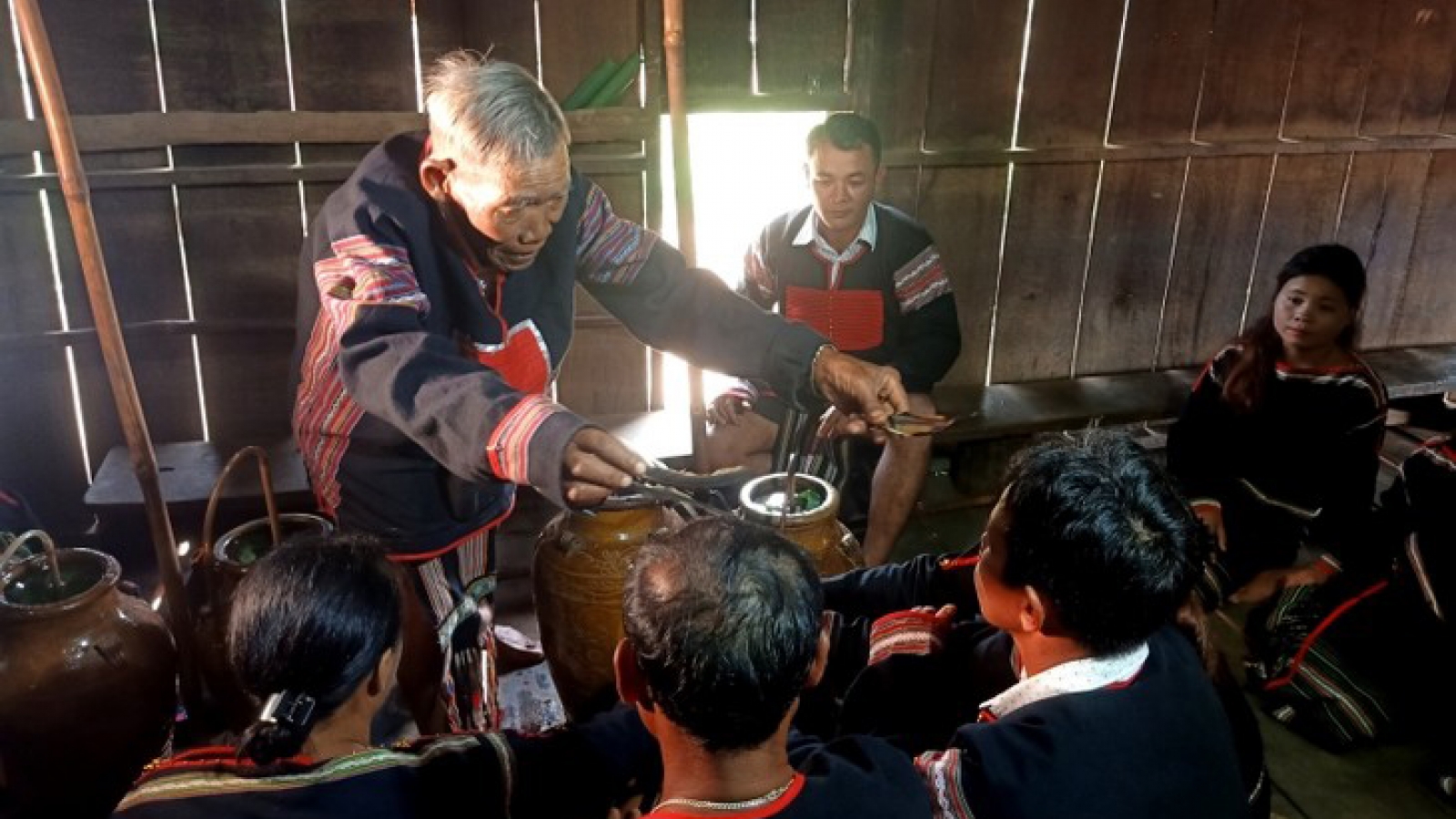
Blood oath ceremony of the Mnong in Dak Lak
VOV.VN - The custom of twinning two persons of different blood lines as brothers is popular in Vietnam, for the Mnong in the central province of Dak Lak, the twinning ceremony ties the two persons and their families.
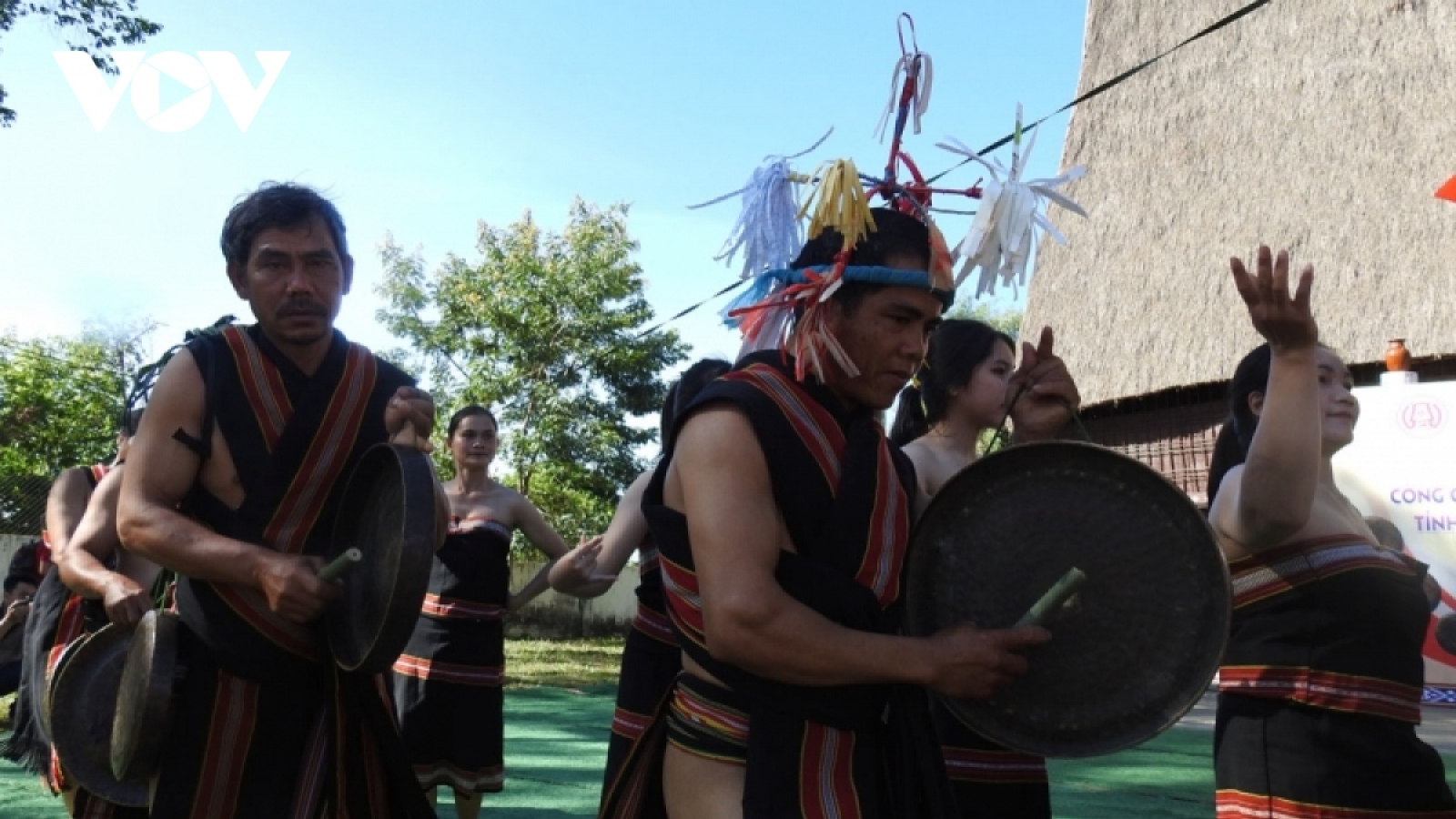
Preserving UNESCO-recognised Gong culture in Central Highlands
VOV.VN - The 2022 Gong Culture Festival was held in Gia Lai, a province in the Central Highlands, from November 18-20 to popularize and preserve the Gong cultural space.
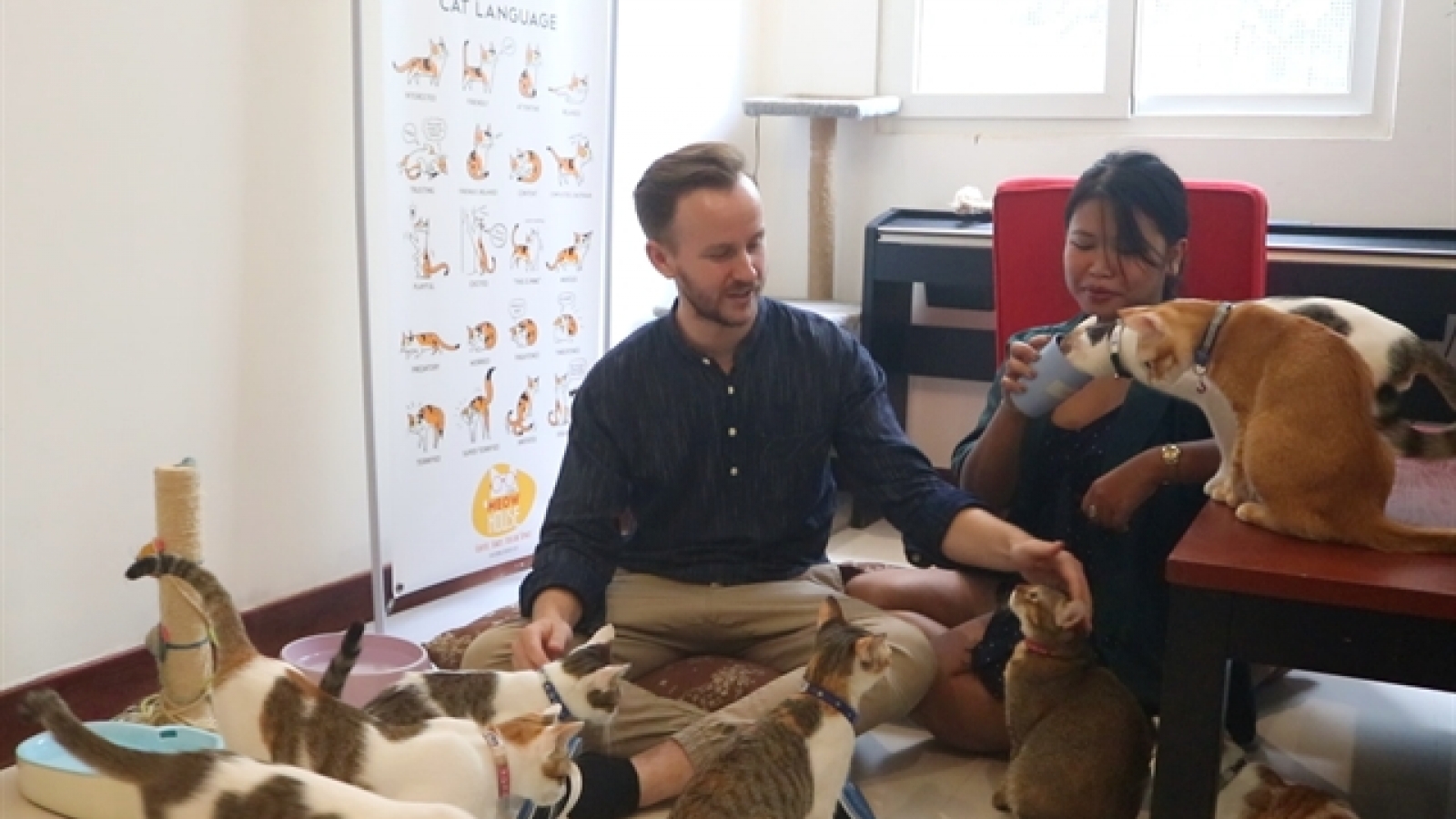
Cafe helps with stray cat adoption in HCM City
Alex Ward and Geneva Marcelino are running cafes that work with local animal rescue shelters to help stray dogs and cats find their new homes.
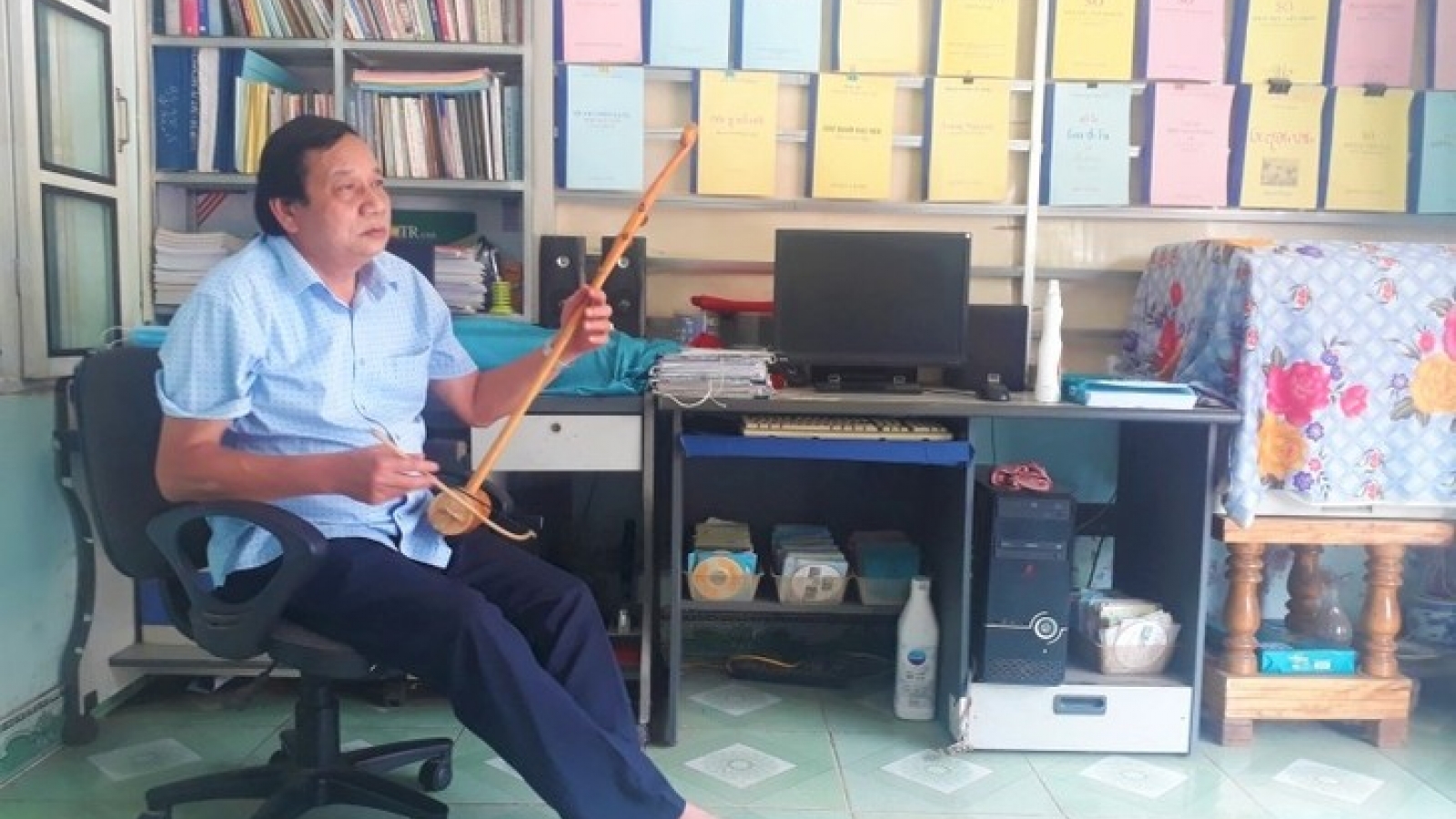
Meritorious artist Cam Vui – guardian of Thai culture
Meritorious artist Cam Vui of the Thai ethnic group in Muong La district, Son La province, is well known for his dedication to Thai ethnic culture. Over the years, he has made tireless efforts to preserve local folk tunes.
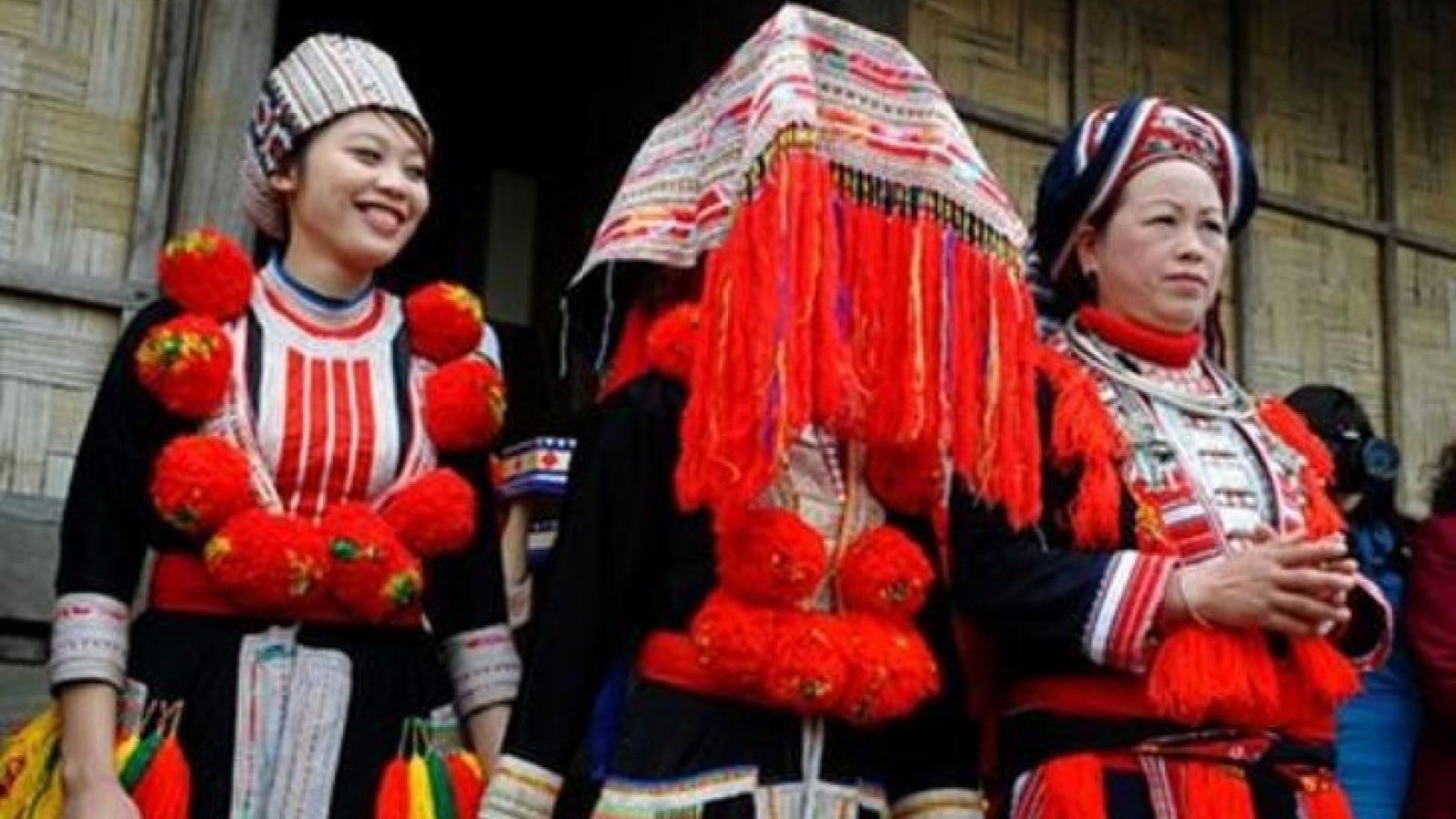
Wedding of the Red Dao
VOV.VN - The northern province of Tuyen Quang is the only locality in Vietnam that gathers all Dao branches, including Dao Do, Dao Tien, and Dao Quan Chet, they have a rich cultural life with a number of age-old festivals and customs.
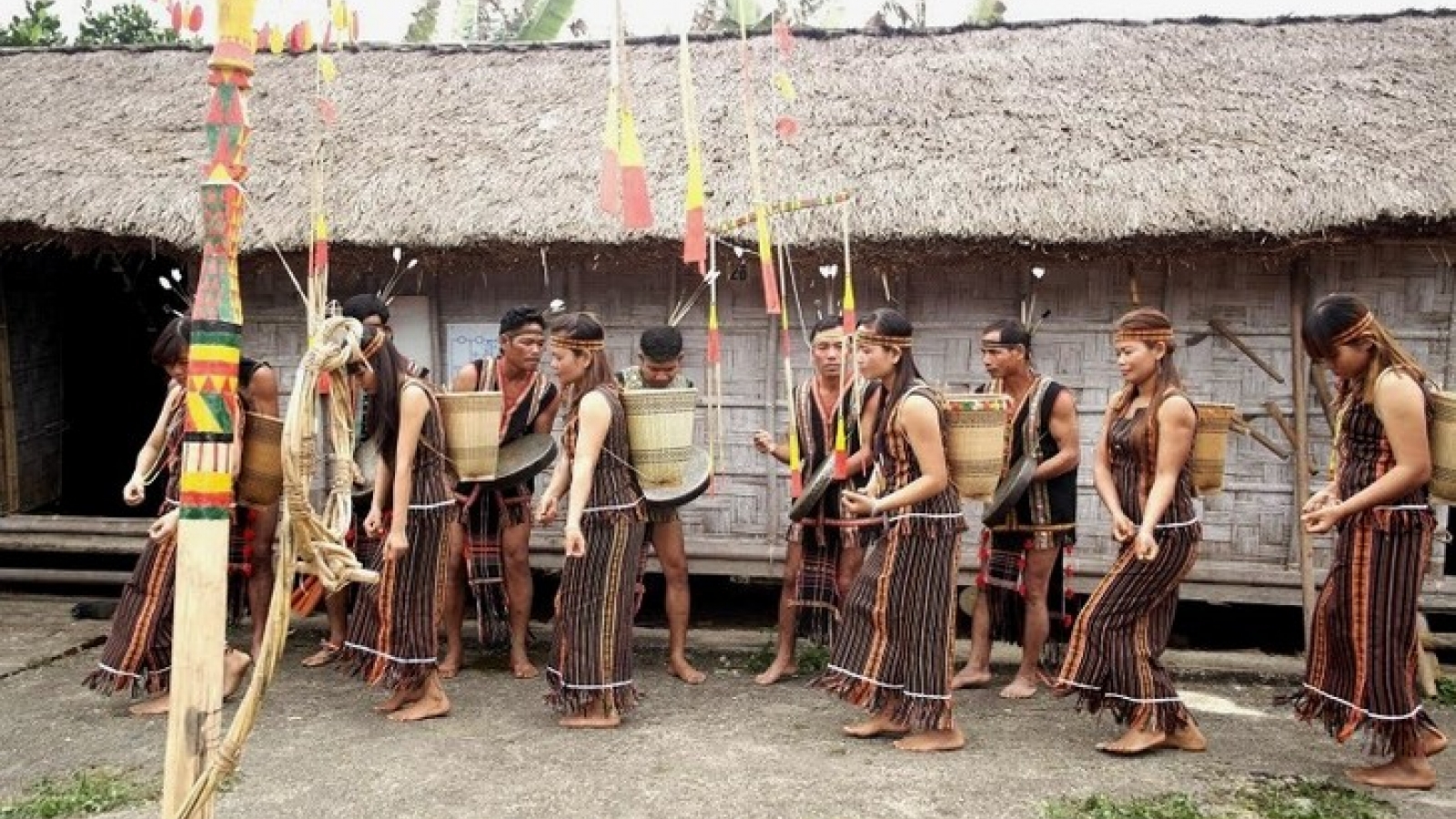
The Ma’s ritual to pay gratitude to the Forest Genie
VOV.VN - The Forest Genie ritual is observed by the Ma ethnic people in Cat Tien district of the Central Highland province of Lam Dong to show their gratitude and respect for what nature gives them in a spirit of receiving and conserving.
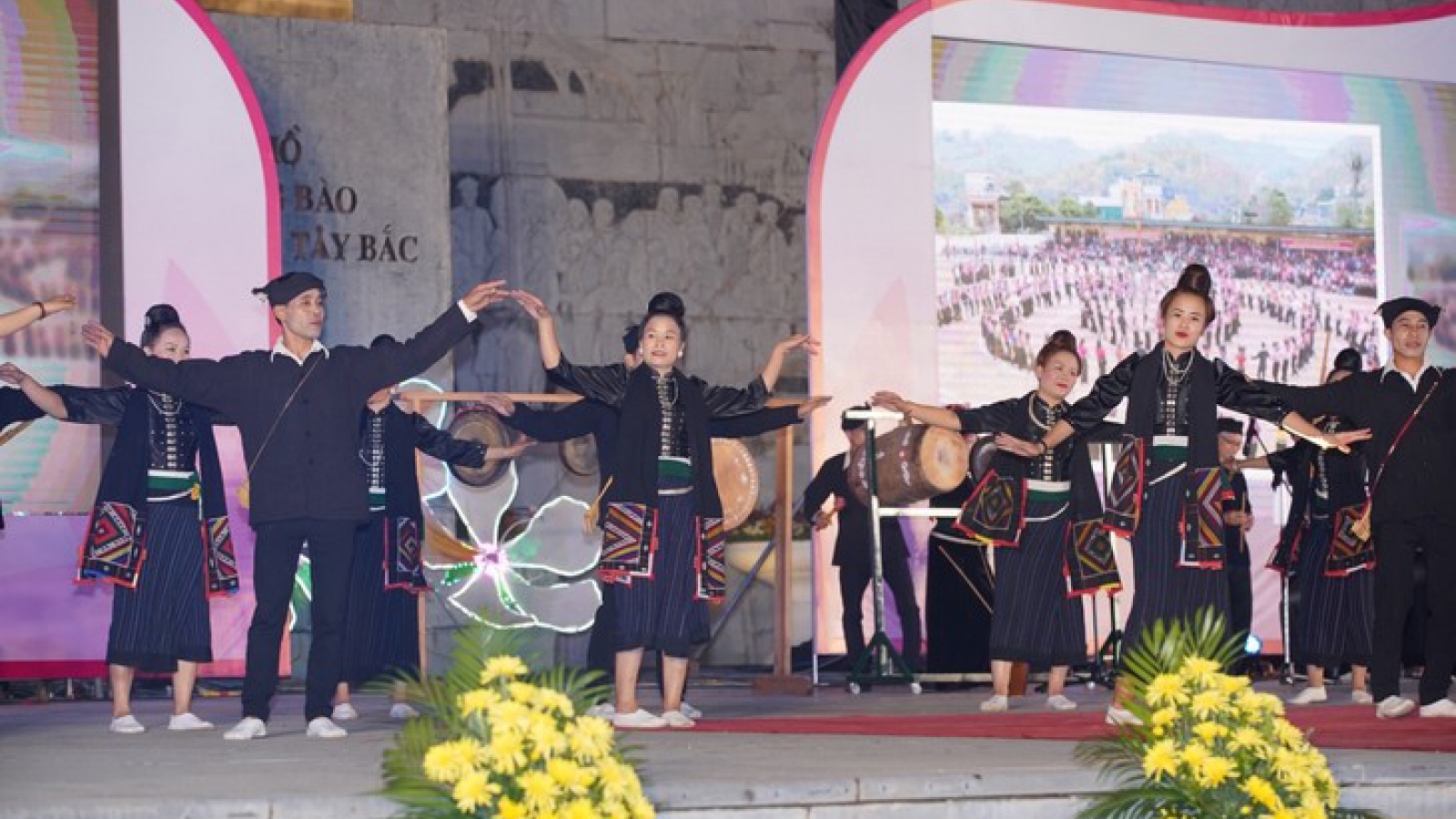
Xoe Thai folk art honored by UNESCO
VOV.VN - Xoe Thai is a unique art form in the cultural and religious life of the Thai ethnic minority in the northwestern province of Son La.
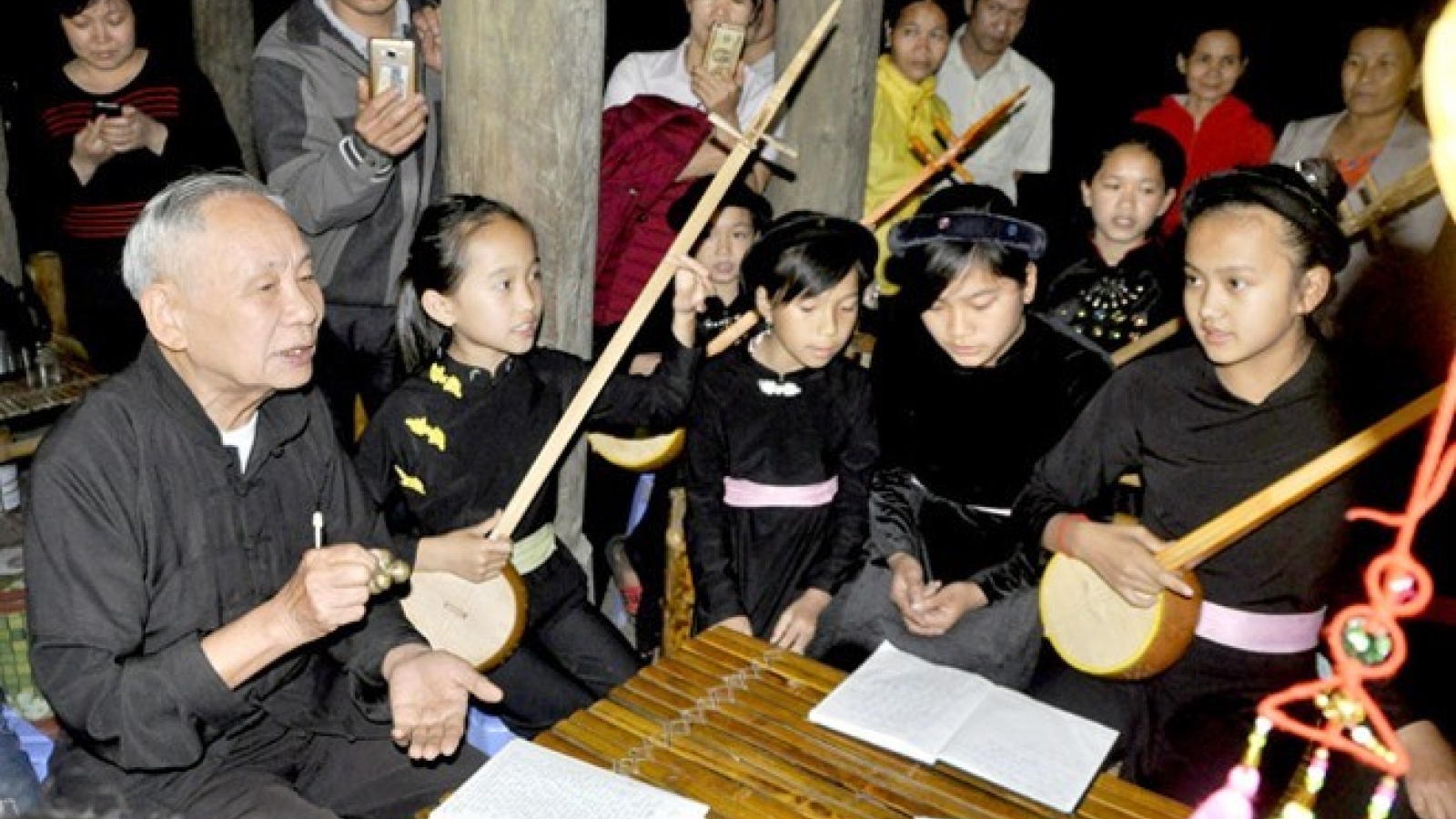
Preserving UNESCO-recognised Then singing in Vietnam
VOV.VN - People living in the northern mountainous localities are preserving and promoting Then singing, an important aspect of the Tay, Nung, and Thai culture, which has been recognized by UNESCO as the Intangible Cultural Heritage of Humanity.
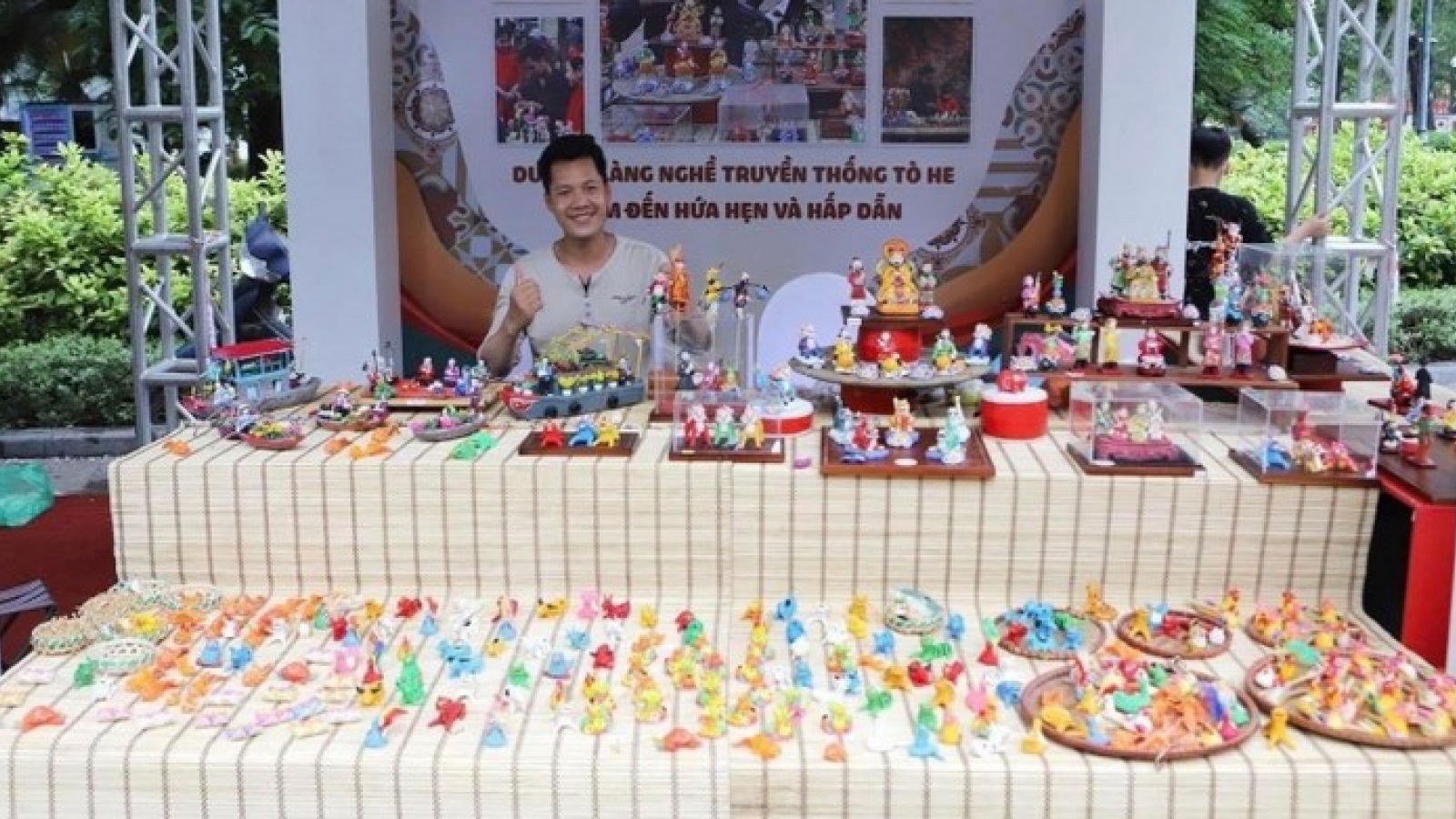
Hanoi artisan preserves the art of making toy figurines
VOV.VN - For more than 20 years artisan Dang Van Hau of Phu Xuyen district in Hanoi has been researching ways to improve the traditional craft of making To he, toy figurines made from rice dough.
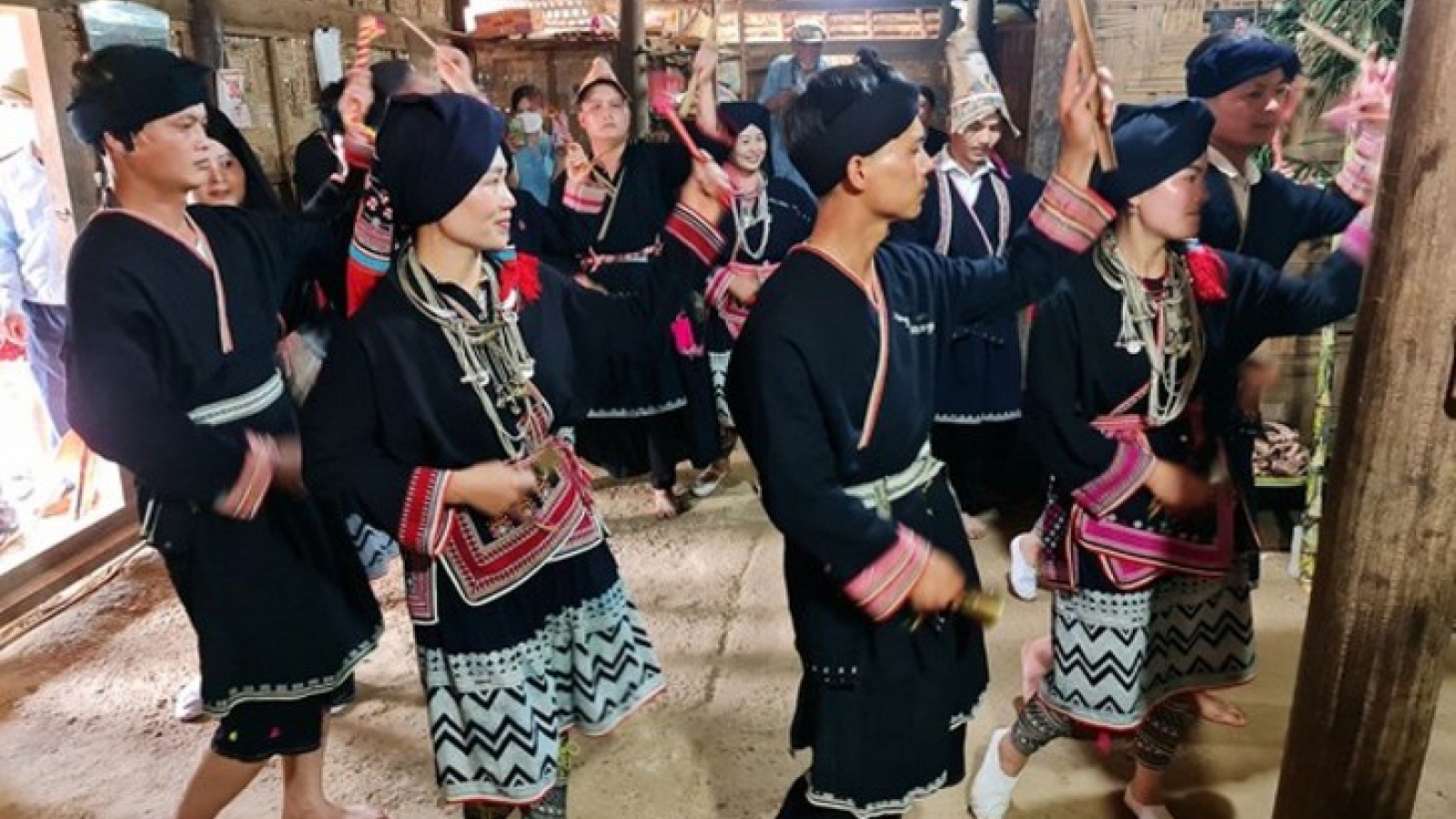
Dancing ceremony of the Red Dao
VOV.VN - The Dao ethnic minority people observe many ceremonies and festivals each year. Like other Dao branches living in Vietnam’s northern mountain provinces, the Dance Festival of the Dao Tien in Son La province is the biggest community event.
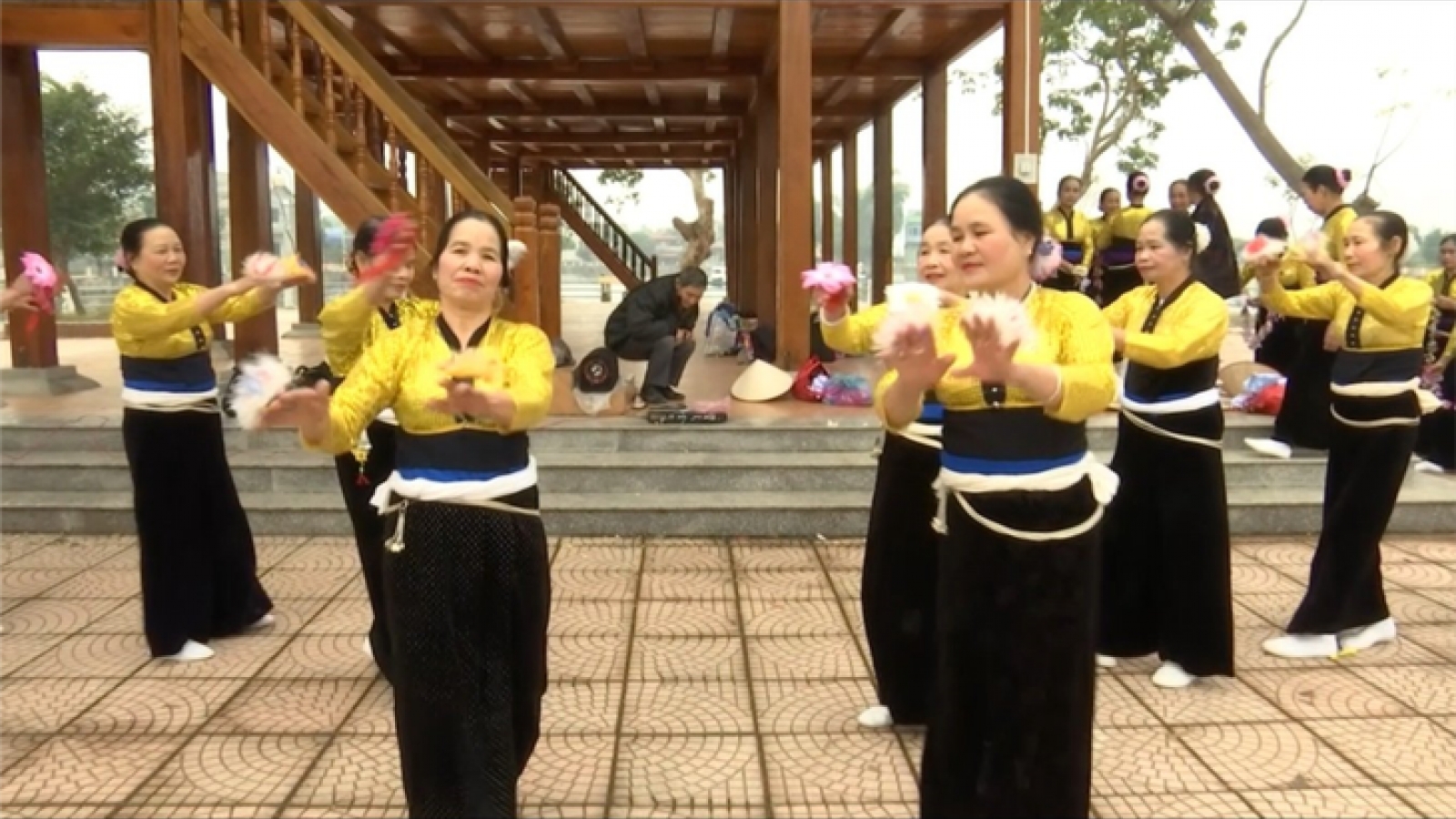
Thai culture preserved in Muong Tac
VOV.VN - Muong Tac and Phu Hoa are two names for the central valley in Phu Yen district, Son La province.
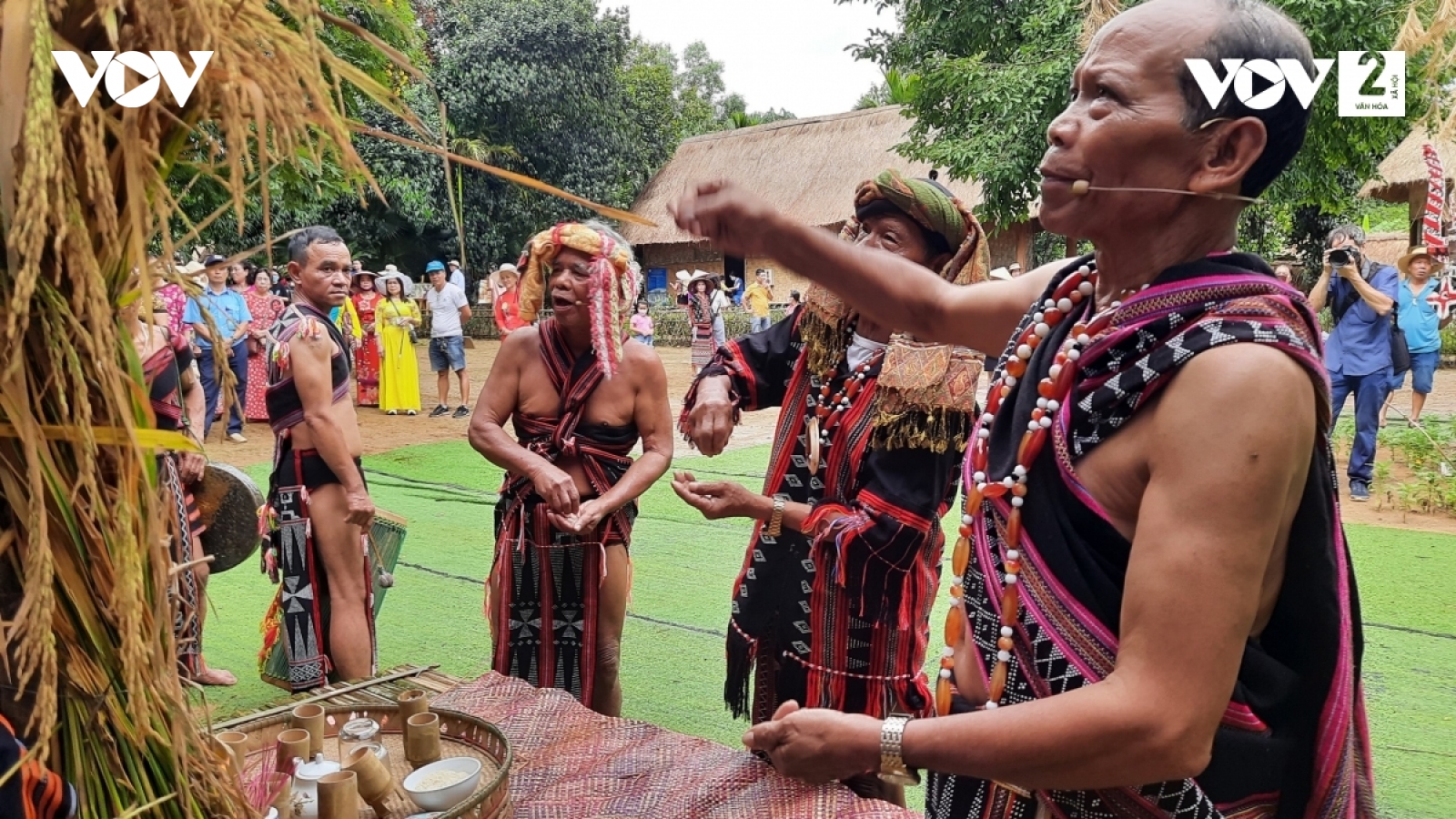
Co Tu ethnic people celebrate new rice festival
VOV.VN - The new rice festival of the Co Tu ethnic people in Nam Dong district of central Thua Thien-Hue province plays a very important role in local people's daily life as it shows their respect and gratitude to the genies believed to protect locals and bring a bumper harvest.
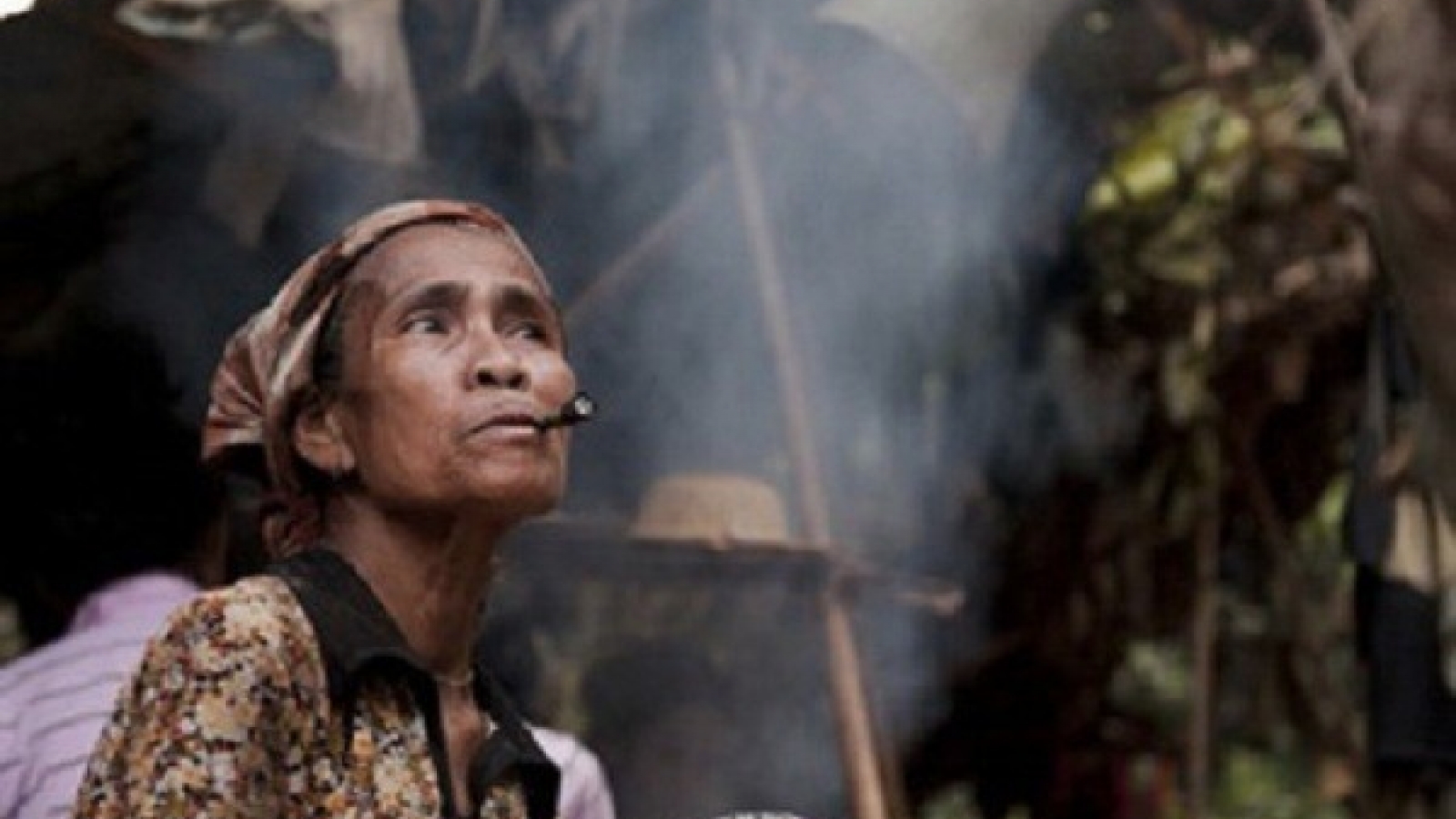
The nomadic life of the Chut in Vietnam
VOV.VN - Vietnam’s Chut ethnic group have a very small population, who live mainly in Bo Trach and Quang Trach districts in Quang Binh province, with some clans living there for more than 500 years.

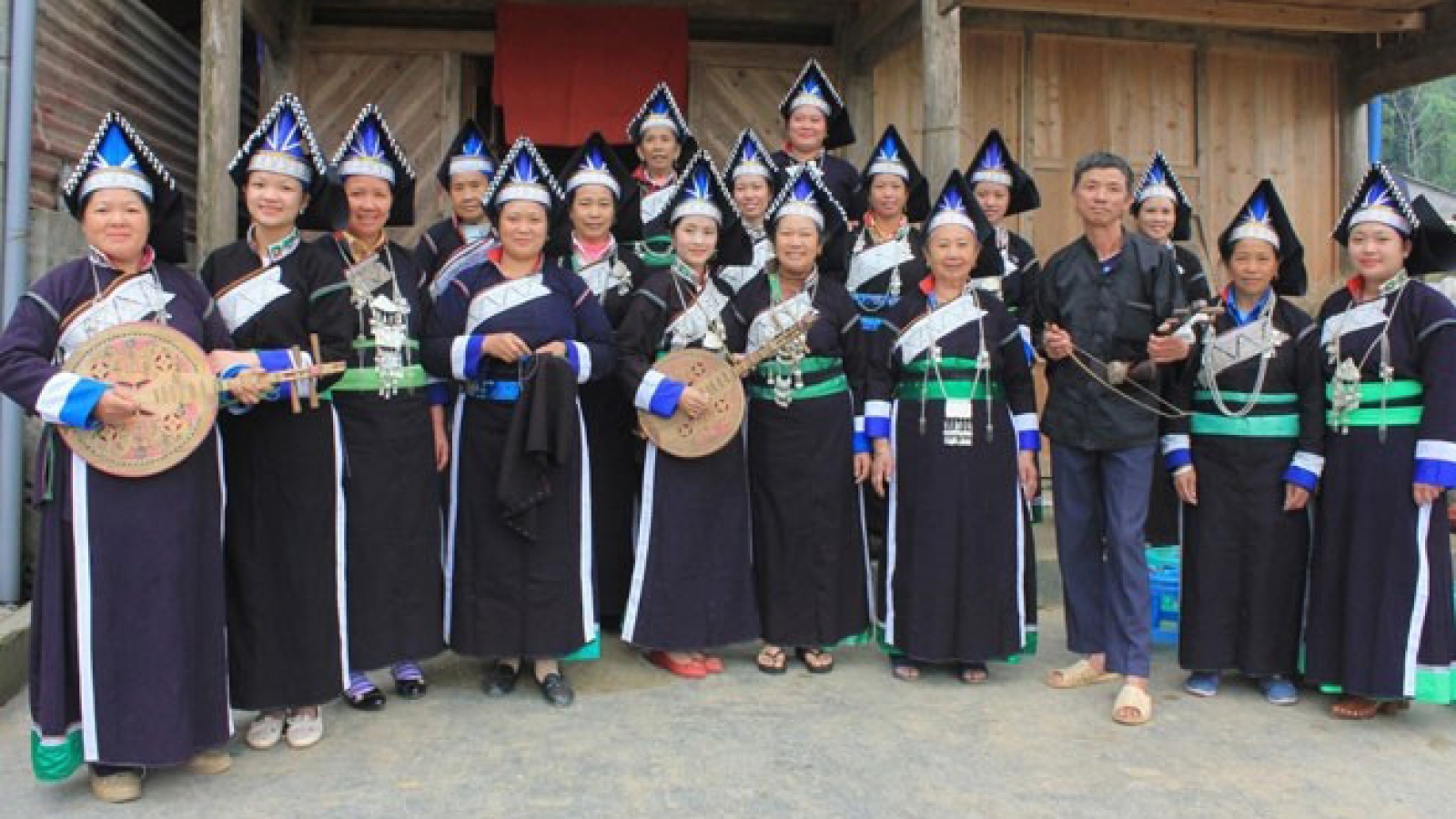
Unique clothes of the Pa Di
VOV.VN - Clothes worn by Pa Di women are different from other ethnic groups with their colorful patterns that are closely associated with their habitat of forests and mountains.
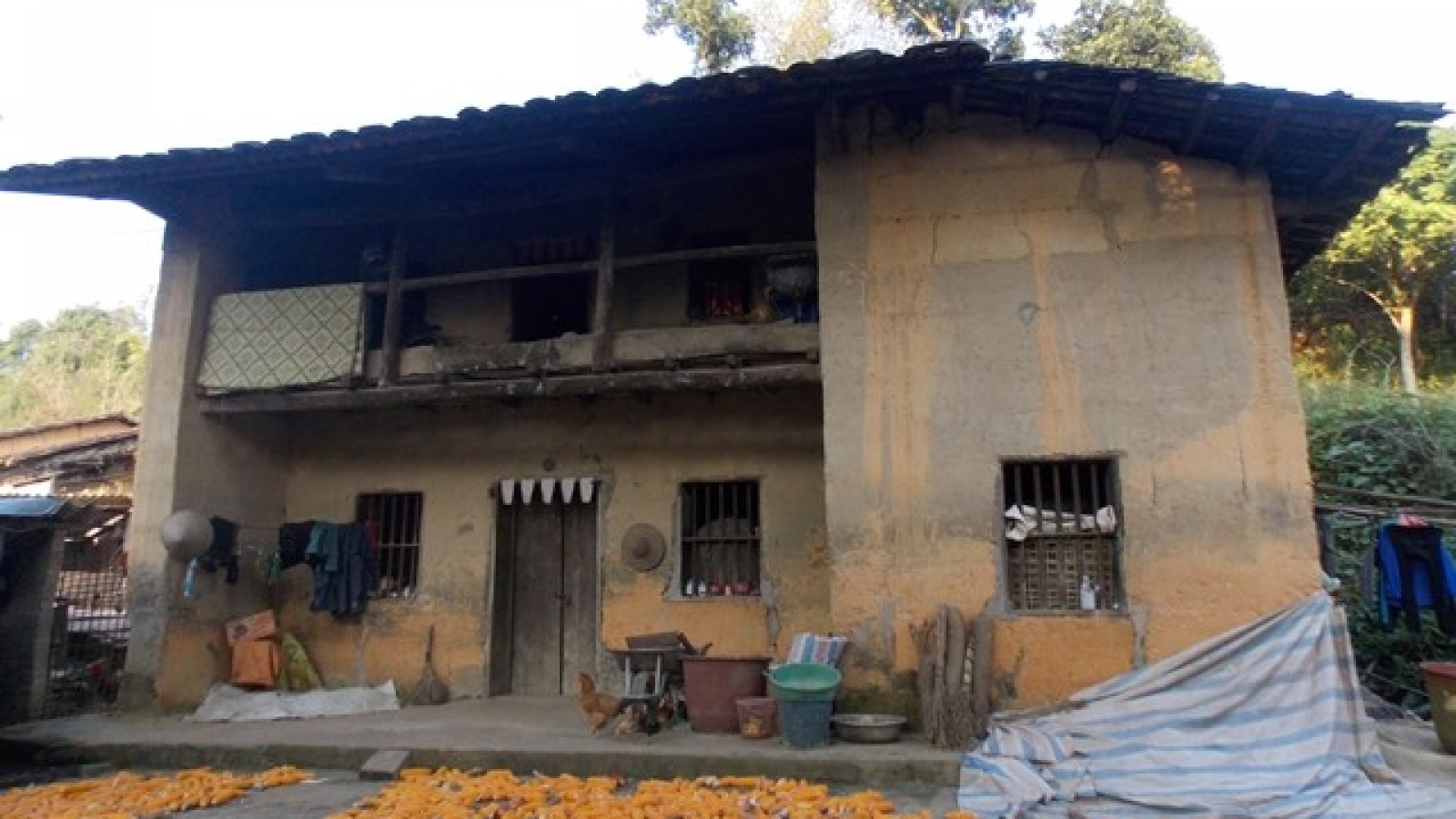
Traditional house of the Nung in Lao Cai
VOV.VN - The Nung, the second biggest ethnic minority group in Si Ma Cai district of Lao Cai province, live in earthen houses, which are not only a shelter but also a place that maintain many traditions and customs.
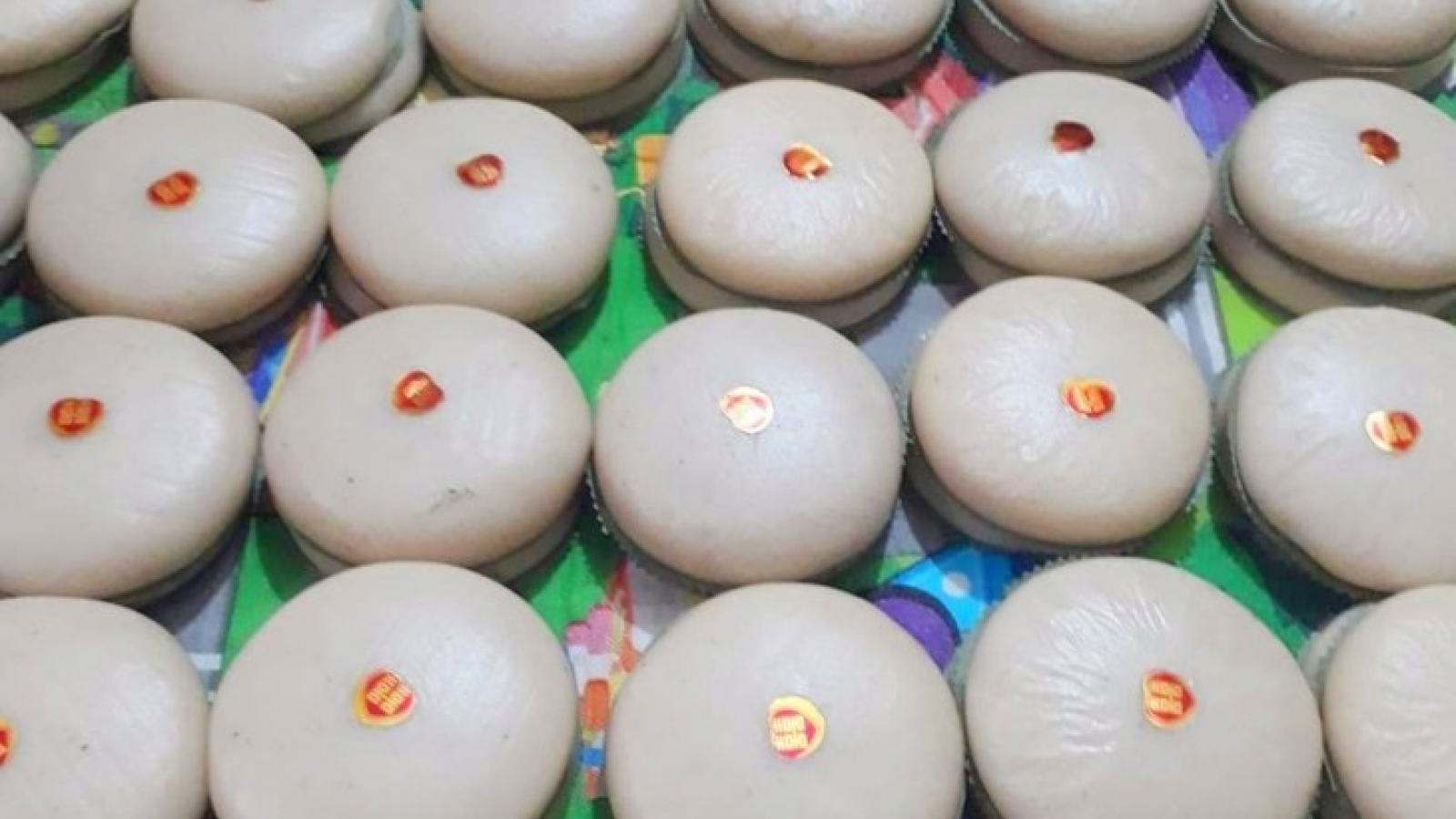
Giay cake – a unique wedding offering of the Tay
VOV.VN - For the Tay ethnic group in the northern mountainous province of Cao Bang, Banh Giay – round, sticky rice cakes, are indispensable along with areca nut, betel leaves, tea, wine, steamed sticky rice, and chicken.
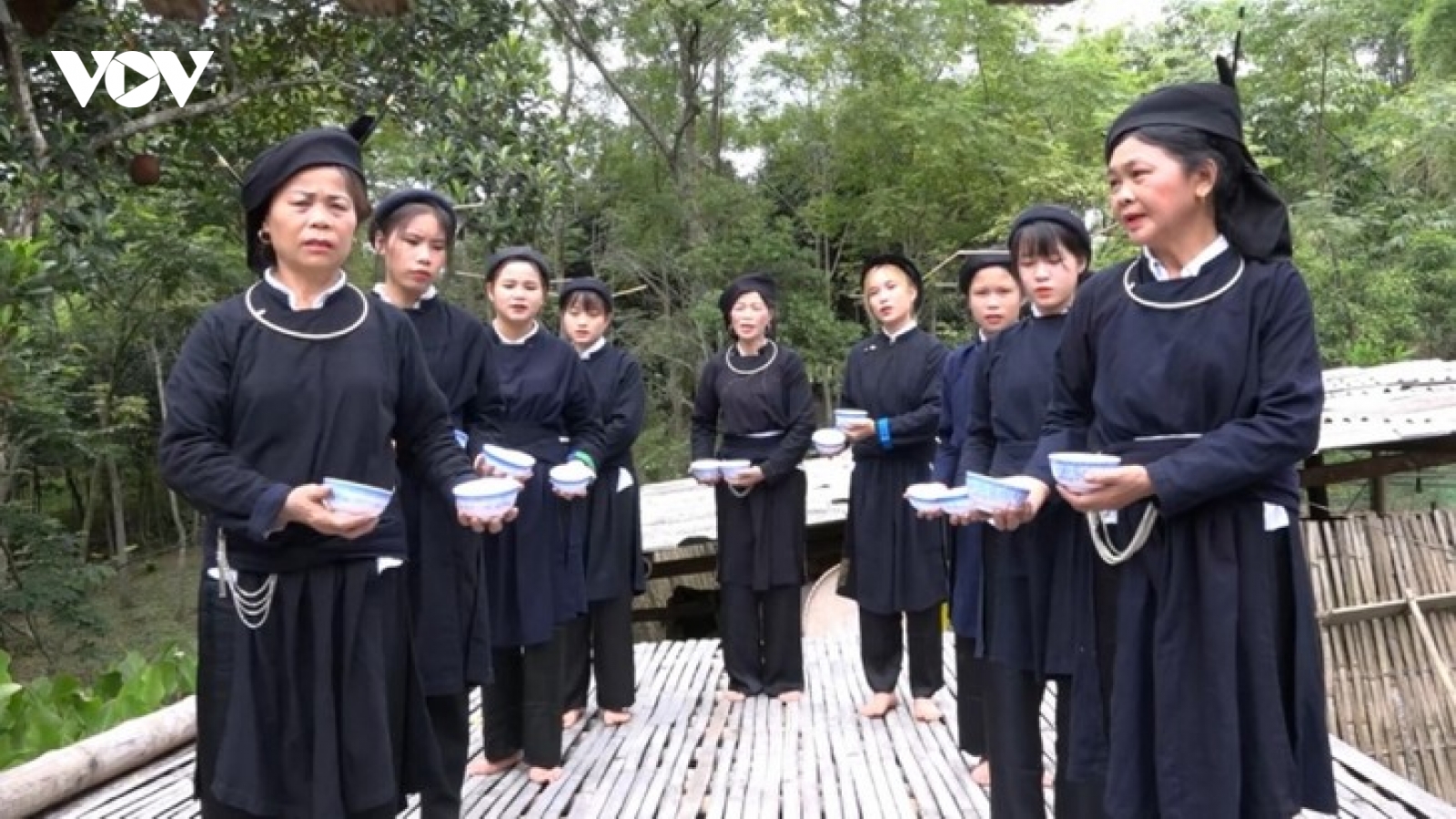
Bowl folk dance of Tay ethnic minority people
VOV.VN - Tay ethnic people in Bac Kan province have upheld their traditional cultural values, including poems, folk songs, and festivals, for generations, with bowl folk dance closely attached to their daily life and agricultural production.

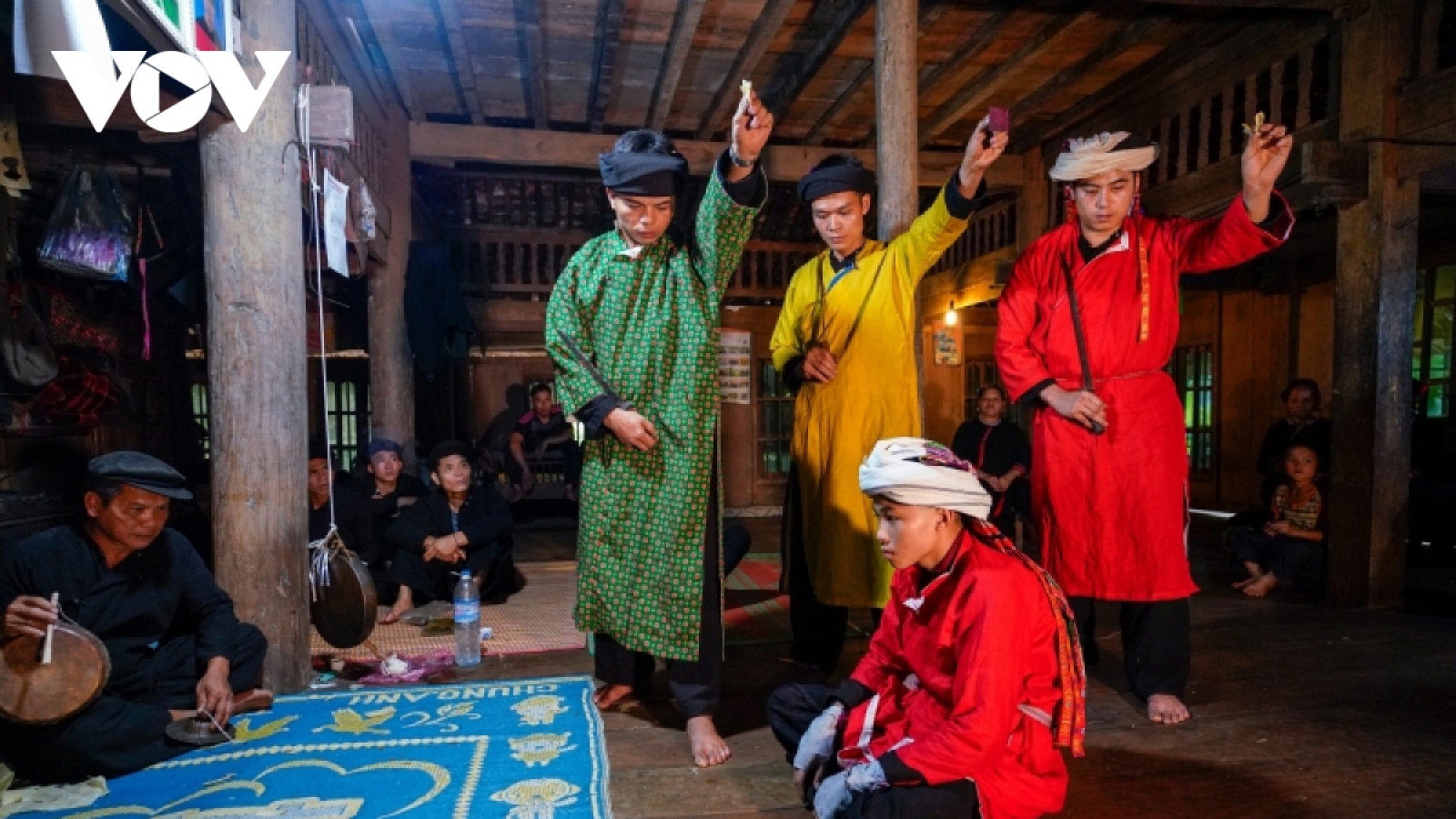
Boys of San Chi ethnic group undergo maturity ritual in Cao Bang
VOV.VN - The “Cấp sắc”, known as the maturity ritual, of the San Chi ethnic group in the northern mountainous province of Cao Bang is an important ritual for every boy in the community as it marks his coming-of-age and affirms his role within the family and as part of local society.
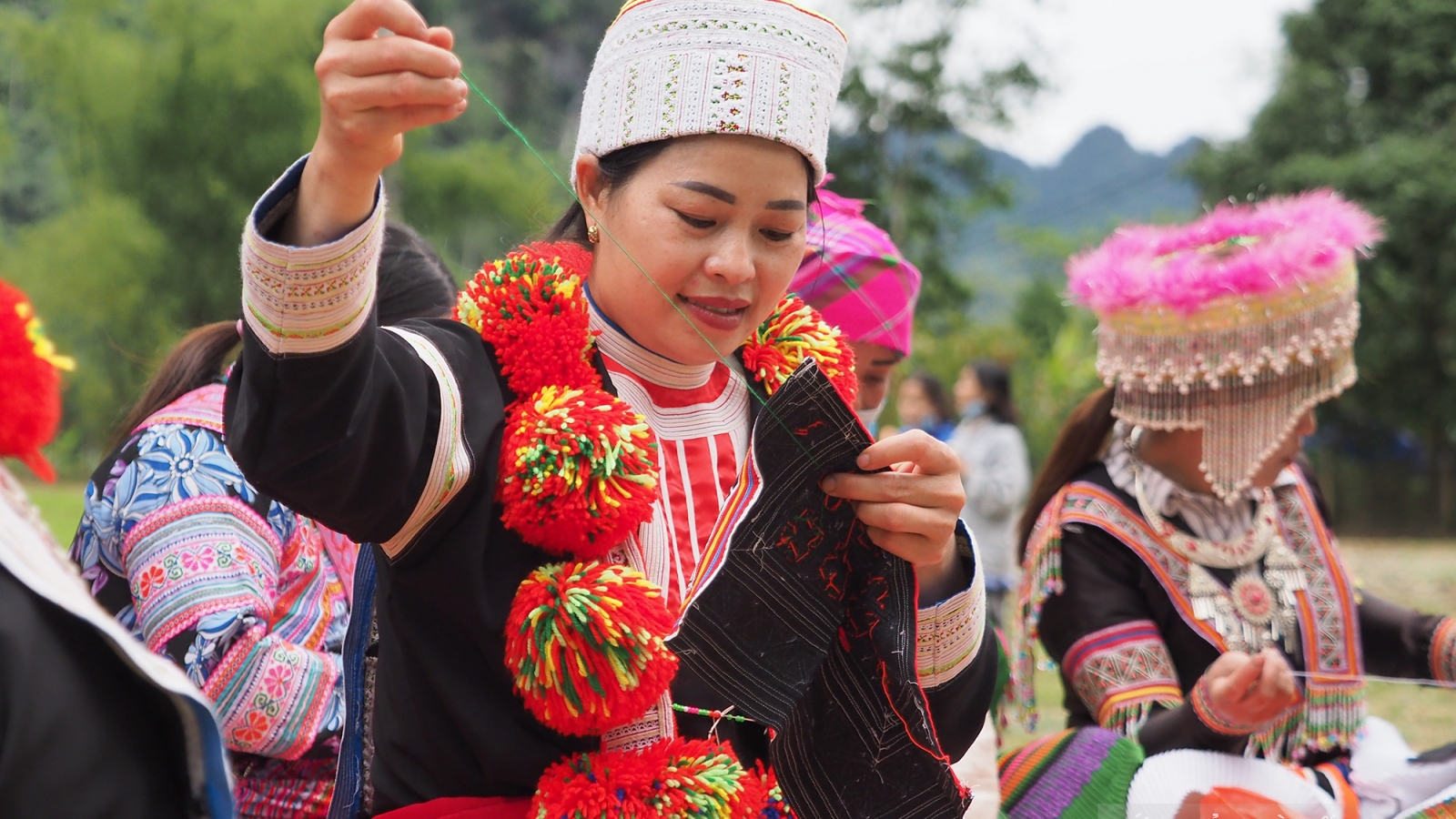
Ethnic girls preserve brocade weaving in the highlands
VOV.VN - Brocade weaving is a unique cultural identity of various ethnic groups in the highland district of Lam Binh (Tuyen Quang province) that needs to be preserved and promoted for younger generations.
