
Tag: Exports

Textile and garment industry shifts toward high-value orders
VOV.VN - In 2026, Vietnam’s textile and garment industry is set to undergo a significant strategic change, shifting its focus from large-scale outsourcing to smaller, higher-value orders that require advanced technical standards, targeting key markets such as the United States and Japan.
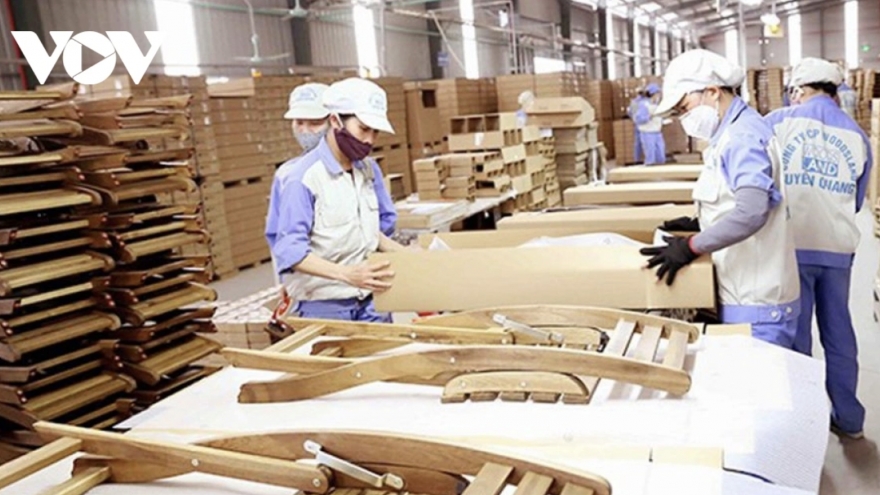
Wood industry weathers global headwinds, crosses US$17 billion mark
VOV.VN - Amid global market volatility and climate challenges, Vietnam’s wood industry registered a historic threshold in 2025, with exports of timber and wood products exceeding US$17 billion for the first time, underscoring its role as a major export pillar of the national economy.
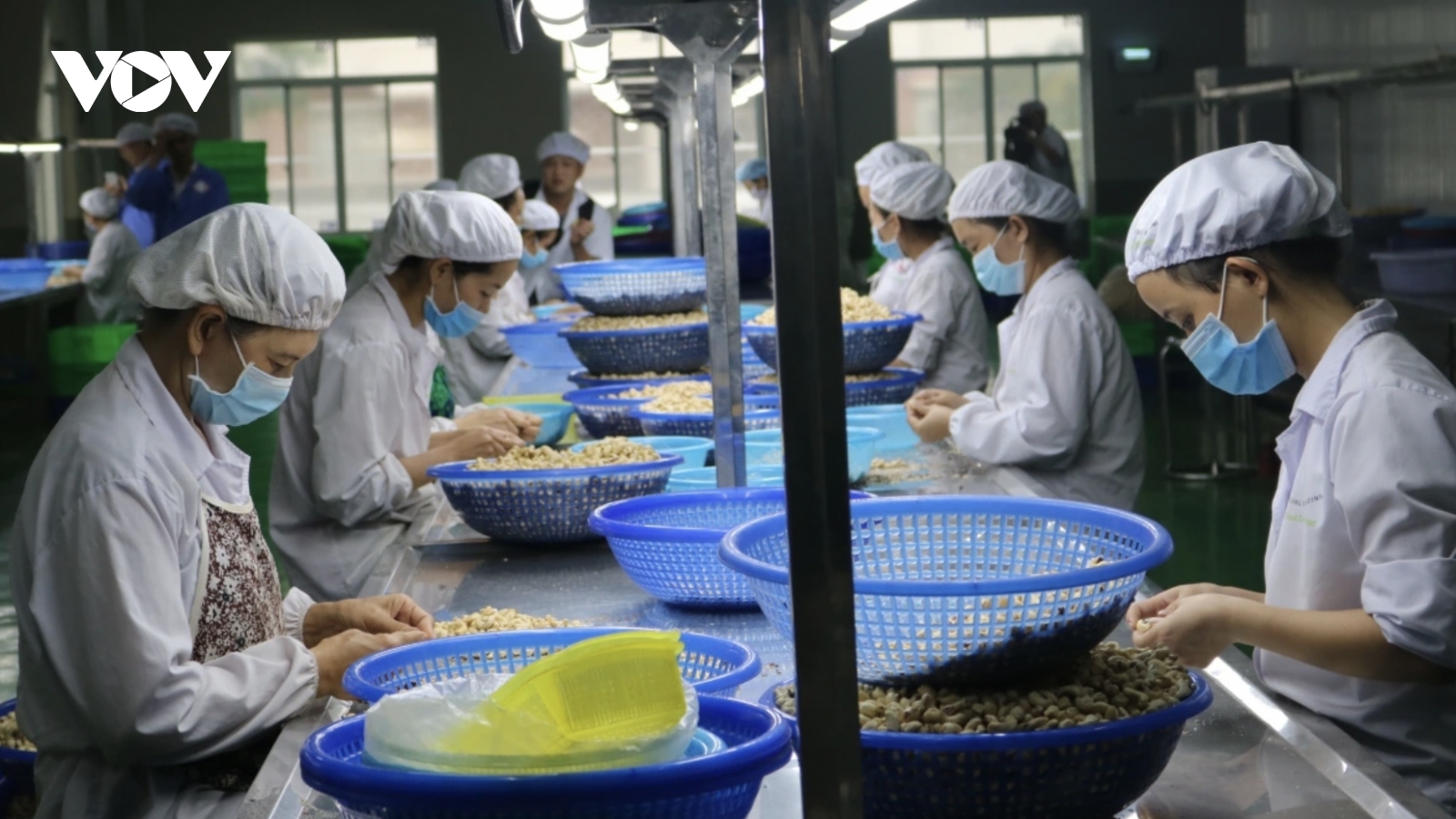
Cashew exports hit record high, joins US$5 billion club
VOV.VN - Vietnam’s cashew nut industry achieved a historic breakthrough in 2025 as its export revenue exceeded US$5 billion for the first time, cementing the country’s leading role in the global cashew market amid major shifts in markets, technology and long-term industry strategy.

Leather and footwear sector adapts to new standards to accelerate export growth
VOV.VN - Transparency of origin is emerging as a key requirement for the leather and footwear sector to maintain access to demanding markets and expand export momentum, as many importing countries tighten rules on origin, sustainability and supply-chain transparency.

Traceability emerges as protective shield for Vietnam’s exports
Product traceability is increasingly becoming a strategic safeguard for Vietnamese goods as global trade barriers shift towards stricter controls on origin, digital standards and supply-chain responsibility.
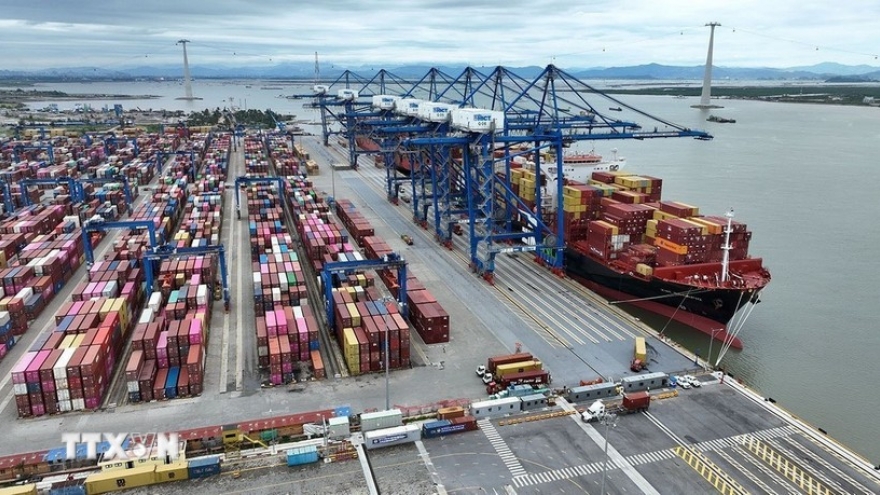
Vietnam targets US$23 billion trade surplus in 2026
The Agency of Foreign Trade (AFT) under the Ministry of Industry and Trade aims to increase total export turnover by more than 8% in 2026 compared with 2025, while maintaining a trade surplus of over US$23 billion, up 15% year on year.
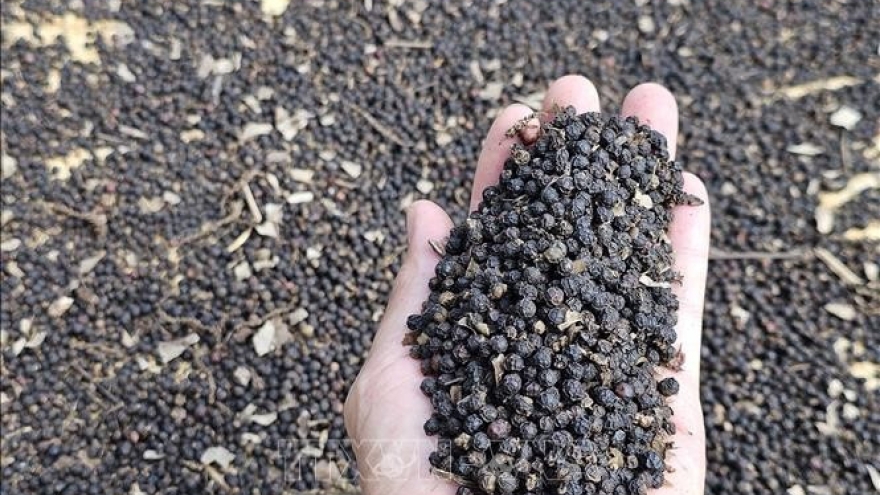
Pepper exports hit record high in 2025
Vietnam’s pepper exports maintained strong growth momentum in late 2025, lifting total export turnover in the year to a record US$1.66 billion, the highest level ever recorded by the sector.
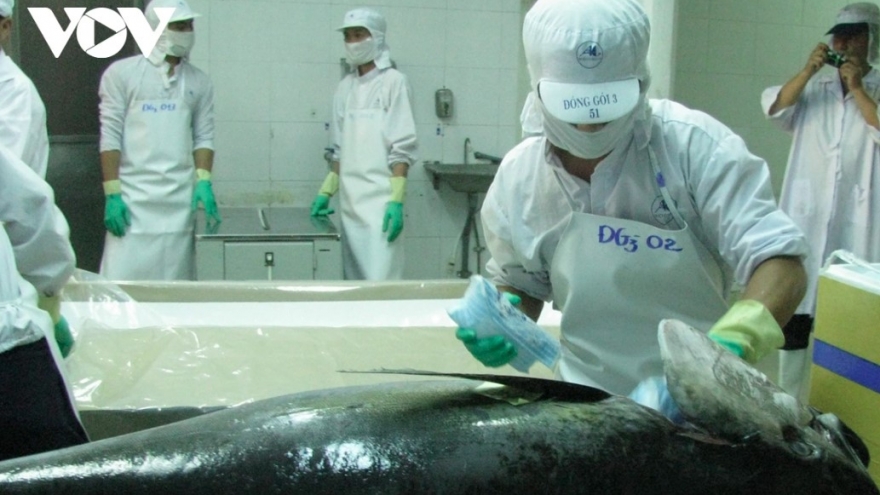
Tuna exports to Canada maintain growth momentum despite fluctuations
VOV.VN - Vietnam’s tuna exports to Canada continued to grow in 2025 but showed month-to-month fluctuations, as market standards and sustainability requirements become increasingly demanding.

Cross-border e-commerce opens fast track for agricultural exports to ASEAN
VOV.VN - Cross-border e-commerce is emerging as a powerful “fast track” that enables Vietnamese agricultural products to penetrate the ASEAN market, significantly reducing reliance on traditional intermediaries.
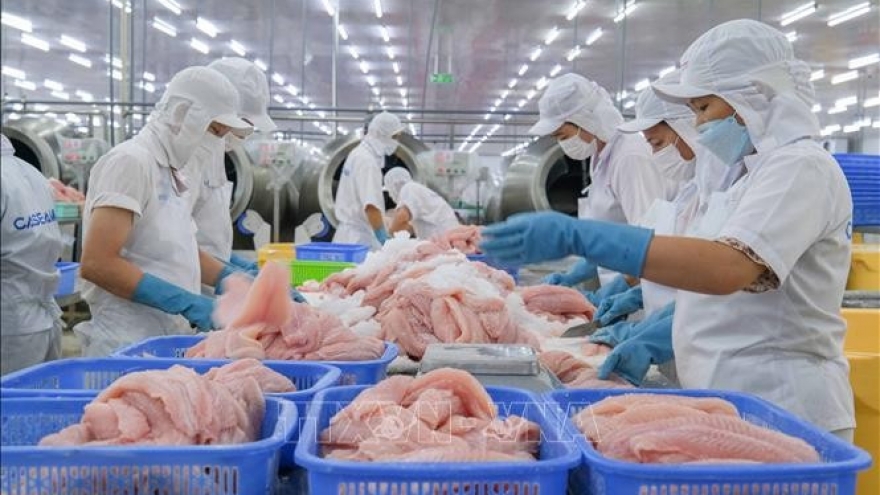
Seafood sector targets US$11.5 billion in exports in 2026
Vietnam’s seafood sector will continue to reduce capture fisheries while expanding aquaculture in a sustainable, climate-resilient manner to enhance competitiveness, with a strong focus on shifting from a production mindset to a fisheries economy and from single-value growth to integrated multi-value development.