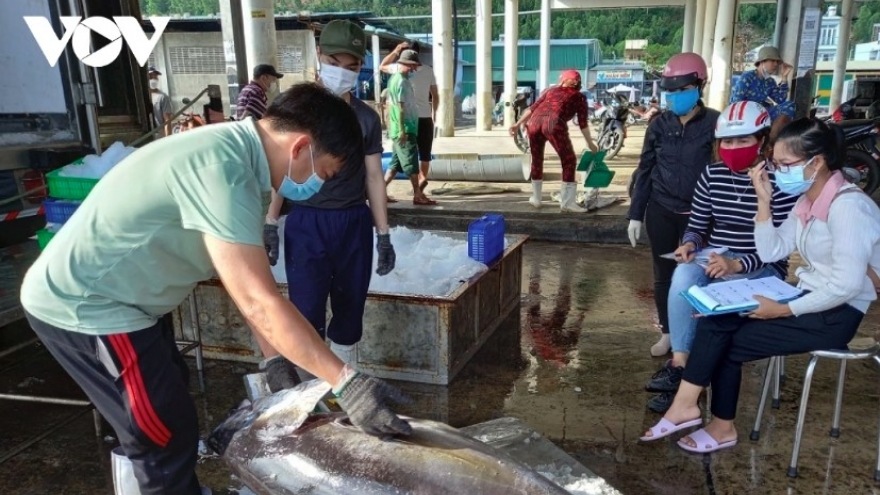
Tuna exports to Canada maintain growth momentum despite fluctuations

VOV.VN - Vietnam’s tuna exports to Canada continued to grow in 2025 but showed month-to-month fluctuations, as market standards and sustainability requirements become increasingly demanding.
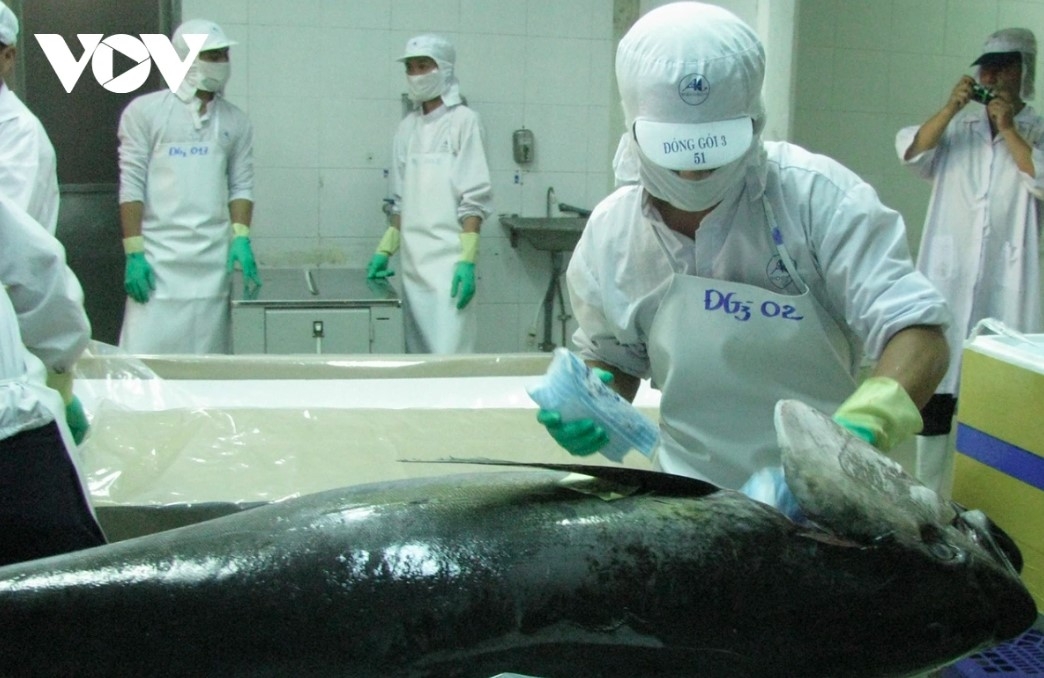
According to Vietnam Customs, export turnover to Canada neared US$38 million over the past 11 months of 2025, up about 10% year on year. Monthly data, however, point to uneven performance, with shipments easing toward the end of the year, reflecting more cautious purchasing amid economic uncertainty and changing consumer demand.
The Vietnam Association of Seafood Exporters and Producers (VASEP) said frozen tuna meat/loins and canned tuna remained the two main product groups, accounting for roughly 70% and 26% of total shipments respectively. Export value for both categories in the 11-month period rose by around 15% compared with the same period last year.
Canada is an open market with intense competition while Thailand, Italy and Vietnam are currently the three largest tuna suppliers.
Data from the International Trade Centre (ITC) indicate that Canada imports tuna from more than 43 countries, with total purchases valued at about US$214 million, heightening competitive pressure in pricing, quality, supply reliability and compliance with technical standards.
Sustainable consumption is increasingly shaping purchasing criteria in Canada. According to the Marine Stewardship Council (MSC), nearly 94 million cans of MSC-certified tuna were sold in the country during 2023-2024. About 81 canned tuna products carrying the MSC label are now available across major retail chains, with further growth expected in 2025-2026. The Canadian Food Inspection Agency (CFIA) enforces strict rules on food safety, traceability and labeling for imported fish and seafood products.
In this context, Vietnamese exporters need to focus on three priorities: standardizing raw material sourcing and production chains in line with sustainability requirements; strengthening traceability and information transparency; and broadening value-added offerings, particularly canned tuna.
VASEP expects tuna exports to Canada in 2026 to remain on a positive trajectory, provided companies can ensure supply-chain stability while meeting market standards. Firms that move early on certification, supply-chain risk management, quality control and labeling are likely to gain longer-term competitive advantages.
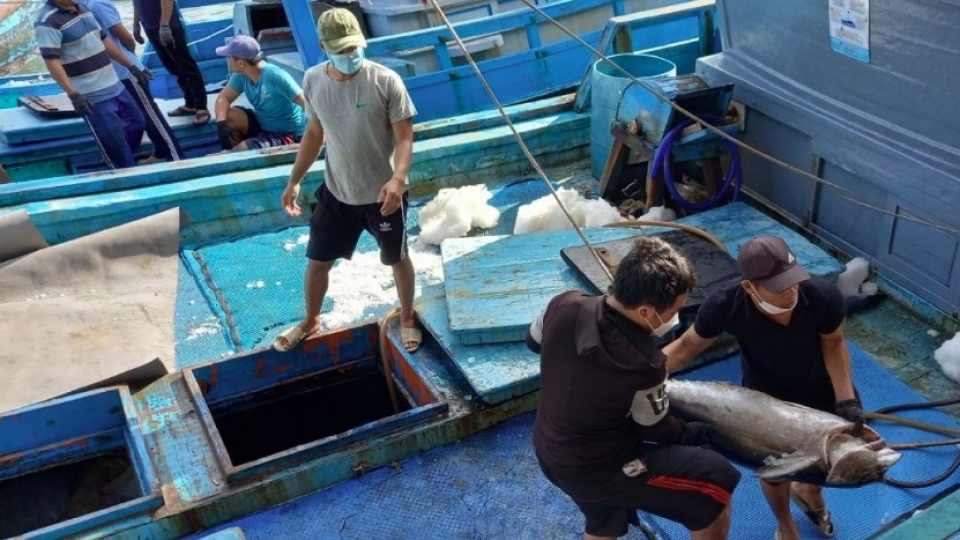
Export decline clouds outlook for Vietnamese tuna in second half
VOV.VN -Vietnam’s tuna exports dropped 21% year-on-year in June to just over US$67 million, casting a shadow over the industry’s prospects for the remainder of 2025, according to the Vietnam Association of Seafood Exporters and Producers (VASEP).