
Leather and footwear sector adapts to new standards to accelerate export growth

VOV.VN - Transparency of origin is emerging as a key requirement for the leather and footwear sector to maintain access to demanding markets and expand export momentum, as many importing countries tighten rules on origin, sustainability and supply-chain transparency.
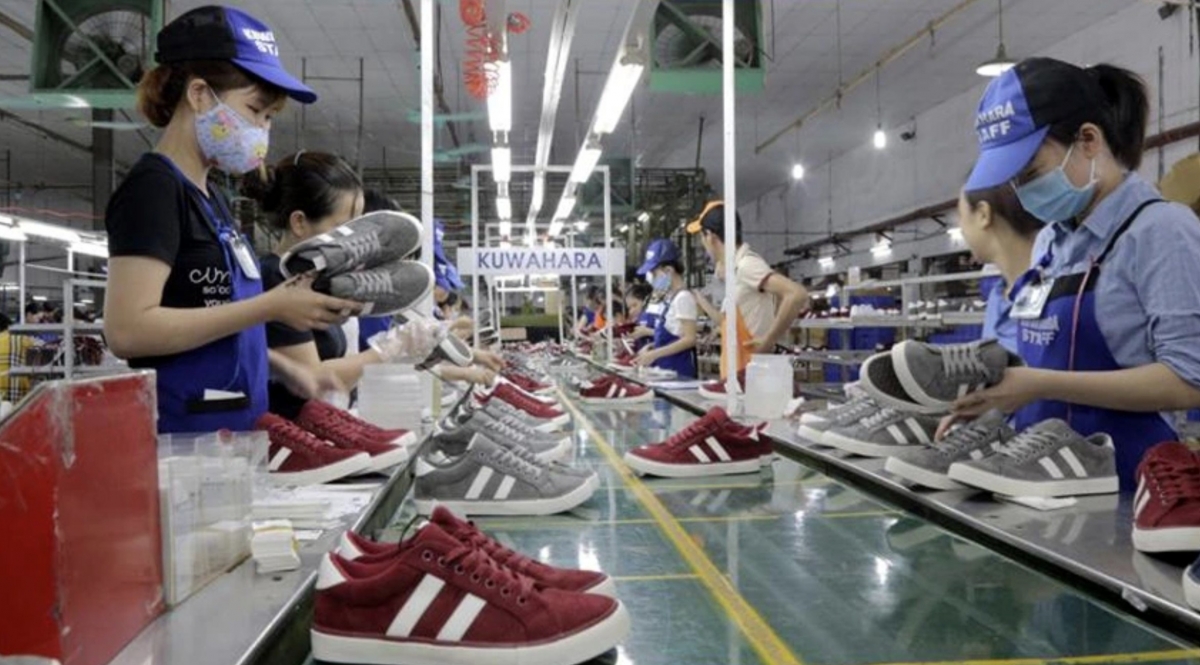
Vietnam has signed and implemented 17 free trade agreements (FTAs). Making effective use of these deals has therefore become a top priority for management agencies, localities and the business community nationwide, particularly as traceability and supply-chain accountability standards continue to rise.
According to Phan Thi Thanh Xuan, Vice Chairwoman and Secretary-General of the Vietnam Leather, Footwear and Handbag Association (LEFASO), the sector was among the earliest to integrate into global markets and has steadily met international requirements on supply-chain transparency, from raw materials to distribution. In recent years, however, both the scope and objectives of traceability have shifted markedly.
Previously, traceability mainly served to certify origin in order to qualify for tariff preferences. Today, sustainability has become a mandatory condition set by importing countries, requiring companies to disclose production processes in greater depth and prepare for more detailed and comprehensive traceability.
Industry assessments show that about 95% of exporting leather and footwear companies are making effective use of FTAs. Looking ahead, however, importers are expected to impose tighter requirements, including extended producer responsibility. This means firms must not only track inputs produced in Vietnam but also materials sourced from third countries.
Differences in scale have also widened the gap in traceability capacity. Large companies typically maintain dedicated compliance teams and have sufficient resources to invest in technology and workforce training. Small and medium-sized enterprises, by contrast, face heavy cost burdens in building traceability systems, along with limited information, insufficient guidance and constrained resources, which often lead to hesitation or delays in implementation.
Building an ecosystem to support enterprises in applying FTAs carries long-term strategic value, strengthening implementation capacity and improving the effectiveness of existing agreements, Xuan emphasized.
Within that ecosystem, traceability systems play a central role. A uniform model, however, cannot be applied across all sectors, as each industry has distinct production characteristics and market requirements.
System design should be based on the objectives and technical standards of each target market, with cost considerations carefully weighed to ensure feasibility for businesses. Traceability platforms should serve state management needs while also providing training tools, operational guidance and channels for collecting feedback and recommendations from enterprises.
LEFASO is currently studying the development of a domestic survey and assessment system for supporting materials, with a view to working with the Ministry of Industry and Trade to set up a shared database that will be regularly updated and accessible to companies across the sector.
Beyond corporate initiatives, meeting increasingly stringent supply-chain transparency requirements requires close coordination across the chain, from manufacturers and importers to end customers. Companies are prepared to share information when it delivers practical operational benefits, while ensuring data accuracy and appropriate confidentiality.
Once traceability systems gain broad acceptance across the market, they will provide a critical foundation for the leather and footwear sector to clear origin-related barriers, expand export markets and strengthen competitiveness.
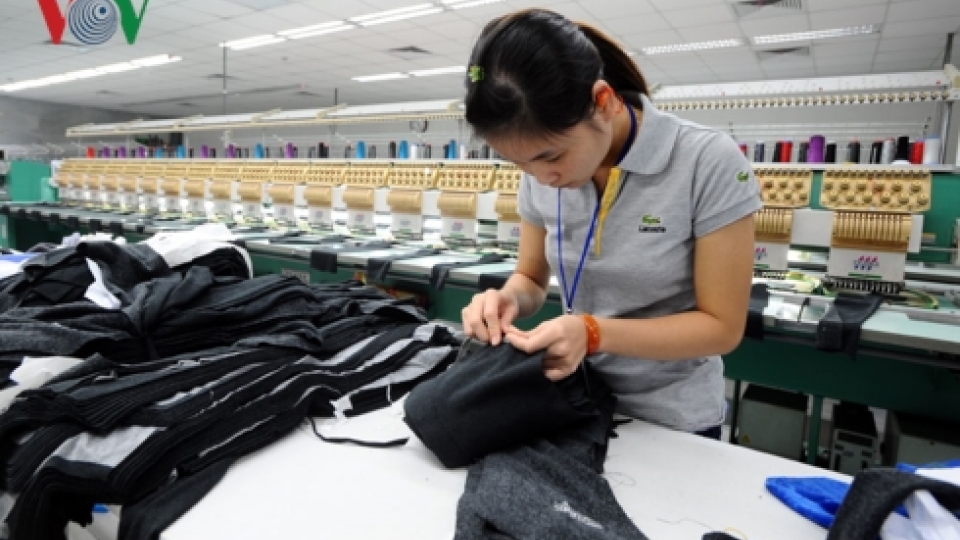
Leather and footwear sector takes steps to fulfill US$21.5 bil export target
VOV.VN - The leather and footwear industry is expected to maintain the positive signs of growth seen throughout 2019 as local businesses continue to make great strides in capitalizing on opportunities brought about by the international economic integration to fulfill this year’s export turnover target of US$21.5 billion.
