Wood industry weathers global headwinds, crosses US$17 billion mark

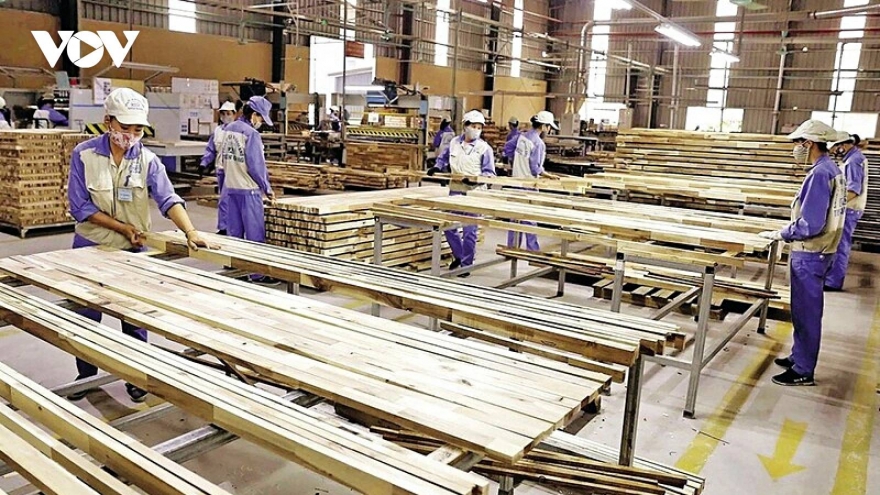
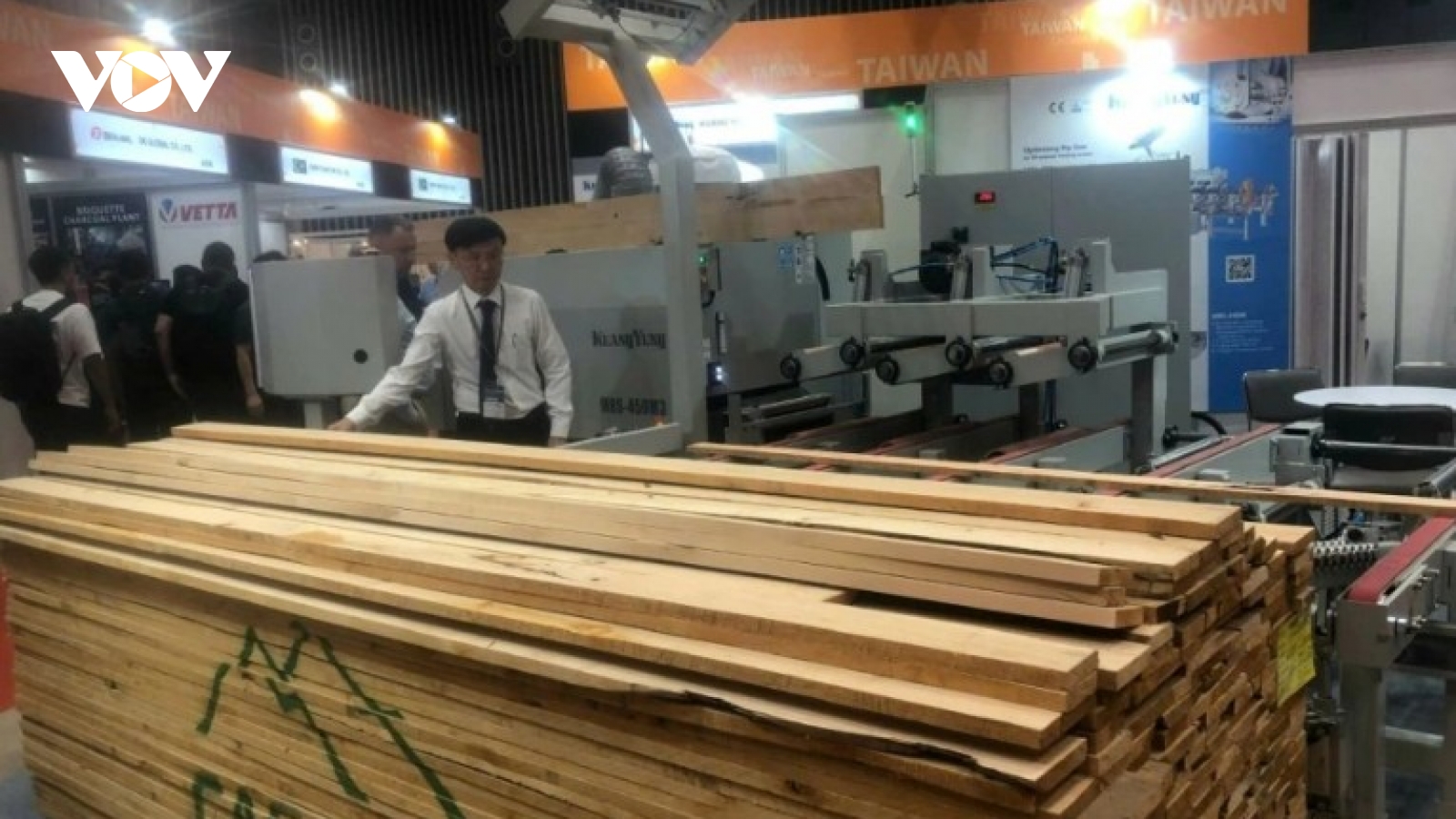
VOV.VN - Amid global market volatility and climate challenges, Vietnam’s wood industry registered a historic threshold in 2025, with exports of timber and wood products exceeding US$17 billion for the first time, underscoring its role as a major export pillar of the national economy.
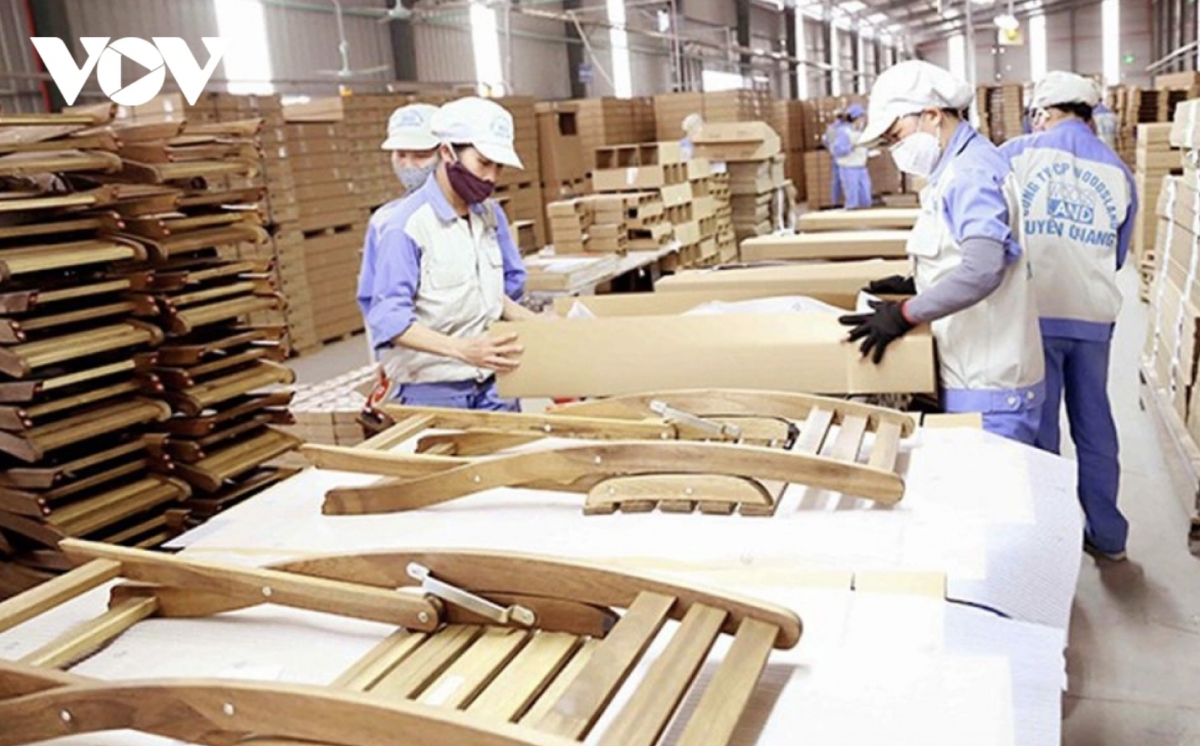
According to Vietnam Customs, exports of timber and wood products hit nearly US$1.7 billion in December 2025 alone, lifting total export turnover for the year to US$17.2 billion, up nearly 6% year on year. This is the first time the industry has crossed the US$17 billion threshold.
US leads as foremost market
In 2025, exports of timber and wood products to the United States were estimated at US$9.46 billion, representing a year-on-year rise of 4.4% and accounting for approximately 55% of Vietnam’s total wood export value. Vietnam continues to hold its position as the largest supplier of wooden furniture to the US market.
Data from the US International Trade Commission (USITC) show that in the first eight months of 2025, US imports of wooden furniture from Vietnam posted US$6.1 billion, an increase of 9% compared with the same period in 2024, making up 45.3% of total US imports in this category. In contrast, imports from China fell sharply to US$1.4 billion, down 36%.
Vietnam’s market share in US wooden furniture imports rose from 40.5% in the first eight months of 2024 to 45.3% in the same period of 2025, while China’s share declined from 15.7% to 10.4%. The widening gap highlights Vietnam’s growing dominance in the US market.
Beyond the US, exports to Japan recorded strong growth of more than 23% in 2025, achieving US$2.153 billion and surpassing the US$2 billion mark for the first time. Japan thus overtook China to become Vietnam’s second-largest wood export market.
Exports to China, although falling to third place, still increased slightly to US$2.086 billion, exceeding US$2 billion for the second consecutive year. Together, the three “billion-dollar” markets including the US, Japan, and China accounted for nearly 80% of Vietnam’s total timber and wood product exports in 2025.
Other markets remained relatively modest in scale, including the Republic Korea with US$709 million, Canada with US$288 million, and the UK with US$244 million.
Wooden furniture continued to dominate Vietnam’s wood export structure. According to the Import-Export Department under the Ministry of Industry and Trade, in the first 11 months of 2025, wooden furniture exports reached US$9.434 billion, accounting for nearly 61% of the industry’s total export value.
Several other product groups also recorded export turnover of US$1 billion or more each, including wood chips at US$2.22 billion; sawn wood, boards, and flooring at US$2.091 billion; and wood pellets at US$1.081 billion.
Navigating strong headwinds
According to Phung Quoc Man, Chairman of Handicraft and Wood Industry Association of Ho Chi Minh City (HAWA), 2025 presented unprecedented challenges for the industry. These included reciprocal tariff measures, anti-dumping and anti-subsidy investigations from the US, mounting pressure from the EU’s upcoming Anti-Deforestation Regulation (EUDR), as well as subsequent storms and floods at home that disrupted raw material supply chains and production.
Despite the economic turbulence, Vietnam’s timber and wood exports maintained positive growth, reflecting the industry’s increasing adaptability and resilience amid global market fluctuations.
The Ministry of Agriculture and Environment said exports of wood and forest products last year brought back approximately US$18.5 billion, up about 6.6% from 2024, while the trade surplus stood at nearly US$14.9 billion.
Looking ahead to 2026, Nguyen Quoc Tri, Deputy Minister of Agriculture and Environment, said the forestry sector aims to maintain forest coverage at around 42%, achieve wood and forest product exports of roughly US$18.5 billion, and accelerate the development of large-timber forests. Key priorities include applying science and technology, advancing digital transformation, and strengthening trade promotion.
Future efforts will also focus on diversifying export markets, reducing dependence on a small number of major markets, building the “Vietnamese Wood” brand, and expanding forest environmental services and the carbon market.
Building on the positive momentum of 2025, the wood industry is expected to continue increasing added value in global markets, pursue sustainable development, and make a stronger contribution to the country’s green growth strategy.
E-commerce reshapes Vietnam’s wood export model
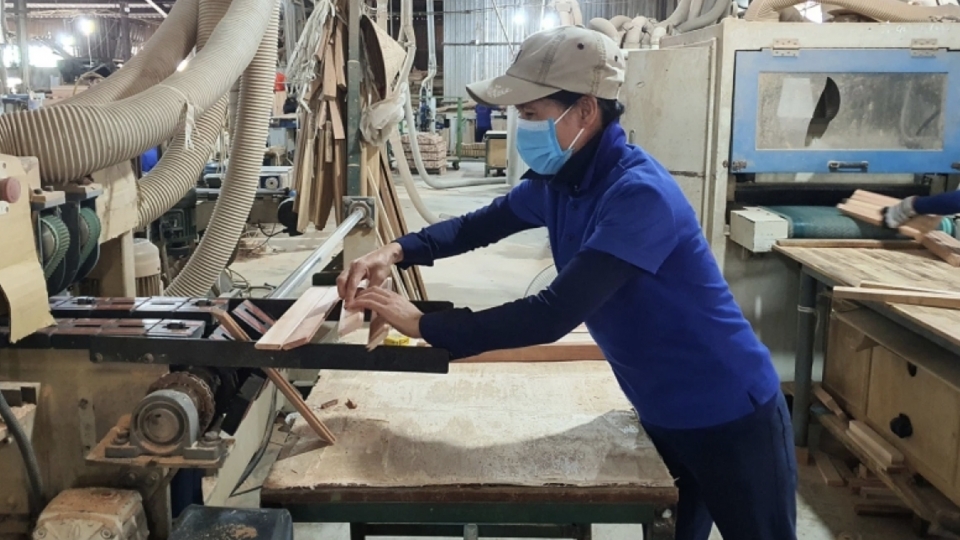
VOV.VN - Amid a major restructuring of global supply chains, Vietnam’s wood industry is turning to e-commerce as a more sustainable growth channel, shifting from contract manufacturing toward direct-to-consumer exports and higher value creation.