
Tag: e commerce

Spring Fair 2026: E-commerce poised for a green transition
The E-commerce Forum 2026, scheduled for February 2 as part of the First Glorious Spring Fair 2026, will convene regulators, local authorities, businesses and digital platforms to advance coordinated action towards safe, transparent and sustainable e-commerce development.

E-commerce at turning point as new law sets higher standards in 2026
2026 marks a turning point for Vietnam’s fast-evolving e-commerce sector, shifting from high-speed expansion to a more regulated, standardised phase that levels the playing field for multichannel and cross-border platforms.

Vietnamese spend US$45 million a day online shopping
Vietnamese consumers spent more than VND1.17 trillion (US$44.5 million) a day on online shopping in 2025, with revenues for major e-commerce platforms soaring sharply, statistics from data market research platform Metric.vn show.

Cross-border e-commerce opens fast track for agricultural exports to ASEAN
VOV.VN - Cross-border e-commerce is emerging as a powerful “fast track” that enables Vietnamese agricultural products to penetrate the ASEAN market, significantly reducing reliance on traditional intermediaries.

New laws expected to enhance efficiency in national resource management
The Presidential Office on January 6 held a press conference to announce the State President’s orders promulgating 12 laws passed at the 10th session of the 15th National Assembly.

Vietnam's retail market hits US$269 bln as e-commerce booms: report
Vietnam's retail revenue hit roughly US$269 billion in 2025, with total goods sales and service revenue expanding 9-10% from a year earlier, the fastest pace in five years outside pandemic-distorted periods, according to the Vietnam Domestic Market Report 2025 from the Ministry of Industry and Trade.

Hanoi tops 2025 e-business index
Hanoi tops the 2025 Vietnam eBusiness Index (EBI) with 74.7 points, followed by Ho Chi Minh City with 73.5 points. Da Nang ranks third with 28.1 points.

E-commerce charts new runway for Vietnam’s digital exports
E-commerce is evolving from a domestic retail channel into a strategic infrastructure for export expansion, forming a “digital runway” that enables Vietnamese enterprises to reach global consumers directly, bypassing traditional distribution chains.
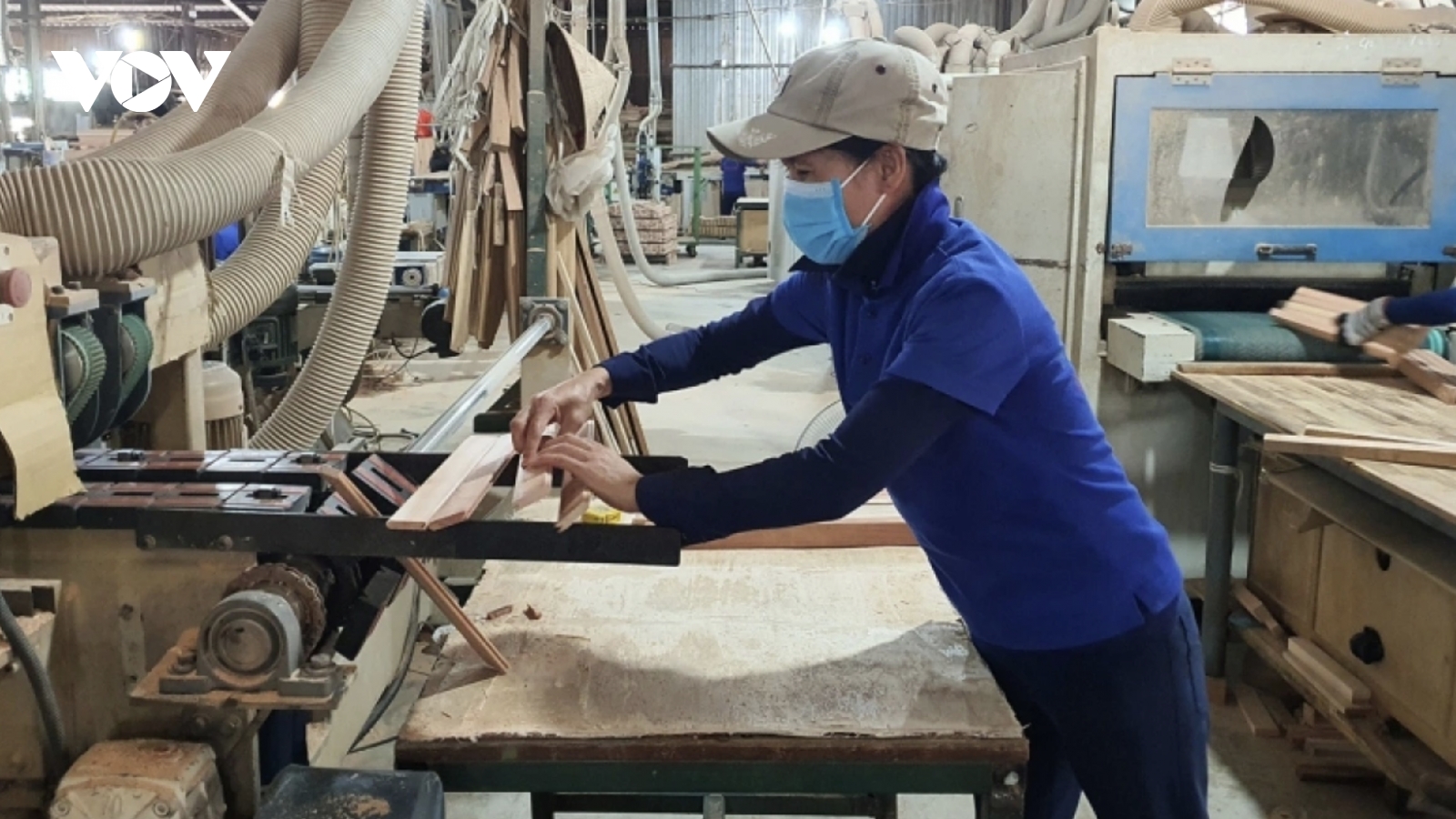
E-commerce reshapes Vietnam’s wood export model
VOV.VN - Amid a major restructuring of global supply chains, Vietnam’s wood industry is turning to e-commerce as a more sustainable growth channel, shifting from contract manufacturing toward direct-to-consumer exports and higher value creation.
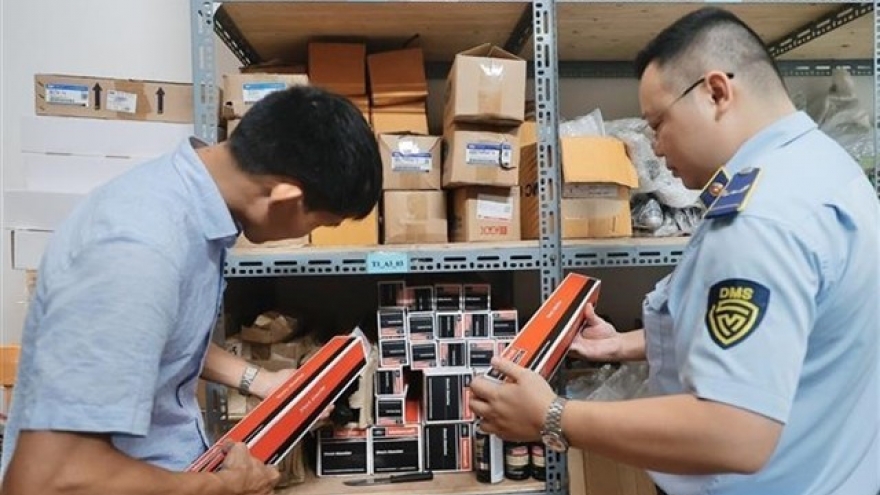
Growing e-commerce market sees tougher fight against counterfeits
Amid the rapid expansion of e-commerce and social networks, trade fraud and the sale of counterfeit and imitation goods have become increasingly sophisticated, posing major challenges to market surveillance and regulation.