E-commerce reshapes Vietnam’s wood export model

VOV.VN - Amid a major restructuring of global supply chains, Vietnam’s wood industry is turning to e-commerce as a more sustainable growth channel, shifting from contract manufacturing toward direct-to-consumer exports and higher value creation.
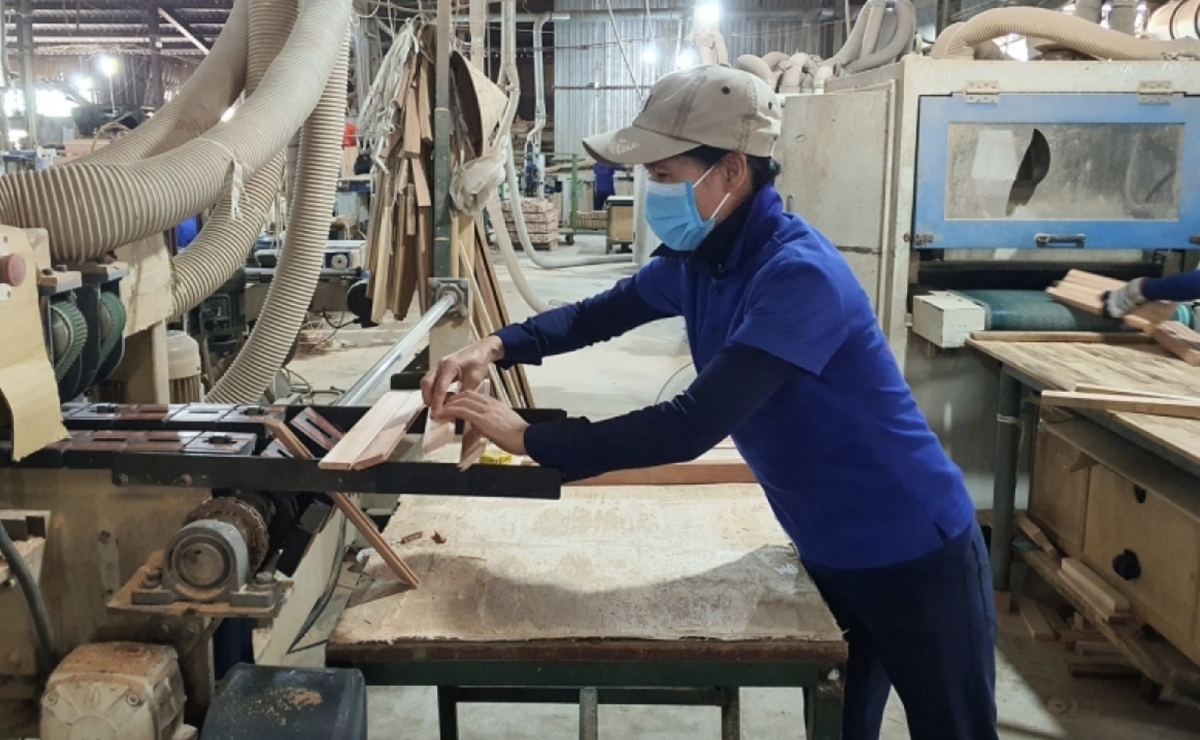
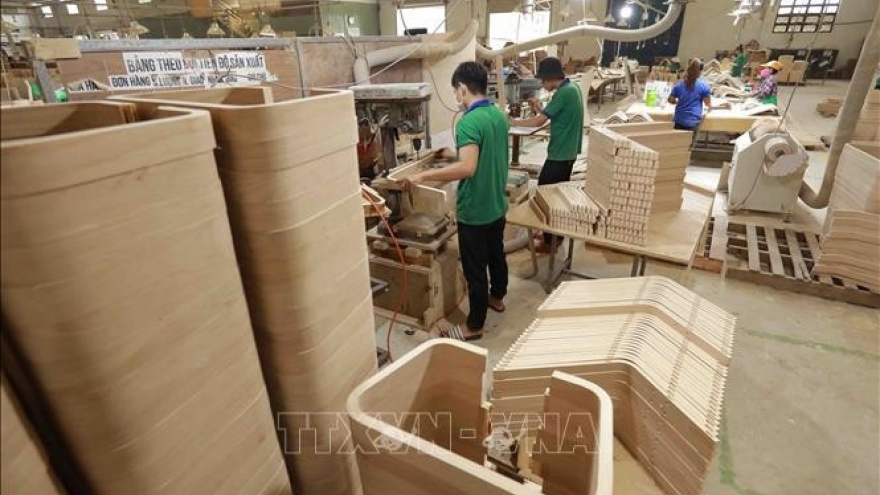
Vietnamese wood products are now present in more than 140 countries and territories, including major markets such as the United States, China, Japan, the Republic of Korea and the European Union. In the past, most companies operated under a traditional business-to-business manufacturing model, relying heavily on orders, facing thin profit margins and having limited capacity to build brands. In recent years, exports via e-commerce have accelerated the sector’s transition toward a business-to-consumer model, enabling firms to reach end-users directly while retaining control over data and distribution channels.
Experts say this shift goes beyond a change in sales channels, reflecting a broader transformation in development thinking. Enterprises can no longer depend solely on long-standing manufacturing experience but must strengthen the use of technology, data and digital solutions to study markets, track consumer trends and proactively design and refine products. Rather than producing to predefined samples, companies are required to develop original designs, craft brand narratives and differentiate themselves in the marketplace.
According to Nguyen Chanh Phuong, Vice Chairman of the Handicraft and Wood Industry Association of Ho Chi Minh City (HAWA), e-commerce offers substantial potential for the wood sector but also introduces entirely new requirements. Unlike the traditional outsourcing model, companies engaged in e-commerce cannot replicate others’ designs or rely solely on made-to-order production. To gain customer recognition, they must establish their own designs, brands and distribution systems.
Data from the Vietnam Timber and Forest Products Association show that only about 15% of Vietnamese wood enterprises currently have the capacity to develop product designs independently and sell through e-commerce platforms. For firms already pursuing this approach, revenue from e-commerce accounts for roughly 10-15% of total sales.
Tackling the major challenges, Nguyen Quoc Tri, Deputy Minister of Agriculture and Environment, noted that enterprises must mobilize substantial resources to invest in design, brand building, online store operations, logistics, digital marketing and customer services. As a result, closer cooperation among companies or the emergence of specialized service providers for design, e-commerce and distribution is seen as an inevitable trend across the industry.
In practice, companies that have moved early and were willing to invest in e-commerce are beginning to see positive results.
Thien Minh Furniture, while maintaining an effective B2B model with export capacity of around 150 containers per month, has developed its own B2C product lines and expanded online exports through cross-border e-commerce platforms, thereby opening up new growth potential, particularly in the US home and furniture market.
Similarly, Green Mekong has adopted a niche-product strategy when exporting via Amazon, focusing on “green,” easy-to-assemble wooden products aligned with sustainable living trends among US consumers. After six months, the company reached profitability and sustained steady growth, with several products receiving favorable platform ratings for quality, pricing and delivery readiness.
According to industry representatives, growing demand for sustainable, well-designed products at reasonable prices is strengthening the competitive position of Vietnamese wood manufacturers in the international market.
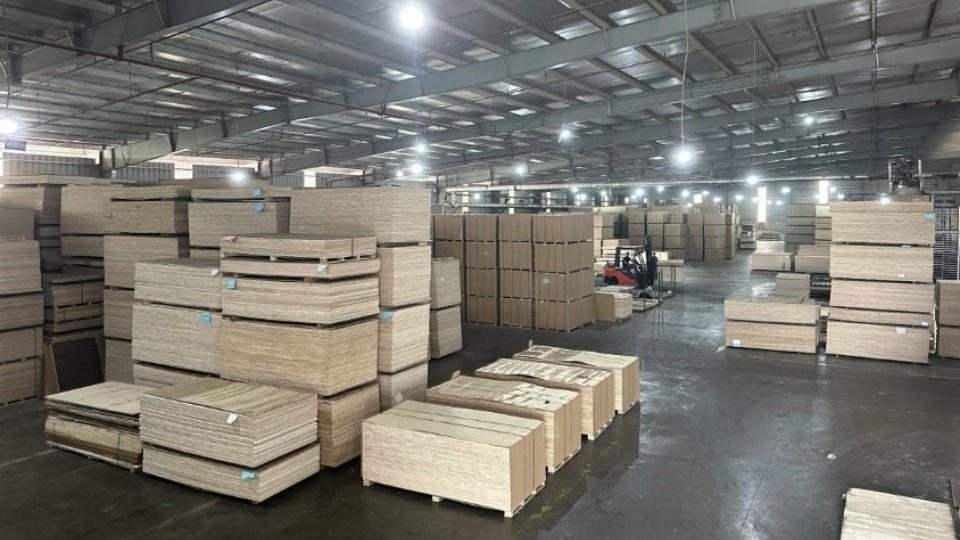
Wood industry seeks solutions under US tariff pressure
VOV.VN - US President Donald Trump has signed an order imposing tariffs of 10%-50% on a range of wood and furniture products, piling pressure on Vietnam’s exports.