Vietnam tourism shifts from budget destination to high-value travel experience

VOV.VN - As international arrivals surge and global travel trends shift toward safer, culture-focused destinations, Vietnam is positioning itself to move beyond budget tourism and compete through high-value experiences and service quality.
Tourism growth accelerates as Vietnam strengthens global position
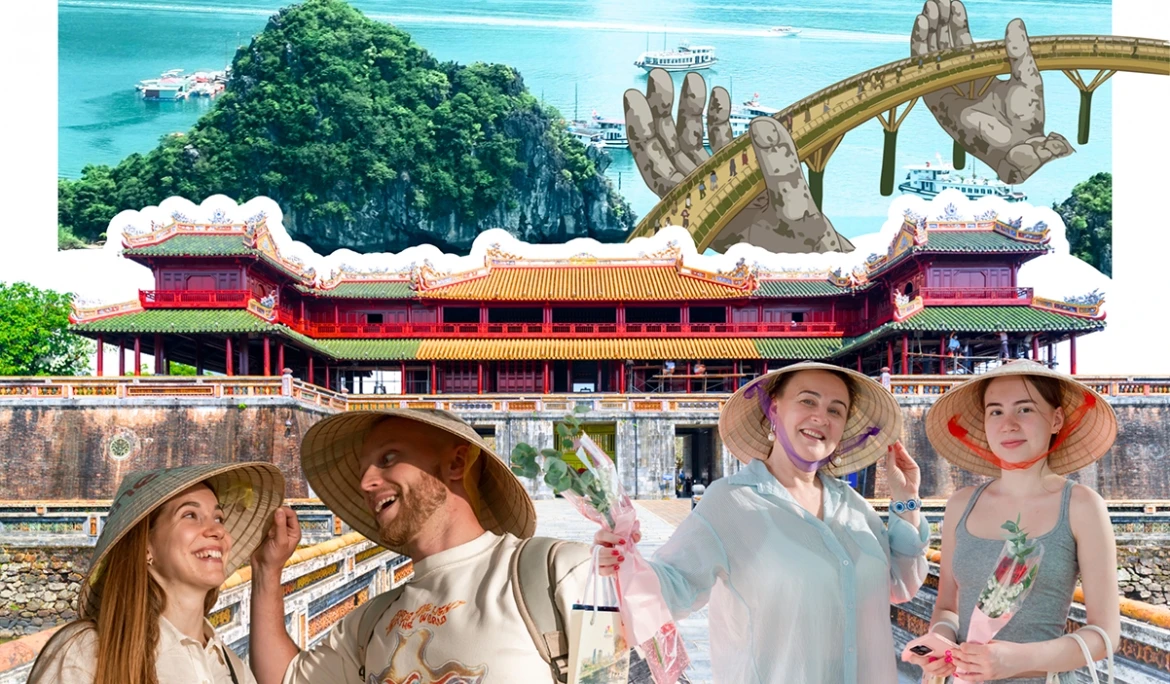
Vietnam’s tourism industry has continued its strong upward momentum in 2026, with the country welcoming 8.8 million international visitors in the first four months of the year, up 14.6% year on year and marking the highest four-month total ever recorded.
The robust recovery highlights Vietnam’s growing appeal as global tourism continues to restructure in the post-pandemic era.
Beyond the growth rate itself, industry observers point to notable changes in the structure of Vietnam’s international visitor markets. Alongside traditional markets such as China, the Republic of Korea, the United States, Japan and Russia, Vietnam is seeing rapid increases in arrivals from emerging markets including India, the Philippines and Australia.
European arrivals have also continued to rise, supported by visa exemption policies and coordinated tourism promotion campaigns.
At a time when many destinations worldwide face geopolitical uncertainty, rising fuel prices and increasing travel costs, Vietnam is emerging as an attractive alternative thanks to its political stability, public safety, competitive pricing and expanding air connectivity.
These factors are helping Vietnam capture a growing share of international travelers seeking safer and more reliable destinations.
According to Nguyen Trung Khanh, director of the Vietnam National Authority of Tourism, Vietnam’s tourism recovery since the COVID-19 pandemic has ranked among the fastest in the world.
While Vietnam was Southeast Asia’s fifth largest destination for international visitors in 2017, the country rose to third place in the region by 2024. In 2025, Vietnam welcomed nearly 21.2 million international arrivals, and total tourism revenue exceeded VND1 quadrillion. In 2026, the industry aims to attract 25 million international visitors and serve around 150 million domestic travelers.
Industry experts say the figures reflect not only strong growth but also improving competitiveness of the domestic tourism industry on both regional and global tourism maps.
From low-cost destination to high-value tourism

According to tourism experts, the most significant shift in Vietnam’s tourism industry today lies not in visitor numbers but in the opportunity to transform its development model.
Global travel preferences are changing rapidly. Travelers increasingly prioritise personalised experiences, local culture, wellness, nature, sustainability and service quality over low-cost travel alone. This trend creates favourable conditions for Vietnam to leverage its existing strengths.
With diverse natural landscapes, a rich cultural heritage, internationally recognised cuisine and a vast ecosystem of tourism resources, Vietnam is well positioned to expand further into higher-value tourism segments.
Instead of competing primarily on low prices, the industry now has the opportunity to compete through experience quality and added value.
Nguyen Son Thuy, director of Visit Indochina Travel Company, says rising international arrivals not only benefit travel agencies but also generate broader economic spillover effects across local economies.
According to the executive, every international visitor represents a chain of spending across multiple service sectors. A tour group visiting Da Nang or Hoi An, for example, generates income not only for tour operators but also for tour guides, drivers, hotels, restaurants, handicraft producers, traditional craft villages, transportation services, attractions and small household businesses.
As visitor numbers increase, tourism companies are gaining greater capacity to invest in new products, adopt technology, improve workforce quality and develop specialised tourism offerings such as MICE tourism, golf tourism, luxury resorts, caravan tours and market-specific travel experiences.
Industry analysts say these developments form the foundation for a more sustainable tourism value chain capable of generating higher added value.
From the hospitality perspective, Nguyen Lan Phuong, general manager of Tru by Hilton Vietnam hotel chain, notes that hotels are welcoming an increasingly diverse range of international guests from China, the United States, Japan and Southeast Asian countries. Travelers are no longer concentrating solely on traditional tourism hubs but are expanding their itineraries to emerging destinations across Vietnam.
The trend is helping distribute tourism benefits more evenly among regions while encouraging local governments to invest more heavily in infrastructure, services and destination-specific tourism products, she analyses.
The challenge is no longer visitor numbers

Despite the opportunities, Vietnam’s tourism industry also faces significant challenges.
As the industry expands, maintaining high growth rates purely through increasing visitor numbers will become more difficult. At the same time, regional competition continues to intensify as destinations such as Thailand, Singapore and Malaysia possess more mature tourism ecosystems, diversified products, favorable visa policies and stronger global marketing capabilities.
Industry representatives say some destinations in Vietnam still face limitations in product quality and visitor retention. Many localities continue to lack nighttime entertainment, large-scale shopping centers, distinctive cultural offerings and premium experiences capable of extending visitor stays.
Nguyen Son Thuy, director of Visit Indochina Travel Company, again says that if Vietnam wants tourists to spend more, destinations must provide higher-quality services such as professional night-time entertainment districts, well-designed cultural experiences, wellness services, cruises, golf tourism, international events and more immersive entertainment products.
Nguyen Lan Phuong, general manager of Tru by Hilton Vietnam hotel chain, shares a similar view, arguing that the tourism industry’s future objective should not simply focus on increasing visitor numbers but also on raising visitor spending and length of stay.
To achieve this, she says, Vietnam needs to further develop cultural tourism, wellness tourism, culinary tourism, music tourism, sports tourism and inter-regional travel itineraries that allow visitors to enjoy multiple experiences within a single trip.
Experts believe future tourism success will no longer be measured solely by arrival numbers, but by average length of stay, visitor spending, return rates, customer satisfaction and the sector’s ability to generate spillover benefits across the wider economy.
That is why Vietnam’s tourism industry is now under pressure to shift its development mindset, from attracting large numbers of visitors to creating greater value from each traveler; from extensive growth to higher-quality growth; and from competing on affordability to competing on quality.
As the global tourism industry enters an era defined by experience-driven and value-added competition, this transition is no longer optional but essential if Vietnam wants to sustain its growth momentum.
If successfully implemented, Vietnam could gradually establish itself as a high-quality, attractive and sustainable destination on the global tourism map.
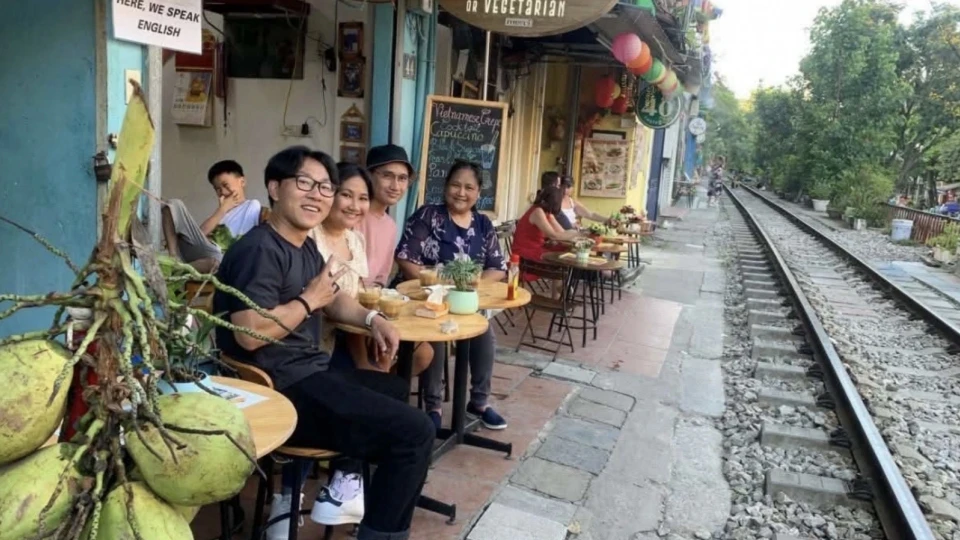
Vietnam rises as top destination for Filipino travelers
VOV.VN - Images of Vietnam’s landscapes, cuisine and travel experiences have appeared with increasing frequency across Philippine media outlets in recent months, reflecting the country’s growing appeal among Filipino travelers.