

Vietnamnet
2149 newsArticles by author
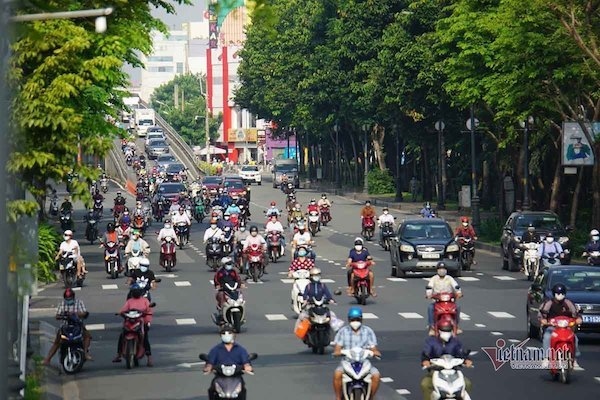
The cost of reopening the economy
Nearly two months have passed since Ho Chi Minh City and 18 southern provinces have lifted lockdown measures and set up the "new normal", with the operations of people and enterprises gradually resuming.
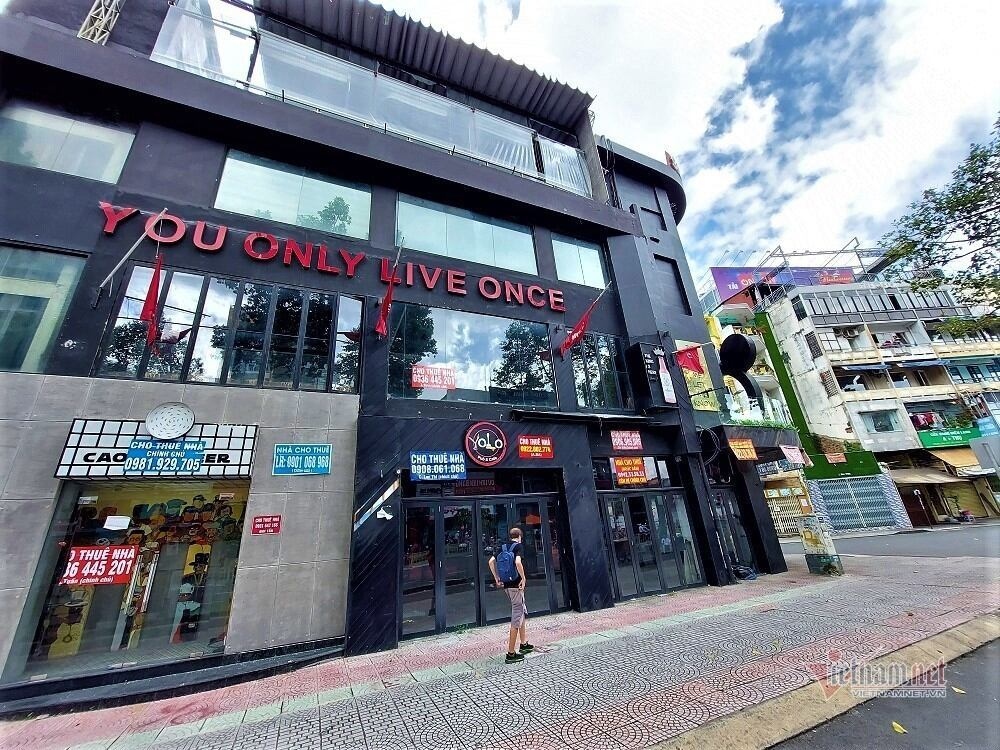
Bui Vien ‘western street’ no longer flashy or noisy
Hu tieu (noodle soup), milk tea, broken rice, snails and fried fish balls – the common dishes of Vietnamese – are being sold at shops on HCM City’s Bui Vien Street.

Land prices up in Hanoi, down in HCMC and neighboring provinces: report
Land prices in Hanoi stayed at high price levels in the third quarter, while they decreased slightly by 5-7% in some projects in Ho Chi Minh City, according to Ministry of Construction’s (MOC) real estate bulletin on the third quarter.

Single’s Day 11/11: millions of products at super-low prices
E-commerce platforms have launched sale promotion programs for Single’s Day November 11, the biggest shopping event of the year, promising big sales on millions of items.

China’s new regulations result in more barriers to access its huge market
China is no longer an easy market and if Vietnamese businesses don’t change their business strategies, it will be more difficult to enter the huge market.
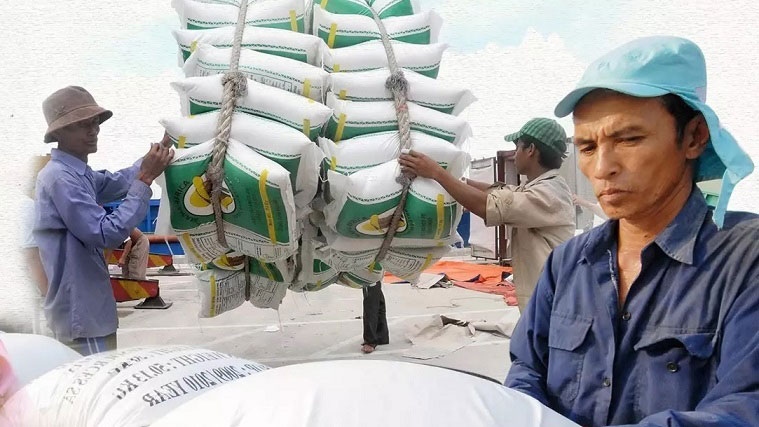
The qualitative transformation of Vietnam’s rice
The structure of Vietnam's rice for exports has shifted towards increasing the proportion of high-value-added rice varieties and reducing the rate of low-grade rice products.

Running tourism firms now is as risky as trading in stocks: company director
The complicated pandemic developments, plus the inconsistency in anti-pandemic policies in localities, have made travel firms feel as if they are walking a tightrope.
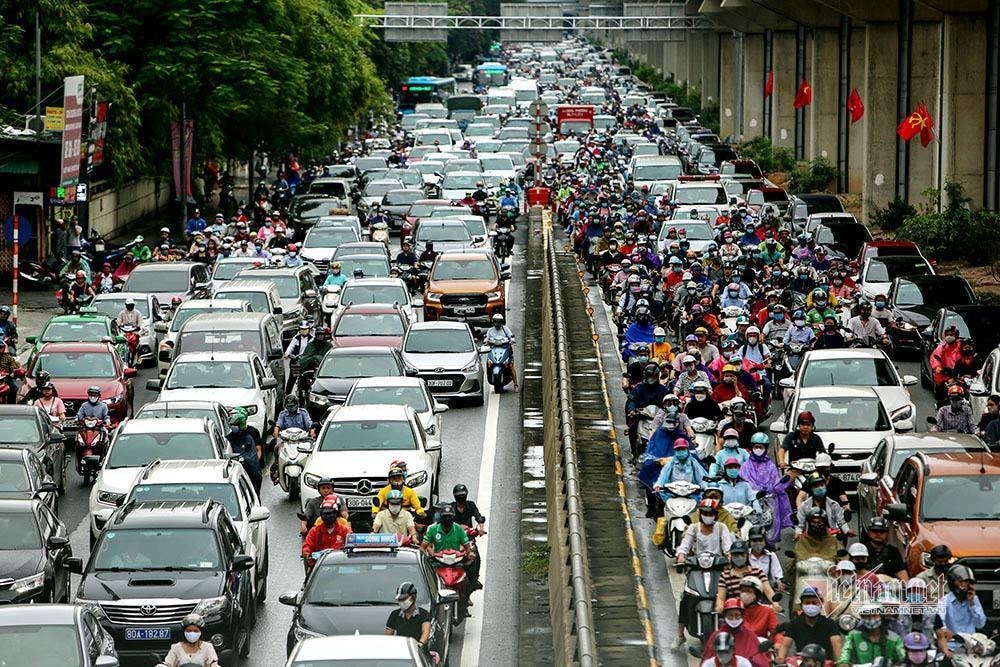
Hanoi to collect up to VND60,000 from cars entering inner city
Owners of cars with under nine seats entering the inner city area on ordinary days would pay tolls between VND25,000 and VND60,000.

Everyone needs to be extremely cautious: HCM City health authorities
Ho Chi Minh City is now at Level 2 of pandemic risk, but its response scenario is at Level 3. The healthcare department believes that city residents are underestimating pandemic risks.
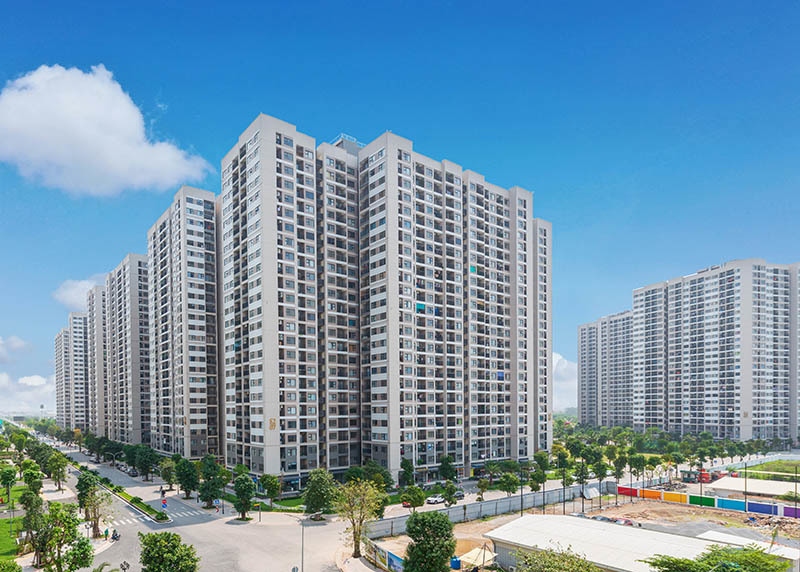
Apartment prices soar, buyers worry
The pandemic and social distancing have not restrained apartment price increases. Even with VND1.5 billion, it’s difficult to buy an apartment in the Hanoi suburbs.