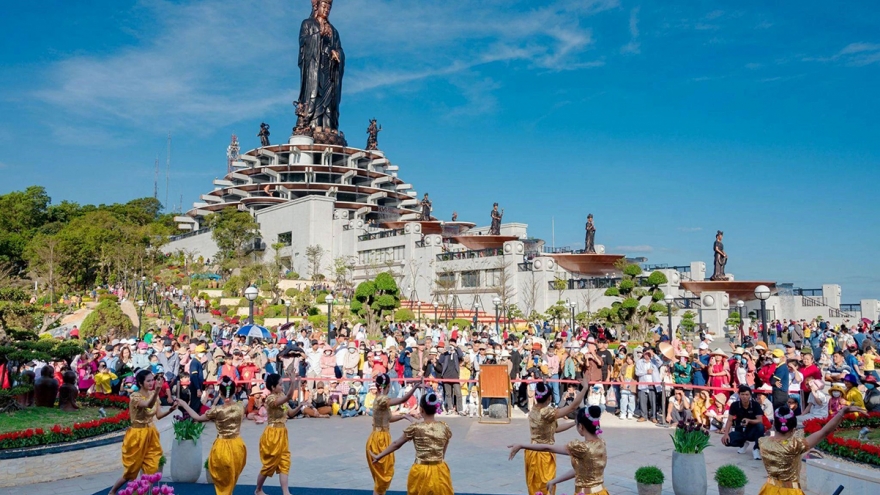
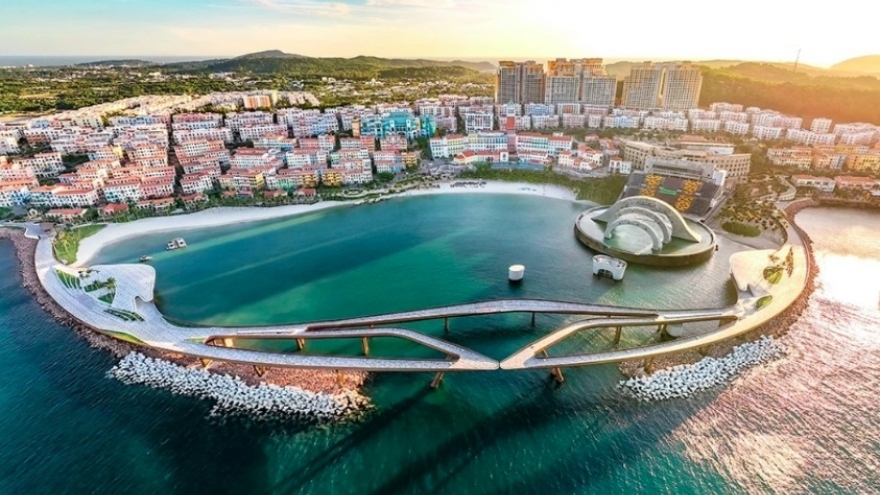
Tourism industry shifts to quality-led growth for sustainable expansion

VOV.VN - Vietnam’s tourism industry enters 2026 with a renewed focus on quality-driven growth after a historic recovery in 2025, as policymakers and sector leaders urge a shift from sheer visitor numbers toward enhanced experiences, sustainable development and repeat visits.
Record recovery in 2025

The local tourism industry achieved notable milestones in 2025, surpassing pre-pandemic levels. Official figures show the country welcomed more than 21.5 million international visitors, the highest on record, along with 135 million domestic holidaymakers and total revenue approaching VND1 quadrillion (approximately US$40 billion).
In the first half of 2025 alone, the country recorded nearly 10.7 million foreign visitors, up more than 20% year on year. January arrivals reached nearly 2.1 million, exceeding comparable pre-pandemic levels in 2020.
Deputy Minister of Culture, Sports and Tourism Ho An Phong, during a ceremony marking Vietnam’s 20 millionth international tourist in December 2025, said that the milestone “is even more meaningful as it comes after an unprecedented period of global tourism difficulty caused by COVID-19.” He noted that Vietnam’s sustained growth, with12.6 million visitors in 2023, 17.6 million in 2024 and over 21.5 million in 2025, reflects “the industry’s tireless efforts, spirit of innovation and aspiration to rise.”
According to assessments by UN Tourism, Vietnam’s tourism growth rate significantly exceeded global and regional averages, placing the country among those with the fastest post-pandemic rebound.
From quantity to quality
Despite strong recovery, industry specialists emphasise that future success hinges on improving visitor experience, service standards and sustainability, rather than focusing solely on arrival counts.
“Recovery in terms of arrivals is only the first step,” said tourism analyst Le Minh Tri. “A true breakthrough comes when visitors choose to return again because they value the depth and authenticity of their experience.”
This quality-centred approach is reflected in recent trends showing a decline in “zero-cost tours” and a diversification of source markets, with significant growth from countries like India. Deputy Minister Ho An Phong highlighted that Vietnam’s international market is becoming more balanced and less dependent on a handful of traditional markets.
To support quality-led growth, policymakers and industry leaders have set out a series of strategic priorities centered on enhancing visitor experience and long-term competitiveness. These include diversifying tourism products toward more experiential offerings, from culinary and cultural immersion to wellness retreats and community-based tourism, designed to encourage deeper engagement and longer stays.
At the same time, authorities are placing stronger emphasis on improving service professionalism and foreign-language capacity across the industry, viewing human resource development as essential to raising overall standards. Sustainable tourism practices are also being promoted, with greater attention to environmental protection, smart tourism ecosystems and ensuring that local communities benefit from tourism expansion.
A senior official from Ho Chi Minh City’s tourism authority said that coordinated investment in infrastructure, digital transformation and themed tourism products, including heritage routes inspired by the “Nam Kỳ lục tỉnh” cultural space and expanded nighttime economy initiatives, has helped strengthen the city’s competitiveness as a regional destination.
2026 outlook and beyond
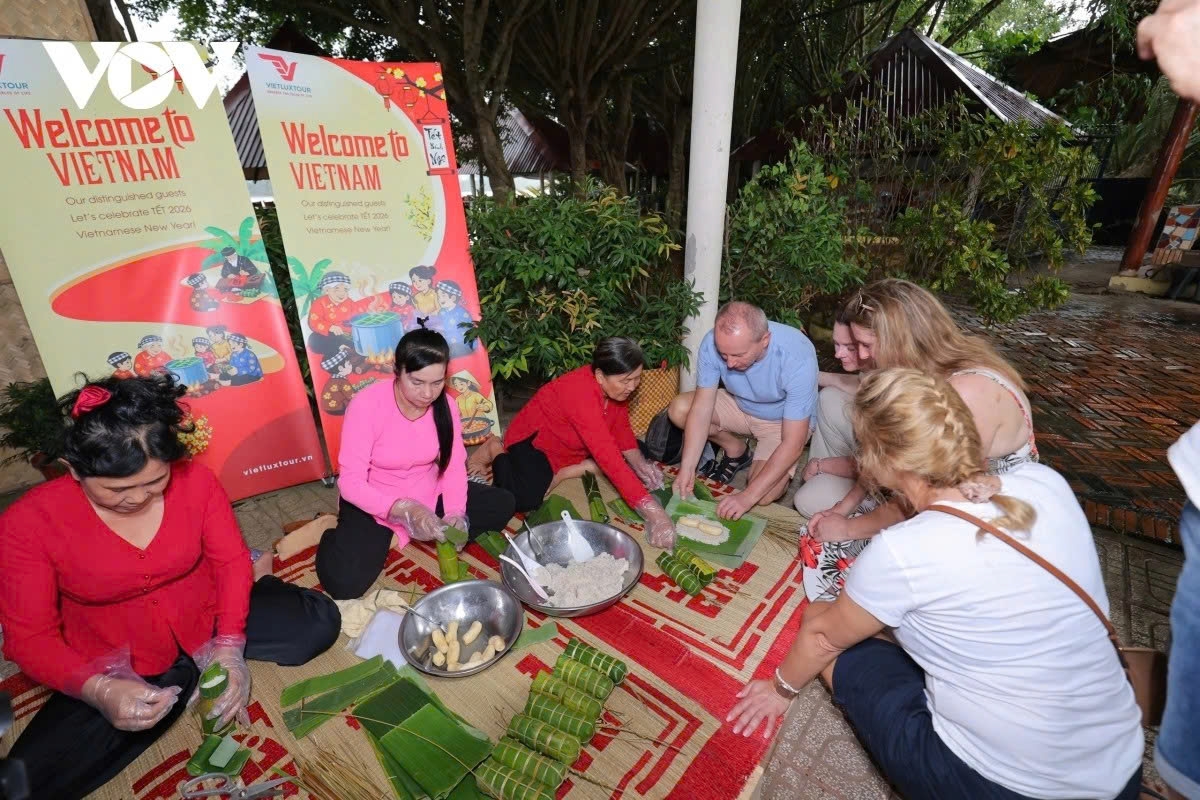
As Vietnam moves into 2026, the tourism industry has set ambitious but more nuance-oriented targets, including 25 million international visitors and 150 million domestic trips, alongside sustained efforts to boost visitor spending and length of stay.
Deputy Minister Ho An Phong reiterated that growth will not be pursued “at all costs,” but will prioritise healthy, balanced and sustainable development, taking advantage of Vietnam’s rich cultural and natural resources.
Industry stakeholders also point to rising demand from high-value segments and markets such as Europe, North America and the Middle East, which are showing stronger interest in multi-destination journeys and experiential travel.
Vietnam’s tourism strategy increasingly ties into its cultural diplomacy efforts. Major international fairs, themed festivals and coordinated promotions abroad have raised awareness of Vietnam’s heritage and tourism offerings.
Industry awards such as the Vietnam Tourism Awards 2025, reinstated after five years, have been used to honour outstanding businesses and to encourage innovative, sustainable practices among operators. Nguyen Trung Khanh, director of the Vietnam National Authority of Tourism, noted the awards are intended to “enhance international integration and competitiveness of Vietnamese tourism.”
Vietnam’s tourism recovery in 2025 demonstrates resilience and adaptability. Yet industry leaders agree that the next phase of growth will rest on quality, sustainability and repeat visitation, rather than headline numbers alone.
As the country looks to 2026 and beyond, the emphasis on high-quality, culturally rich and sustainable tourism experiences reflects a strategic shift toward long-term competitiveness on the global stage, inviting visitors not just to travel once, but to come back again and again.

Vietnam leads growth in Russian tourist arrivals in 2025
VOV.VN - Vietnam emerged as the fastest-growing overseas destination for Russian tourists in 2025, as outbound travel from Russia rose sharply following the reopening of large-capacity markets, according to industry data.