Beyond 20 million visitor mark: A new test for Vietnam’s tourism industry

VOV.VN - Vietnam has passed the 20 million international visitor mark in 2025, setting a tourism record and opening a new phase in which growth is increasingly tempered by sustainability concerns.
Post-pandemic tourism on a strong recovery track
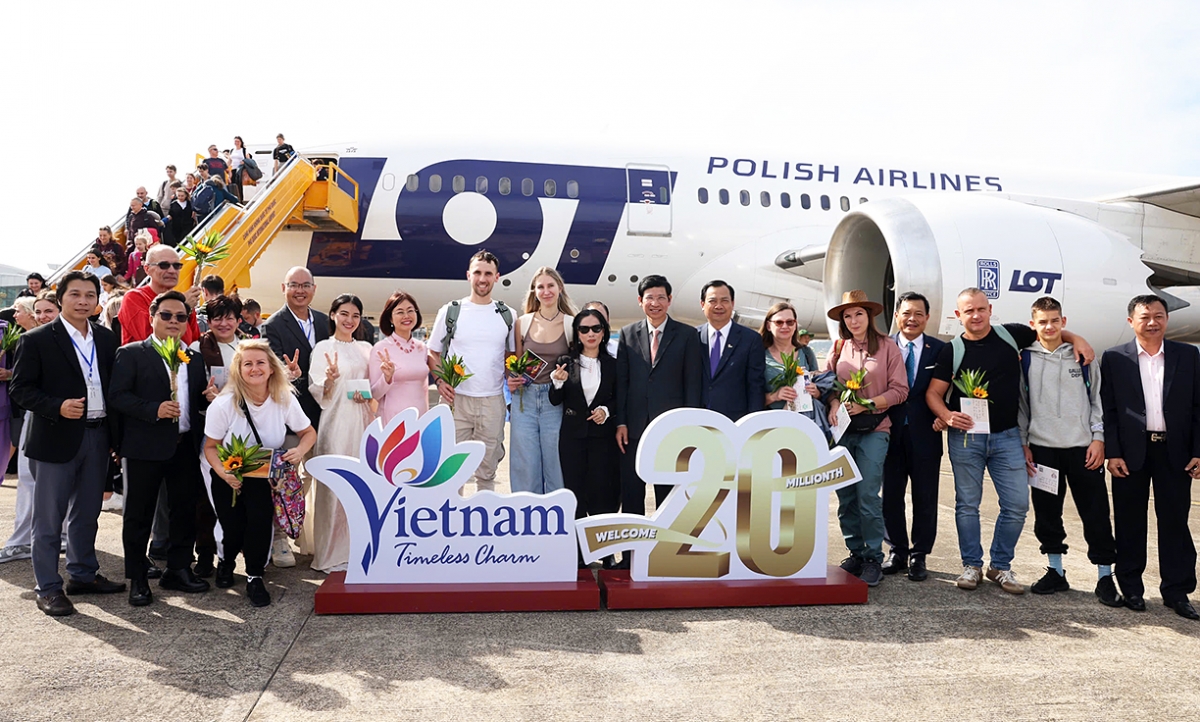
Vietnam has officially welcomed its 20-millionth international visitor in 2025, marking the first time in more than six decades of development that the country’s tourism industry has reached this milestone within a single year. Beyond a record-breaking figure, the achievement highlights the industry’s strong recovery and renewed growth momentum following the unprecedented disruption caused by the COVID-19 pandemic.
International arrivals stood at around 10 million in 2016, rose to 18 million in 2019, and have now surpassed 20 million in less than a decade, effectively doubling the scale of Vietnam’s inbound tourism market. In the first 11 months of 2025 alone, the country welcomed more than 19.15 million international arrivals, up 20.9% year on year and well above pre-pandemic levels. Total arrivals for the full year are projected to exceed 21 million, underscoring the industry’s resilience and its role as a key driver of economic spillover effects.
According to Deputy Minister of Culture, Sports and Tourism Ho An Phong, the 20-million milestone carries historic significance, demonstrating that Vietnam’s tourism industry has not only recovered but has sustained continuous growth since the country fully reopened to international travel on March 15, 2022. This performance has been supported by a series of policy reforms, including expanded visa exemptions, the rollout of e-visas and longer stays, stronger air connectivity with key markets, technology-driven promotion campaigns, enhanced public–private cooperation, product diversification, service quality upgrades, and improved state management.
Tourism’s impact on communities
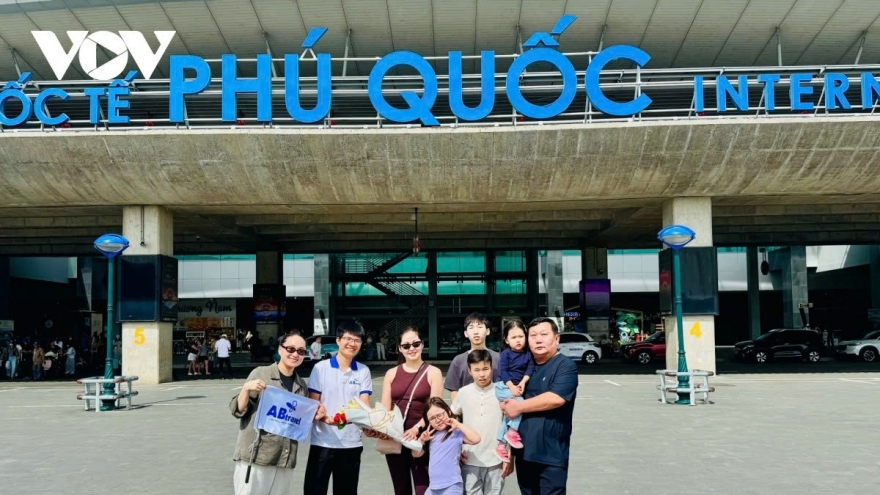
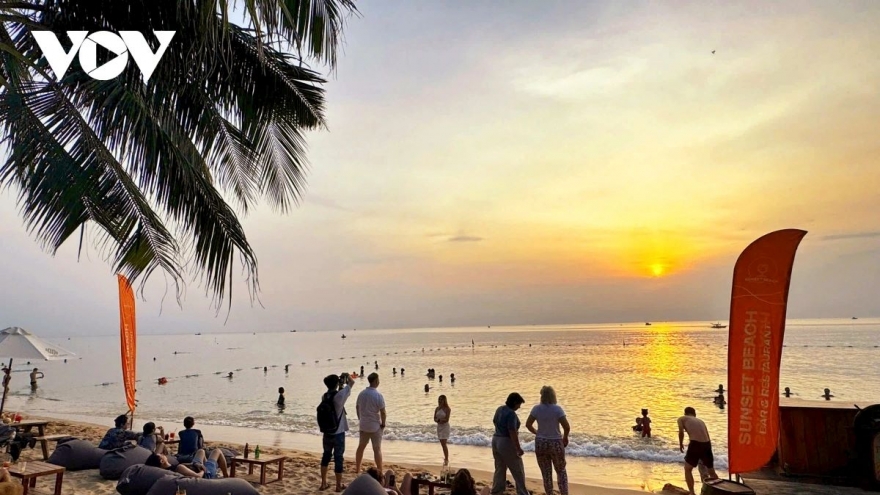
At many destinations, the growth of tourism is felt not only in statistics but in everyday life. Phu Quoc, where the 20-millionth international visitor was welcomed, illustrates how tourism has reshaped the local economy and urban landscape. Many residents have shifted from traditional livelihoods to tourism-related services such as accommodation, food and beverage, transportation and guiding, leading to higher incomes and improved living standards.
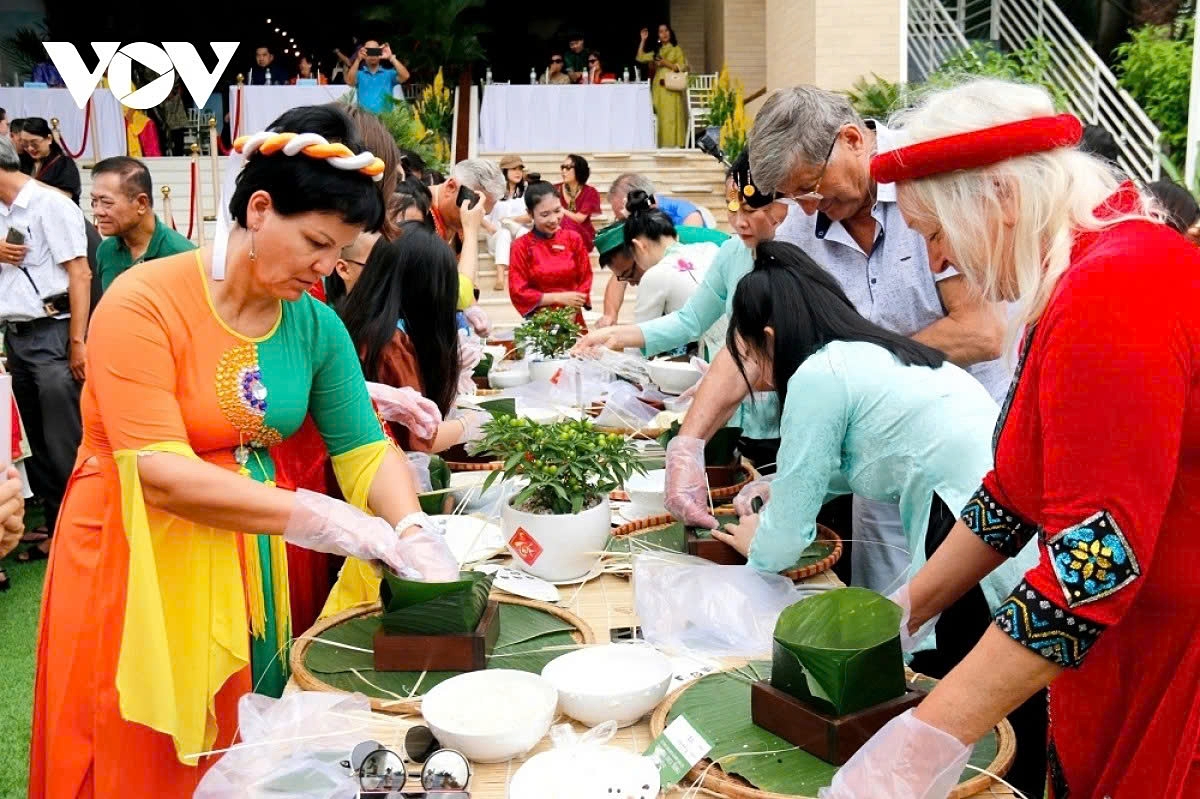
In Hoi An, historic houses have been repurposed into homestays, cafés and handicraft shops, allowing traditional cultural values to be revived through tourism. In destinations such as Ninh Binh, Sa Pa, Ha Giang and Lung Cu, community-based tourism has opened new development pathways, reducing reliance on seasonal agriculture and creating alternative sources of income.
Yet, these benefits come with trade-offs. As tourism becomes a primary livelihood, households are increasingly exposed to market fluctuations and seasonal demand. Living spaces shrink, boundaries between private life and commercial activity blur, and the cost of living rises in line with tourism-driven price levels. In places like Phu Quoc, residents not directly engaged in tourism still face indirect pressure from escalating land prices, rents and daily expenses.
Growth by volume

With international arrivals surpassing 20 million, Vietnam’s tourism industry is entering a phase that experts describe as leaving little room for complacency. Rapid, volume-driven growth has delivered impressive headline numbers but has also exposed long-accumulating structural constraints.
At major destinations such as Hoi An, Phu Quoc, Ha Long Bay and Sa Pa, overcrowding during peak seasons has become increasingly visible. Pressure on transport infrastructure, the environment and natural landscapes is mounting, spilling over into community life and diminishing the quality of visitor experiences. Once a destination reaches saturation, tourism risks generating social and environmental costs that rarely appear in performance reports but can erode destination appeal over time.
Experts warn that continued reliance on visitor numbers as the primary growth metric could trap Vietnam’s tourism industry in a cycle of declining quality and competitiveness. A more sustainable path lies in shifting focus from visitor counting to value creation by increasing spending per visitor, extending length of stay, redistributing tourist flows across regions and seasons, and safeguarding the living spaces of local communities.
A milestone, not the destination
Choosing Phu Quoc as the site to mark the 20-million-visitor milestone carries symbolic meaning, reflecting a development model built on open policies, integrated infrastructure, diversified products and international-standard management. At the same time, Phu Quoc also highlights the major challenge now facing Vietnam’s tourism industry that is how to ensure growth does not undermine its own foundations.
In an increasingly competitive global tourism landscape, international arrivals are not merely a market indicator but a measure of trust. The 20-million milestone confirms international confidence in Vietnam as a safe, stable and experience-rich destination. Sustaining that trust, however, will require more than record-setting numbers.
The crux of the matter is to convert quantitative growth into qualitative progress, by improving products, services and visitor experiences; protecting the environment and community living spaces; and building a tourism industry that is resilient, adaptive and capable of delivering long-term economic and social value.

Vietnam welcomes 20 millionth international visitor in 2025
VOV.VN - Vietnam welcomed its 20 millionth international visitor of 2025 on December 15, marking a milestone for the country’s tourism industry as it surpassed 20 million foreign arrivals in a single year for the first time.