
Tag: Chinese scholar
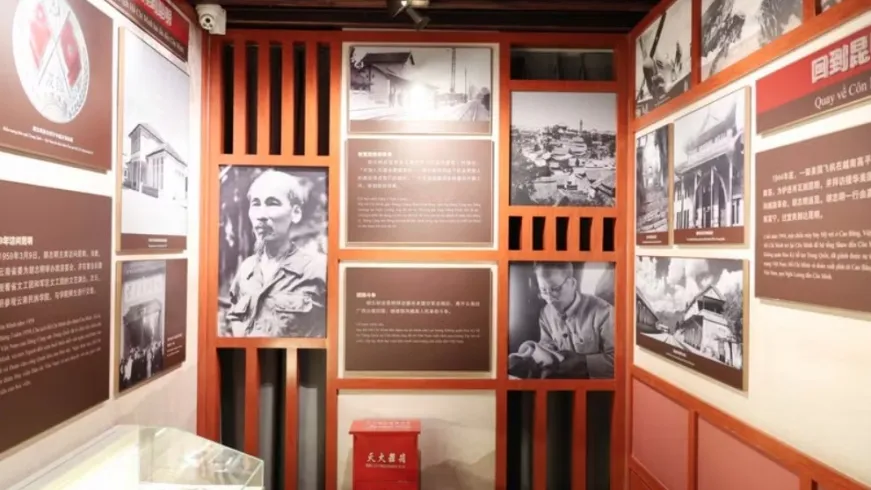
Chinese scholar reflects on President Ho Chi Minh’s footsteps in Guangxi
President Ho Chi Minh’s years of revolutionary activities in China were decisive in shaping both his political ideology and strategy for liberating Vietnam, Chinese cultural and historical scholar Xie Chaode told Vietnam News Agency reporters in Beijing.
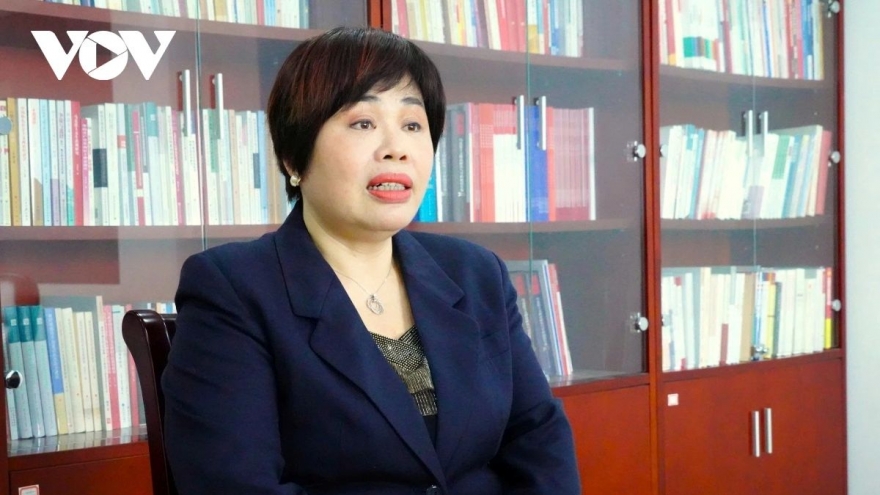
Chinese scholar calls Vietnamese leader’s China visit ‘historic’, highlights strategic connectivity
VOV.VN - The state visit to China by Party General Secretary and President To Lam has been described as “historic” by a leading Chinese expert, underscoring a new phase of stronger strategic connectivity and deeper, more practical cooperation between Vietnam and China.
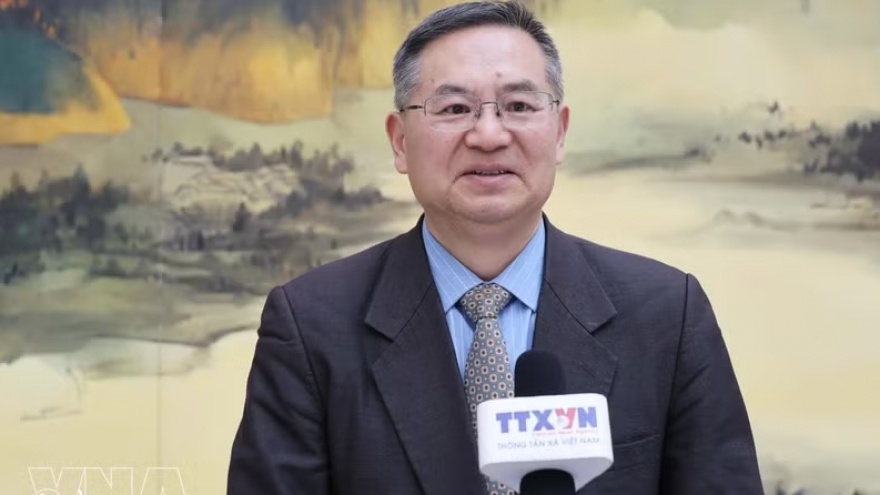
Chinese scholar highlights Vietnamese leader’s visit in bilateral ties
A Chinese scholar has underscored the importance of General Secretary of the Communist Party of Vietnam (CPV) Central Committee and State President To Lam’s upcoming visit to China in further consolidating and effectively implementing the “six major orientations” in bilaterael relations.
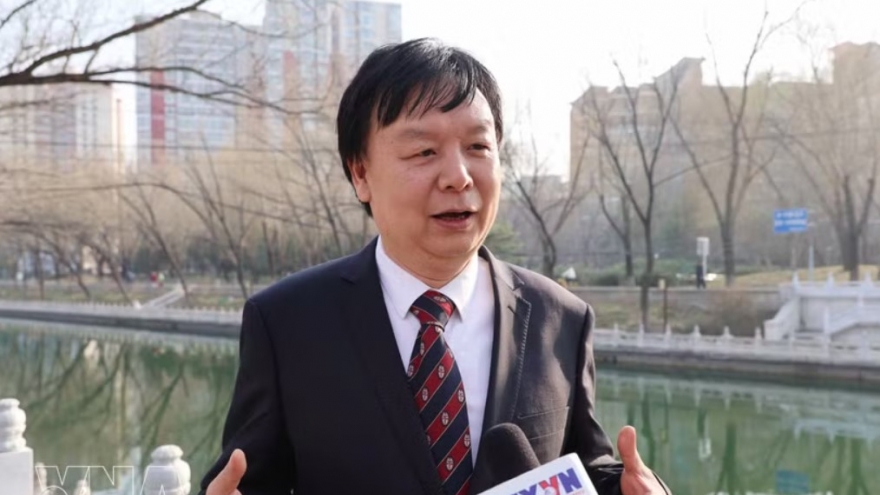
High level visit helps shape bilateral relations between Vietnam, China
The upcoming state visit to China by Party Secretary General and State President To Lam from April 14 – 17 holds particular significance for the development of relations between the two Parties, and between the two countries, according to a Chinese scholar.
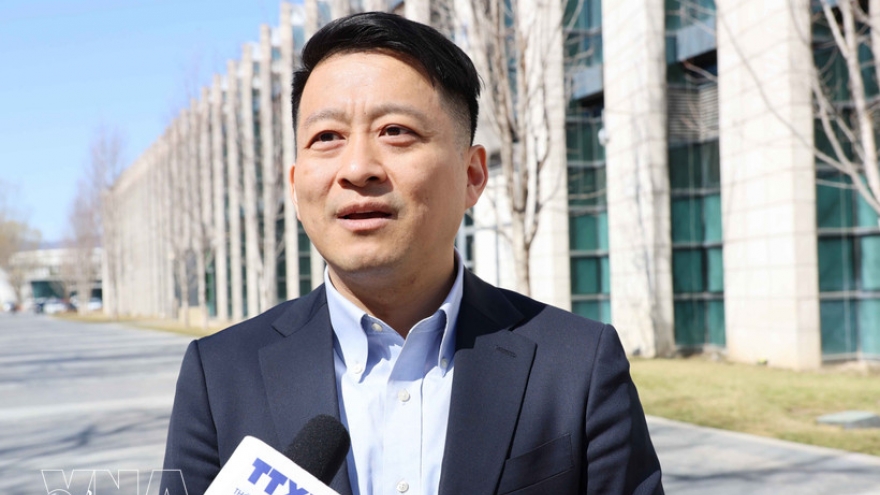
Chinese scholar highlights Vietnam election’s role in new development phase
A Chinese scholar has highlighted the significance of Vietnam’s election of deputies to the 16th National Assembly and People’s Councils at all levels for the 2026–2031 term, describing the event as an important political milestone as the country enters a new stage in socio-economic development and national governance.
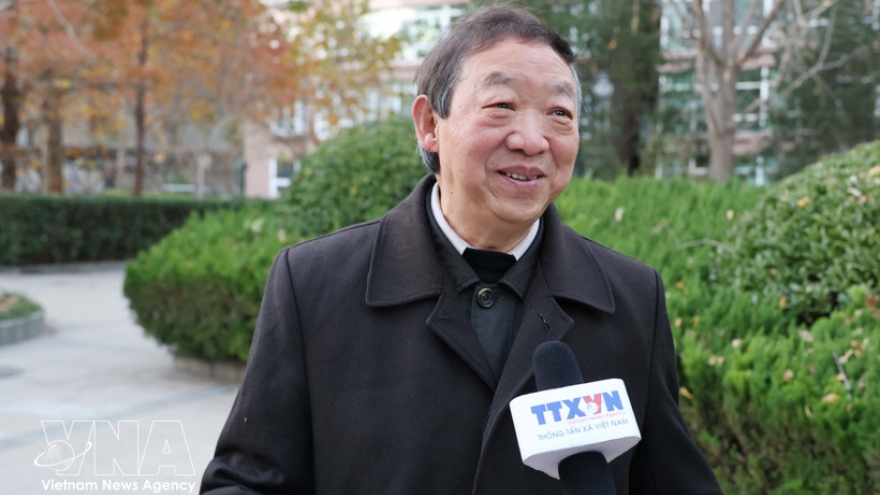
Chinese scholar highlights significance of Vietnam’s National Assembly election
Vietnam’s election of deputies to the 16th National Assembly and People’s Councils at all levels for the 2026–2031 tenure holds particularly important significance, said Professor Zhu Zhenming of the China (Kunming) Academy of South and Southeast Asian Studies.
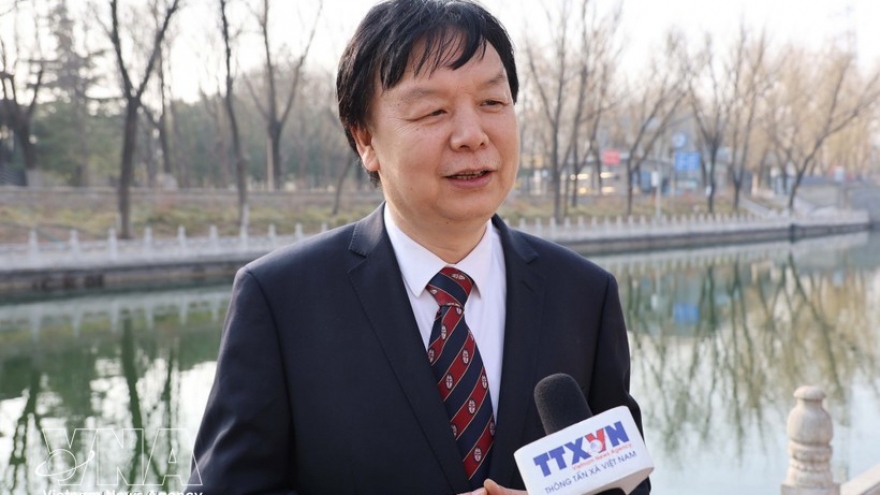
14th National Party Congress opens new stage in Vietnam’s growth: Chinese scholar
The 14th National Congress of the Communist Party of Vietnam (CPV) opened a new stage in Vietnam’s renewal and development process, according to Professor Mi Liang, Director of the Centre for Southeast Asian Studies at Beijing Foreign Studies University of China.
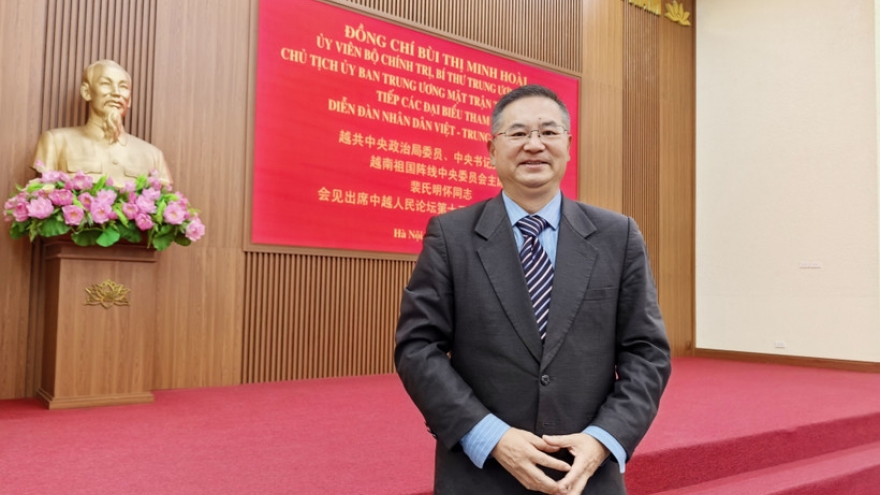
Chinese scholar highlights significance of Vietnam’s 14th Party Congress
The 14th National Congress of the Communist Party of Vietnam (CPV) holds practical significance that transcends the times, according to Prof. Dr. Cheng Hanping, Executive Director of the Institute for Regional and National Studies and Director of the Vietnam Studies Centre at Zhejiang University of Technology.
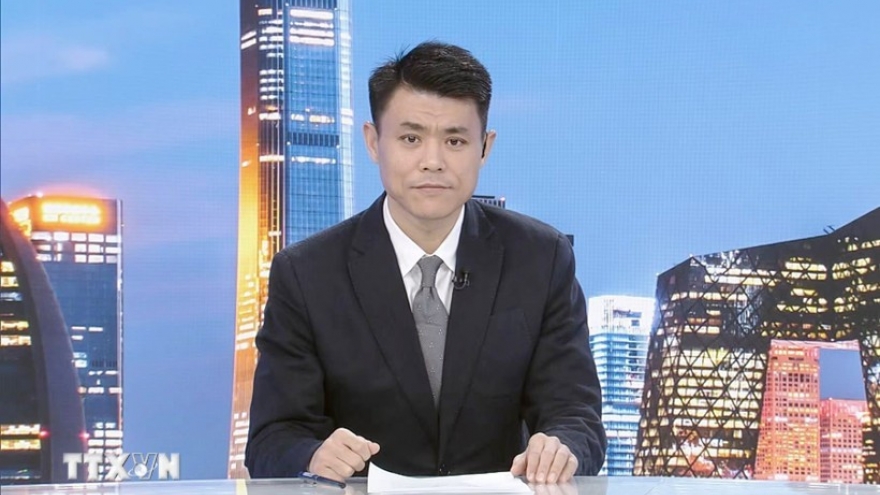
Theory of renewal guides Vietnam into new era: Chinese scholar
The 14th National Party Congress marks the beginning of a “new era” for Vietnam, and the theory underpinning the Doi Moi (renewal) policy serves as the ideological foundation guiding the country into this new phase, according to Wei Wei, a Vietnam studies expert in an interview with the VNA ahead of the the congress.
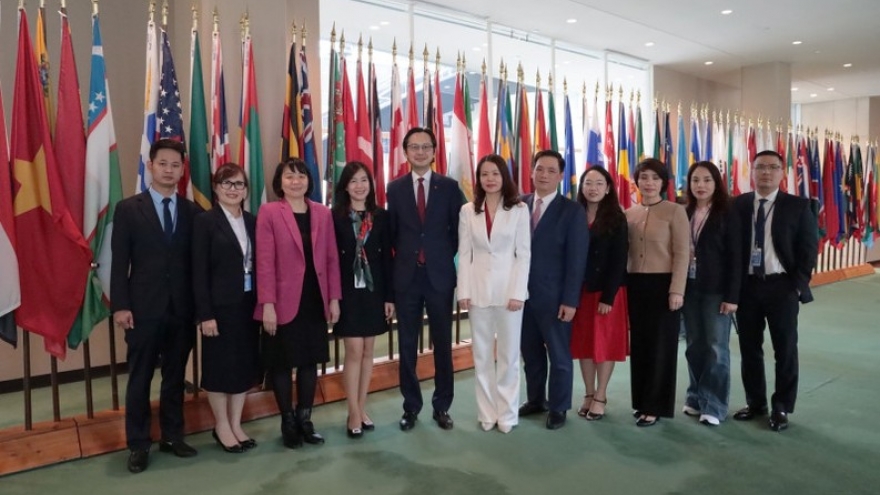
Chinese scholar praises Vietnam’s proactive and balanced foreign policy
VOV.VN - As Vietnam’s role and standing in the region and in the international arena continue to gain recognition, the country’s foreign policy in recent years has been assessed as proactive, substantive and delivering concrete results.