Chinese scholar calls Vietnamese leader’s China visit ‘historic’, highlights strategic connectivity

VOV.VN - The state visit to China by Party General Secretary and President To Lam has been described as “historic” by a leading Chinese expert, underscoring a new phase of stronger strategic connectivity and deeper, more practical cooperation between Vietnam and China.
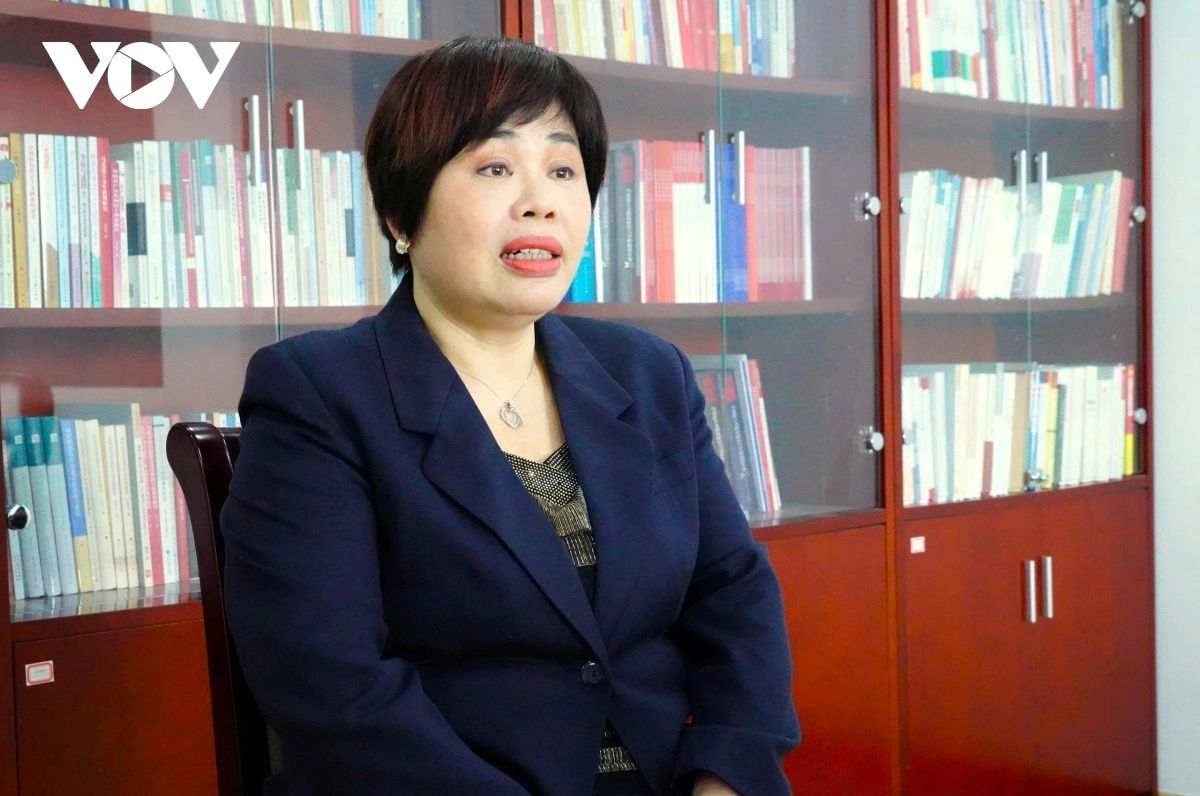
In an interview with Beijing-based VOV correspondents, Professor Pan Jin’e, a senior researcher at the Academy of Marxism under the Chinese Academy of Social Sciences, said the visit stood out for its scale, timing and substance, reflecting a significant elevation in bilateral ties.
According to the scholar, the visit marked a qualitative shift from traditional political trust to what both sides now define as “strategic connectivity”, a more comprehensive and deeper form of cooperation.
She noted that the timing of the visit, shortly after the Vietnamese leader assumed the presidency, reaffirmed Vietnam’s consistent policy of prioritising relations with China as a “strategic choice” and “top priority” in its foreign policy.
On the Chinese side, top leader Xi Jinping reiterated that regardless of global changes, relations with Vietnam remain a priority in China’s neighbourhood diplomacy, highlighting the long-term strategic importance Beijing attaches to Hanoi.
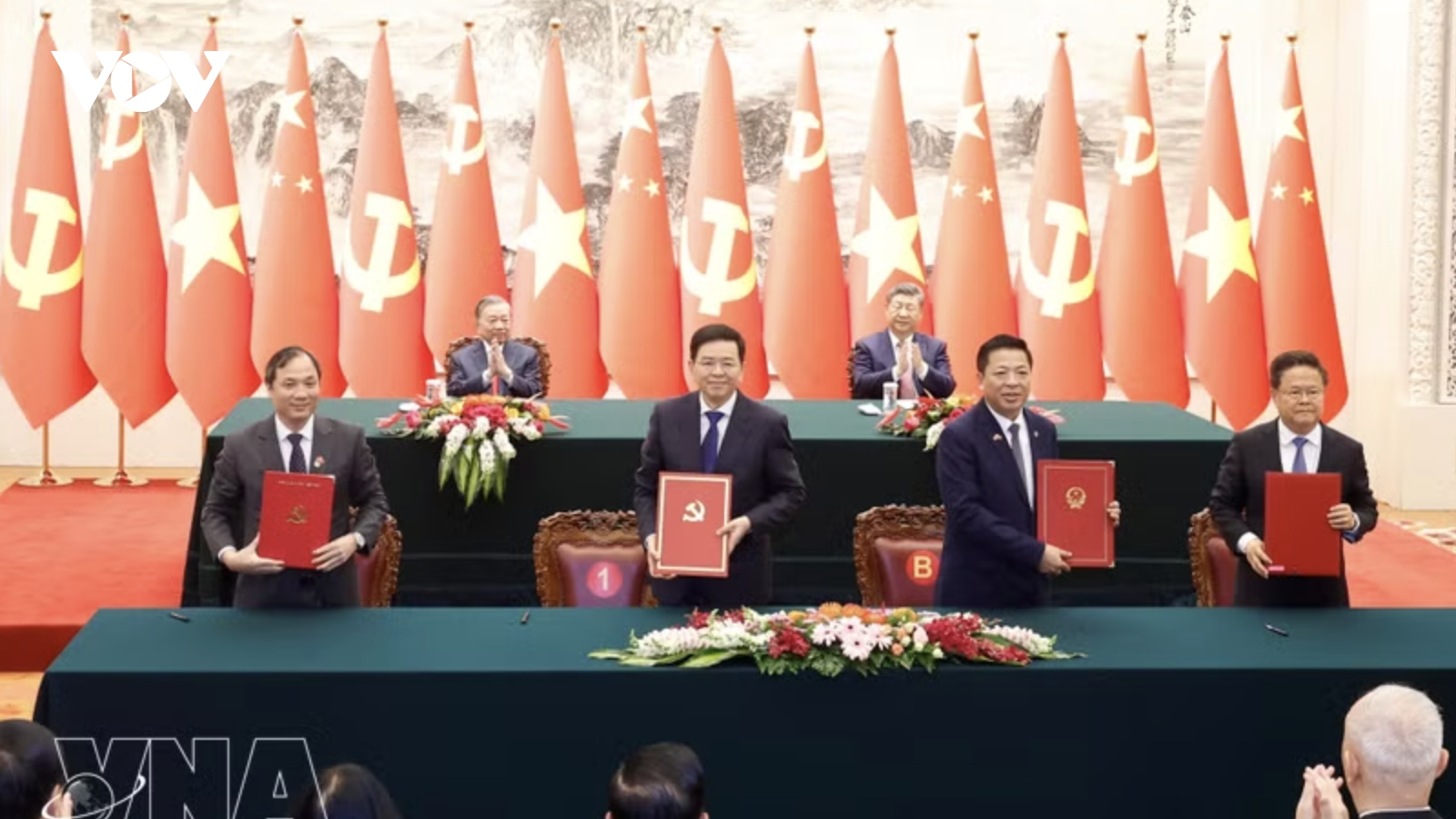
Beyond political messaging, the visit delivered tangible outcomes, with 32 cooperation agreements signed across a wide range of sectors. These include party-to-party cooperation, security and judicial collaboration, as well as economic areas such as railway connectivity, agricultural trade, industrial and supply chains, high technology, energy and logistics.
Professor Pan emphasised that such agreements demonstrate a shift toward more results-oriented and practical cooperation, particularly in emerging areas like cross-border economic zones and supply chain integration.
She added that these initiatives are expected to have “broad and far-reaching impacts” on bilateral cooperation in the coming years.
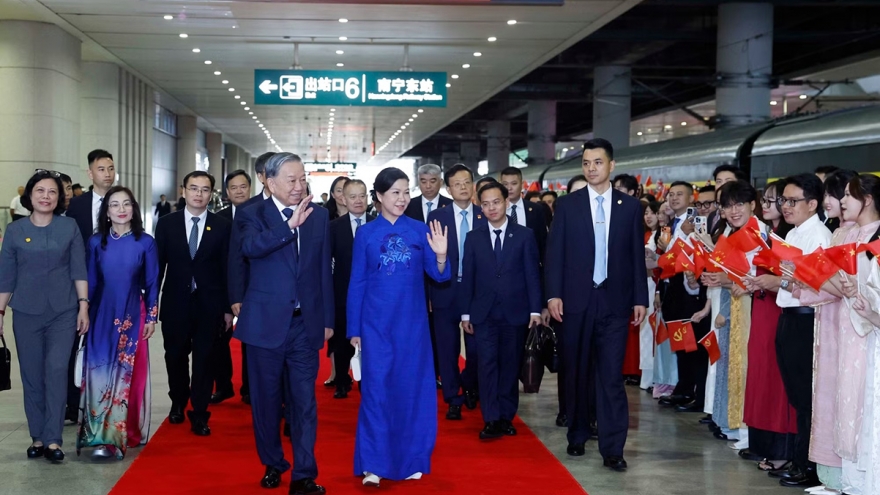
The visit also featured several unprecedented elements, including high-speed rail travel between cities such as Beijing and Nanning, which the scholar described as a strong signal of future infrastructure connectivity.
In addition, leader To Lam’s visit to the Communist Party of China History Museum reflected the unique nature of Vietnam–China relations, encompassing both state-to-state and party-to-party ties - a dimension she described as a shared strategic foundation.
Looking ahead, the Chinese expert stressed that the visit would influence cooperation at multiple levels, from strategic orientation to concrete implementation, while also fostering long-term goodwill, particularly among younger generations.
She highlighted that “strategic connectivity” would only be possible on the basis of strengthened political trust, but once established, it would enable broader, deeper and more sustainable cooperation.
Overall, the visit not only reaffirmed high-level political commitment but also laid the groundwork for more substantive, coordinated and forward-looking Vietnam–China relations.
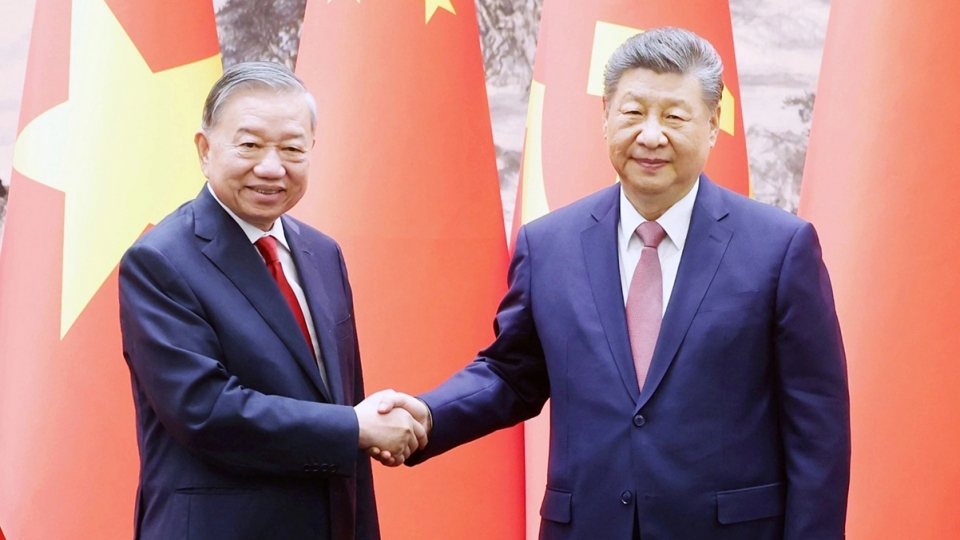
Top leader’s China visit yields comprehensive outcomes, sets direction for Vietnam-China ties
VOV.VN - The state visit to China by Party General Secretary and President To Lam, his spouse and a high-level Vietnamese delegation from April 14–17 has concluded with comprehensive and strategically significant outcomes, opening new directions for bilateral relations in the next phase of development.