National brand as a strategic asset in a new era

VOV.VN - Rising rapidly in global rankings, Vietnam’s national brand is emerging as a strategic asset, but sustaining this growth will require deeper innovation, stronger competitiveness and a long-term strategy to move beyond recognition toward global trust.
Amid intensifying globalisation and competition, a national brand is no longer merely symbolic but has become a strategic asset with tangible economic and political value. For Vietnam, as its national brand value has surged in recent years, efforts to build and position the brand are entering a new phase that requires a long-term vision and a more comprehensive approach.
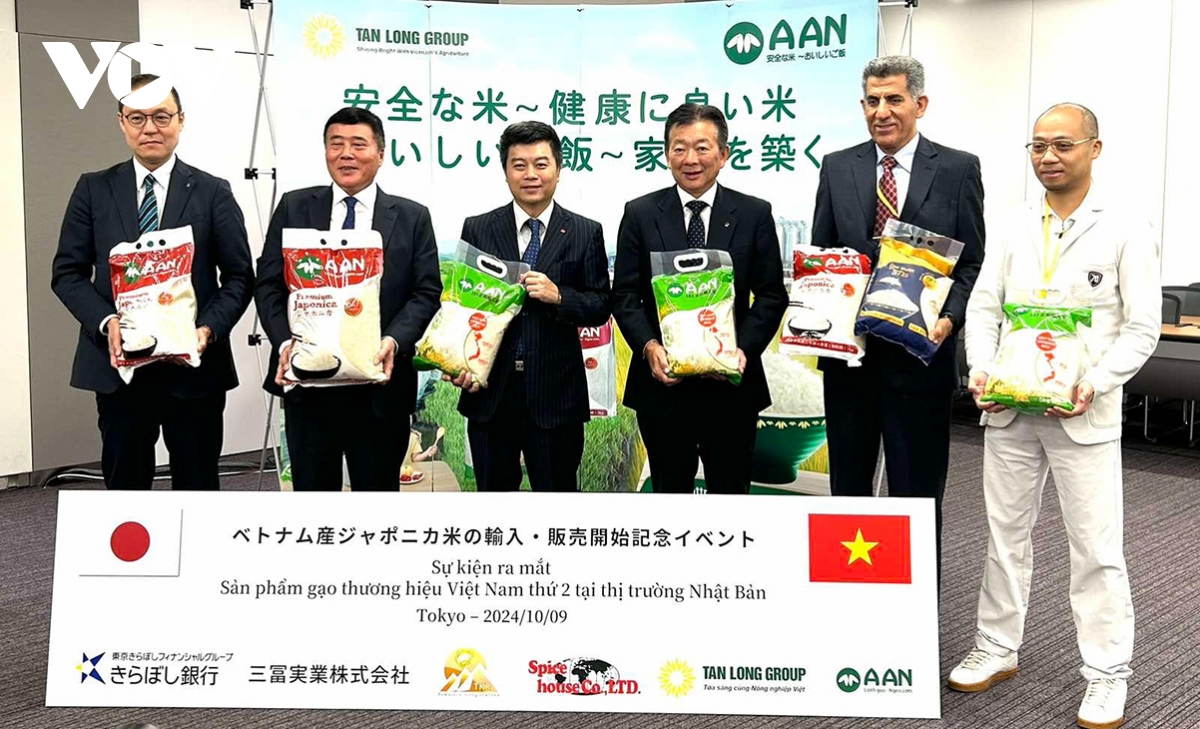
According to Brand Finance, Vietnam’s national brand value reached approximately US$519.6 billion in 2025, ranking 32nd globally. This marks an increase of over US$200 billion compared to 2020, placing Vietnam among the fastest-growing national brands worldwide.
This growth reflects not only economic expansion but also improvements in national reputation, competitiveness and global integration. The Ministry of Industry and Trade (MoIT) noted that a national brand goes beyond the “Made in Vietnam” label, encompassing product quality, corporate credibility and the country’s global image.
Rapid growth, but limited depth
Despite strong gains, Vietnam’s national brand still faces challenges in quality and sustainability.
Vu Ba Phu, director of the Trade Promotion Agency under the MoIT, says that while growth has been impressive, it “has yet to ensure sustainability and remains insufficiently linked to innovation depth.”
He adds that Vietnam’s evolving national brand strategy would focus on key pillars such as innovation, digital transformation and green growth that are seen as critical drivers to enhance brand value and competitiveness.
Echoing this view, Hoang Minh Chien, deputy director of the Trade Promotion Agency, stresses that a national brand is not only a promotional tool but also a foundation for strengthening Vietnam’s credibility and “soft power” on the global stage.
From recognition to trust
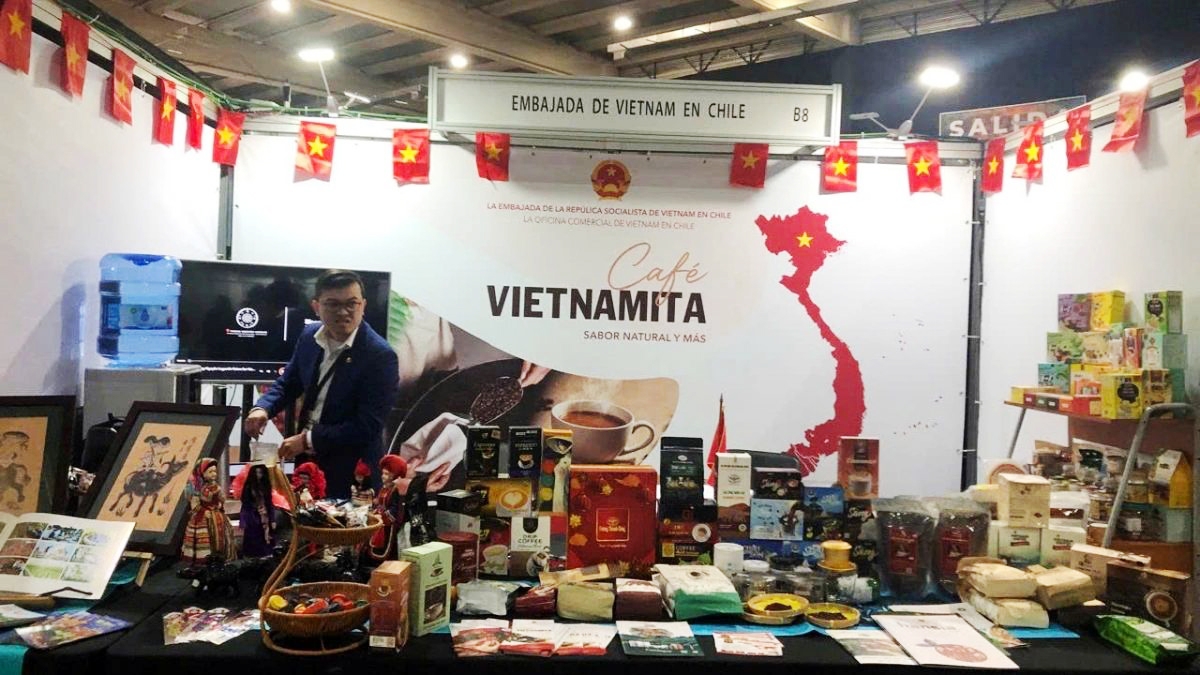
In the new era, national branding is increasingly tied to soft power - the ability to influence through reputation, culture and trust.
A strong national brand helps attract investment, expand exports and elevate a country’s global standing. However, Vietnam still needs to move beyond a growth model reliant on manufacturing.
Many firms are concentrated in the Original Equipment Manufacturing (OEM) production, while higher-value segments such as the Original Design Manufacturing (ODM) and the Original Brand Manufacturing (OBM) remain limited.
From an academic perspective, Santiago Velasquez from RMIT University Vietnam, notes that while Vietnam’s image has improved significantly, a gap persists between being “known” and being “trusted” - a core challenge requiring consistent, long-term strategy rather than short-term communication efforts.
Toward a long-term strategy
As Vietnam enters its 2026–2030 development phase, the national brand is expected to evolve beyond image promotion into a strategic asset reflecting core competitiveness and credibility within global value chains.
In an era where competition is defined not only by cost but also by value, national branding will play a pivotal role in shaping Vietnam’s position.
From a low-cost manufacturing hub, Vietnam now has the opportunity to transform into an economy driven by innovation, quality and trust.
Vietnam National Brand grows fast in quantity, not yet strong in quality
VOV.VN - Vietnam National Brand value has grown rapidly in recent years but is not yet strong, as the country still mainly participates in low-value segments of the global supply chain, focusing on processing, while capacity in design and building own brands remains limited.