Phở – from street food to Vietnam’s ‘cultural ambassador’

VOV.VN - As global competition increasingly extends into culture, Vietnam’s iconic Phở has emerged as a widely recognised culinary symbol worldwide, yet its influence has largely spread organically, prompting questions about how it can be strategically developed into a true cultural ambassador and soft power asset.
A rising form of soft power in a globalised world
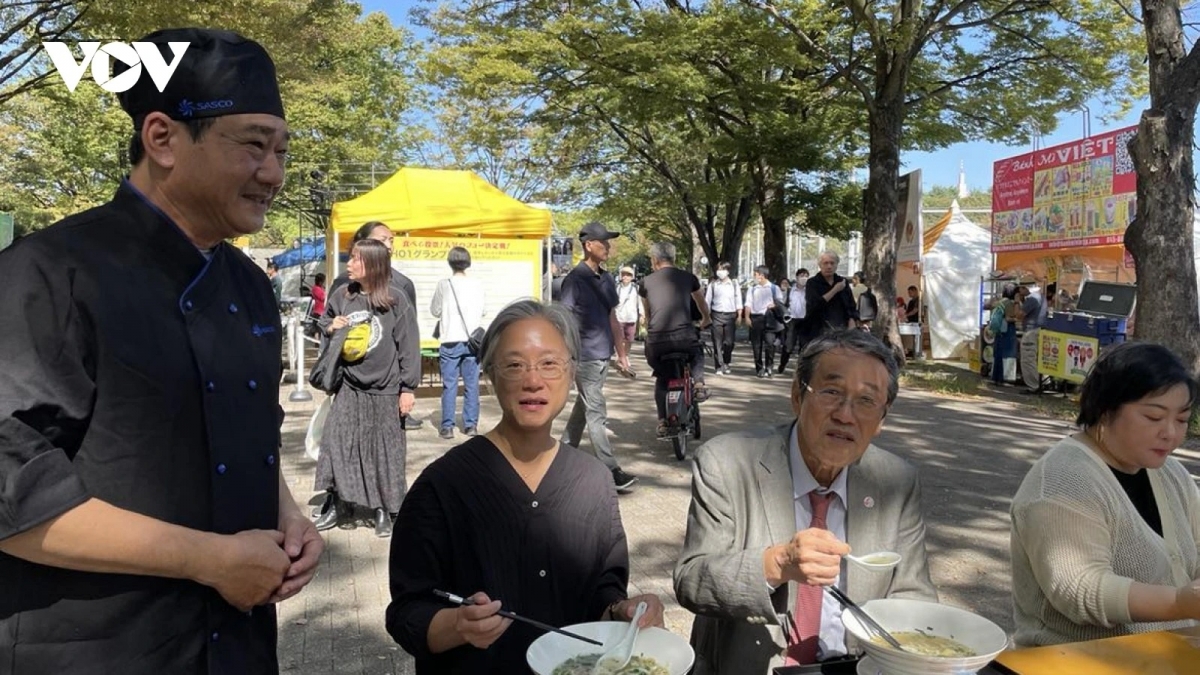
In an era of deepening globalisation, cuisine has evolved beyond a basic consumer need into a powerful tool for countries to promote their image and enhance “soft power.” With Phở (noodle soup), Vietnam appears to possess a cultural symbol with strong global appeal. However, this influence has largely developed organically, raising the question of whether Phở has truly become a “cultural ambassador” in a strategic sense.
In reality, Phở has long transcended its role as a traditional dish to become a familiar presence in international life. In major cities such as New York, Paris, and Tokyo, Phở is widely available not only within Vietnamese communities but also across mainstream restaurant systems serving local diners. International media outlets like CNN frequently describe Phở as a “signature Vietnamese dish,” while global culinary rankings by TasteAtlas consistently place it among the world’s standout foods.
This widespread presence suggests that Phở has become a form of “spontaneous soft power,” spreading through market forces and lived experience rather than through a coordinated national branding strategy.
Cultural storytelling and identity as competitive advantages
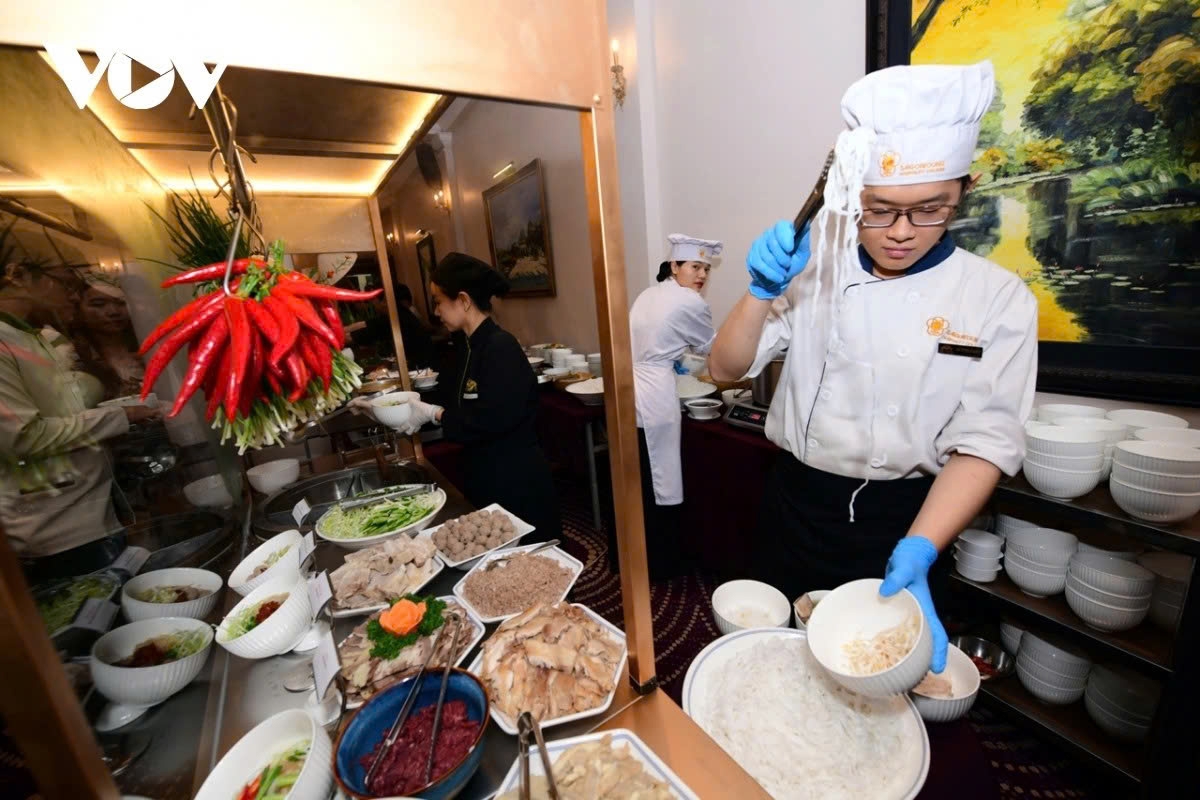
One key factor behind Phở’s global appeal lies in its recognisability and ability to convey cultural narratives. Unlike many dishes with complex names or unfamiliar flavours, Phở is relatively easy to pronounce and remember across languages. More importantly, it carries a clear story about Vietnamese culture, from the meticulous broth-simmering process and the use of distinctive herbs to breakfast habits and the rhythm of urban life.
From the perspective of cultural diplomacy, such symbolic richness and storytelling capacity are essential conditions for cultural values to spread and gain acceptance internationally.
Moreover, Phở retains a strong Vietnamese identity even as it globalises. Despite variations, its core structure, including broth, rice noodles, and signature herbs, remains intact. This makes Phở a recognisable “cultural code,” similar to Sushi of Japan or Kimchi of the Republic of Korea. For many international visitors, Phở is often the first dish associated with Vietnam, giving the country a distinct advantage in nation branding.
From organic popularity to strategic cultural diplomacy
However, from a strategic standpoint, Phở has yet to fully function as a true “cultural ambassador.” According to Professor Joseph Nye of Harvard University, soft power lies in the ability to attract and persuade through culture, values, and policies rather than coercion. From this perspective, cultural influence depends not only on intrinsic appeal but also on how effectively a country directs, invests in, and leverages it.
In the case of Phở, the lack of a standardised origin narrative and a unified global identity has limited its symbolic potential. While countries like Japan and the Republic of Korea have developed national culinary strategies, by integrating food into cultural diplomacy, tourism promotion, and national branding, Phở has largely grown in a fragmented manner, without standardised global chains or a strong supporting ecosystem.
Seeking UNESCO title
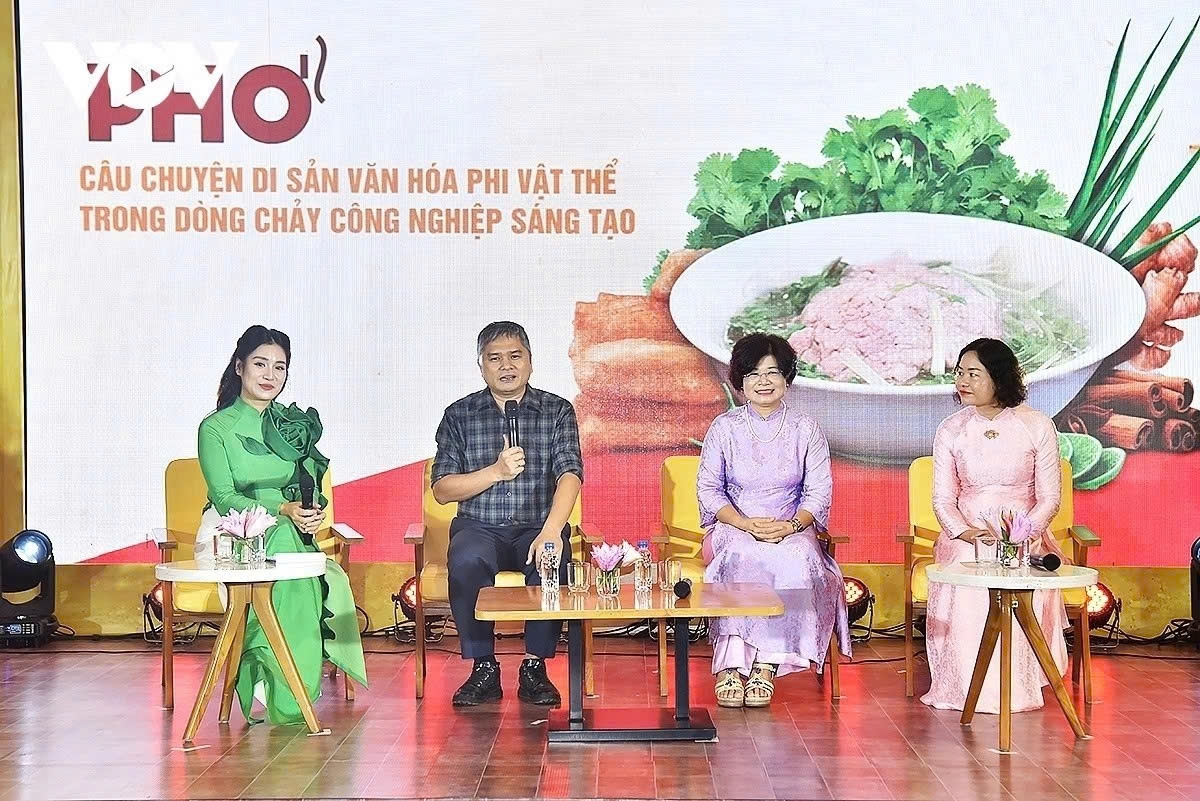
Recent policy developments indicate that Vietnam is beginning to approach Phở in a more structured and strategic way. In Hanoi, authorities are implementing a plan to preserve and promote “Phở Hanoi” as intangible cultural heritage, while preparing a dossier to seek recognition from UNESCO for inclusion in the Representative List of the Intangible Cultural Heritage of Humanity. The dossier is expected to be developed in 2026 through inter-sectoral coordination, aiming not only to meet international standards but also to elevate Vietnam’s cultural standing globally.
At the same time, promotional efforts are expanding through digital platforms, including the creation of databases and maps of traditional Phở establishments, as well as events such as “Phở Heritage Day” to spread cultural values domestically and internationally. These efforts reflect a shift from mere preservation to leveraging heritage as a driver of cultural industries and tourism.
According to Pham Thi Thanh Huong from the UNESCO Office in Vietnam, “Phở” has already become an international term that requires no translation. With its refined culinary knowledge and distinctive dining culture, Vietnamese Phở meets the criteria to represent humanity’s intangible cultural heritage. Recognition would not only enhance its brand value but also reinforce its role as a cultural ambassador.
Phở has come a long way from a humble street food to a globally recognised symbol of Vietnam’s culinary identity. However, to fully assume the role of a “cultural ambassador” in a strategic sense, it must transition from organic diffusion to a more deliberate approach, standardising its image, developing global branding strategies, and building a comprehensive international ecosystem.
Only then can Phở not only tell the story of Vietnamese cuisine but also represent a dynamic, culturally rich, and globally integrated Vietnam.
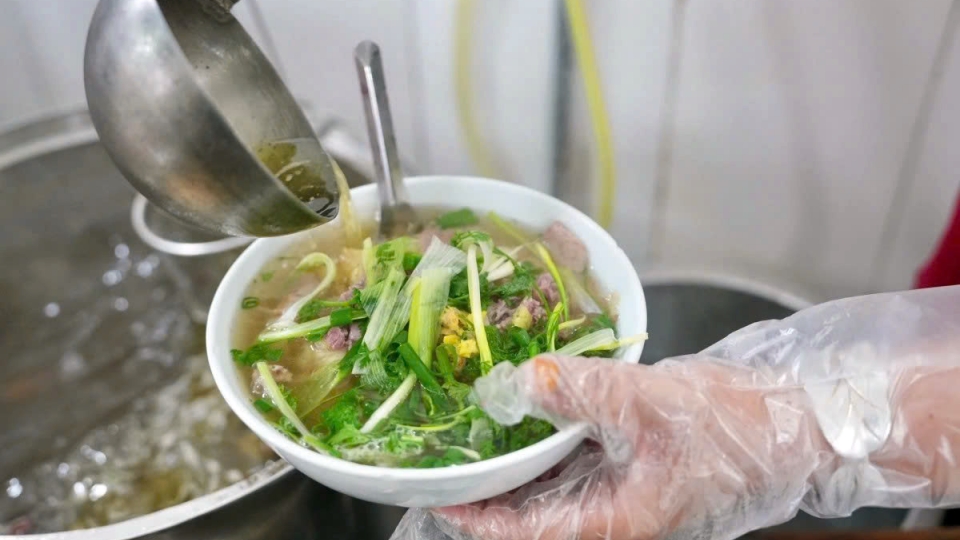
Phở as a living heritage in Vietnam’s creative cultural industries
VOV.VN - Phở, Vietnam’s iconic noodle soup, is officially recognised as national heritage and is now emerging as a global cultural symbol in the creative economy.