Xinjiang’s tourism products introduced in Hanoi

VOV.VN - A tourism promotion and cultural exchange programme featuring China’s Xinjiang region took place at the China Cultural Centre in Hanoi on April 27, drawing strong interest from tourism authorities and travel businesses from both Vietnam and China.
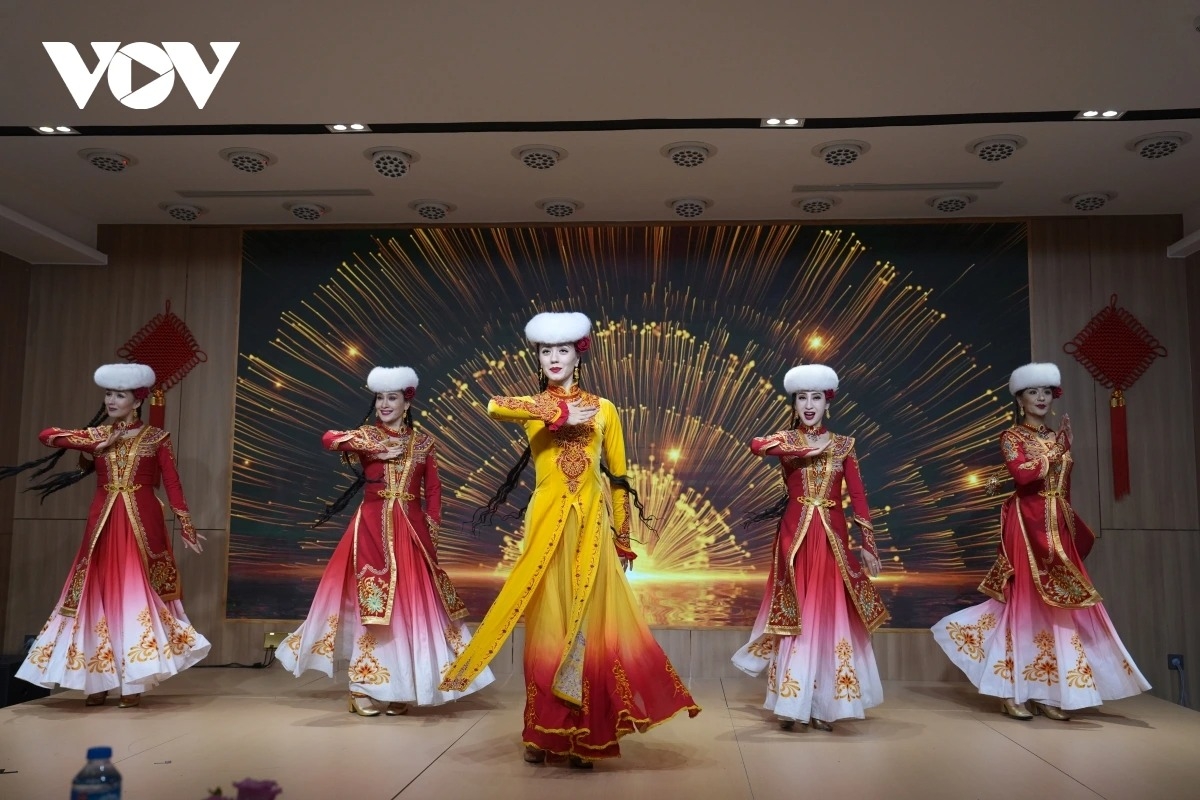
Held under the theme “Xinjiang - A Wonderful Land,” the event introduced a wide range of tourism resources and experiences, as both sides seek to strengthen cooperation in a key growth market.
China remains one of Vietnam’s largest sources of international visitors, while Vietnam is also an important outbound market for China. In this context, expanding tourism collaboration is seen as a practical step to boost two-way travel.
At the same time, evolving travel trends are shifting toward unique and immersive experiences, creating new opportunities for culturally rich destinations such as Xinjiang.
Speaking at the event, Nguyen Thi Hoa Mai, deputy director of the Vietnam National Authority of Tourism, highlighted tourism’s role in strengthening people-to-people ties.
“Tourism is not only about travel, but also about helping people better understand each other’s lives and cultures, thereby deepening the longstanding friendship between the two countries,” she said.
She noted that Vietnamese tourists can explore Xinjiang’s majestic landscapes and Central Asian cultural influences, while visitors from Xinjiang can enjoy Vietnam’s coastal destinations, year-round warm climate, cuisine and world heritage sites.
“This provides a solid foundation to promote sustainable growth in two-way tourism flows in the coming years,” she added.
During the programme, Chinese representatives showcased Xinjiang’s tourism products across all four seasons, ranging from eco-tourism and adventure travel to cultural experiences.
Highlighted destinations include the Taklamakan Desert, Kanas Lake, Ili Grassland and the ancient city of Kashgar, a historic hub along the Silk Road.
Beyond its dramatic landscapes, Xinjiang is known for its diverse ethnic cultures, festivals, cuisine and traditional arts, offering products that align with the growing demand among Vietnamese travelers for deeper cultural exploration.
Zhang Deshan, director of the China Cultural Centre in Hanoi, revealed Xinjiang’s tourism sector has seen rapid growth in recent years, supported by improved infrastructure and rising service quality.
“With its unique appeal, Xinjiang is attracting an increasing number of international visitors, including those from Vietnam,” he noted, adding that Vietnam is a key potential market despite geographical distance, thanks to cultural similarities and strong people-to-people connections.
The event is expected to serve as a starting point for implementing cooperation initiatives under the Vietnam–China Tourism Year 2026–2027, while opening up new opportunities for businesses on both sides to tap into a large and growing tourism market.
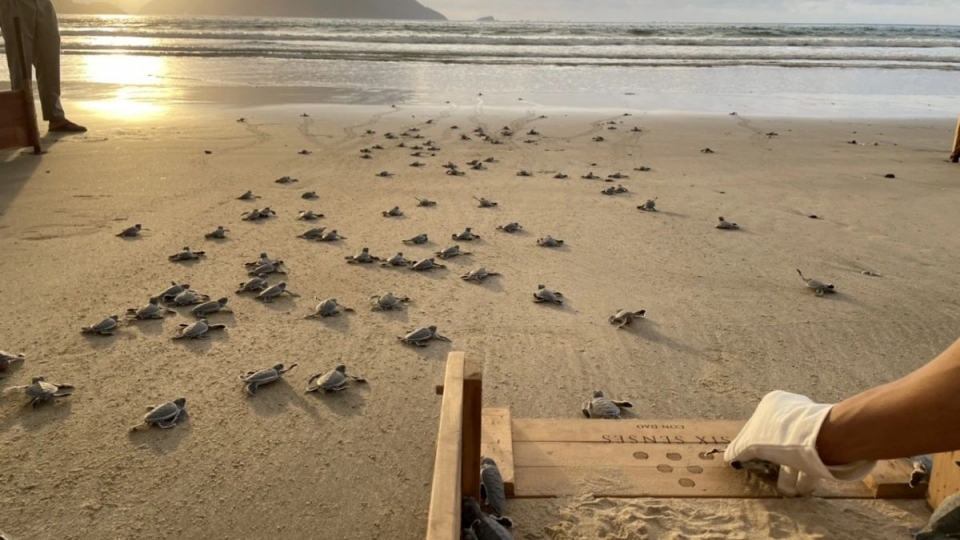
Con Dao among world’s top 7 destinations for sea turtle releases
VOV.VN - Six Senses Con Dao in Ho Chi Minh City has been named one of seven destinations offering structured sea turtle conservation programmes, allowing visitors to take part in controlled, educational release activities, according to Condé Nast Traveler’s Earth Day list.