Major events shape Vietnam's tourism industry on recovery track

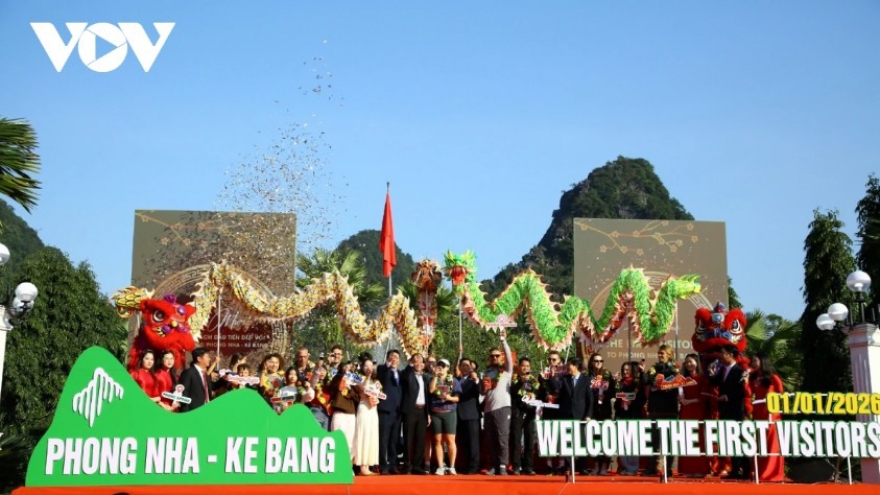
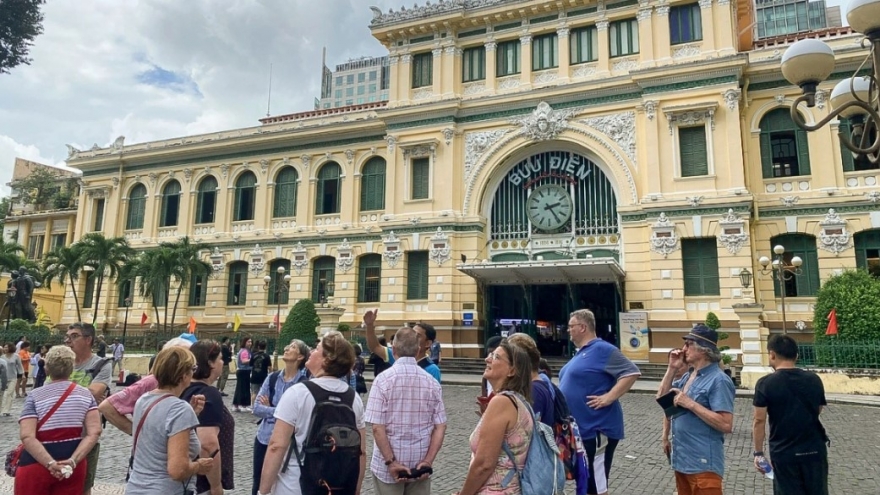
VOV.VN - Vietnam’s tourism industry recorded a series of major milestones in 2025, emerging as one of the country’s key growth engines and placing the Southeast Asian nation among the world’s fastest-growing tourism destinations, according to the Vietnam National Authority of Tourism.
The year marked the final phase of Vietnam’s 2021–2025 socio-economic development plan and coincided with a series of national commemorative events, providing strong momentum for tourism recovery and expansion.
1. International arrivals surge to record high
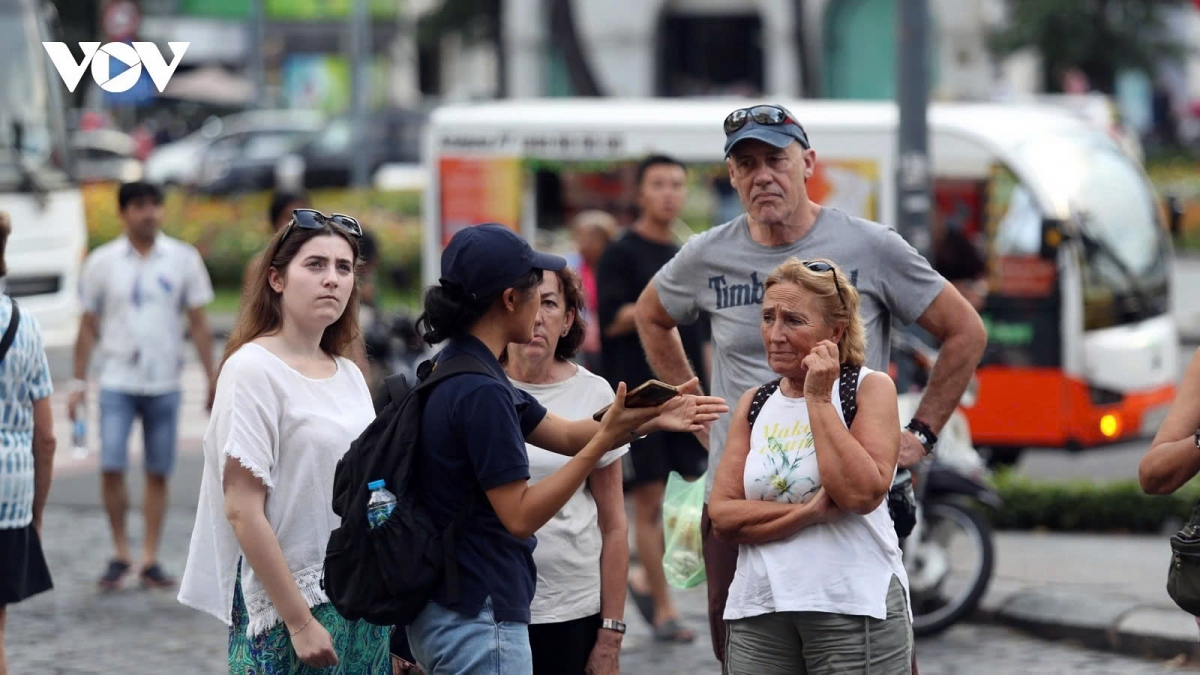
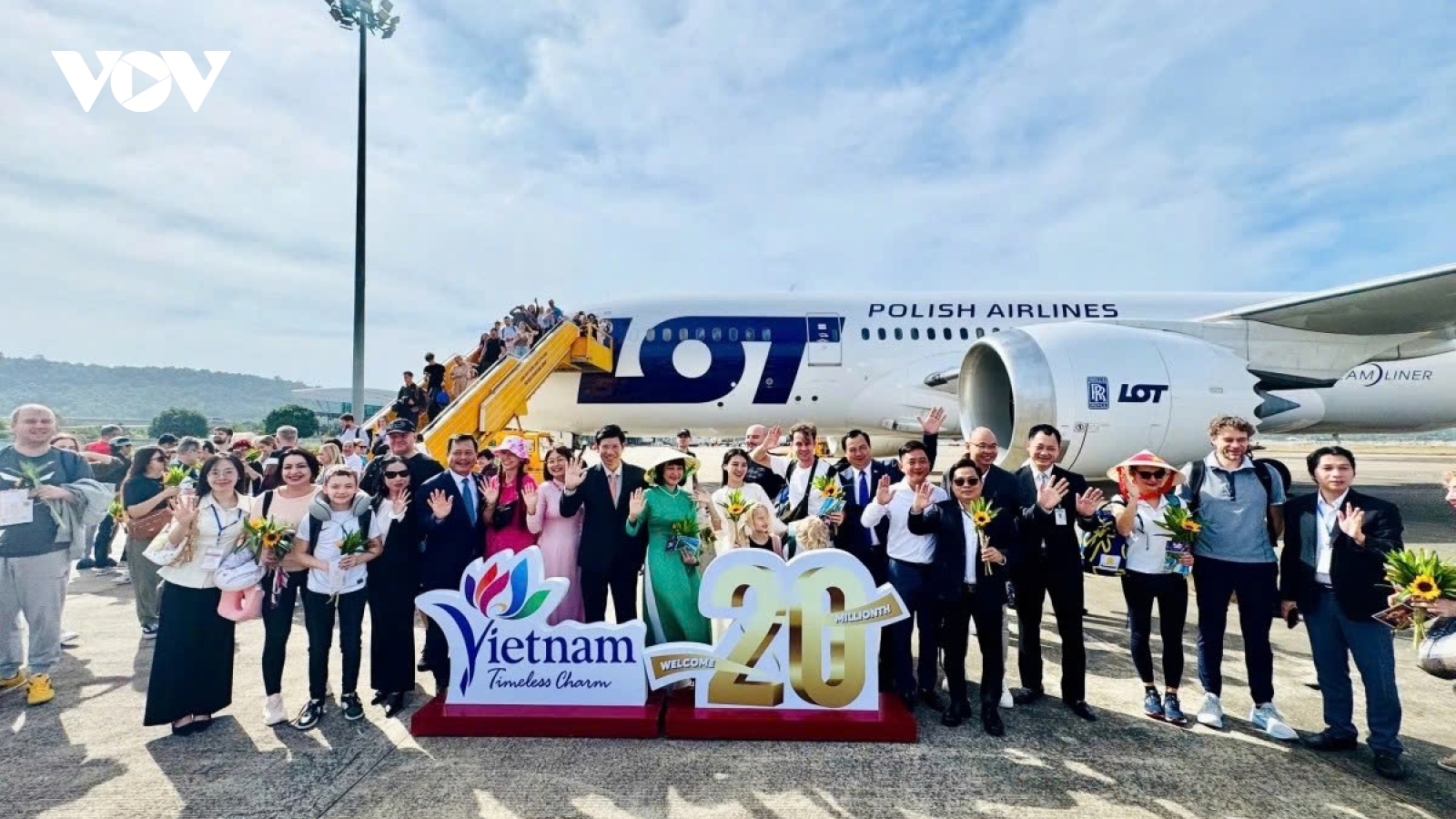
Vietnam welcomed 21.5 million international visitors in 2025, up 22% from 2024 and surpassing the pre-pandemic peak of 18 million arrivals in 2019, setting a new all-time record.
The UN Tourism ranked Vietnam among countries with the highest growth rates in international tourism worldwide, a notable achievement as the Asia-Pacific region as a whole recovered to only about 90% of pre-COVID levels.
Domestic tourism continued to act as a crucial pillar, with 135.5 million local holidaymakers recorded during the year. Total tourism revenue exceeded VND1 quadrillion (approximately US$40 billion) for the first time, making tourism one of Vietnam’s brightest economic performers in 2025.
2. Global recognition and awards
Vietnam’s growing international profile was reinforced by a series of prestigious awards. At the World Travel Awards, the country was named World’s Leading Heritage Destination for the sixth time, Asia’s Leading Destination for the seventh time, and Asia’s Best Golf Destination for the ninth time.
In addition, Lo Lo Chai village (Tuyen Quang province) and Quynh Son village (Lang Son province) were recognised as “Best Tourism Villages 2025” by UN Tourism, highlighting Vietnam’s success in community-based and sustainable tourism development.
3. Policy reforms boost competitiveness

The Government continued to introduce policy measures aimed at facilitating tourism growth, including expanded visa exemptions, reduced administrative fees for travel businesses, and electricity pricing for tourism accommodation aligned with industrial rates.
Authorities also accelerated administrative reforms, simplifying licensing requirements and improving the business environment for tourism operators.
4. Stronger governance and destination management
Alongside policy development, regulatory oversight was strengthened nationwide. Tourism authorities increased inspections and compliance reviews to ensure service quality, particularly during peak travel seasons and national holidays.
Local governments and tourism businesses were urged to enhance visitor experiences and maintain service standards, contributing to a more transparent and sustainable tourism environment.
5. Promotion, branding and digital outreach expand

Vietnam intensified tourism promotion through public–private partnerships, expanding marketing campaigns across key markets including Europe, the United States, China, Japan, the Republic of Korea, India and Australia.
The country participated in major global tourism fairs such as ITB Berlin and WTM London, while digital promotion made notable strides. The official tourism website vietnam.travel ranked second in Southeast Asia in online visibility and engagement.
Tourism promotion was further boosted by large-scale events such as National Tourism Year – Hue 2025, VITM Hanoi, ITE Ho Chi Minh City, and major cultural celebrations marking national anniversaries.
6. Digital transformation and smart tourism
Digital transformation gained momentum in 2025, with efforts focused on building an integrated smart tourism ecosystem to support governance, business operations and visitor experience.
Training programmes nationwide helped local authorities and businesses adopt digital tools, while new technologies were increasingly used in destination marketing, service management and customer engagement.
7. Product diversification reflects global trends
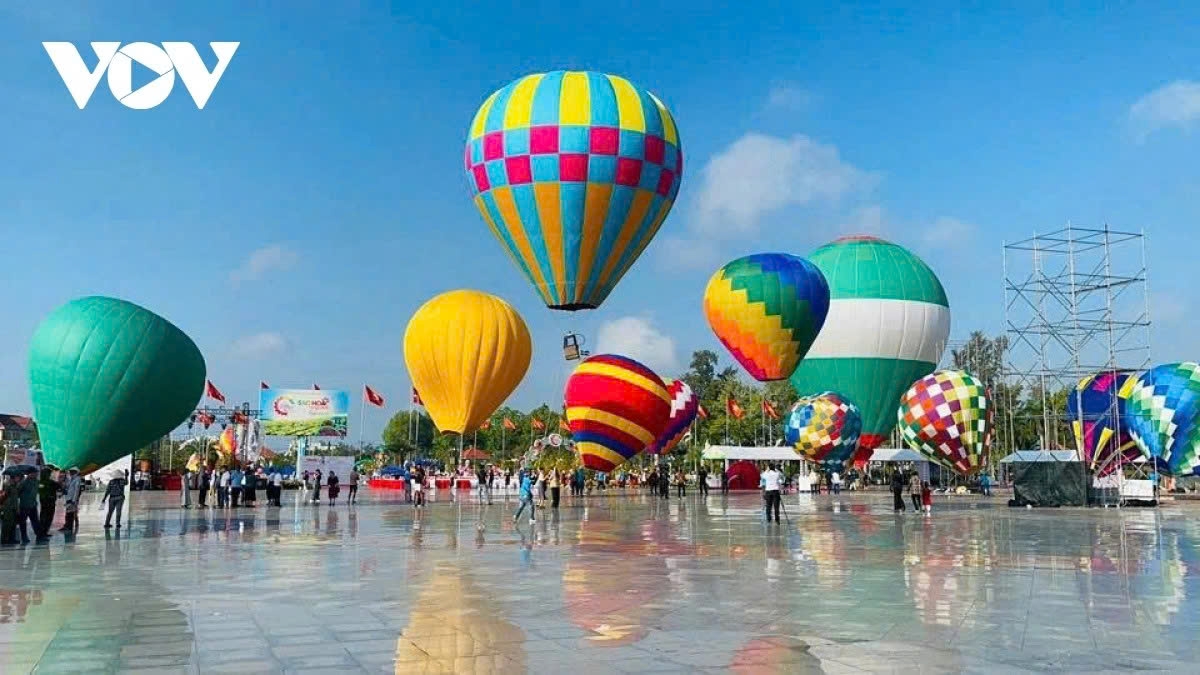
Beyond its four core tourism segments (coastal and island, nature-based, cultural and urban tourism), Vietnam expanded into emerging niches such as night-time tourism, medical and wellness tourism, rural tourism, railway travel, culinary tourism and golf tourism.
These offerings align with global post-pandemic travel trends, with sustainability, digitalisation and green transformation becoming central to product development.
8. Infrastructure investment strengthens capacity
Tourism infrastructure continued to expand rapidly. By 2025, Vietnam had approximately 40,000 accommodation establishments offering around 800,000 rooms nationwide.
Transport connectivity improved with the expansion of expressways, new international air routes, premium railway tourism services and upgraded inland waterway ports, thereby enhancing access to destinations across the country.
Industry leaders say 2025 marked a turning point, elevating Vietnam tourism to a new level of scale, quality and international recognition.
Entering 2026, the tourism industry plans to continue aligning with national development strategies, focusing on professionalism, sustainability, digital innovation and cultural identity, with the goal of firmly establishing tourism as a core pillar of the national economy.
Tourism sector records 3.5 million visitors during 2026 New Year holiday
VOV.VN - The tourism sector served an estimated 3.5 million visitors during the four-day 2026 New Year holiday from January 1 to 4, pointing to a solid start to the year.