

Tag: inflation
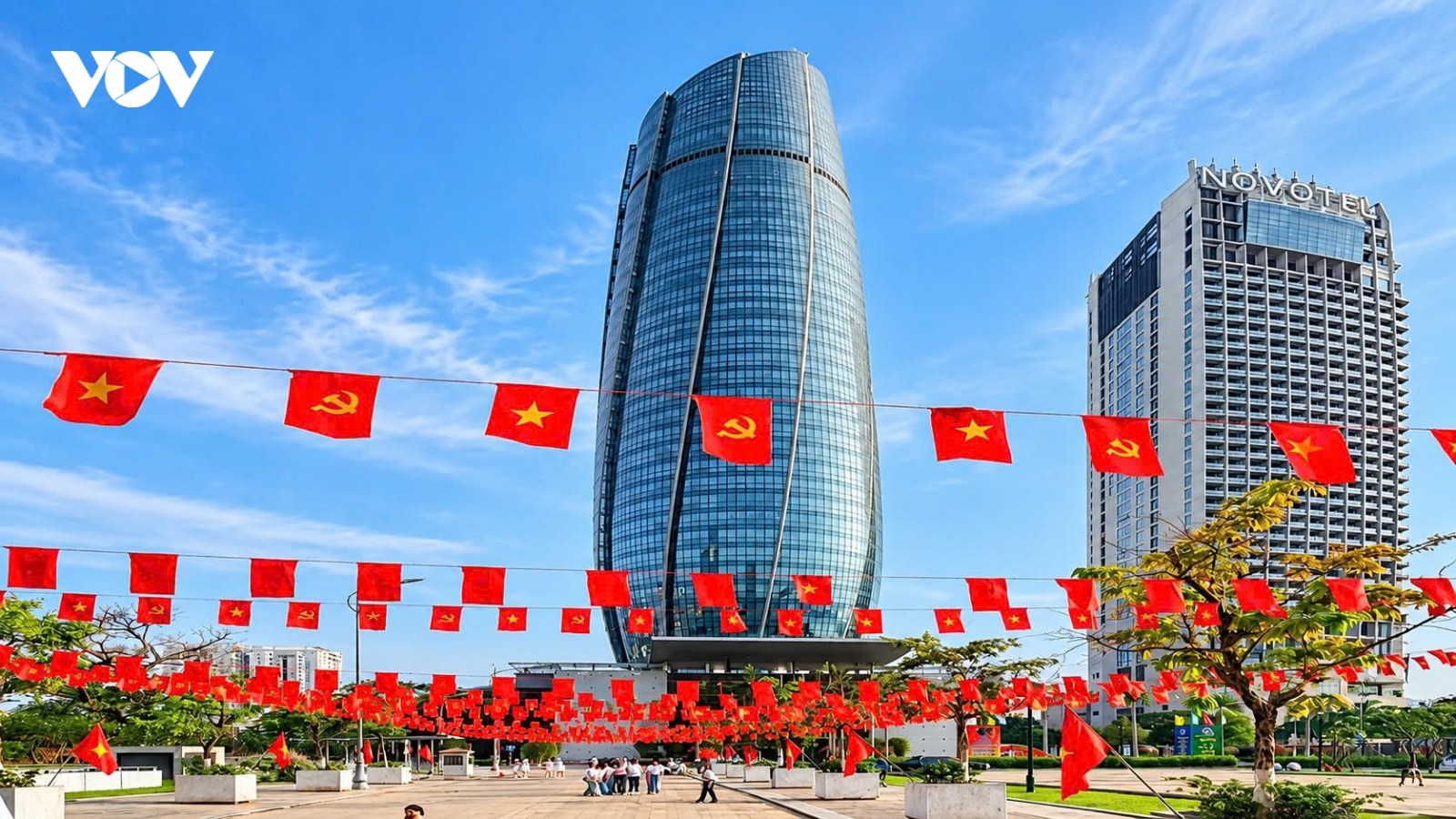
New Party Conclusion sets economic and budget priorities for 2027
VOV.VN - General Secretary of the Communist Party of Vietnam Central Committee and State President To Lam has just signed Conclusion No. 106-KL/TW, reviewing Vietnam’s socio-economic and state budget performance in 2026 and setting out key targets and implementation measures for 2027, including GDP growth of at least 10% and average inflation of around 4.5%.
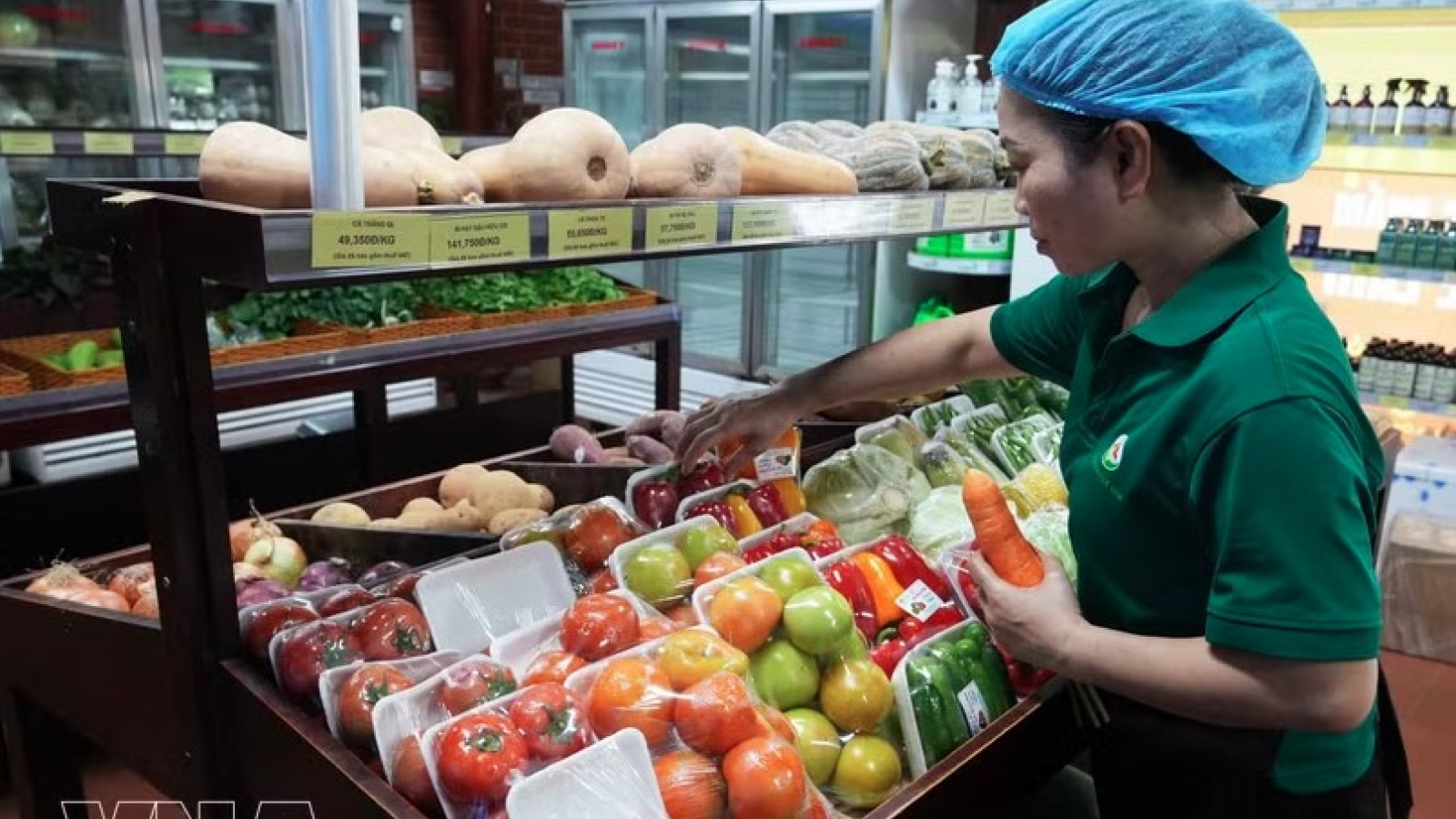
Inflation control key to maintaining growth momentum
Vietnam's inflation stayed elevated in the first nine months of 2026 even as the economy grew strongly, making price stability a core part of efforts to preserve macroeconomic stability and protect social welfare.
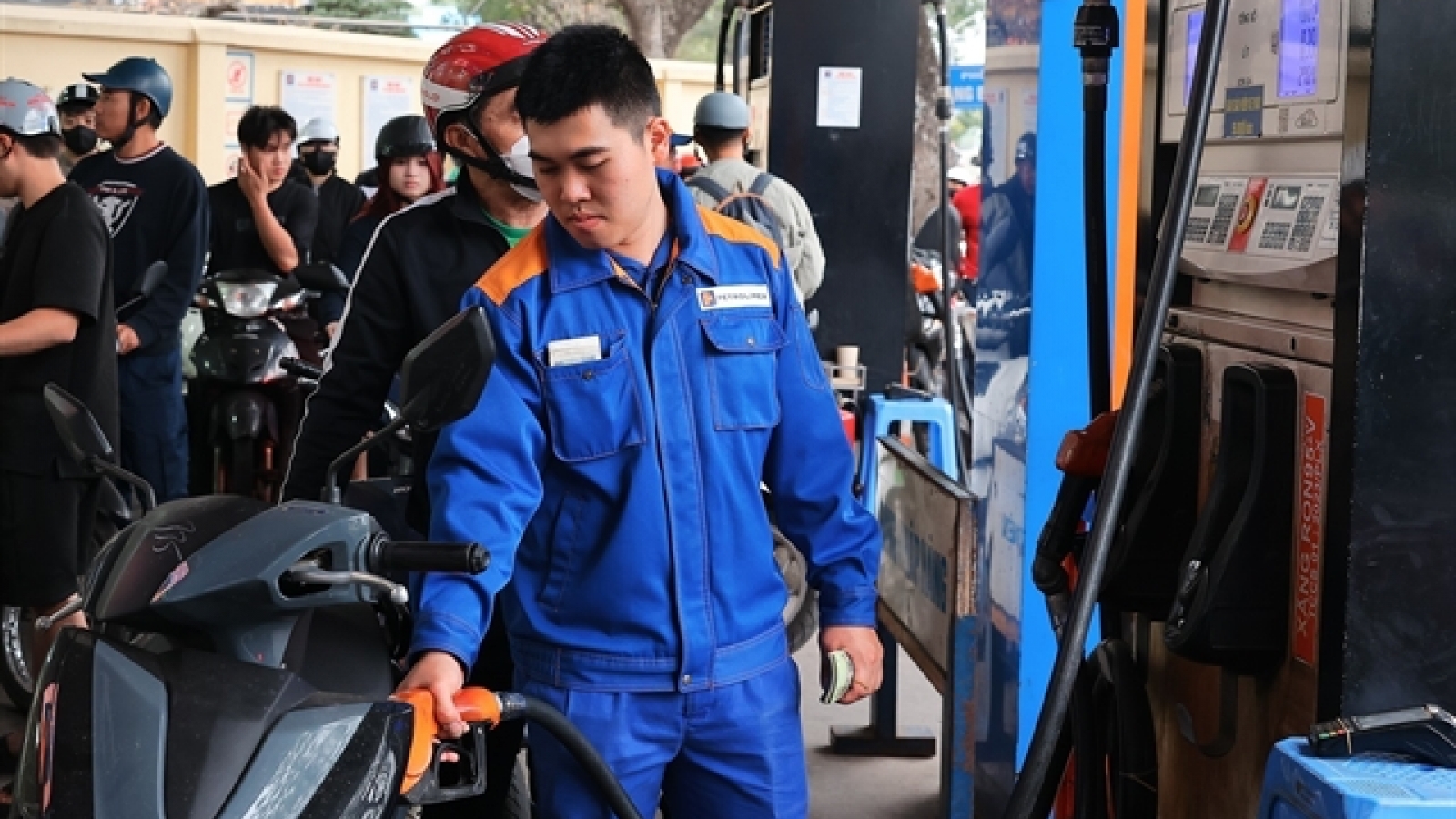
Petrol price rises put pressure on inflation, production costs
Higher fuel prices are driving up production, transportation and commodity costs in Vietnam, adding to inflationary pressures.
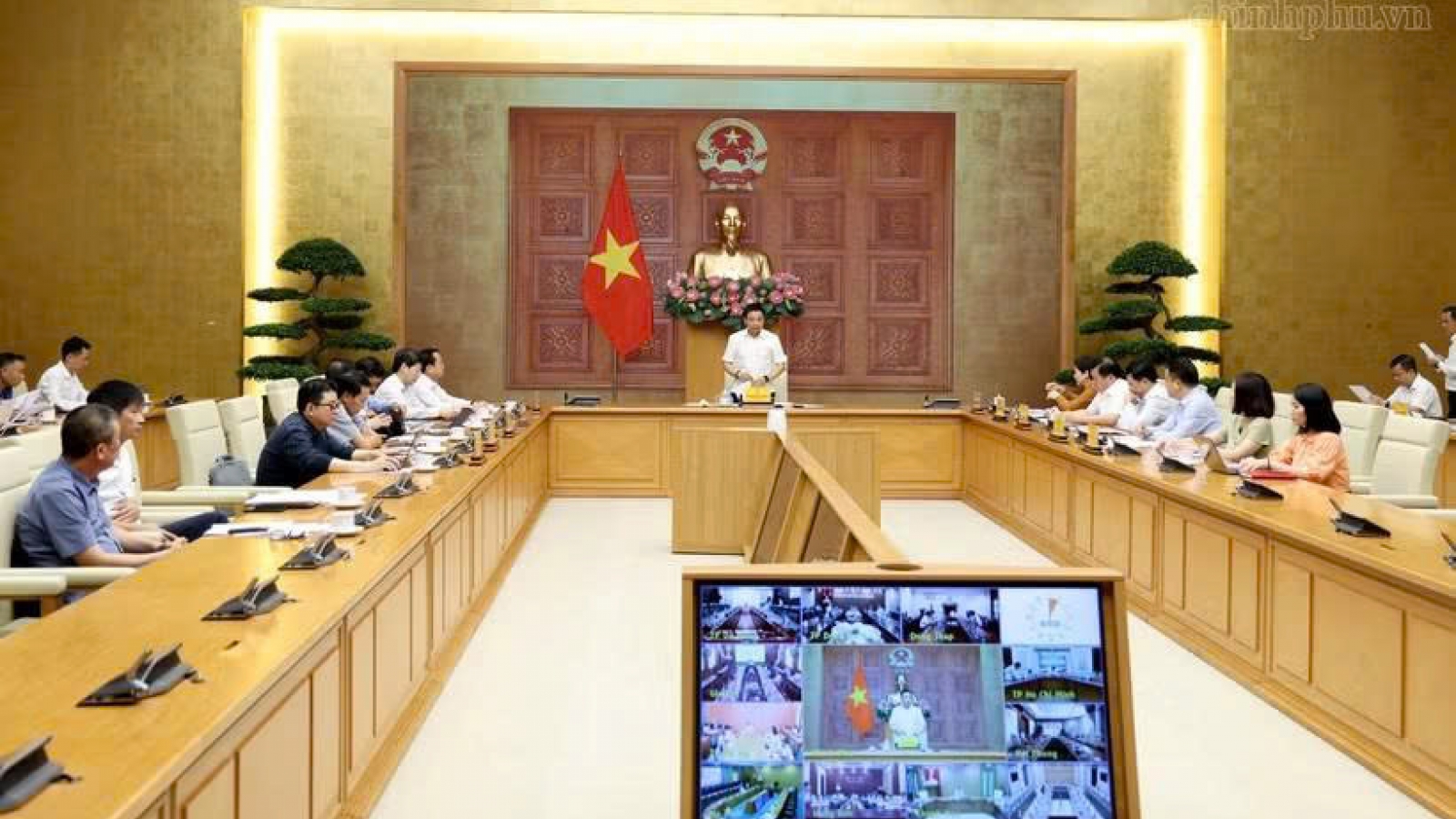
Deputy PM orders monthly price checks as CPI buffer narrows
The Steering Committee for Price Management will meet monthly with localities to keep prices under control, Deputy Prime Minister Nguyen Van Thang told a meeting in Hanoi on September 4.
CPI rises 4.45% in eight months as fuel prices add pressure
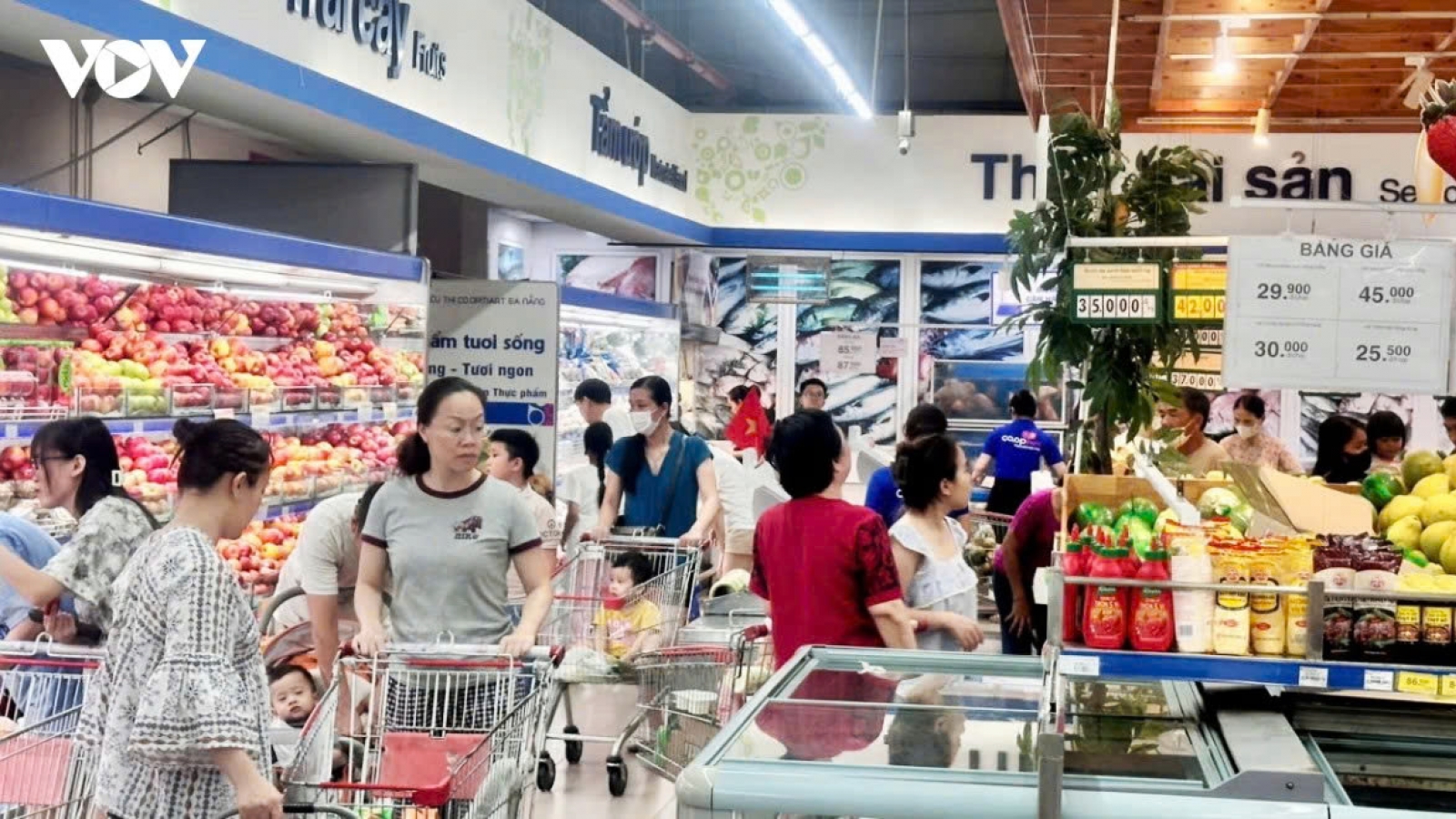
VOV.VN - Vietnam’s consumer prices rose 0.47% in August from the previous month, driven mainly by higher domestic fuel prices, bringing the average consumer price index (CPI) increase in the first eight months of 2026 to 4.45%, with core inflation at 4.24%.
Banking sector told to balance inflation control with growth support
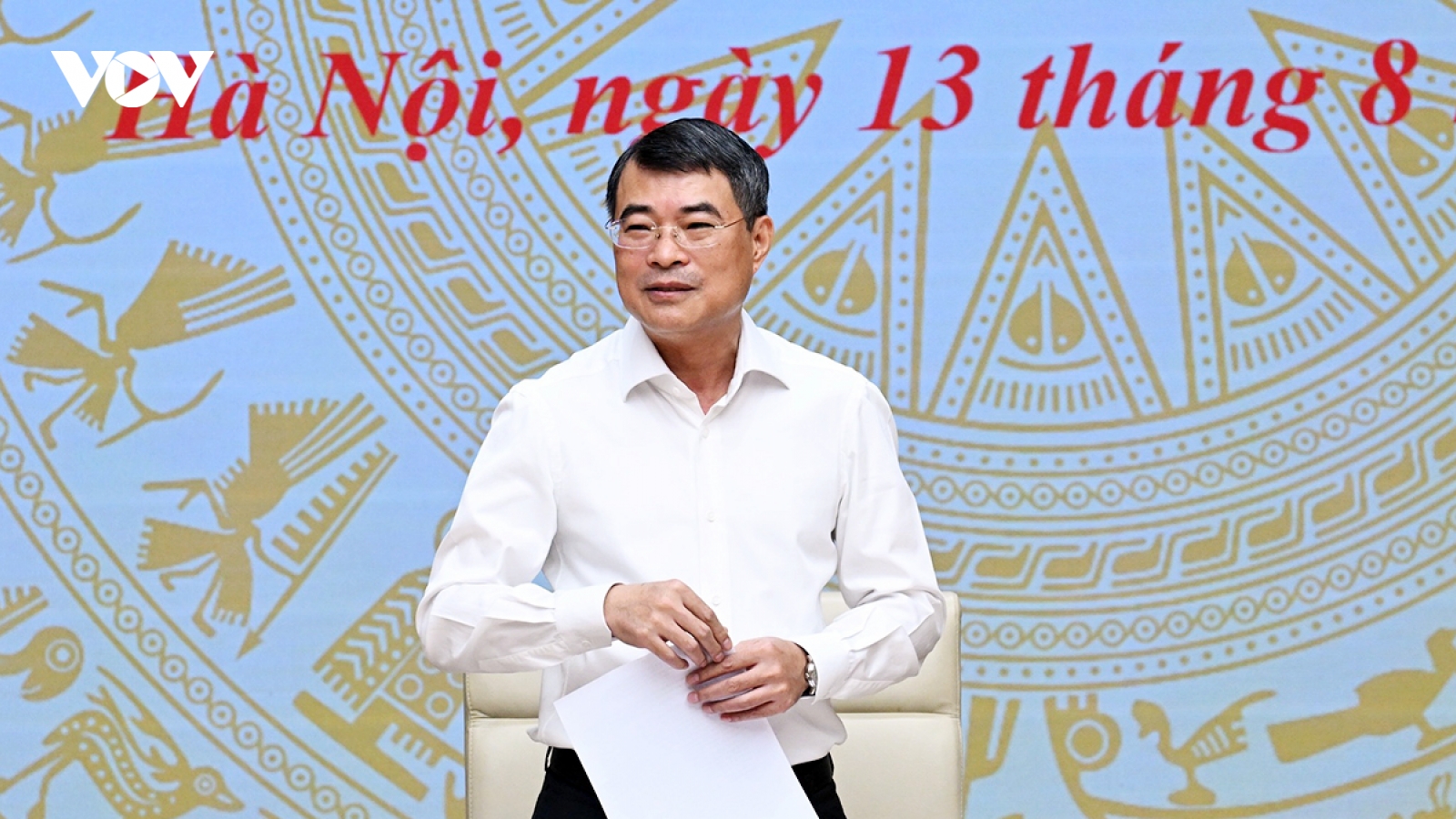
VOV.VN - Prime Minister Le Minh Hung has asked the State Bank of Vietnam and credit institutions to maintain flexible and proactive monetary policy to balance inflation control with growth support, with a focus on improving the legal framework and developing more effective medium- and long-term capital channels.
Tax relief measures extended to support economy, curb inflation
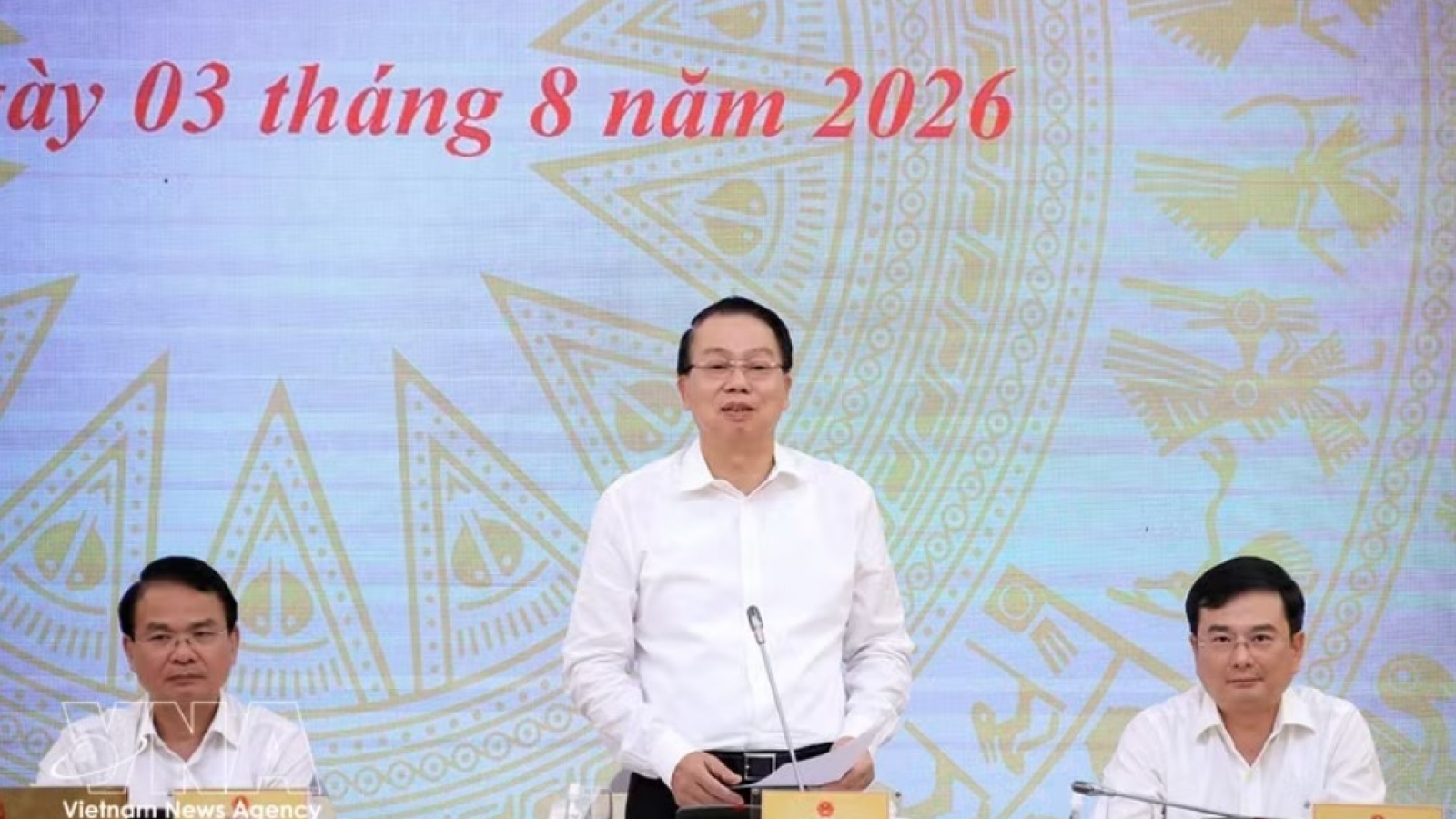
Vietnam will continue tax cuts, tax payment extensions and fee reductions to support people and businesses amid inflationary pressures while helping maintain macroeconomic stability, Deputy Minister of Finance Nguyen Duc Chi said at the Government's regular July press conference on August 3.

What lies ahead for price trends in late 2026 as CPI approaches 4.5% target?
VOV.VN - Vietnam’s average Consumer Price Index (CPI) in the first half of 2026 drew remarkably close to the national inflation control target of 4.5%, posing a complex price management challenge for the remainder of the year.
Government urges vigilance as inflation pressures mount in H2
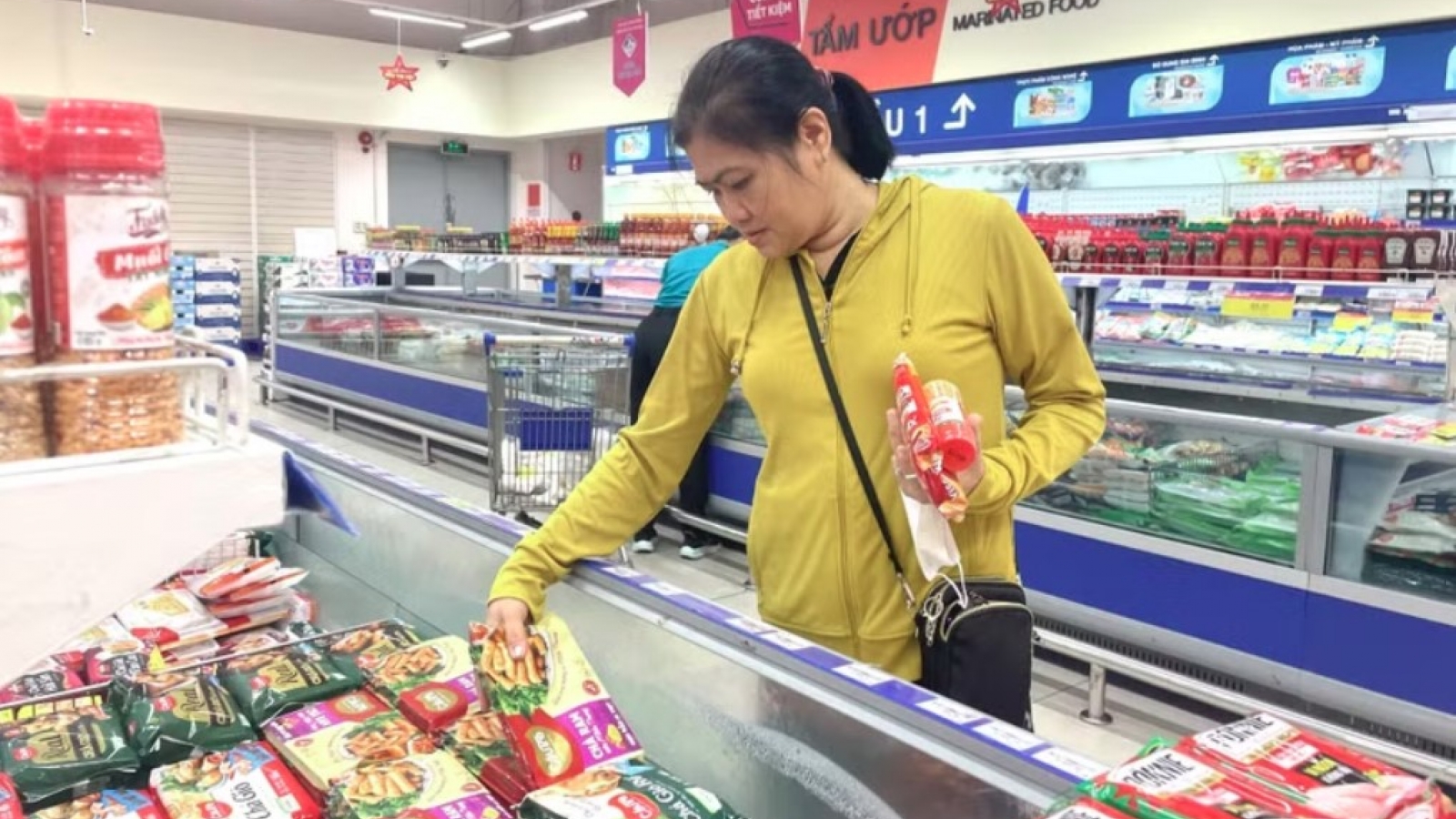
The Government has ordered ministries, agencies and local authorities to sharpen forecasting capabilities and build response scenarios to keep inflation contained.

Vietnam upgraded to upper-middle-income economy by World Bank
VOV.VN - Vietnam has been reclassified as an upper-middle-income economy by the World Bank after its gross national income (GNI) per capita rose above the institution's income threshold, marking an important milestone in the country’s long-term economic development.