
Q2 inflation likely to remain under control

VOV.VN - In the second quarter of 2026, Vietnam seeks to sustain GDP growth towards a per capita income target of US$5,500 while keeping depreciation of the VND in check.
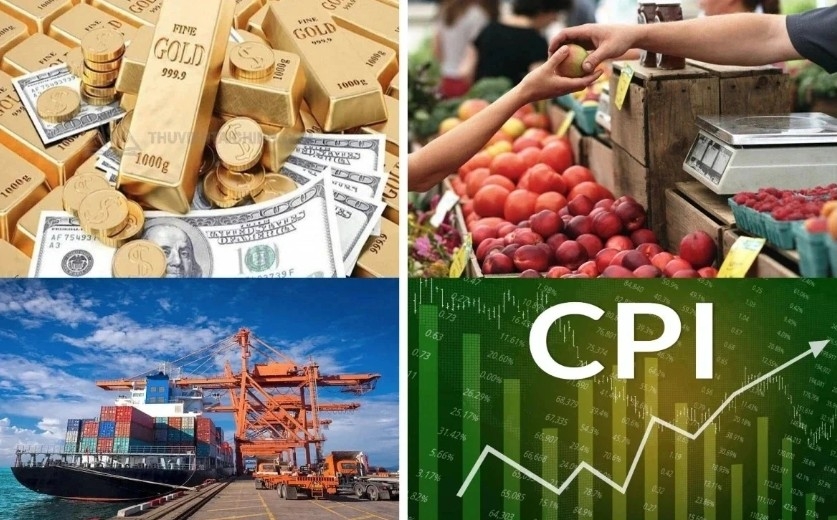
The question of inflation in the second quarter serves as a measure of household purchasing power as well as macroeconomic stability, amid both external and domestic challenges as Vietnam moves towards a double-digit growth target.
Rising input costs, inflation risks in Q2 2026
Fuel is a strategic commodity, playing a key role in the cost structure of production and distribution. In the second quarter of 2026, global fuel prices are expected to face dual pressures from geopolitical instability in key production regions and recovering demand in major economies.
In the domestic market, fuel prices directly affect the transport category, which accounts for a large share of the consumer price index (CPI) basket.
When fuel prices rise by 10%, overall inflation typically increases by around 0.3-0.4 percentage points directly, while indirect effects through logistics costs and the prices of other goods can be twice as high.
Nguyen Minh Tuan, Chief Executive and co-founder of the Vietnam Financial Advisors Community, said rising oil prices driven by escalating tensions in the Middle East have an immediate impact on domestic fuel prices. Exchange rate pressures and rising producer inflation in agriculture, industrial and service sectors are also key pressures, he added.
Alongside fuel, food and catering services, which account for about one-third of the CPI basket, are another factor affecting inflation in the second quarter. Feed costs, which depend on imported grain prices, if pushed higher by disruptions in global supply chains, are quickly reflected in retail prices at markets and supermarkets.
In addition, under the roadmap to adjust electricity prices to reflect production costs, the second quarter - the start of peak hot weather- is also when electricity prices may rise, pushing up production and service costs.
Dao Phan Long, former chairman of the Vietnam Association of Mechanical Enterprises, said higher electricity prices would place pressure on businesses, forcing them to recalculate costs in order to maintain product pricing.
How to respond to oil price shocks
Based on econometric models and the 2026 context, two major scenarios are identified for second-quarter inflation.
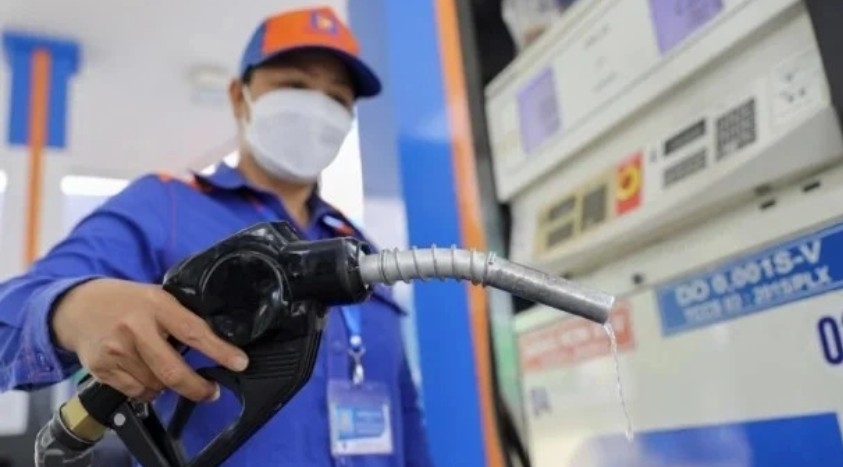
Under the baseline scenario, if fuel prices remain stable at around US$85-90 per barrel and essential goods are well managed, inflation in the second quarter would range between 3.8% and 4.2% year-on-year.
Under a high-pressure scenario, if oil prices exceed US$100 per barrel due to escalating conflicts, combined with El Nino-related drought pushing up food and electricity prices, inflation in the second quarter could reach 4.8%-5.2%.
Le Dang Doanh, former head of the Central Institute for Economic Management (CIEM), said saving fuel is essential at this time. A 10% increase in fuel prices would raise CPI by about 0.35%, as fuel makes up 35-40% of transport costs and about 3.52% of total production costs, he said, adding that cutting transport and fuel costs is necessary to respond.
To keep second-quarter inflation within the full-year target of below 4.5%, economists say a range of measures is needed. First is flexible monetary policy, with the State Bank of Vietnam maintaining exchange rate stability to ease imported inflation pressures from fuel and raw materials, which are largely priced in US dollars.
Next is fiscal support, including continued consideration of cuts to environmental protection tax on fuel if global prices rise sharply. Another measure is to control prices of state-managed goods, with increases in electricity, healthcare and education services spaced out to avoid overlapping in the second quarter.
Hoang Van Cuong, former Vice Rector of the National Economics University, said external pressure is limited and the focus should be on managing domestic factors, particularly input costs such as raw materials and energy, which drive inflation.
Second-quarter inflation in 2026 will serve as a test of Vietnam’s economic management capacity. If inflation is kept at around 4%, the goal of double-digit growth is achievable.
This requires keeping even small fluctuations in crude oil prices under control and ensuring that supply chains for essential goods are not disrupted under any circumstances.
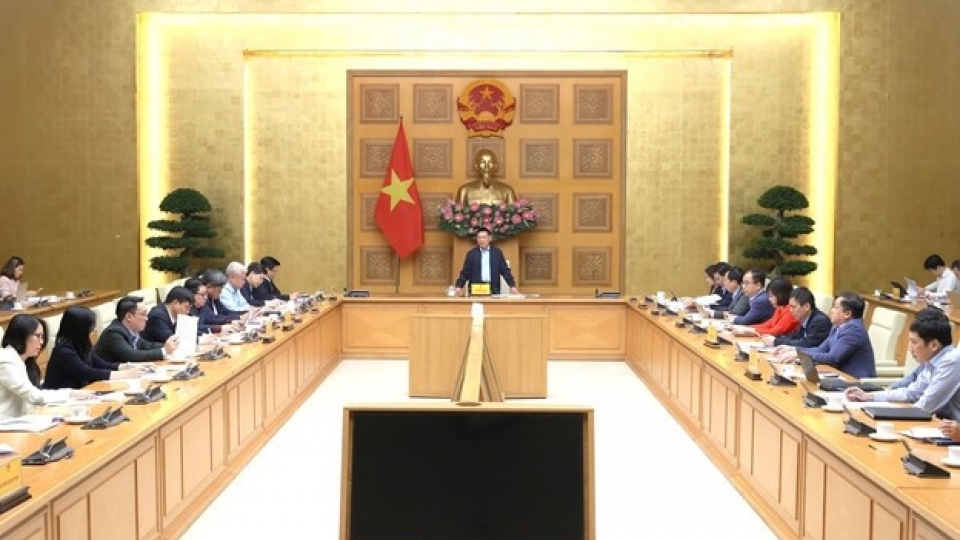
Vietnam targets 3.3% inflation in 2025 as Government tightens price controls
Vietnam aims to hold average inflation to around 3.3% in 2025, Deputy Prime Minister Ho Duc Phoc said at a Government meeting on price management on November 21, citing the need for tighter coordination between fiscal and monetary policies amidst global economic uncertainty.
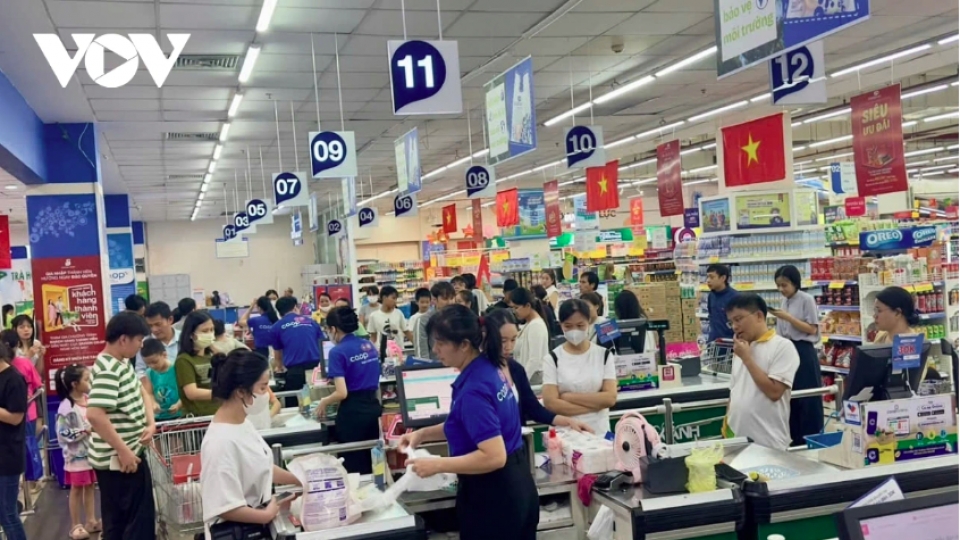
Vietnam’s economy shows strong growth while inflation stays in check
VOV.VN - The national economy continued to post robust growth during the eight-month period, propelled by consumption and investment, while inflation was brought under control.
