Northern Vietnam enjoys sunshine before new cold spell arrives

VOV.VN - Northern Vietnam is experiencing sunny intervals as a weakening cold air mass gradually loses influence, before a new surge of cold air is expected to arrive, bringing rain and colder weather, according to the National Centre for Hydro Meteorological Forecasting.

Weather conditions across the northern region on March 12 vary by area as the current cold air mass weakens, said meteorologists.
In the northeastern region, skies are mostly cloudy in the morning before clouds decrease and sunshine appears by midday and afternoon. Meanwhile, the northwestern region is affected by a wind convergence zone, which may trigger scattered showers and thunderstorms from late afternoon.
Nighttime and early morning conditions remain slightly chilly in many areas.
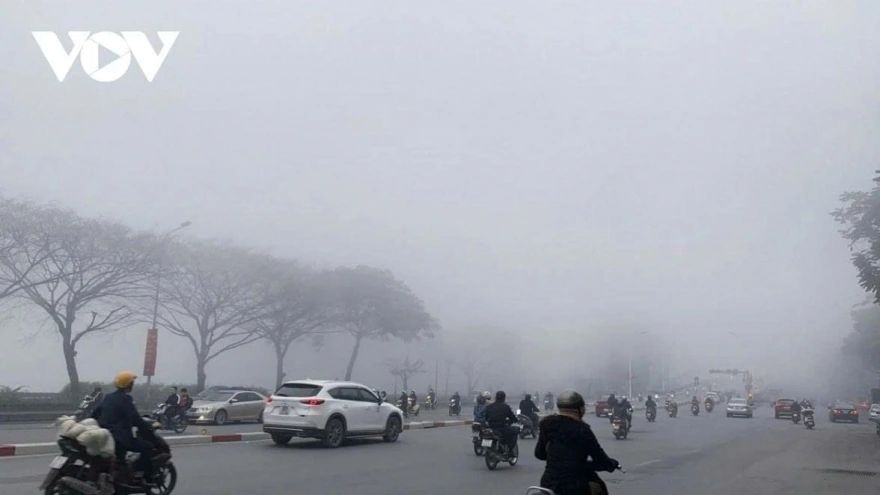
In Hanoi, the weather is expected to remain mostly cloudy with light fog in the early morning, followed by sunnier conditions later in the day. Temperatures range between 18–20°C at night and reach a high of around 25°C during the day.
Meteorologists said a new cold air mass shifting eastward is likely to affect northern Vietnam from the night of March 12.
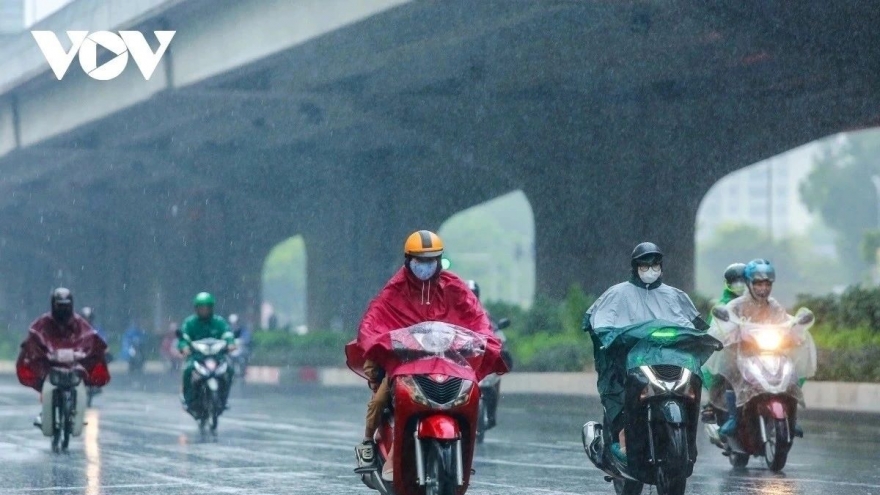
Under the influence of this cold surge, mountainous areas in the north may see scattered rain and thunderstorms, while the northeastern plains and coastal areas could experience light rain, drizzle and fog.
Experts also noted that cold air would continue to affect northern regions until early April, though its trajectory is expected to shift gradually eastward. This pattern may bring persistent drizzle and fog to parts of the northeastern region and the north-central provinces.
Across the country, average temperatures during this period are expected to stay close to the long-term average, although northern and north-central areas may be 0.5–1.5°C higher than normal.
Total rainfall nationwide is forecast to be near the seasonal average, though rainfall in the northeastern region and the Central Highlands may be 10–25 mm lower than usual, while the central coastal region could see 5–15 mm more rainfall than average.
During the forecast period, tropical storms or depressions are unlikely to form in the East Sea, where the long-term average for this time of year is around 0.2 storms and none typically make landfall in Vietnam.
Meteorologists warned that hazardous weather such as thunderstorms, whirlwinds, lightning, hail and strong gusty winds could still occur across different parts of the country.
Earlier forecasts indicated that northern Vietnam may experience about three to four additional cold surges in March, although they are expected to be relatively weak and unlikely to cause severe cold spells.
So far this month, two cold air waves have already affected the country.
Cold air to bring rain and cooler temperatures to northern Vietnam
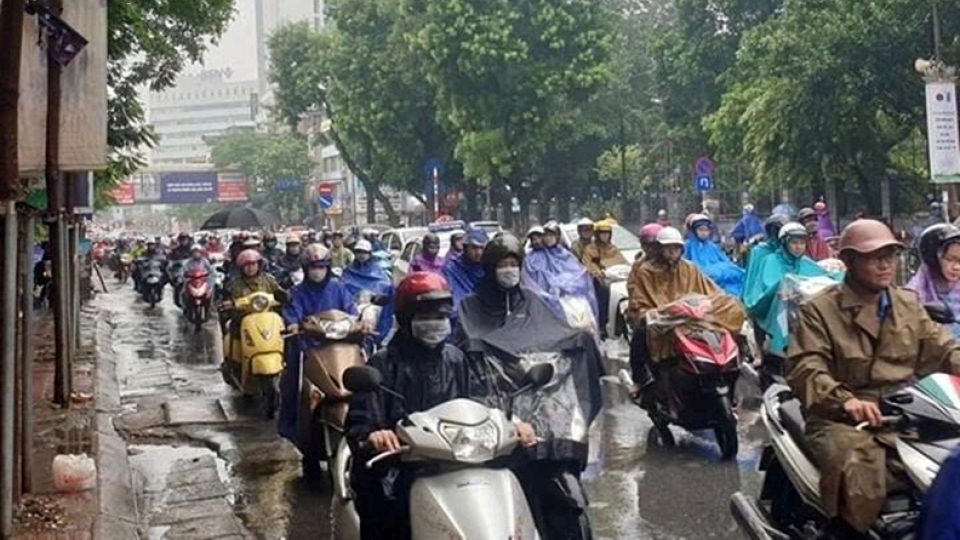
VOV.VN - A new cold air mass is expected to bring rain and cooler temperatures to northern Vietnam and parts of the north-central region in the coming days, according to the National Centre for Hydro-Meteorological Forecasting.