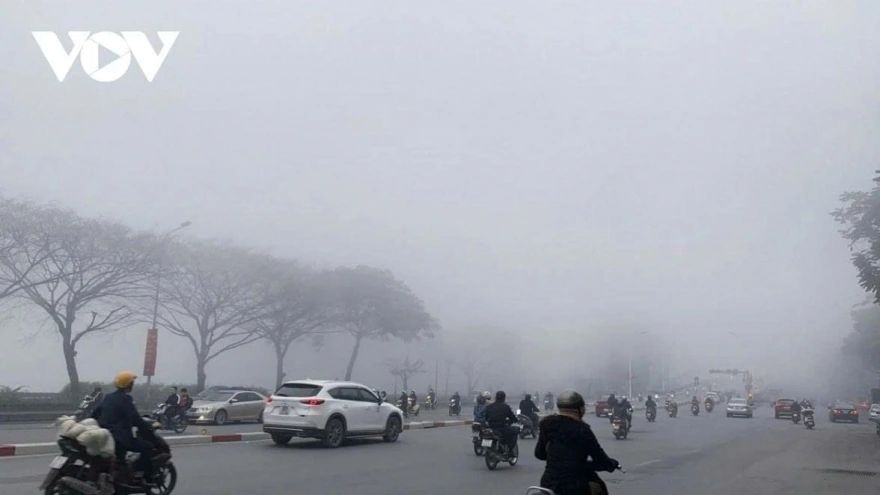
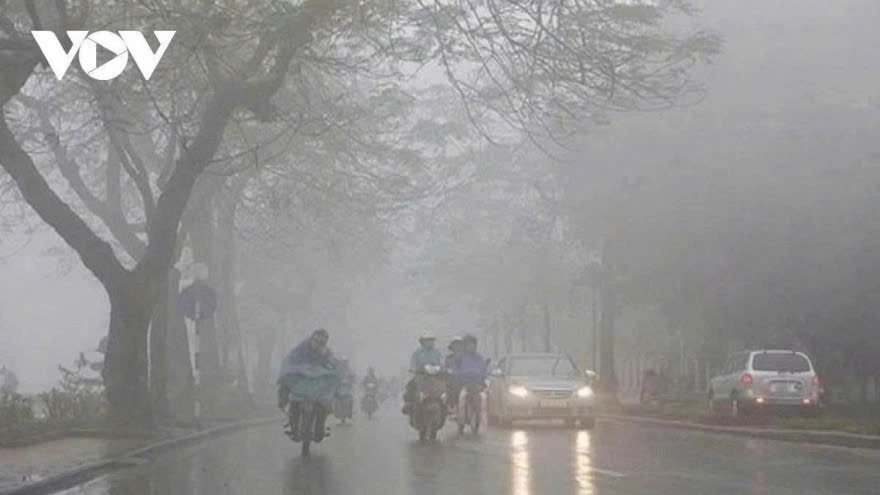
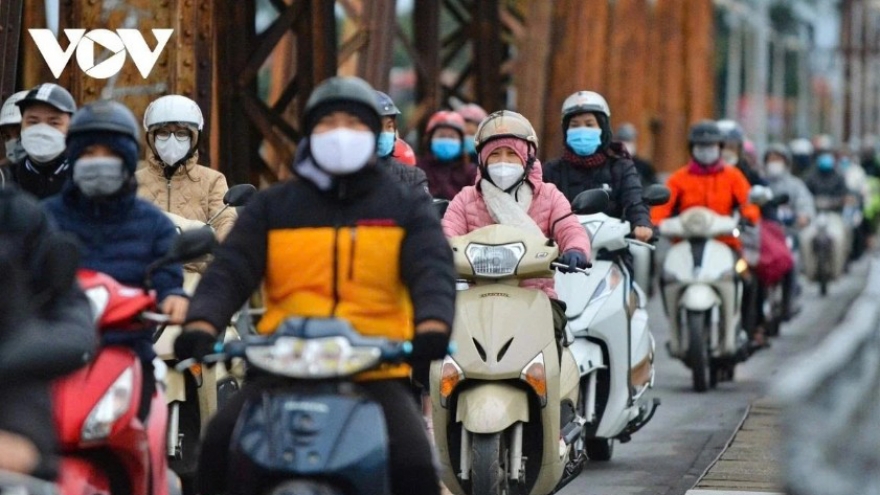
Cold air mass brings showers and cooler nights to Northern Vietnam

VOV.VN - A weak cold air mass began affecting Northeastern Vietnam on March 3, bringing showers, thunderstorms and a noticeable drop in nighttime temperatures across the region, according to the National Centre for Hydro-Meteorological Forecasting.
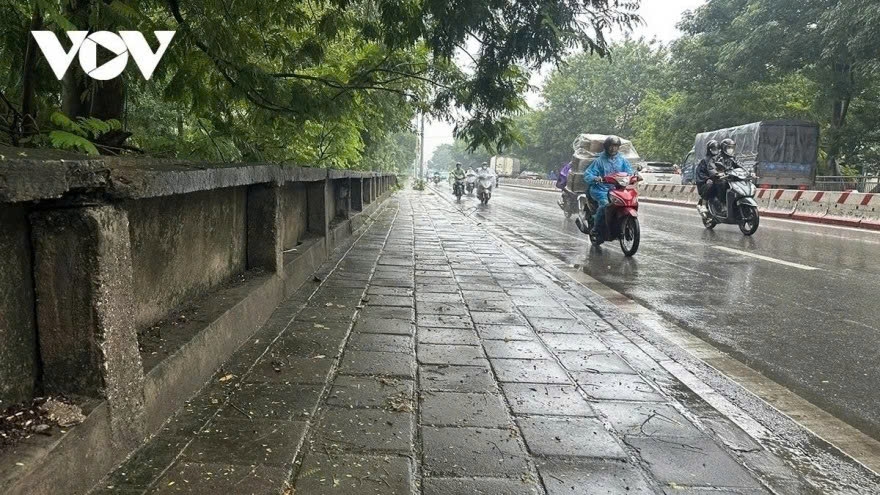
From the night of March 3, northern localities, including the capital Hanoi, are forecast to experience cooler conditions during the night and early morning hours.
Mountainous northeastern provinces are set to see more pronounced cooling at night and in the early morning. Rainfall is forecast to decrease from late March 3 into March 4, with sunny intervals returning during the day, though nighttime temperatures will remain relatively low.
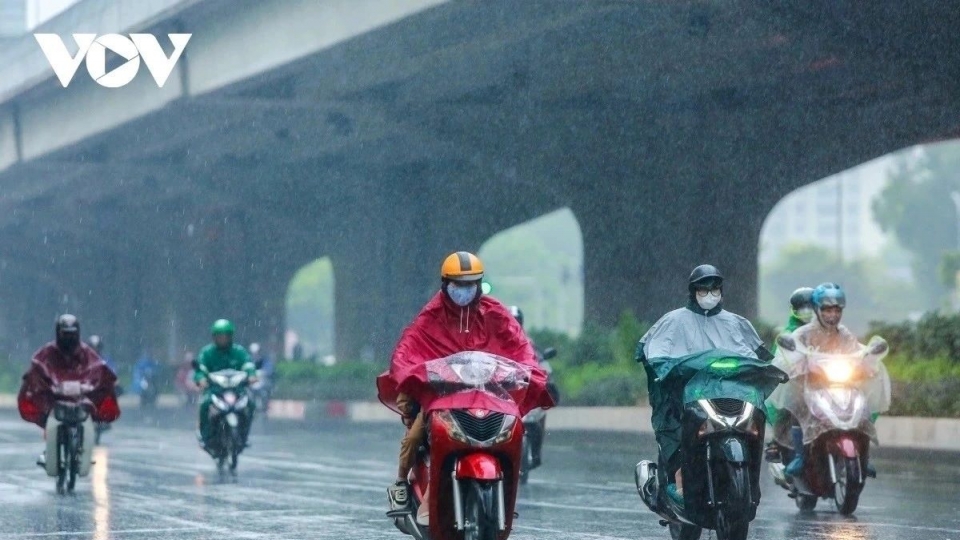
In Hanoi, skies will remain mostly cloudy with scattered showers and thunderstorms, particularly at night and in the early morning.
Temperatures are forecast to range between 19–21°C overnight and 28–30°C during the day, with some areas exceeding 30°C before the cold air fully strengthens. Once the system intensifies, daytime temperatures are expected to fall by approximately 3–6°C.
Although the cold air mass is considered weak, its interaction with previously warm conditions may trigger significant atmospheric instability, increasing the risk of severe thunderstorms and strong gusts.
Scattered showers and thunderstorms are expected across northern provinces and those stretching from Thanh Hoa to Quang Ngai in central Vietnam. Some areas may experience moderate to heavy rainfall.
Meteorologists warned that thunderstorms could be accompanied by whirlwinds, lightning, hail and strong gusts.
The system is anticipated to expand southward, impacting parts of north-central and central Vietnam in the coming days.
According to experts, cooler temperatures could affect livestock and crop growth, while thunderstorms with hail and strong winds pose risks to agricultural production, trees, housing and infrastructure.
Meteorologists advised residents, particularly fishermen and farmers, to monitor official weather updates and take preventive measures to minimise potential damage.
Cold surge to bring rain, chill and humidity to northern Vietnam
VOV.VN - Northern Vietnam will experience one more day of warm sunshine on March 2 before a new cold air mass moves in overnight, bringing rain, lower temperatures and high humidity, according to the Vietnam National Centre for Hydro-Meteorological Forecasting.