Comprehensive anti-crime programme proposed for 2026–2030

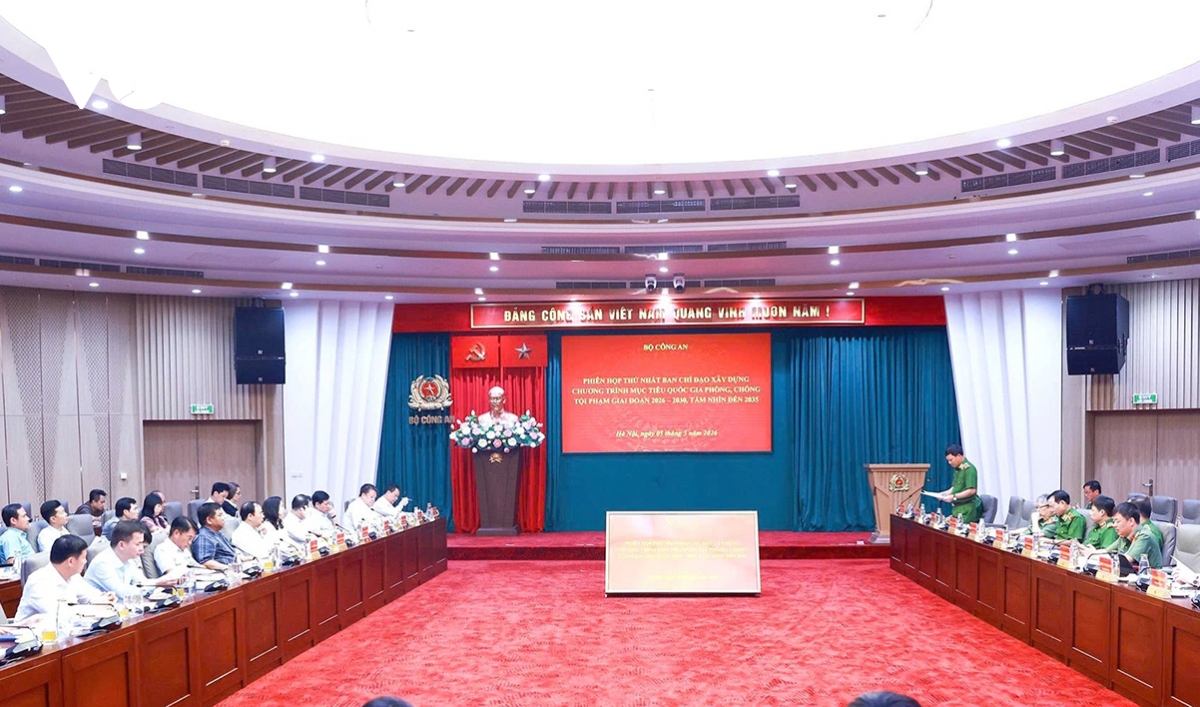
VOV.VN - The Ministry of Public Security convened the first meeting of the Steering Committee tasked with developing a national target programme on crime prevention and control for the 2026–2030 period, with a vision to 2035, in Hanoi on May 5.
Over the past 15 years of implementing the Politburo’s Directive No. 48 and a decade of the national crime prevention strategy for 2016–2025 with orientation to 2030, Vietnam has achieved significant progress in combating crime. However, experts warned that crime is expected to become increasingly complex in the coming years.
Emerging trends include more sophisticated and transnational criminal activities, particularly those linked to high technology, cyberspace, finance and economic sectors. Violations related to environmental protection and food safety are also set to pose growing challenges amid rapid digital transformation and deeper international integration.
The 14th National Party Congress reaffirmed the priority of maintaining political security, social order and safety, and a stable environment to support national development. In this context, the development of a national anti-crime programme is seen as a strategic and long-term task aimed at mobilising resources and strengthening coordination across the political system and society to create sustainable improvements in crime prevention and enforcement.
At the meeting, participants discussed the first draft proposal for the programme’s investment policy, assessed the current crime situation and prevention efforts, and identified key viewpoints, objectives, scope, and target groups. They also proposed tasks, solutions, and inter-agency coordination mechanisms, while reviewing a list of proposed projects and sub-projects.
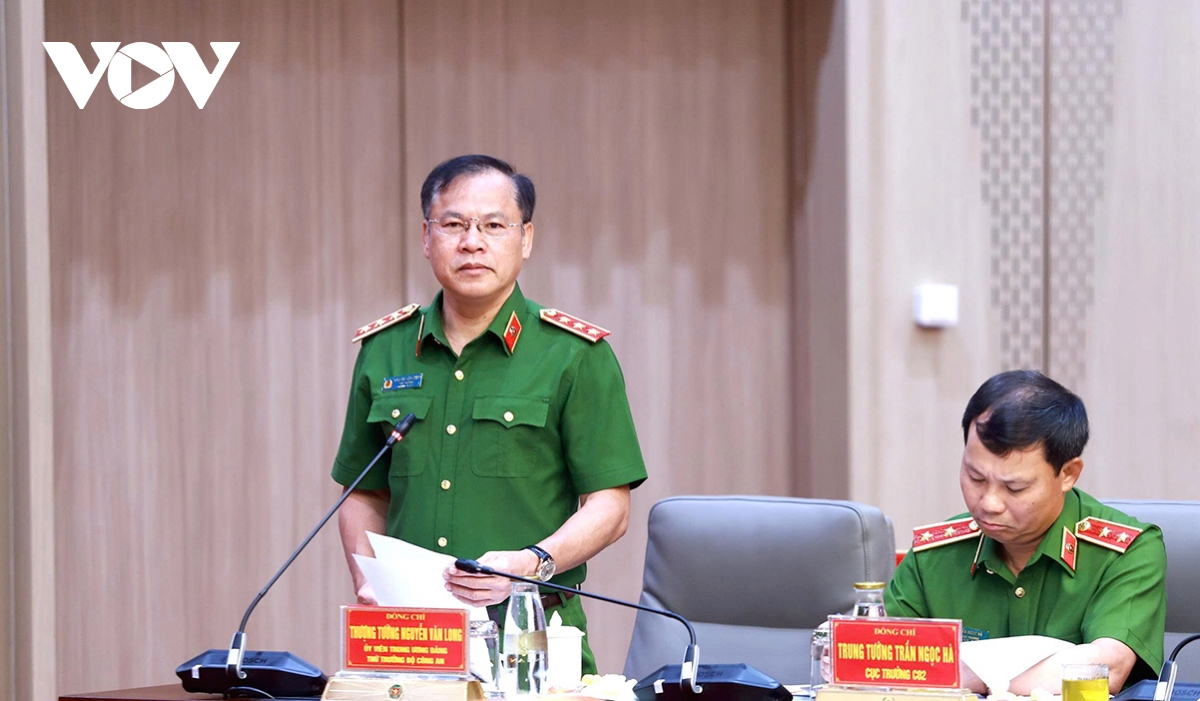
Senior Lieutenant General Nguyen Van Long, Deputy Minister of Public Security and Standing Deputy Head of the Steering Committee, stressed that the programme must clearly define guiding principles, objectives, tasks, and solutions. He highlighted the importance of accountability, with clearly assigned responsibilities, timelines, and deliverables.
He also underlined that the programme should be strategic, comprehensive, well-coordinated, and highly feasible, while aligning with national target programmes, the national digital transformation strategy, and broader socio-economic development plans.
Relevant ministries, sectors, and localities were urged to finalise reports and documentation and submit them to the Steering Committee members for feedback before May 10.

PM calls for proactive crime prevention, no surprise in crime fight
VOV.VN - Prime Minister Le Minh Hung has called on the criminal police force to adopt a more proactive and technology-driven approach to law enforcement, stressing the need to “avoid any passivity or surprise in the face of all types of crime, including high-tech crime.”