Tougher cybercrime laws needed to combat rising high-tech crime

VOV.VN - Lawmakers have called for urgent improvements to cybercrime legislation and tougher oversight of digital platforms, warning that high-tech fraud has become increasingly dangerous and complex despite recent progress in crime prevention.

Speaking at the ongoing National Assembly plenary session in Hanoi on December 9, deputy Nguyen Tuan Anh from Dong Nai province pointed out that the Government, the Ministry of Public Security and local authorities had proactively assessed crime trends and taken timely measures, helping to curb serious and especially serious crimes. He noted that major cases involving drugs, loan-sharking, smuggling, corruption, economic wrongdoing and abuse of office had been successfully investigated.
However, he said, several areas remained worrying, highlighting a sharp rise in high-tech scams, including online investment fraud, bank-account theft and impersonation of state agencies, as well as cases of juveniles being lured into online gambling, organised fraud schemes, and school-related violence.
The deputy said drug-related crime, loan-sharking and organised criminal networks were not being pushed back, with many groups exploiting social media to coordinate trafficking and illegal lending.
He proposed overhauling legislation on high-tech crime, cybersecurity, personal data, virtual assets and virtual currencies, and called for clear and comprehensive regulations to help authorities prevent and prosecute online offences. He also urged stronger international cooperation on extradition, asset recovery and cross-border investigations.
According to the deputy, Vietnam needs a more technologically capable law-enforcement force, modern investigative equipment and national data-analysis centres to support cyber-investigations, along with specialised training in artificial intelligence. He called for stricter identity verification for bank accounts and mobile subscriptions, a crackdown on unregistered SIM cards, and enhanced mechanisms for tracing suspicious financial flows.
The deputy also recommended expanding legal-education programmes in schools, imposing tougher action on violent and harmful online content, and increasing the responsibility of families, schools and society in guiding young people’s behaviour online. He stressed the need to improve mechanisms for receiving crime reports via digital platforms, protecting whistleblowers, and ensuring strict, lawful handling of offences.

Sharing the view, deputy Nguyen Huu Thong from Lam Dong province stated that fraud schemes involving impersonation of banks, police, courts, online investment platforms and e-commerce continue to occur at high frequency. In many cases, victims lost all their savings and were left in debt.
Thong said investigations often face major obstacles because criminal groups use unregistered SIM cards, fake or non-owner bank accounts, virtual e-wallets, foreign-based servers and organised cross-border networks. Although cyber and telecom-related crime has decreased by 11.53% in recent years, he warned the methods employed by scammers are becoming more sophisticated and their operations larger in scale.
He urged the Government to accelerate legal reforms on cybercrime prevention, personal data protection, digital-platform regulation and the supervision of payment intermediaries. He also called for stronger investment in specialised forces, enhanced international cooperation to trace and recover assets, tighter control over illegal SIM cards and fraudulent bank accounts, and more public education to help citizens avoid scams.
The deputies said that effective crime prevention and law enforcement are essential to ensuring public safety and supporting Vietnam’s long-term development goals.
Hanoi Convention: Fostering global cooperation in combating cybercrime
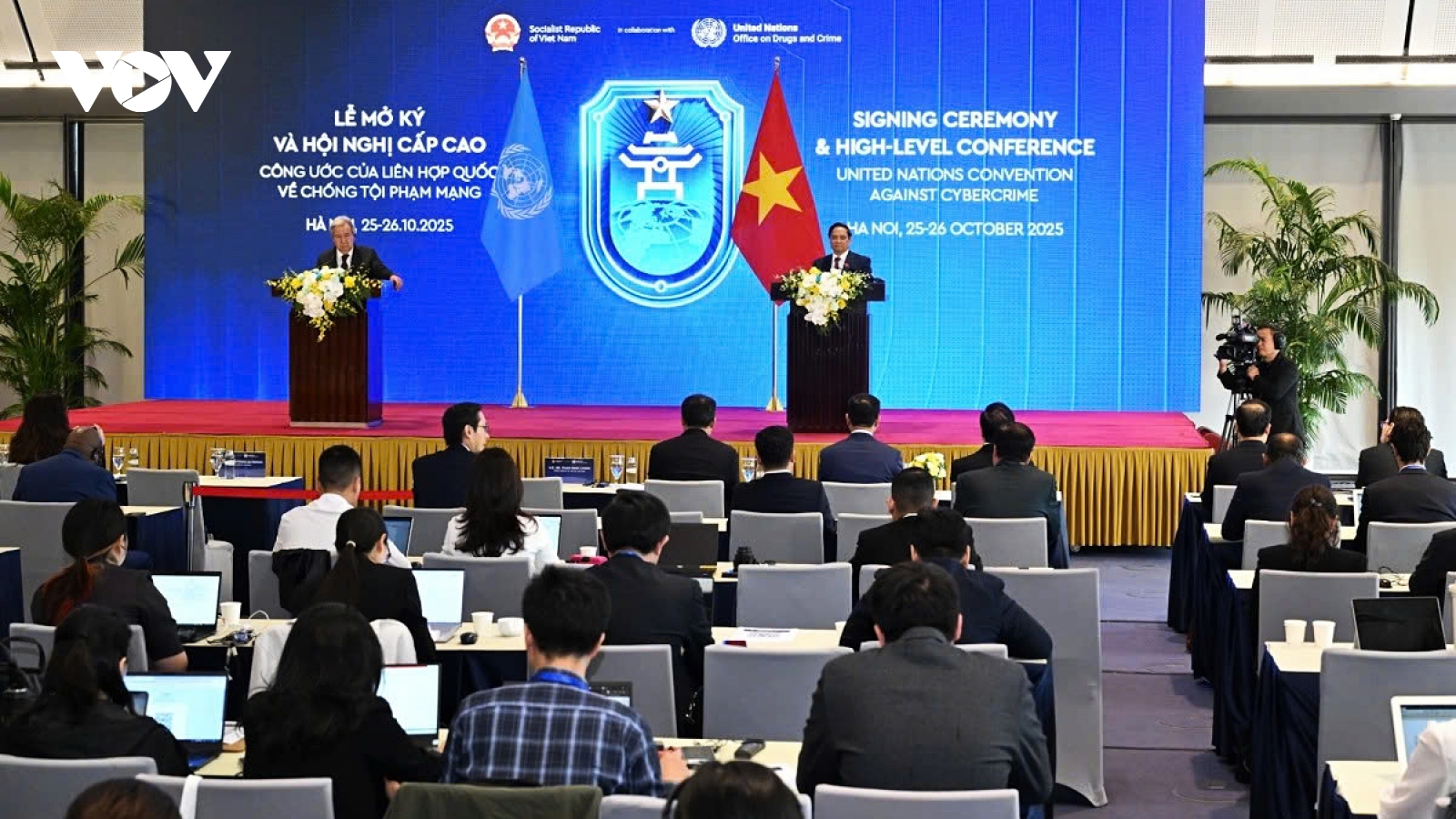
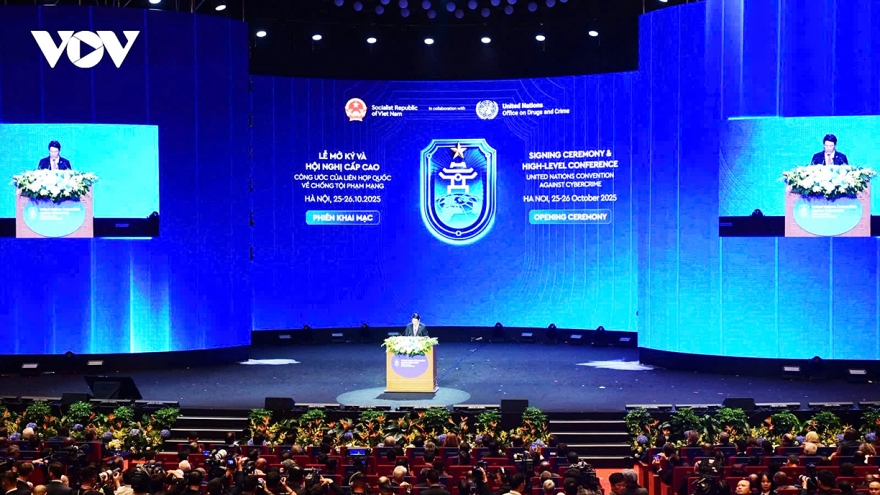
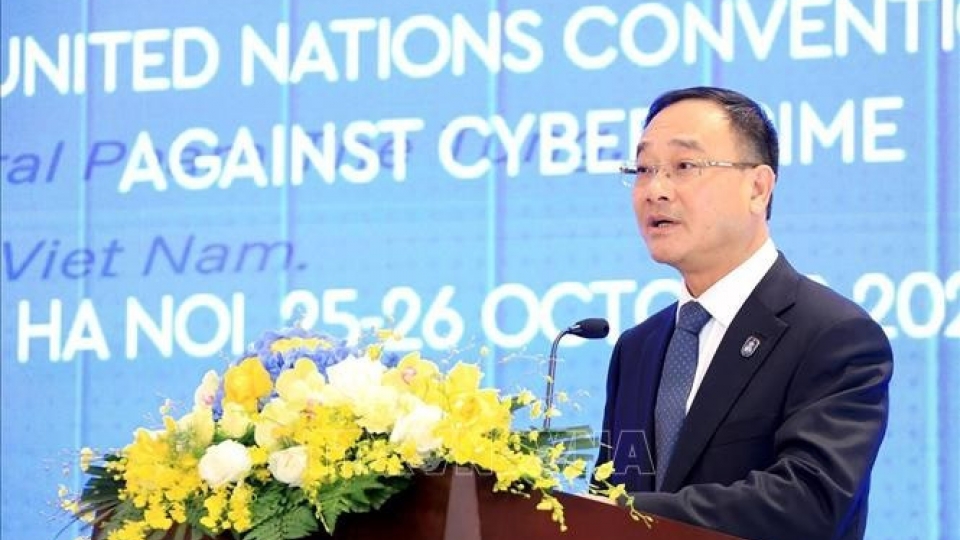
A policy discussion focusing on promoting international cooperation in combating cybercrime, with national approaches to implementing the United Nations Convention against Cybercrime (the Hanoi Convention), took place in Hanoi on October 26 on the sidelines of the convention's signing ceremony.