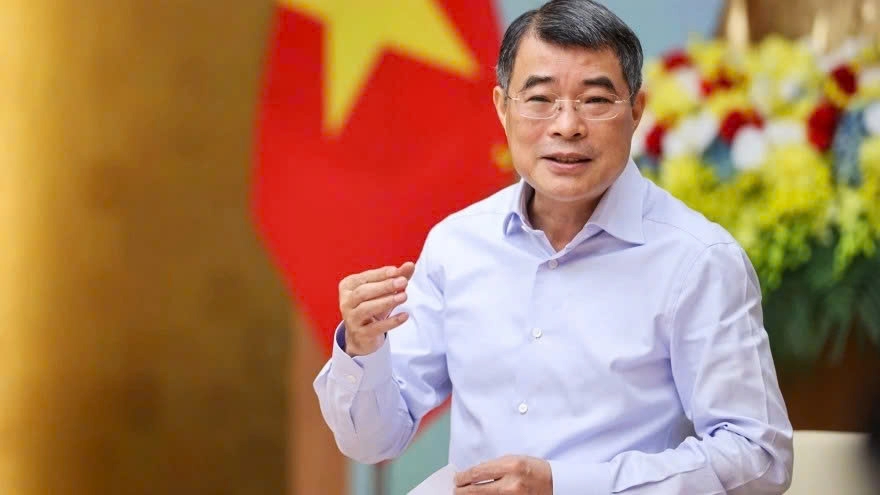
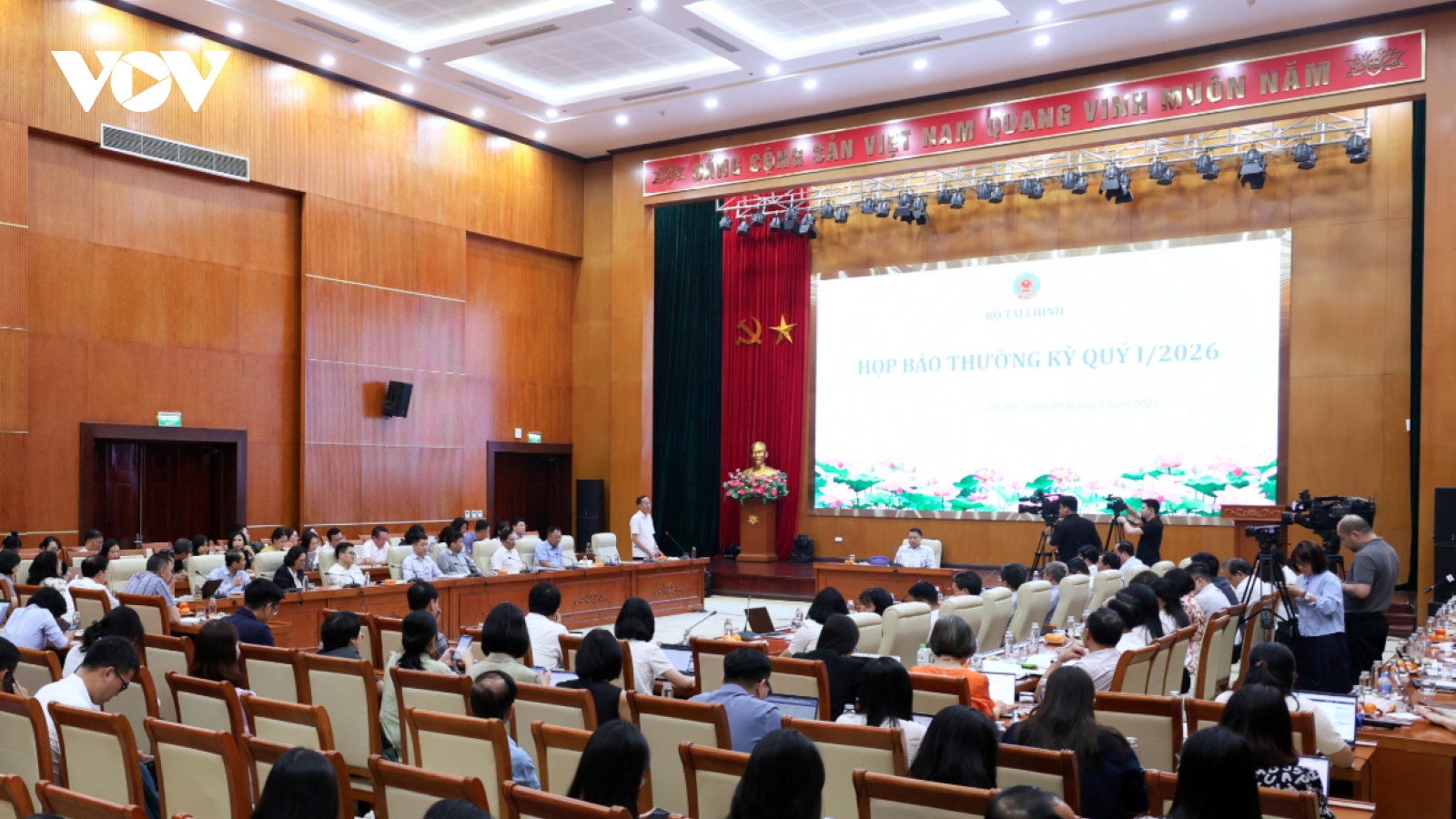
Vietnam shifts to service-oriented governance to drive double-digit growth

VOV.VN - Vietnam is pushing a shift from administrative control to service-oriented governance as it seeks to sustain double-digit growth, with the Ministry of Finance (MoF) playing a central role in mobilising and allocating resources more efficiently.
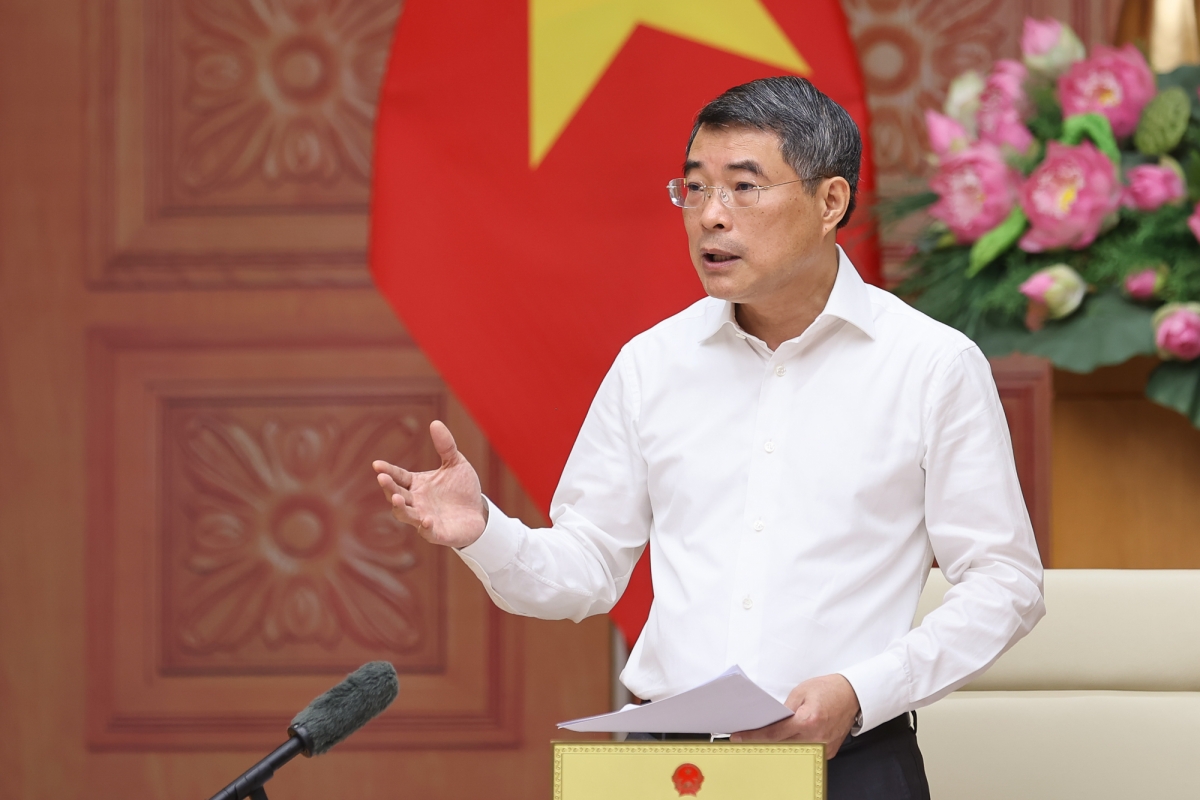
The direction was highlighted by Prime Minister Le Minh Hung during his working session with the Ministry of Finance on April 29.
At the heart of the strategy is a shift toward a more service-oriented governance model, moving away from regulation-heavy management to a more enabling approach that supports production, investment and business activity, said the Prime Minister.
He stressed the need for stronger policy responsiveness, improved forecasting capacity and a more proactive approach to macroeconomic management to meet the country’s double-digit growth target in an increasingly uncertain global environment.
He said Vietnam has chosen not to revise its growth target despite global headwinds, reflecting strong resolve across the government, businesses, the public and the broader political system.
The more challenging the situation, the stronger our resolve must be, the government leader stated.
He underscored the pivotal role of the MoF in maintaining macroeconomic stability, safeguarding major economic balances and ensuring the effective mobilisation and allocation of resources to support growth.
Vietnam’s growth ambitions will require a significant expansion of investment capital, estimated at 1.7 to 2 times higher than in the previous term, while state budget resources are expected to account for only around 20–22% of total demand. Prime Minister Hung therefore called on the MoF to step up efforts to mobilise both domestic and international resources, particularly through more developed capital markets.
The government is prioritising deeper financial market reforms, including strengthening the stock market as a key channel for medium- and long-term capital, improving transparency, and accelerating the restructuring and equitisation of state-owned enterprises, he noted.
The Government leader also emphasised the importance of maintaining fiscal discipline, enhancing the efficiency of public spending and investment, and tightening tax administration to prevent revenue losses while expanding the tax base.
Digital transformation is another core pillar of the shift. He urged the MoF to accelerate the application of data and digital technologies in governance, streamline administrative procedures and improve policy implementation.
Institutional reform remains a parallel priority, with the government pushing for a comprehensive review and revision of legal frameworks governing public finance, investment and business activity to remove bottlenecks and create a more transparent and predictable environment.
Looking ahead, the Prime Minister tasked the MoF with refining growth scenarios, strengthening inter-agency coordination in macroeconomic management, and advancing strategies to build a more independent and resilient economy while maintaining global integration.
The overall approach underscores Vietnam’s effort to reposition its growth model, placing greater emphasis on efficiency, market mechanisms and proactive governance, as it navigates an increasingly complex global landscape.
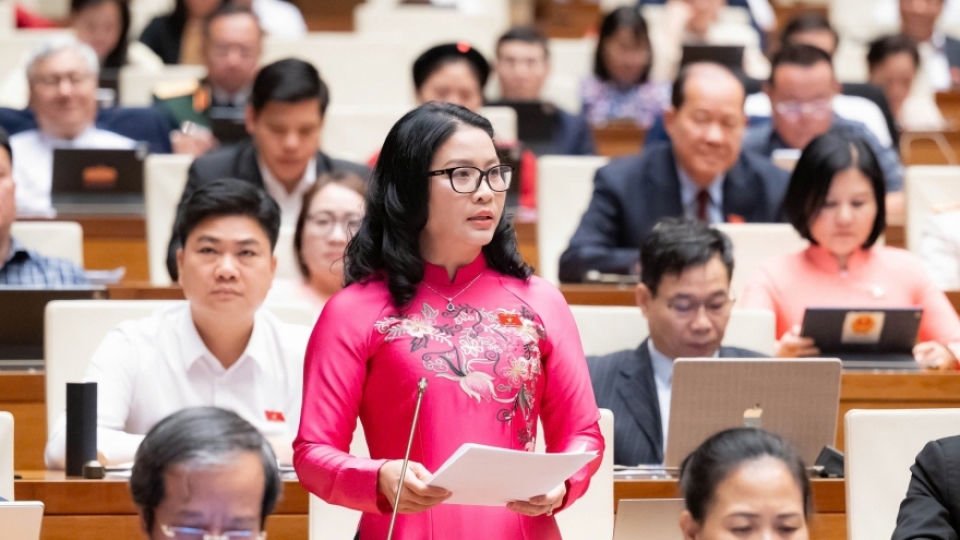
Lawmakers propose solutions to sustain double-digit growth momentum
VOV.VN - The National Assembly on April 21 is set to discuss socio-economic development and key reforms, with lawmakers expected to put forward solutions aimed at achieving double-digit growth this year.