Q1 GDP 7.83% sets stage for Vietnam’s double-digit growth push

VOV.VN - Vietnam’s economy recorded 7.83% growth in Q1 2026, slightly below expectations, prompting the government to accelerate public investment, support businesses, and boost exports to achieve the double-digit growth target for the whole year.
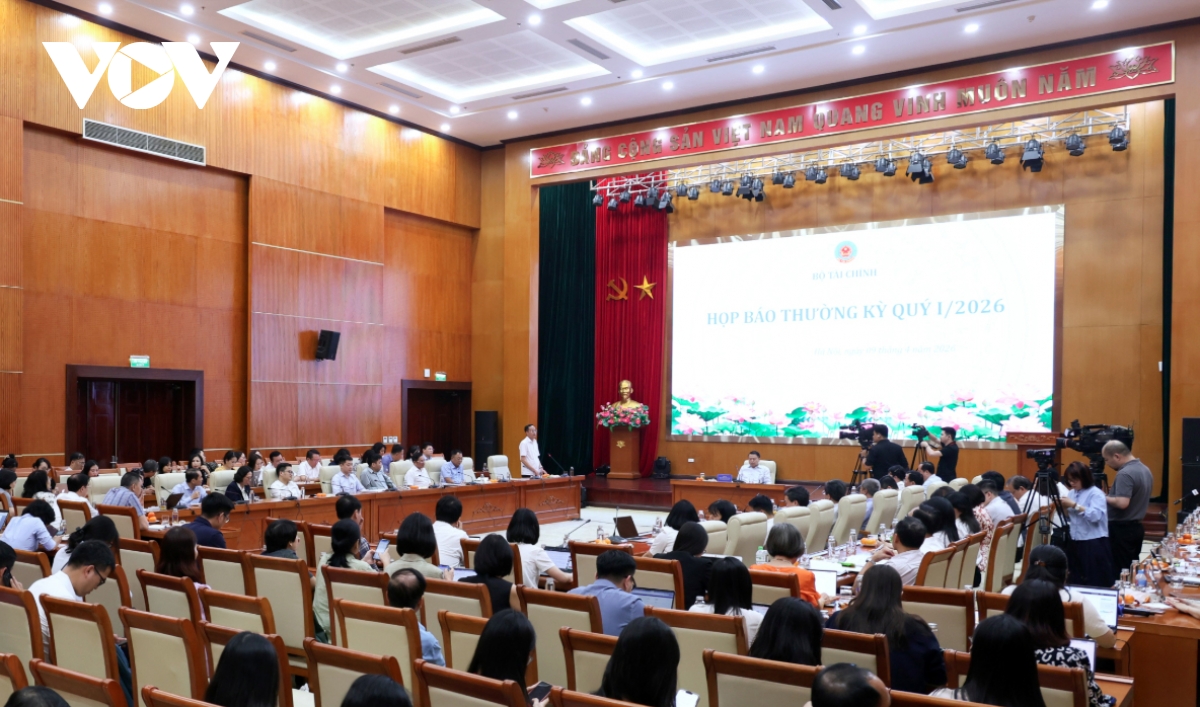
Statistics show the national economy expanded by 7.83% in the first quarter of 2026, slightly below the government’s initial target of 9.1% but higher than the 7.05% registered in the same period last year. While the figure demonstrates the economy’s resilience amid global uncertainties, including geopolitical tensions and volatile energy markets, it also highlights the pressure on the remaining three quarters to achieve the government’s annual growth target. To meet this goal, coordinated acceleration and strategic use of growth drivers will be essential.
At the Q1/2026 regular press conference in Hanoi on April 9, Deputy Director of the State Budget Department Dinh Xuan Ha at the Ministry of Finance (MoF) emphasised that the MoF continues to implement flexible and proactive fiscal policies to stabilise the economy, support businesses, and create favourable conditions for investment.
“We will continue to study and propose fiscal measures to support the economy, remove obstacles for businesses, and strengthen anti-tax evasion, transfer pricing controls, and maximize potential revenue sources,” he said.
The MoF reported that state budget revenue for Q1 2026 exceeded VND829 trillion, marking an 11.4% year-on-year increase, while cumulative expenditure surpassed VND530 trillion. Investment spending rose nearly 45% compared with the same period last year, reflecting efforts to accelerate public investment, particularly for key national projects, and to support production and consumption across sectors.
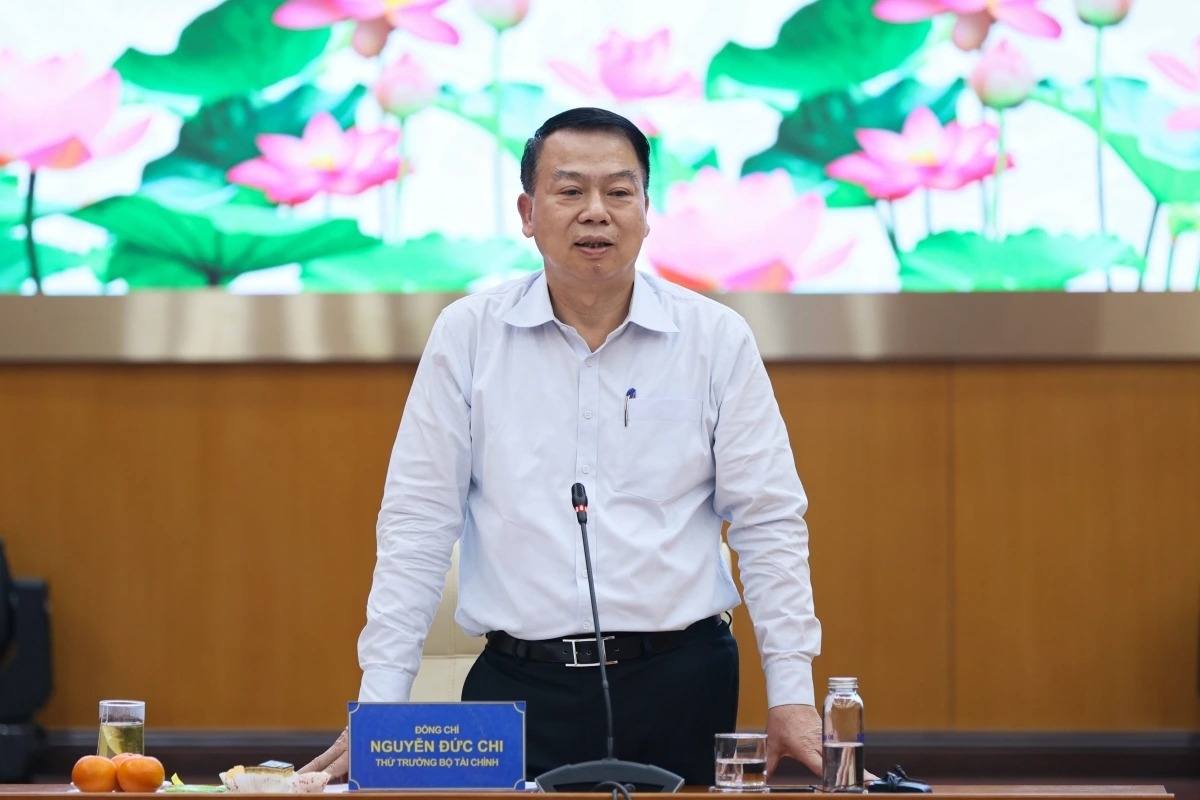
MoF Deputy Minister Nguyen Duc Chi highlighted that the Ministry’s role extends beyond revenue and expenditure management to creating an environment that attracts investment into strategic projects, enhances production capacity, and promotes sustainable development. He also revealed plans to encourage FDI reinvestment domestically, develop international investment funds, advance carbon credit markets, and explore the establishment of a digital asset exchange to mobilise additional economic resources.
Among the 34 localities, 23 provinces recorded GRDP growth of 8% or higher in Q1, with Ha Tinh, Ninh Binh, Hai Phong, and Hung Yen achieving double-digit growth. This foundation provides a strong starting point for accelerating growth in the remaining quarters.
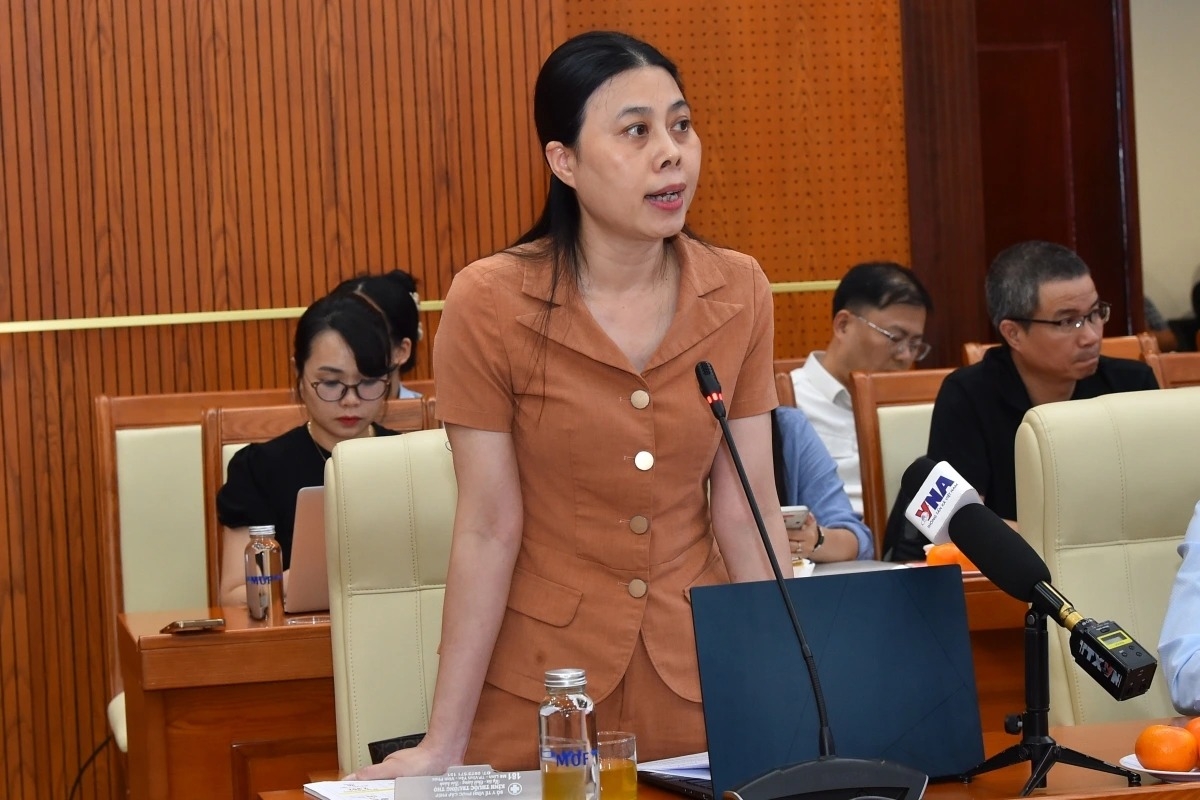
According to Do Thi Ngoc, deputy director of the National Statistics Office, achieving the annual GDP target will require Q2 growth of 10.5%, Q3 at 10.6%, and Q4 at 10.44%. She emphasised that coordinated efforts among central and local authorities are critical to maintaining momentum and realising the government’s goal of a double-digit annual growth rate.
The Ministry of Finance and other agencies identified seven core solutions to drive growth, including optimising fiscal revenues and expenditures, accelerating public investment, supporting businesses through fiscal and monetary policies, stimulating domestic consumption, and expanding export-oriented industries. Public investment continues to serve as a catalyst, with Q1 disbursement exceeding VND110 trillion, VND30 trillion higher than the same period last year. Domestic consumption is expected to rise further thanks to wage reforms and demand-stimulating policies, while fiscal and monetary coordination provides essential support to businesses and production activities.
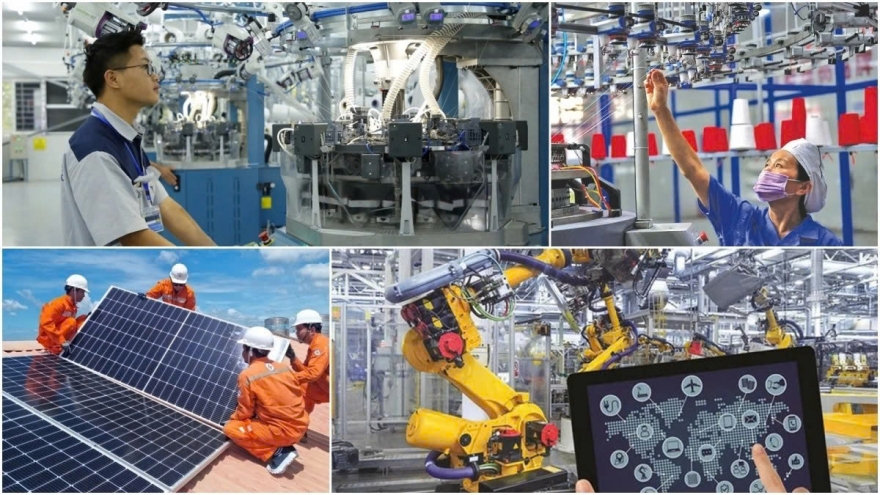
Additionally, sectors such as science and technology, digital transformation, artificial intelligence, and automation are anticipated to improve labour productivity and generate new long-term growth drivers. Export growth will be bolstered by effective utilisation of free trade agreements (FTAs), diversification of trading partners, and enhanced competitiveness in key sectors.
The press conference underscored that flexible fiscal management, efficient investment allocation, and strategic enterprise support are central to navigating external uncertainties, stabilising the economy, and fostering sustainable growth. By implementing these measures and leveraging key growth drivers, Vietnam is positioned not only to recover from Q1 challenges but also to accelerate in the remaining quarters, aiming to achieve the government’s full-year GDP target and strengthen economic resilience in a complex global environment.

Trade ministry outlines measures to sustain double-digit GDP growth in 2026
VOV.VN - As Vietnam aims for double-digit GDP growth in 2026, the Ministry of Industry and Trade (MoIT) is rolling out a series of coordinated measures to ensure stable production, boost exports, and increase local content in key industries.