PM pushes inclusive housing policy to benefit all residents

VOV.VN - Prime Minister Pham Minh Chinh on December 17 requested relevant ministries and localities to accelerate housing policies to ensure affordable access for all residents, saying no one should be left behind in exercising the right to housing.
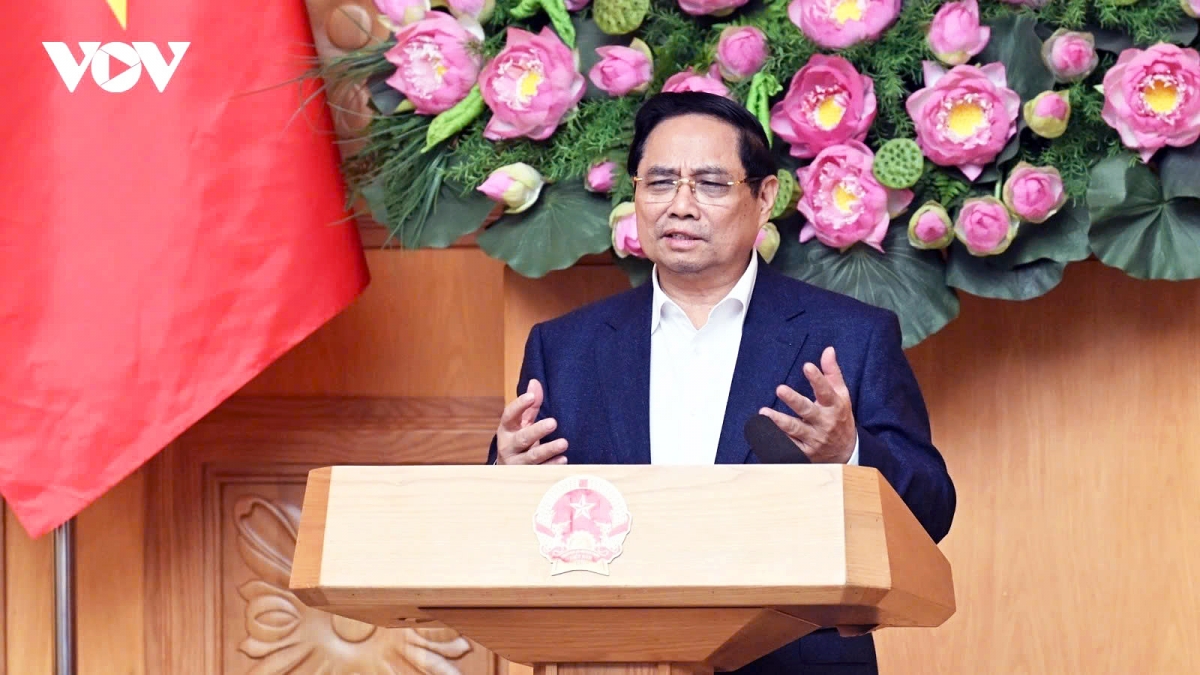
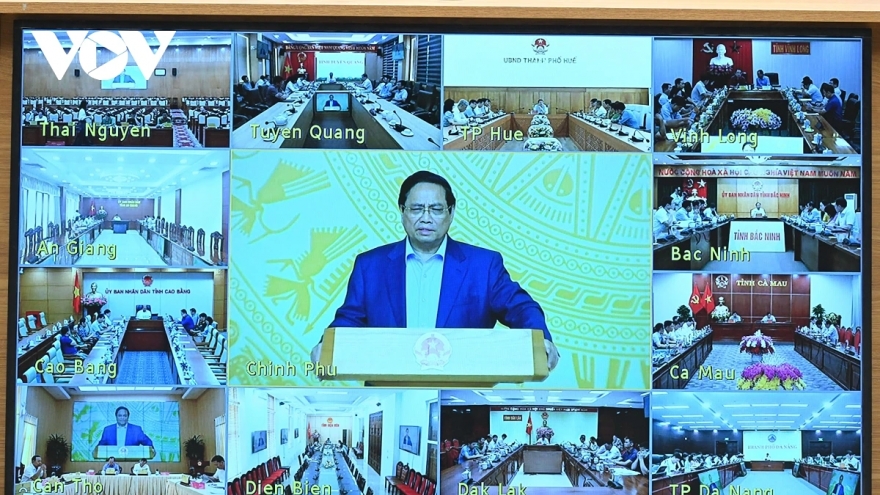
Addressing the fourth meeting of the Central Steering Committee on Housing Policy and the Real Estate Market in Hanoi, the Prime Minister highlighted major progress in eliminating temporary and dilapidated houses nationwide, describing the campaign as a “rapid-response effort.”
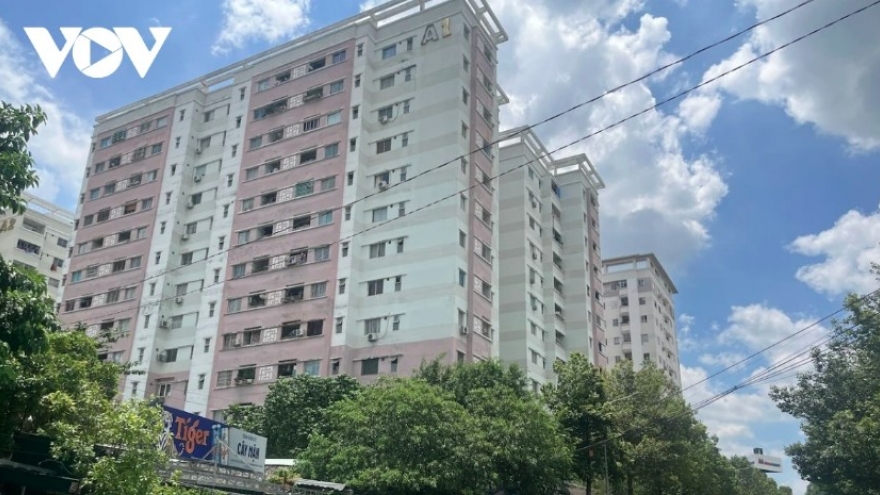
He said that within just over a year, Vietnam had mobilised resources to replace more than 334,000 substandard houses with permanent, resilient homes, contributing to social security and climate resilience.
He called on ministries, sectors and localities to continue reviewing and improving social housing and housing support policies, particularly in disaster-prone and climate-vulnerable areas. He also underlined the need for timely policy adjustments to ensure inclusive access to housing.
With regard to social housing, the Prime Minister noted that Vietnam has already exceeded its 2025 goal of supplying 100,000 social housing units, expecting that the ambitious goal of one million social housing units could be achieved by 2028 at the latest if current momentum is maintained.
He urged localities to allocate land funds, ensure access to construction materials, streamline administrative procedures under green channel mechanisms, and assign social housing projects to capable and reputable developers. He reminded that housing development must reflect social responsibility and should not sacrifice the environment for short-term growth.
With regard to the real estate market, the Prime Minister acknowledged signs of recovery and stabilisation, crediting coordinated efforts across the political system. He called for the development of a transparent, stable and sustainable real estate market, with diversified funding sources including bank credit, bonds and public-private partnerships.
He also directed relevant agencies to establish a national housing and real estate database by the first quarter of 2026, covering commercial housing, social housing, real estate transactions, temporary housing and inventory levels. He urged further institutional reforms to make housing ownership, leasing and transfer more flexible and accessible for both individuals and businesses.

According to the Ministry of Construction, Vietnam currently has 3,297 housing and land development projects nationwide, including commercial housing, social housing and land-for-sale developments, with a combined scale of 5.9 million units and total registered investment of approximately VND7.42 quadrillion.
Since 2022, the real estate market has gradually recovered, with annual transaction volumes ranging from 537,000 to 785,000 transactions across various segments.
However, housing prices have risen sharply in recent years. Apartment units, townhouses, villas and residential land plots have recorded average price increases of 10–15% per year, with some periods seeing spikes of up to 30%. These increases have significantly outpaced average income growth, making housing less affordable for many residents.
Prices in other segments such as tourism, resort, commercial, office and industrial real estate have grown more moderately, at around 5–10% annually, well below the pace of residential property price increases.
The State Bank of Vietnam reported that real estate credit growth in 2025 reached 19–20%, with outstanding real estate loans accounting for about 24% of total credit. The central bank said it continues to closely monitor liquidity risks, ensuring medium- and long-term lending remains within safe thresholds, currently controlled at below 30%.
Social housing must be developed quickly, transparently and fairly: PM
VOV.VN - Social housing projects must be developed as quickly, transparently, and conveniently as possible to ensure equal access for all, prevent negative practices, safeguard social welfare, and contribute to inclusive and sustainable national development, Prime Minister Pham Minh Chinh has emphasised.