PM calls for results-based governance to drive digital economy, AI development

VOV.VN - Prime Minister Pham Minh Chinh has called for a decisive shift from task-based administration to results-based governance, urging ministries and local authorities to measure performance by tangible outcomes and public satisfaction as Vietnam accelerates digital transformation and innovation-driven growth.
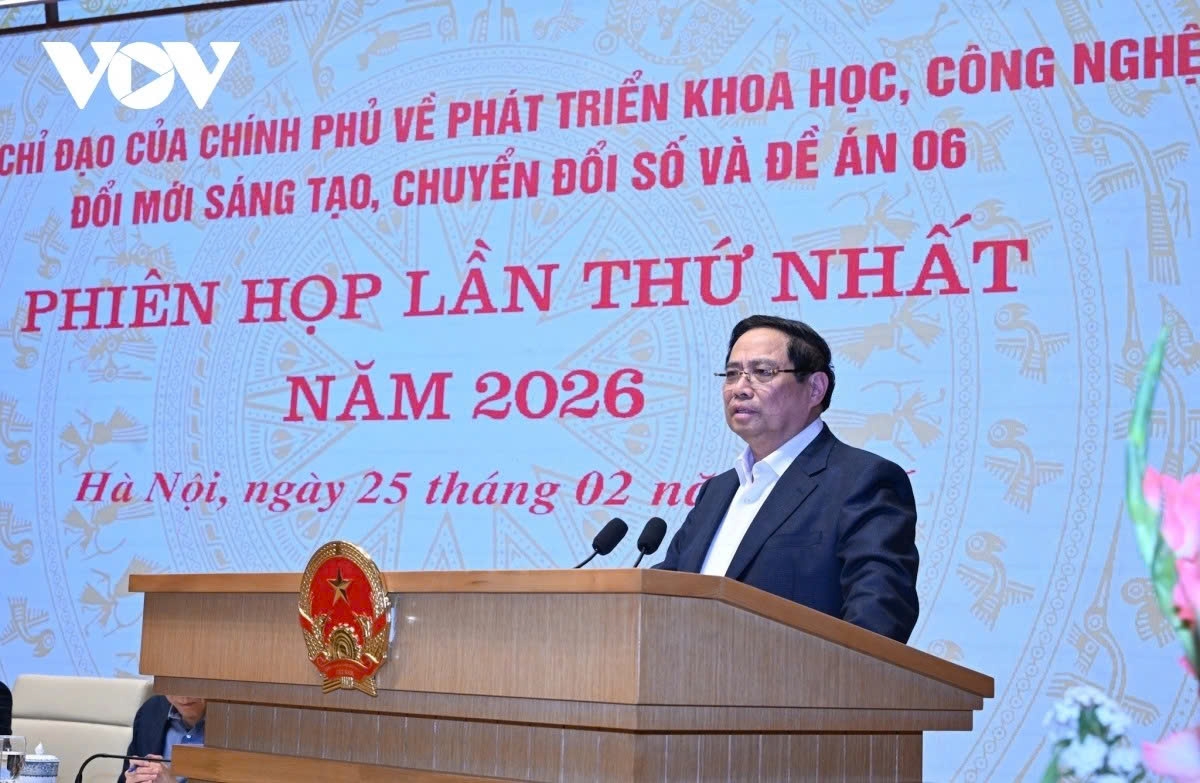
Chairing the first 2026 meeting of the Government Steering Committee on science and technology development, innovation, digital transformation and Project 06, the Prime Minister stressed that science, technology, innovation and digital transformation must become the primary engines of economic growth.
He underscored the need to complete breakthrough legal frameworks, particularly in the data economy and artificial intelligence, and to promptly issue guiding regulations for newly adopted laws on digital transformation, AI, cybersecurity and e-commerce to avoid legal gaps.
The Ministry of Public Security was tasked with drafting a decree on special mechanisms for developing a data innovation and exploitation centre under the National Data Centre, to be submitted in the first quarter of 2026. The Prime Minister also urged the early operational launch of National Data Centre No.1, nationwide 5G expansion within 2026, and the commercial rollout of low Earth orbit satellite internet services.
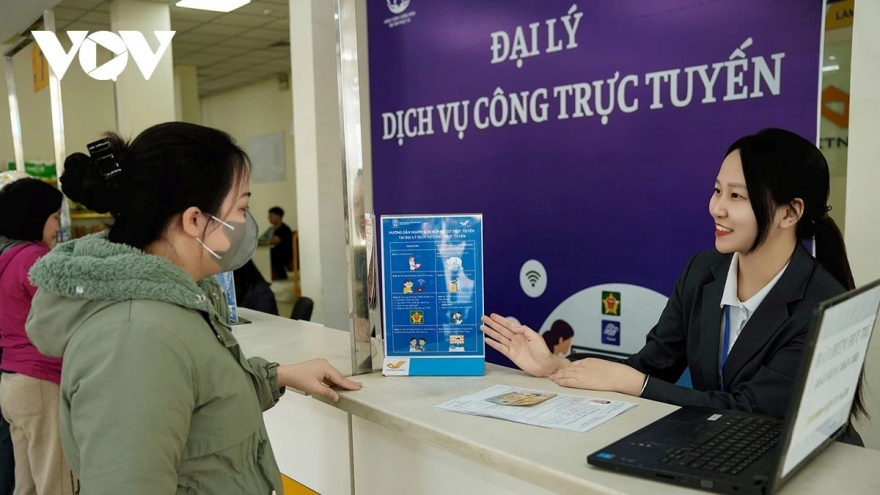
On Project 06 – a national initiative leveraging the population database, digital identity and e-authentication to support socio-economic development, the Prime Minister emphasised stronger integration with administrative reform. He highlighted the need to eliminate redundant requests for documents and information already available in national databases or integrated into the VNeID digital identity platform.
According to the leader, the government will ensure that at least 3% of annual state budget expenditure is allocated to digital transformation. Priority will be given in the first quarter of 2026 to strategic technology products, particularly artificial intelligence and unmanned aerial vehicles (UAVs).
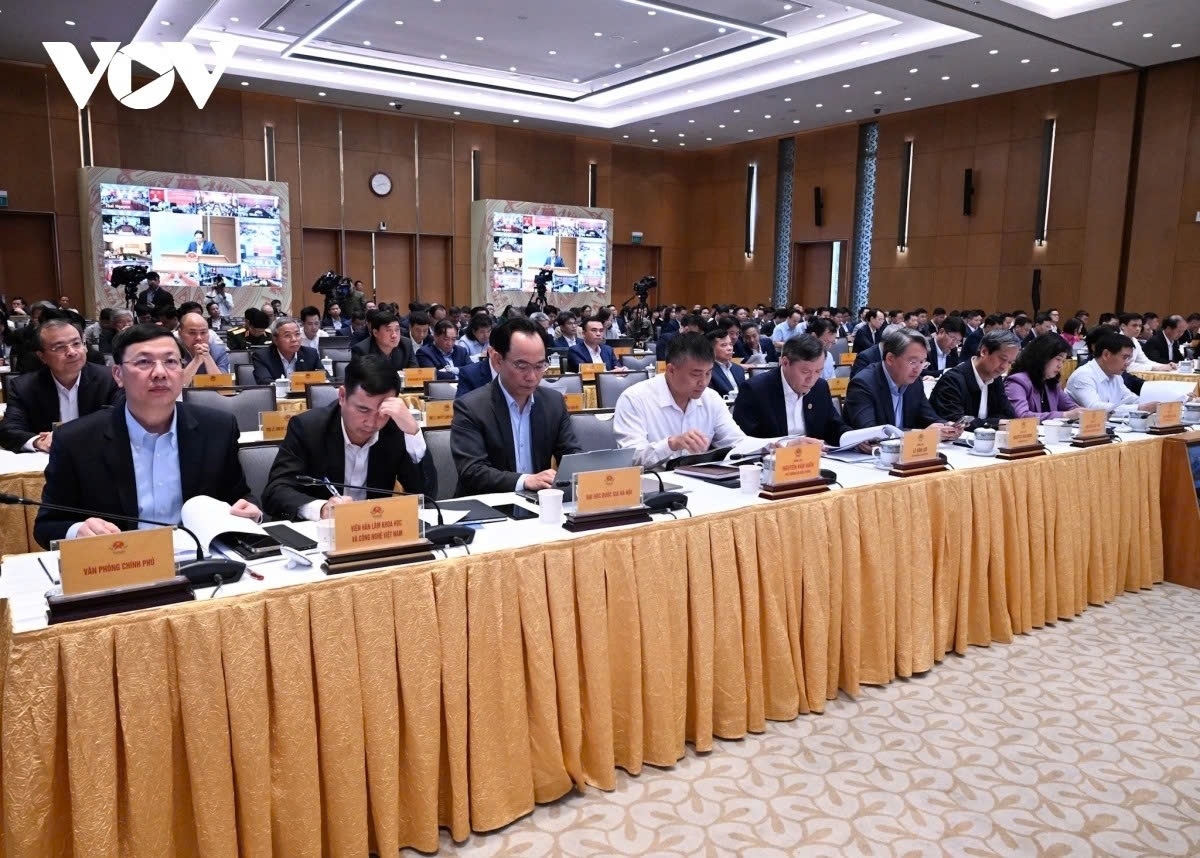
While acknowledging progress made by ministries, localities and businesses, the Prime Minister reminded that key national databases in social security, agriculture, health care and administrative sanctions remain incomplete. Digital infrastructure has yet to fully match Vietnam’s economic growth momentum, with 5G coverage still below nationwide targets and large-scale data centres yet to be fully deployed.
According to Deputy Minister of Science and Technology Vu Hai Quan, Vietnam has set three key macro targets for 2026: the digital economy to account for 14.5% of GDP; science, technology, innovation and digital transformation to contribute 17.5% of GDP; and total factor productivity (TFP) to make up 50% of average economic growth during 2022–2026.
Authorities also reported that over 87 million chip-based citizen ID cards have been issued, while the VNeID platform now provides 50 digital utilities with more than 500 million user visits.
Prime Minister Chinh expressed confidence that a data-centred, AI-driven digital economy would generate stronger and more sustainable growth, helping Vietnam modernise its governance model and enhance national competitiveness in the coming years.

PM seeks financial autonomy reform in science and technology sector
VOV.VN - Prime Minister Pham Minh Chinh has instructed the Ministry of Science and Technology to draft and issue guidelines granting greater financial autonomy and accountability to research institutions, with completion targeted for March 2026.