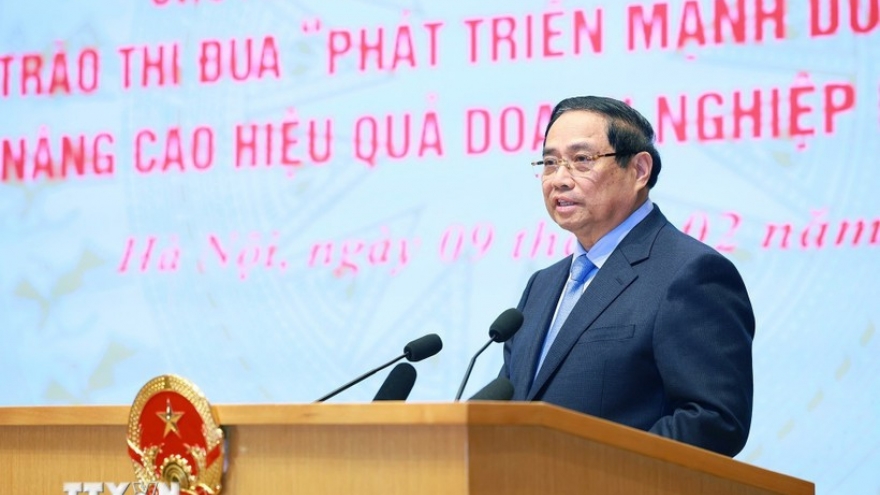
Digital and green transformation changes industrial structure

VOV.VN - Digital and green transformation processes are assessed as reshaping industries by gradually reducing the share of extractive sectors while increasing the proportion of processing and manufacturing.
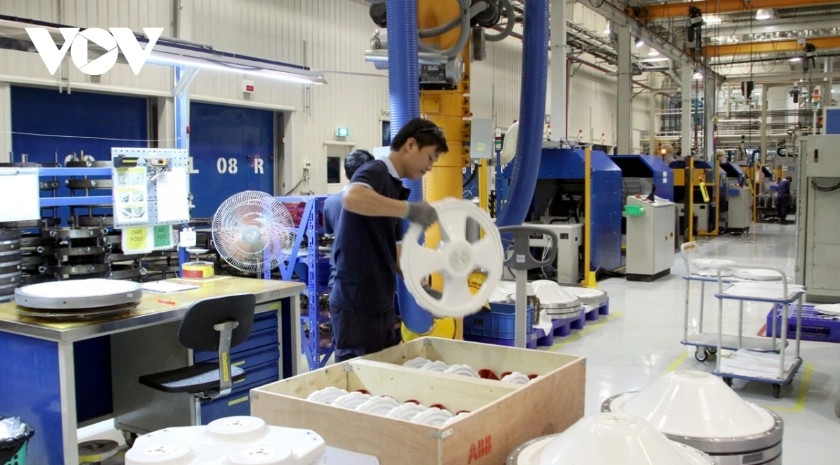
Enterprises that adapt early to digital and green transformation gain clear advantages as environmental and technical requirements rise in markets such as the EU, the US and Japan. Green transformation, therefore, is not only a matter of technology or policy, but a broad shift in business thinking.
Digital transformation is a process, not a destination
From the perspective of a startup, Nguyen Huu Phuoc Nguyen, Chief Executive Officer of Selex Motors, said that for startups, investing from the outset in a fully automated, IoT-connected factory is extremely challenging. However, enterprises must recognise the importance of data, as collecting production data enables analysis and a clearer understanding of production processes, which in turn supports improvements across the entire production chain.
He said enterprises need to understand the role of digital transformation and identify the most critical stages to begin digitisation, moving step by step from traditional to modern approaches. Even data collected on a daily basis, rather than in real time, can be highly useful. When digital transformation delivers tangible benefits, enterprises will find ways to invest and apply it, but the main obstacle remains awareness, particularly when benefits are not yet clearly visible.
From the perspective of energy infrastructure, Nguyen Xuan Khai, Deputy Director of the EVN-ICT, said Vietnam Electricity (EVN) has shifted from a traditional operating model toward a digital ecosystem, covering digital offices, ERP systems and SCADA/DCS platforms across the national power grid. The proportion of unmanned substations has reached 92.68% at the 500 kV level and 100% at the 110 kV level.
He said the use of UAVs and AI allows EVN to automate power line inspections, shorten incident response times and improve safety. During the 2026-2030 period, EVN aims to complete a shared data repository, standardise data semantics and deploy high-performance AI infrastructure as it moves toward the “Smart EVN” model.
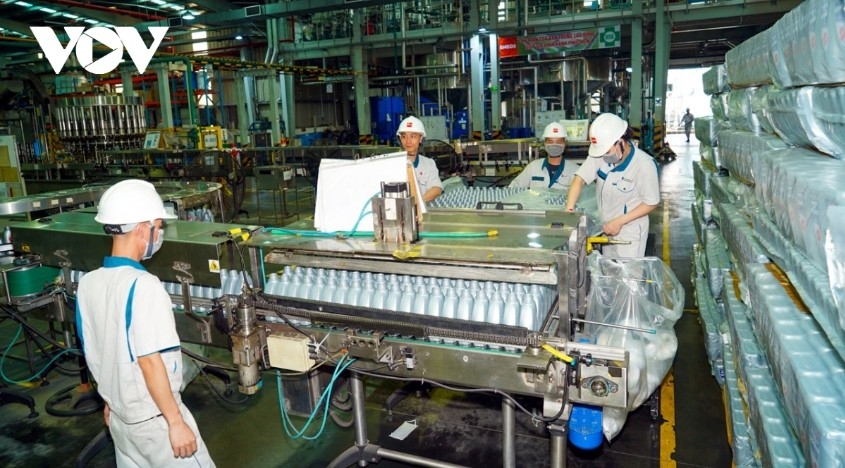
From both enterprise and regulatory perspectives, most of the difficulties identified are subjective in nature. Enterprises are largely able to deal with these challenges themselves, helping speed up their digital and green transformation.
Nguyen An Son, Head of Project Development at the Centre for Informatics and Digital Technology under the Department of E-commerce and Digital Economy of the Ministry of Industry and Trade, said enterprises must change their mindset and be prepared for digital transformation. He stressed that digital transformation should be viewed as a process rather than a destination, as technology evolves on a daily basis.
He said technologies considered new today may no longer be new tomorrow, making it necessary for enterprises to recognise that digital transformation unfolds over time. With this understanding, enterprises can adjust production processes and revise outdated regulations, applying practical lessons drawn from their own operations.
Meeting green consumer demand
Green transformation has become a central focus in development strategies as economies worldwide move toward sustainable development. For Vietnamese enterprises, this represents not only a market requirement but also an opportunity to create new value and strengthen their position in global supply chains.
Noting that the EU-Vietnam Free Trade Agreement (EVFTA) is opening new opportunities for Vietnam’s textile and garment sector by reducing market risks and encouraging greener production in line with European standards, Nguyen Hoang Thuy, Vietnam’s Trade Counsellor in Sweden and concurrently responsible for the Nordic region, said the EU market, including Nordic countries, holds long-term strategic value due to its stability, EVFTA advantages and strong demand for sustainable products.
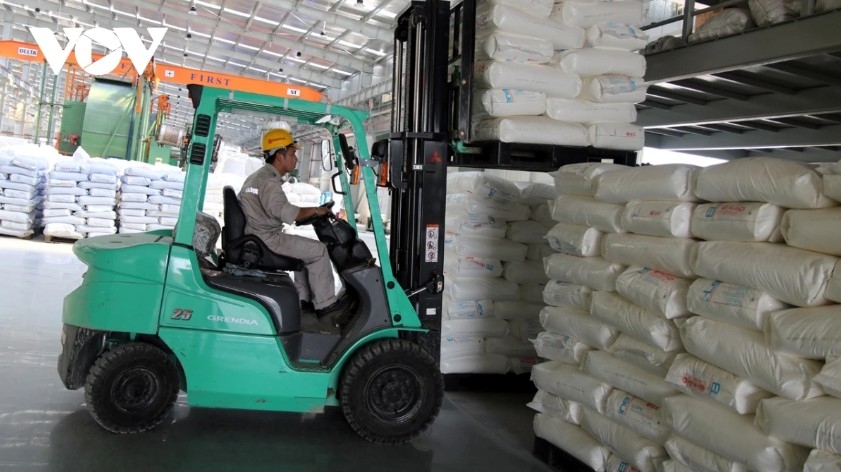
She said that instead of competing on price, Vietnamese enterprises need to move toward higher-value products with clear traceability and compliance with environmental and labour standards in line with green consumer preferences across Europe. To benefit from these opportunities, enterprises themselves must act through green capabilities, clear strategies and credibility. Once operational, enterprises can gain directly by meeting EVFTA rules of origin while reducing import dependence and carbon emissions.
In the area of green solutions for smart industry, Nguyen Hoang Kien, Deputy Chief Executive Officer of Rang Dong Light Source and Vacuum Flask, shared how the company applies a combined digital, green and AI transformation model to optimise energy use while improving productivity.
He said Rang Dong has reduced electricity consumption by up to 70% per unit of revenue and automated 72% of its production lines. The company has also developed its own Vision-Guided Robotics system at a cost equivalent to one-fifth of imported alternatives.
He added that AI solutions such as Vision Guided Robotics, Digital Twin and Edge AI have strengthened the company’s competitiveness both domestically and internationally.
Digital and green transformation in industrial production and energy management is helping enterprises reduce costs, limit risks and improve production safety. This highlights the role of digital technology and green transformation in raising productivity, cutting emissions and enhancing competitiveness, in line with Vietnam’s sustainable development objectives in the coming period.

Industry and trade sector explores dual digital and green transformation
VOV.VN - Hanoi hosted the third Vietnam Digital Industry and Trade Summit 2025, the themed “Dual Transformation: Digitalizing Supply Chains – Greening Growth”, organized by the Vietnam E-commerce and Digital Economy Agency under the Ministry of Industry and Trade on December 3.