Digital transformation strengthens transparency and anti-corruption efforts in Vietnam

VOV.VN - As Vietnam pursues sustainable development in the digital era, digital transformation has emerged as a strategic breakthrough to enhance transparency, accountability and the effectiveness of anti-corruption efforts across the public sector.
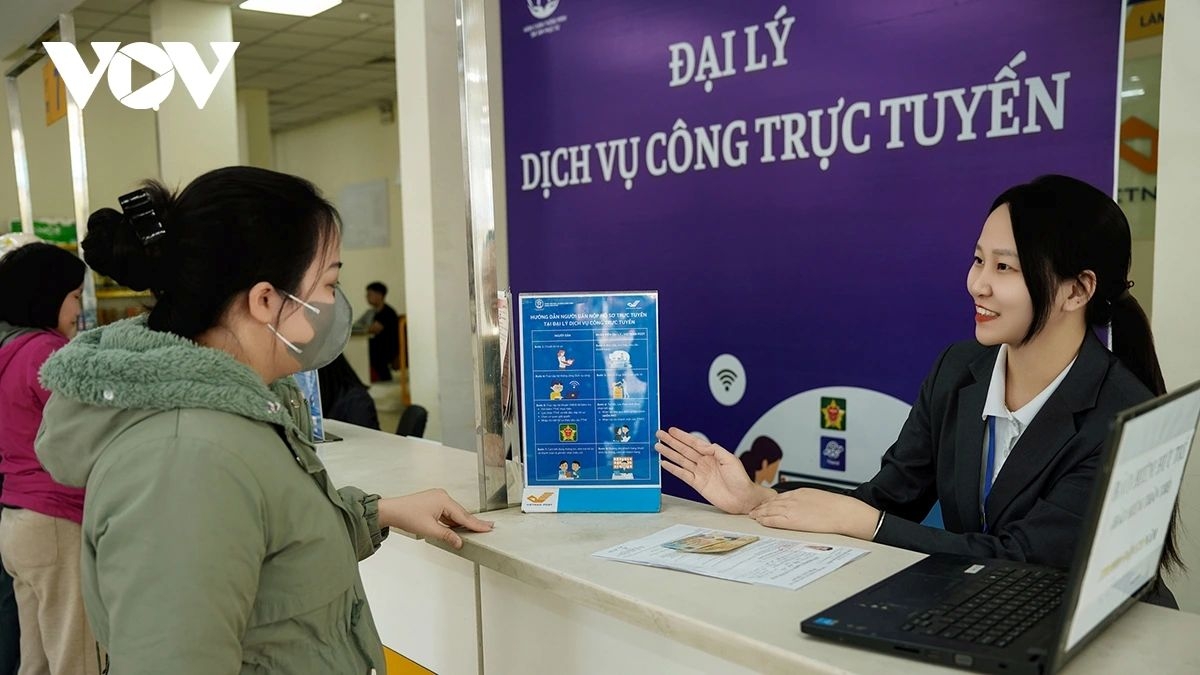
Recognising the transformative role of technology in governance, the Government has rolled out a series of coordinated measures to accelerate digitalisation in state administration. These efforts aim to make public services more transparent, reduce bureaucratic bottlenecks and curb opportunities for corruption.
A key milestone is the National Public Service Portal, which serves as a unified platform providing online administrative services for citizens and businesses nationwide. Thousands of procedures are now publicly available, including detailed information on processing timelines, fees and outcomes. Applicants can track the status of their dossiers in real time and provide feedback on service quality, helping reduce red tape and informal practices.
In parallel, authorities have stepped up the digitalisation and standardisation of administrative processes in critical sectors such as business registration, taxation, customs, social insurance, land management and construction. By minimising direct contact between citizens and public officials, these reforms narrow the space for discretionary decision-making and the so-called “ask–give” mechanism, thereby strengthening accountability.
Another major initiative is the development and integration of national databases, particularly in population, land, enterprise, finance and insurance. Interconnected data systems allow for verification and cross-checking of information across ministries and localities, limiting inconsistencies, duplication and potential loopholes that could be exploited for personal gain.
The Government is also promoting cashless payments in public services, ensuring that fees and charges are processed electronically and recorded digitally. This creates transparent transaction trails, facilitating monitoring, auditing and the early detection of irregularities.
In addition, public disclosure of state budget data, public investment projects, procurement and bidding processes on digital platforms has enhanced social oversight. By enabling citizens, businesses and civil society to access and monitor information, digital tools contribute to a more open and participatory governance model.
In all, these efforts reflect a broader shift in Vietnam’s governance approach, from traditional administrative management toward a modern, citizen-centred digital government. Beyond improving administrative efficiency, digital transformation is playing an increasingly important role in reinforcing integrity, strengthening public trust and supporting the country’s long-term, sustainable development goals.
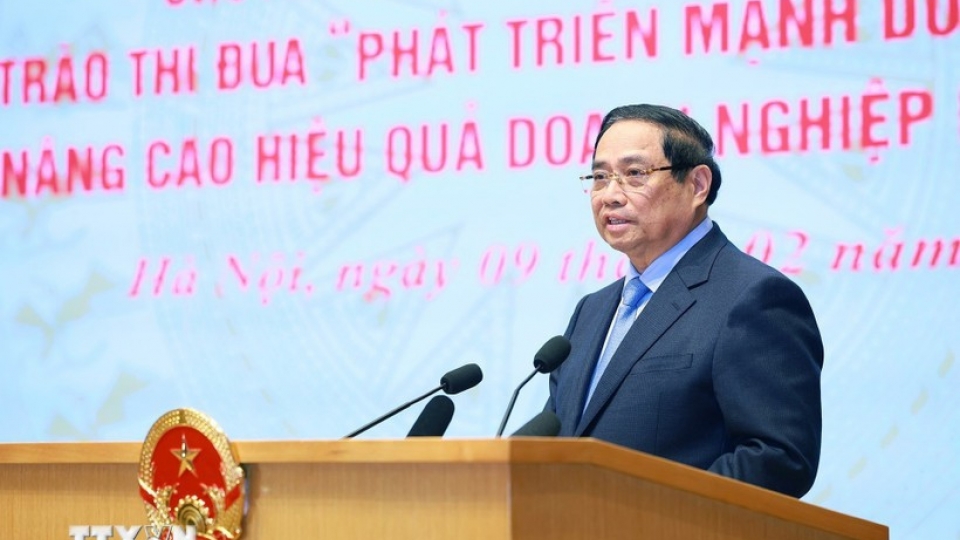
Digital transformation and green transition power nation’s rise: PM
Prime Minister Pham Minh Chinh on February 9 chaired a ceremony to launch two key emulation movements aimed at swiftly translating the Resolution of the 14th National Party Congress into practice, focusing on innovation, science and technology development, digital transformation and green transition.