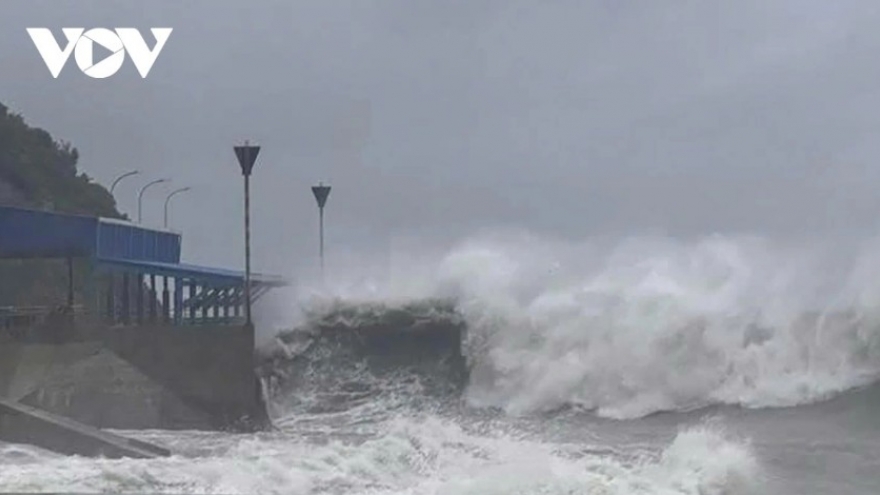
PM calls for modern disaster management amid rising extreme weather

VOV.VN - Prime Minister Pham Minh Chinh has called for urgent modernisation of the country’s disaster prevention and response system, warning that increasingly extreme weather is posing serious risks to lives, property and economic stability.

Speaking at a national conference on disaster prevention and control in Hanoi on April 1, the Prime Minister stressed that upgrading infrastructure, forecasting capacity and response mechanisms is essential to effectively cope with unpredictable natural disasters in the coming years.
Extreme weather events in 2025 caused heavy human and economic losses nationwide. According to official data, disasters left 484 people dead or missing and 811 injured, with total economic damage estimated at more than VND104.7 trillion (around US$4.2 billion).
A series of powerful storms triggered off-season heavy rain, widespread flooding and landslides across central, highland and southern regions, resulting in dozens of fatalities and extensive infrastructure damage.
In response, armed forces, police and local authorities mobilised large-scale rescue operations. According to Deputy Defence Minister Nguyen Truong Thang, nearly 73 million personnel deployments were recorded, helping rescue more than 2,100 people and provide warnings to millions of residents and vehicles to ensure safe evacuation.
Local governments have also stepped up efforts to enhance disaster resilience. Thai Nguyen province has improved drainage systems and planned new dyke projects to protect urban areas, while Nghe An province is upgrading ageing reservoirs and resettling communities in high-risk zones prone to flash floods and landslides.
International partners, including representatives of the United Nations and the United Kingdom, highlighted the importance of strengthening forecasting systems, advancing science and technology, and accelerating digital transformation in disaster risk management, while ensuring sustainable financial resources for climate adaptation.
They reaffirmed their commitment to continued cooperation with Vietnam in disaster prevention and sustainable development initiatives.
Prime Minister Chinh acknowledged progress in disaster response efforts, particularly in climate adaptation and early warning systems, stressing the need to maintain readiness for worst-case scenarios. He reiterated that protecting human life must remain the top priority, with people placed at the centre of all disaster management strategies.
Lessons learned from recent storms and floods, including proactive evacuations, rapid response and community solidarity, were cited as key factors in improving future resilience.
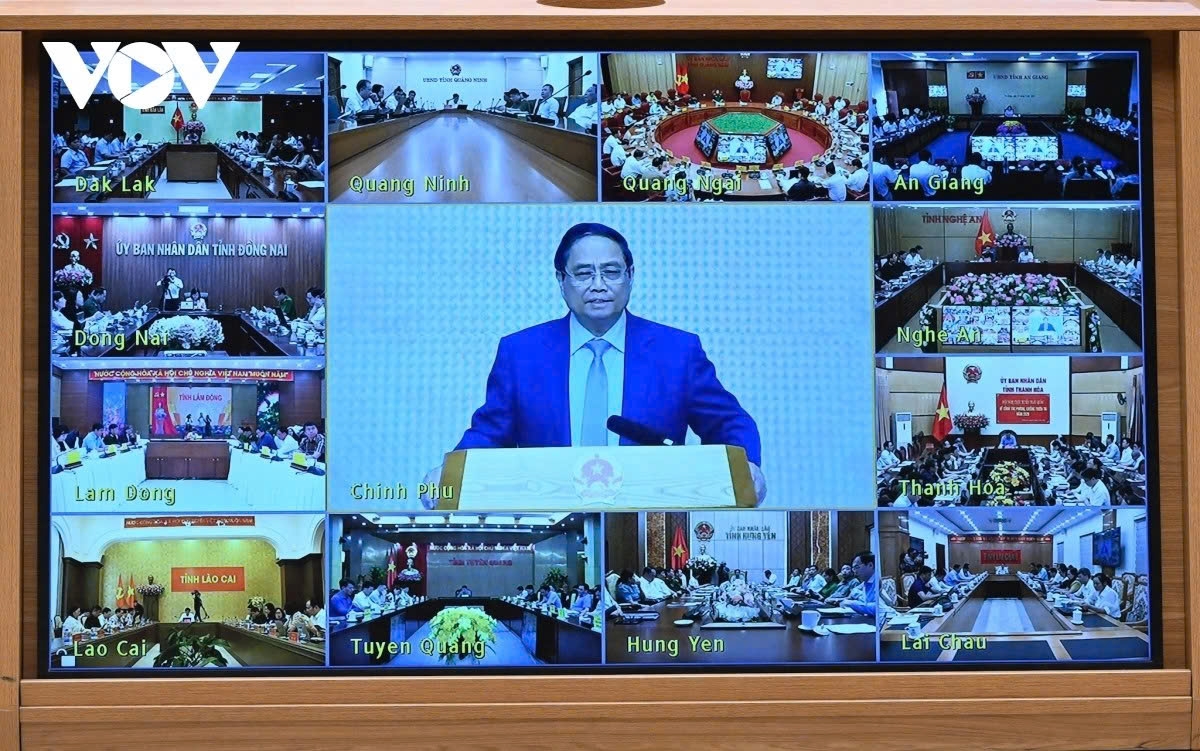
He said, the government would focus on refining legal frameworks and policies, modernising disaster management systems, and strengthening preparedness at the grassroots level. He suggested building communes and localities into “strongholds” of disaster resilience, enhancing strategic reserves and upgrading the “four on-the-spot” response principle.
He also urged stronger coordination across sectors and localities, as well as better mobilisation of both domestic and international resources, including public-private partnerships.
Relevant ministries and localities were tasked with reviewing reservoir operations, maintaining round-the-clock readiness, ensuring the safety of transport infrastructure, hydropower facilities and flood control systems, and developing resettlement plans for vulnerable communities.
The PM held that authorities must stay vigilant and proactive under all circumstances, warning against complacency. Disaster management, he added, must go hand in hand with sustainable economic development, contributing to Vietnam’s long-term growth ambitions and resilience in the face of climate change.
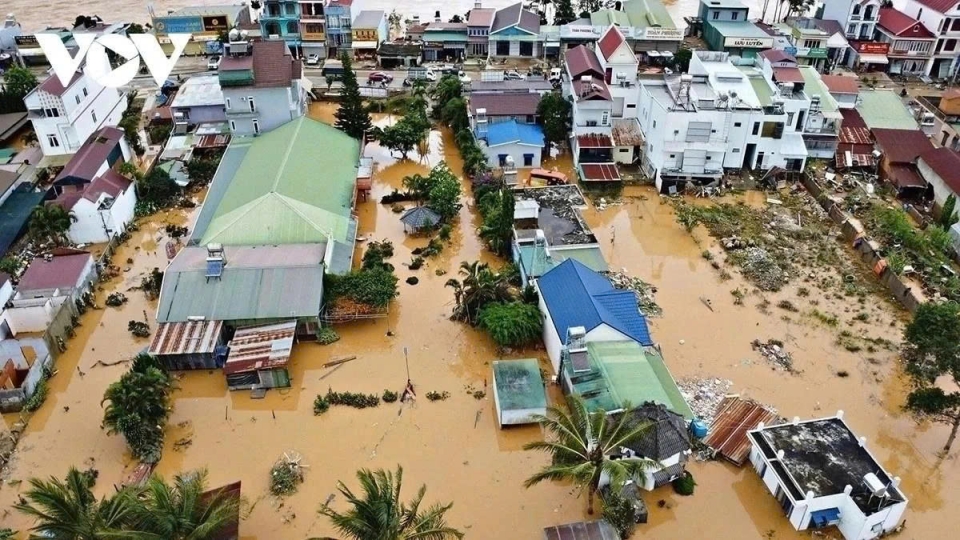
An unprecedented disaster year demands a more resilient response
VOV.VN - Vietnam in 2025 witnessed one of the most extreme and anomalous years of natural disasters in recent decades, marked by record-breaking intensity, unprecedented damage and a scale of response rarely seen before.