“Late-spring chill” unlikely in 2026, harsher summer forecast

VOV.VN - In folk understanding, the “late-spring chill” known in Vietnam as rét nàng Bân, typically occurs in the third lunar month, a transition period from spring to summer in northern regions. It refers to a period when cold air unexpectedly returns after days of warm, even hot weather.

Unusually warm winter, rare over decades
Nguyen Van Huong, head of weather forecasting division at the National Centre for Hydro-Meteorological Forecasting, said northern Vietnam has just gone through an unusual winter, ranked as the second warmest in recorded data.
Data over the past 65 years show the average temperature in the winter of 2025-2026 reached 18.37 degrees Celsius, lower only than the 2018-2019 winter at 19.3 degrees Celsius. Throughout the season, only three widespread cold spells were recorded, all weak and short-lived.
Lowest temperatures generally ranged from 8 to 11 degrees Celsius in lowland areas, 5 to 7 degrees in mountainous areas and below 4 degrees in high mountains. Notably, no widespread frost or snowfall was recorded. In an unusual development, the Song Ma area in northern Son La province saw temperatures reach 37.8 degrees Celsius on February 5, a rare level for mid-winter.
Chance of “late-spring chill” remains minimal
With temperatures remaining high, meteorologists say the likelihood of a “late-spring chill” this year is very low.
Huong said about three to four cold-air spells may occur from now until mid-April, but most are expected to be weak, bringing seasonal rain rather than sharp drops in temperature.
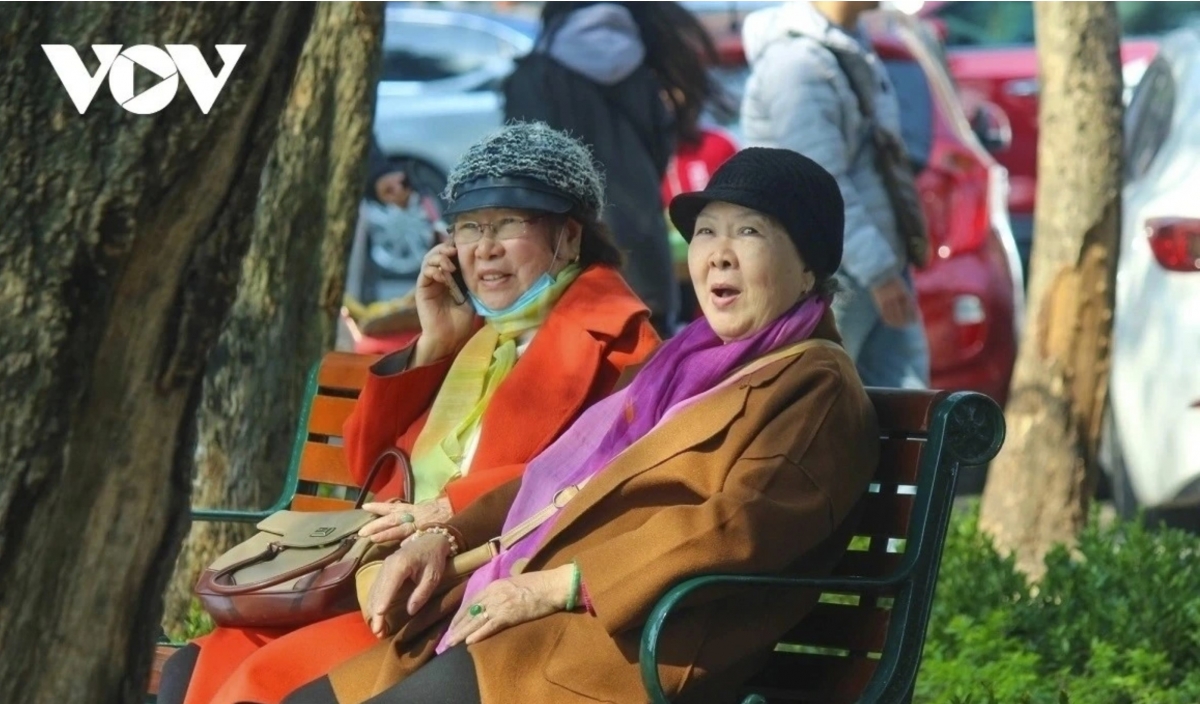
“Weak cold air makes it unlikely to cause prolonged cold conditions day and night, with cooling mainly at night and in the early morning. Given current temperature trends, the chance of a ‘late-spring chill’ is very low,” he said.
Across the country, several regions may also see widespread rainfall, with heavier precipitation likely in northern mountainous areas.
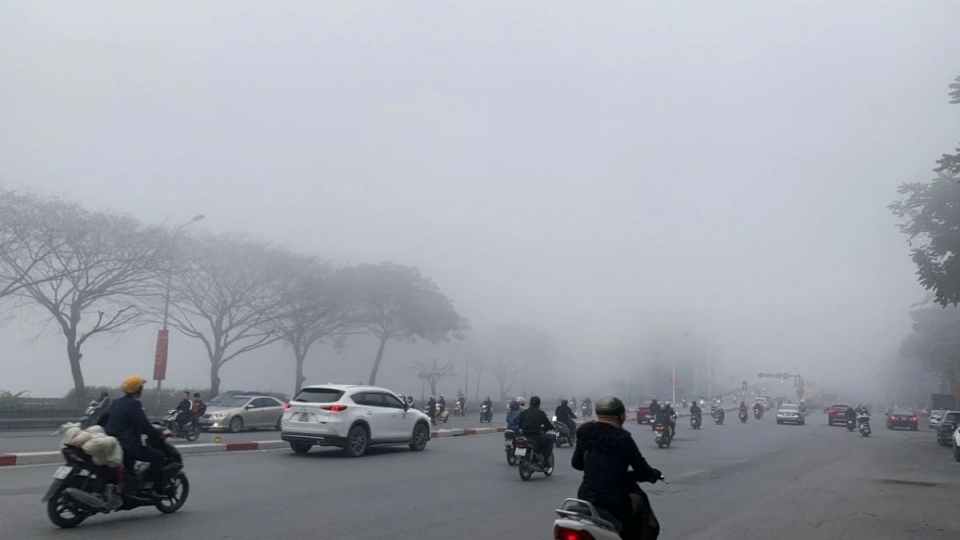
In the next few days of March, northern weather is expected to bring light rain in some places, with early-morning fog; after March 23, sunshine is likely to appear during midday and afternoon. At times, scattered showers and thunderstorms may develop in midland and mountainous areas.
Heat intensifies, summer may turn more extreme
While cold spells weaken, heat is becoming more pronounced. From now to the end of March, hot weather is expected to persist in the southeast. In April, heat is likely to expand to the southwest and parts of the Central Highlands. The northwestern region and the western parts of north-central provinces may also see localised heat from late March.
Average temperatures in northern regions and provinces from Thanh Hoa to Hue are forecast to be 1 to 1.5 degrees Celsius higher than the long-term average. This points to a potentially harsher summer, as climate change becomes more evident.
Given increasingly unpredictable weather, experts advise people to follow short-term forecasts of one to three days to prepare for hazards such as thunderstorms, lightning and hail.
Local administrations are also urged to strengthen early warning measures to ensure safety in production and daily life.
The fading of the “late-spring chill” signals changes in a traditional weather pattern and points to a clearer climate shift, with warmer winters and increasingly severe summers.

El Nino forecast to return in late 2026, more extreme weather expected
VOV.VN - Vietnam may experience longer and more intense heat waves in 2026 as the El Nino climate pattern is expected to re-emerge toward the end of the year, warn meteorological experts.
Prolonged damp weather expected in Northern Vietnam this March
VOV.VN - Northern Vietnam and the north-central region are expected to experience extended periods of drizzle, light rain and fog through the end of March, as cold air masses shift eastward and gradually weaken over the sea, meteorologists have warned.