An unprecedented disaster year demands a more resilient response

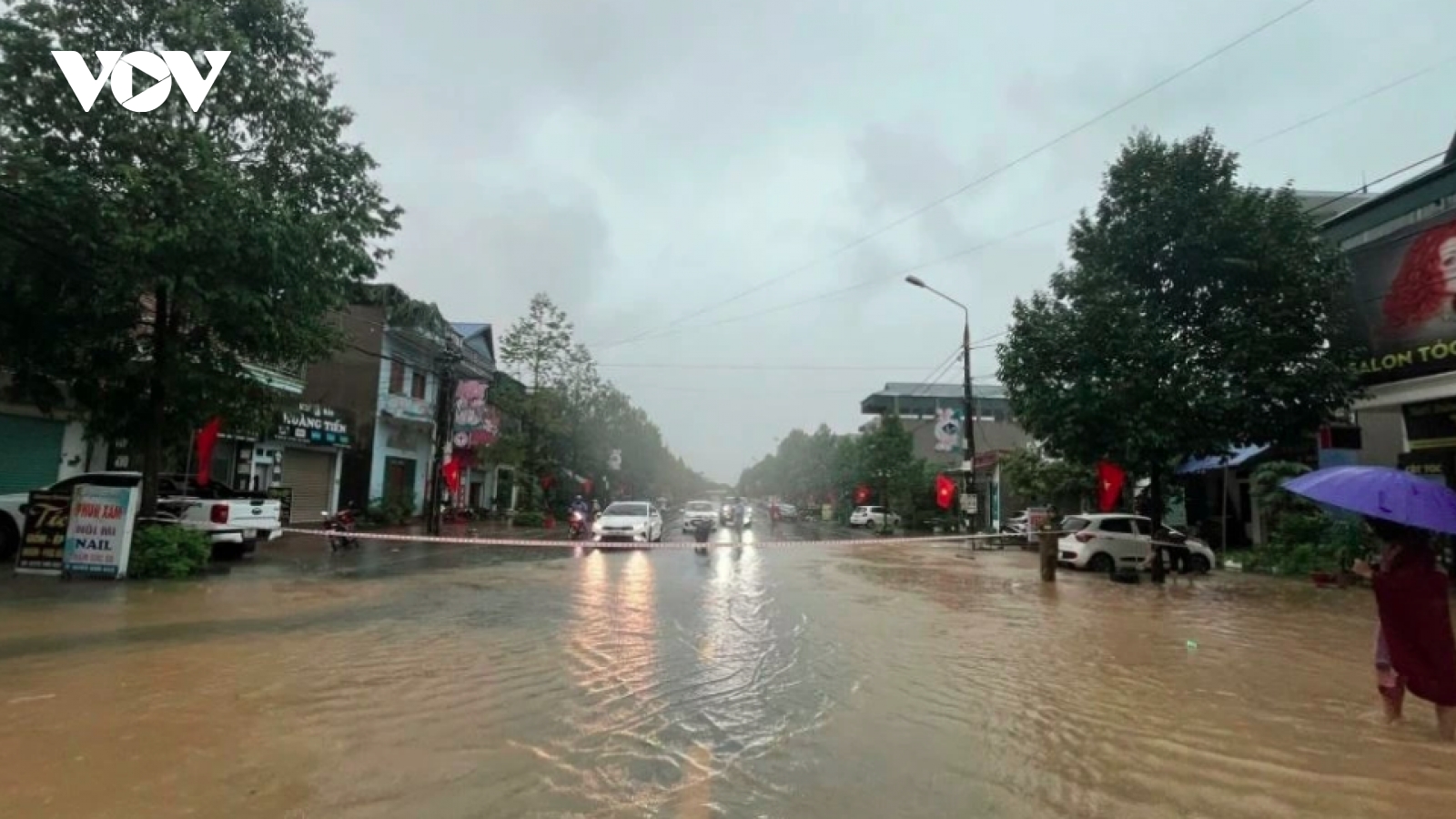
VOV.VN - Vietnam in 2025 witnessed one of the most extreme and anomalous years of natural disasters in recent decades, marked by record-breaking intensity, unprecedented damage and a scale of response rarely seen before.
A year of unprecedented natural disasters
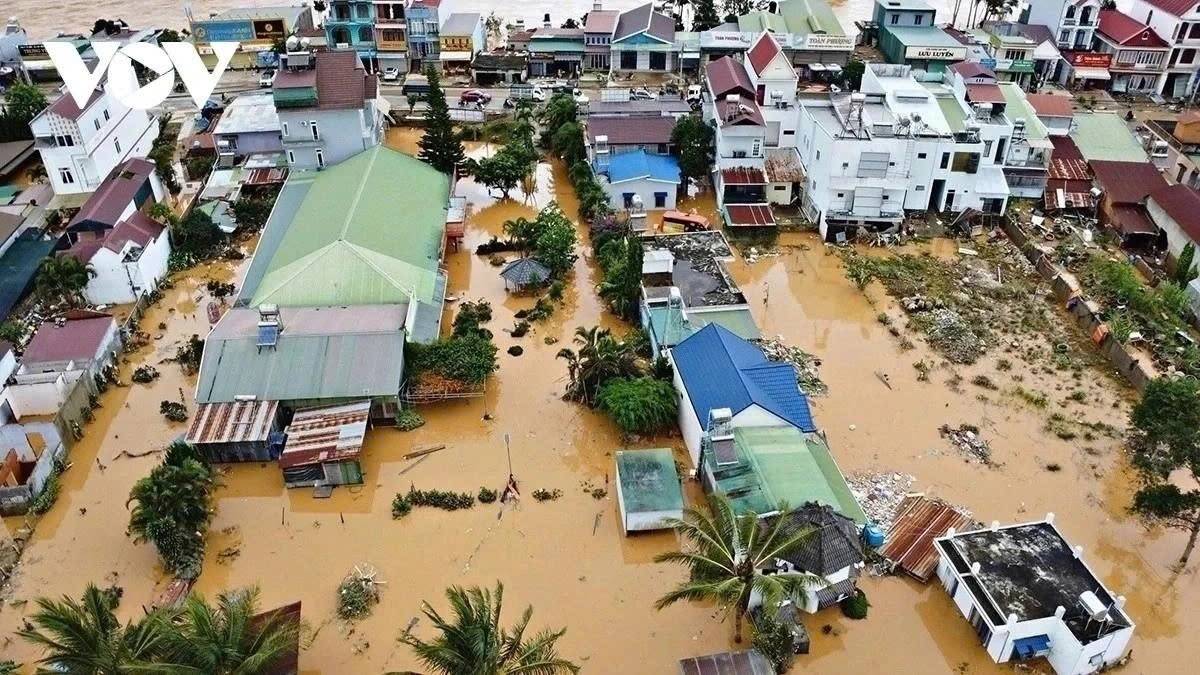
According to the Department of Dike Management and Disaster Prevention and Control under the Ministry of Agriculture and Environment, Vietnam experienced an exceptionally severe year of natural disasters in 2025, with 21 different hazard types recorded. Over the East Sea, 15 storms and six tropical depressions were observed, including Typhoons Wutip, Wipha, Kajiki, Nongfa, Bualoi and Ragasa, many of which occurred in rapid succession and with unusual intensity. From June to October, these storms triggered widespread flooding across central, northern and north-central Vietnam, pushing water levels in areas such as Hue, Quang Tri, Nghe An and Ha Tinh to historic highs. Experts described several rainfall events—some exceeding 1,000mm within 48 hours—as highly abnormal.
From late October, extreme weather shifted southward. A rare convergence of post-typhoon circulation, cold air surges and monsoon systems caused unprecedented flooding in the Central Highlands and south-central provinces in November, breaking records that had stood for 30 to 40 years. As of December 8, disasters had killed or left missing 420 people, injured more than 730, damaged or destroyed hundreds of thousands of homes and caused economic losses exceeding VND99 trillion, about 1.1 times higher than the same period in 2024. Experts said 2025 set multiple new records, including Typhoon Ragasa, the strongest ever recorded over the East Sea, historic flooding on more than 20 rivers nationwide, and weather extremes linked to abnormal rainfall patterns and a shift toward La Niña conditions.
According to Hoang Phuc Lam, deputy director of the National Centre for Hydro-Meteorological Forecasting, 2025 was exceptionally harsh, with multiple new records set and disaster impacts spreading nationwide rather than being confined to specific regions. He noted that the first typhoon of the Northwest Pacific basin was also the first to form over the East Sea, a phenomenon not previously observed, while Typhoon Ragasa set new benchmarks for storm intensity.
Flooding was equally severe. For the first time, more than 20 rivers across Vietnam experienced historic flood levels, stretching from the northern mountains to the southern Mekong Delta. The confluence of intense short-duration rainfall, prolonged precipitation and closely spaced storm events kept river levels persistently high, compounding flood risks.
Experts also pointed to the transition of the ENSO climate pattern from neutral conditions toward La Nina, which typically favours increased storm formation in the region, along with early and strong northeast monsoon activity. The combination of cold air and tropical systems intensified rainfall, especially in the final months of the year.
Coordinated response to unprecedented disasters
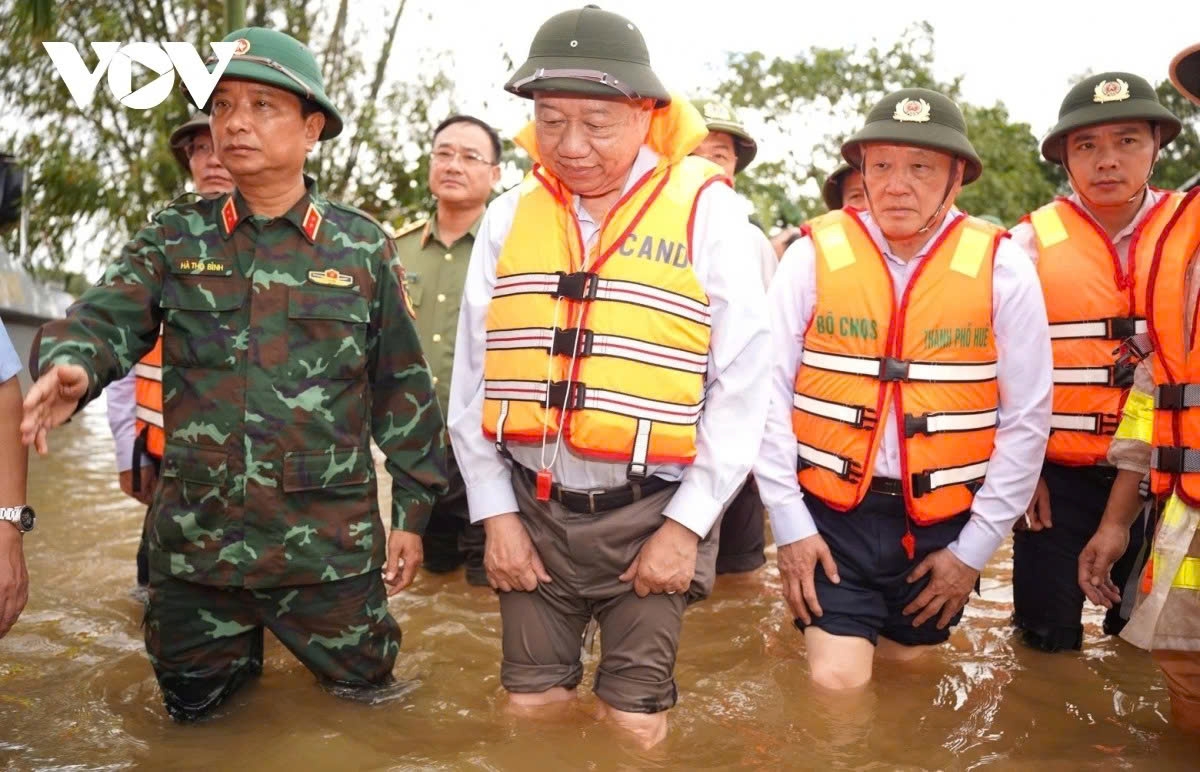
Despite proactive measures by authorities and communities, the extraordinary nature of the disasters resulted in significant losses. In response, Vietnam’s top leadership mobilized the entire political system, emphasising that disaster-affected communities must not be left to cope alone.
The Politburo, the Secretariat, the Government and the Prime Minister issued a series of urgent directives, while senior leaders conducted on-site inspections and directly oversaw rescue, relief and reconstruction efforts. A nationwide housing reconstruction campaign launched by the Prime Minister mobilised resources to rebuild homes for families whose houses were destroyed or severely damaged.
By December 26, all 1,596 homes that had collapsed or been swept away were under reconstruction, and nearly 97.5% of damaged houses had been repaired, helping affected households stabilize their lives ahead of the Lunar New Year in early 2026.
International assistance also played a critical role. Organisations including the United Nations Development Program and the United Nations Children's Fund, along with development partners, committed emergency support totaling US$23.8 million. Aid focused on restoring essential infrastructure such as schools and health facilities, ensuring clean water and sanitation to prevent post-flood disease outbreaks, and developing disaster-resilient housing models for vulnerable communities.
Stronger climate resilience in dire need
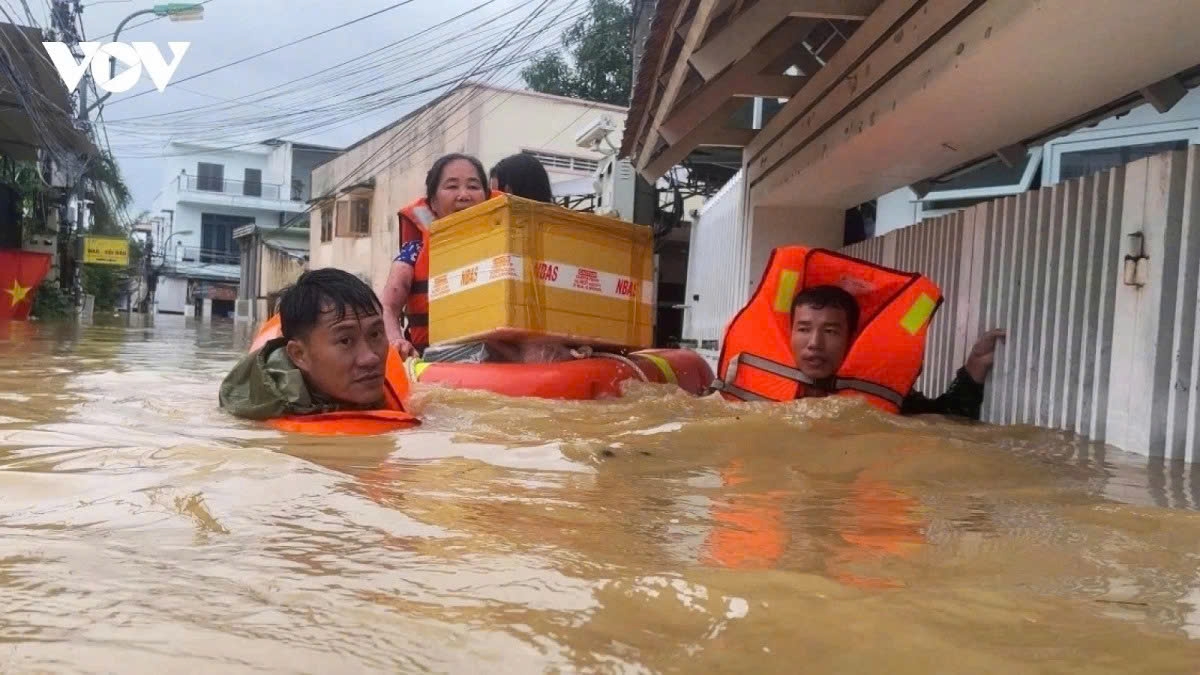
Meteorological agencies warn that hazardous weather patterns, including cold spells, heatwaves, heavy rainfall and unseasonal rains, may continue into early 2026. Climate change is expected to further amplify weather extremes, underscoring the urgency of strengthening disaster resilience.
Experts emphasise the need to modernise real-time forecasting and early warning systems through integrated meteorological, hydrological, radar and reservoir data, while expanding the use of artificial intelligence, big data and ensemble modeling. Improving multi-channel risk communication, strengthening inter-regional coordination and enhancing the safety management of reservoirs and river basins are also seen as critical priorities.
In the longer term, Deputy Minister of Agriculture and Environment Nguyen Hoang Hiep said the ministry would conduct a comprehensive review of recent historic floods to assess their developments and underlying causes, serving as a basis for proposing adjustments and improvements to relevant legal frameworks. Ministries, sectors and localities will continue to implement and strengthen inspections to ensure strict compliance with regulations on dike management, disaster prevention and control, as well as socio-economic development planning.
Priority would be given to reviewing flood prevention and dike planning, tightening management of riverbeds, banks and floodplains to prevent encroachment on flood discharge corridors, and studying adjustments to the authority for flood response command and coordination in river basins. The aim is to assign a single lead agency to ensure unified, timely and effective flood control, particularly during extreme and abnormal weather events.

PM calls for joint effort to help disaster-hit residents in central region
VOV.VN - Prime Minister Pham Minh Chinh requested mobilising all resources, including from the community and businesses, to help people in the central region restore production and stabilise their lives after recent storms and floods.