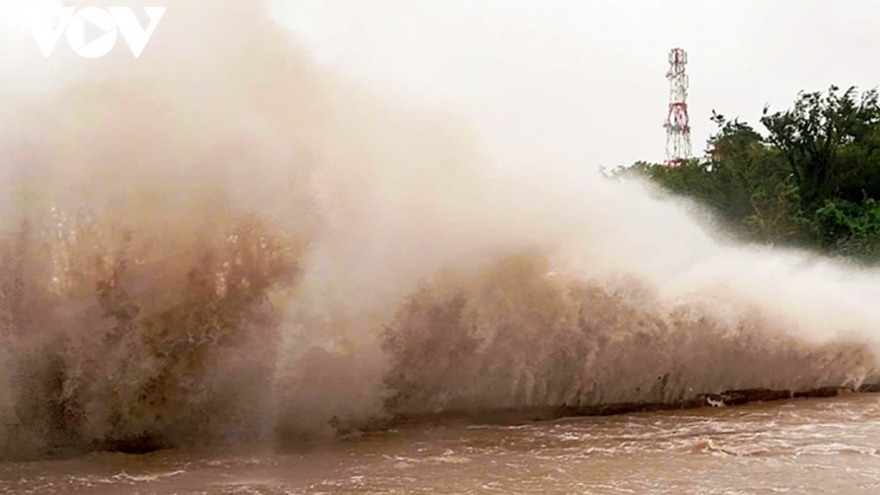
ENSO phase shift increases risk of severe storms, extreme rainfall in 2026

VOV.VN - Storm activity in the East Sea in 2026 is forecast to be no higher than the multi-year average, but forecasters warn of a higher risk of stronger storms and more extreme rainfall as ENSO (El Niño-Southern Oscillation) shifts phase, with weather becoming more unpredictable and disaster risks increasing.
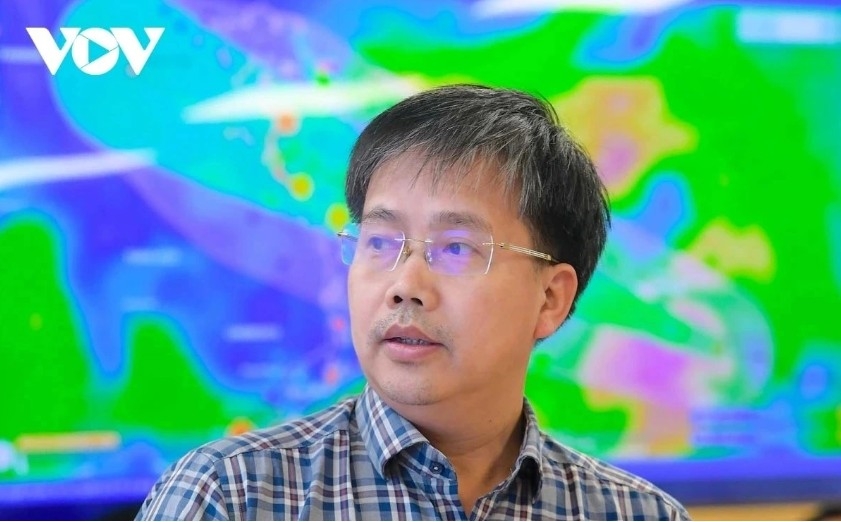
Mai Van Khiem, Director of the National Center for Hydro-Meteorological Forecasting, said the number of storms and tropical depressions in the East Sea in 2026 is unlikely to exceed the long-term average.
From April to July, storm activity affecting the East Sea and Vietnam is expected to be around average levels. From August to December, however, the number of storms may fall below average, at about 9.6 storms in the East Sea on average, including around 3.8 making landfall.
In terms of impact, storms are expected to affect northern Vietnam more frequently from June to September, before shifting towards central and southern regions later in the year.
However, Khiem noted that storm tracks and timing are becoming harder to predict under current climate conditions, with unusual patterns increasingly possible. ENSO shifting towards a warmer phase in 2026 may also increase the likelihood of storms intensifying more rapidly and producing heavier rainfall.
“Even if storm numbers are not high, the risk of strong storms and heavy rain causing flooding, flash floods and landslides remains high,” he said.
Extreme heat and rainfall likely during seasonal change periods
The number of widespread heavy rain events in 2026 is expected to be around or slightly below average. These events are likely to begin in northern Vietnam in June, gradually shift southward and end around November in central regions.
From April to July, localized drought and water shortages may occur outside irrigated areas, particularly in Gia Lai, Dak Lak and Lam Dong provinces.
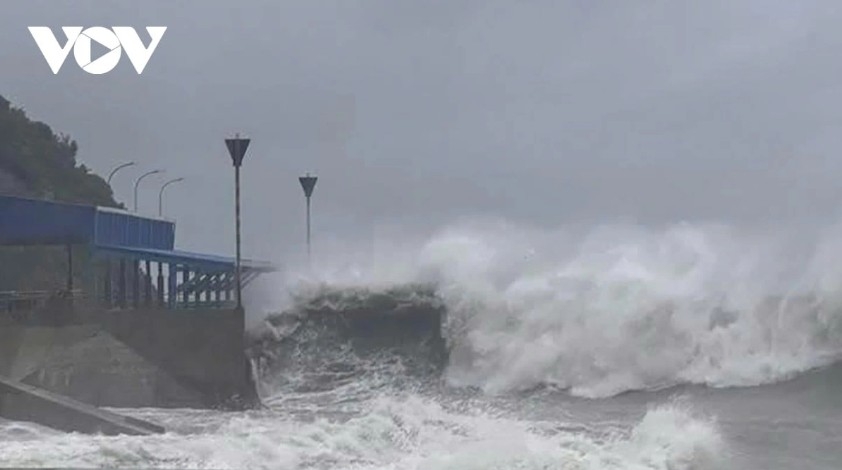
ENSO is currently in a La Nina phase, with sea surface temperature anomalies in the central Pacific at around -0.5°C. Over the next three months, there is an 80-90% probability that ENSO will shift to neutral conditions. By mid-year, the likelihood of a transition to El Nino is expected to increase, becoming more evident toward late 2026 and early 2027.
Forecasters say periods of ENSO phase change often bring greater variability and reduced predictability. As the system shifts toward a warmer phase, changes in atmospheric circulation can lead to fluctuations in rainfall, storm activity and temperatures across Southeast Asia.
In the second half of 2026, rainfall and storm activity in the region, particularly in southern Vietnam, are expected to be below average, while temperatures are likely to rise, with more frequent and more intense heatwaves.
At the same time, weather patterns are becoming increasingly extreme and irregular. Even with fewer storms or lower total rainfall, weather hazards such as prolonged heatwaves, intense localized downpours, thunderstorms, strong winds, lightning and hail may still occur, especially during seasonal shifts from March to May and from September to October.
World Cultural Festival in Hanoi rescheduled amid severe storms and floods
VOV.VN - Organisers of the first Cultures of the World Festival in Hanoi have decided to postpone the event amid recent severe storms, floods and landslides in the Northwest and North Central regions that have caused heavy human and property losses.