El Nino forecast to return in late 2026, more extreme weather expected

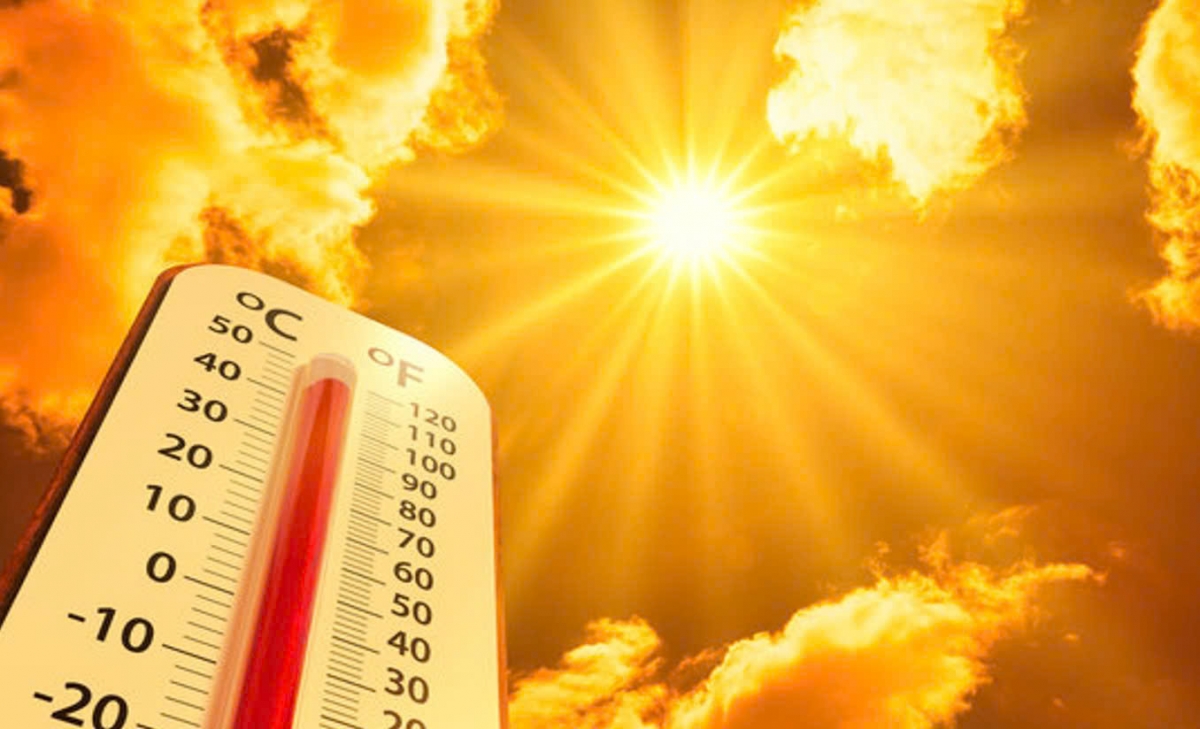
VOV.VN - Vietnam may experience longer and more intense heat waves in 2026 as the El Nino climate pattern is expected to re-emerge toward the end of the year, warn meteorological experts.
The warning comes as global temperatures remain near record highs amid accelerating climate change.
According to the World Meteorological Organisation (WMO), there is a high probability that El Nino conditions could develop toward the end of 2026.
Nguyen Van Huong, head of the Weather Forecast Department at Vietnam’s National Centre for Hydro-Meteorological Forecasting, says current observations show that the weak La Nina phase is gradually weakening.
Sea surface temperature anomalies in the central Pacific indicate that the ENSO system is likely to shift to neutral conditions between March and May 2026, before gradually leaning toward a warm phase from June to August.
By early autumn, the neutral phase with warming tendencies could become more pronounced, potentially transitioning into El Nino during the final months of 2026 and early 2027.
Such transitions often increase uncertainty in weather patterns worldwide.
Heat waves expected to intensify across Vietnam
As the climate system shifts toward a warmer ENSO phase, trade winds across the Pacific tend to weaken, altering atmospheric convection and increasing the likelihood of longer and more intense heat waves in tropical regions, including Vietnam.
Meteorological experts warn that heat waves in 2026 may arrive earlier, last longer and reach higher intensity than the long-term average, possibly exceeding the severity recorded in 2025.
In the near term, widespread heat is expected to persist across southeastern Vietnam in March, while localised heat waves may appear in the northwestern region.
By April, the heat is forecast to expand to the Central Highlands and the Mekong Delta, while areas from Thanh Hoa to Hue may begin experiencing early heat waves.
From late May onward, heat waves are anticipated to spread across northern and central Vietnam, peaking during the summer months from June to August. Although temperatures may gradually ease after September, unusual late-season heat waves could still occur.
Extreme weather risks remain high
Experts warn that 2026 may be marked by more extreme and unpredictable weather events.
Storm and tropical depression activity over the East Sea between March and July is likely to stay close to the long-term average. However, from August to December, the number of storms may fall slightly below average.
Despite this, warmer sea surface temperatures and warming ENSO conditions could lead to powerful storms with complex and rapidly changing tracks, posing significant risks.
During the final four months of the year, storms are anticipated to affect central and southern Vietnam more frequently, although the northern region could still be impacted during September and October.
Increasing climate-related risks
Meteorological experts also warn of more frequent thunderstorms, lightning, hail and localised heavy rainfall, particularly during seasonal transition periods such as March–May and September–October.
Meanwhile, saltwater intrusion in the Mekong Delta during the dry season is projected to stay near average levels and lower than the 2024–2025 period.
However, localised drought and water shortages may still occur between April and July in parts of Gia Lai, Dak Lak and Lam Dong.
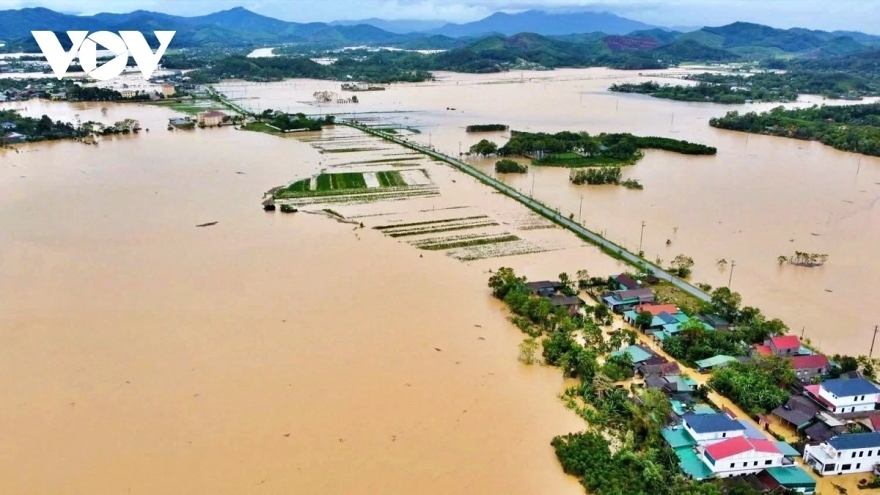
Although total rainfall during the 2026 rainy season is set to remain close to average nationwide, experts say rainfall distribution may become more uneven and extreme, with intense downpours occurring in shorter periods.
Heavy rain events could begin in northern Vietnam around June before gradually shifting southward and ending around November in central provinces.
Potential global warming impact
According to environmental experts, a typical El Nino event can raise global average temperatures by 0.1–0.2°C.
When combined with ongoing climate change, the phenomenon could trigger a chain of extreme weather events, including prolonged heat waves, droughts, wildfires and severe flooding.
It’s worth remembering that the strong El Nino event of 2023–2024 contributed to record-breaking global temperatures, with 2024 becoming the hottest year ever recorded.
Scientists also warn of a “climate lag effect,” meaning the strongest impacts often occur the year after El Nino develops.
If El Nino strengthens in late 2026, 2027 could potentially become another record-breaking hot year globally, meteorologists say.

2026 storm season seen as less severe than 2025
VOV.VN - The number of storms and tropical depressions active in the East Sea and affecting Vietnam in 2026 is likely to be lower than in 2025, particularly in the final months of the year, as the ENSO cycle is expected to gradually shift toward an El Niño phase, according to Vietnam’s National Centre for Hydro-Meteorological Forecasting (NCHMF).