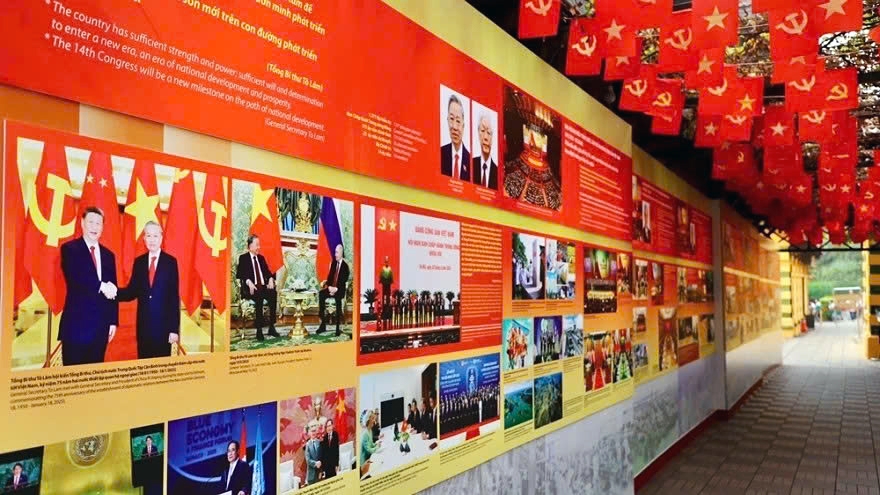
Party Congress opens with confidence and resolve to realise development ambitions

VOV.VN - The 14th National Congress of the Communist Party of Vietnam opened in Hanoi on January 19, marking a pivotal political milestone that is expected to shape the country’s development trajectory in a new era focused on rapid, sustainable and inclusive growth.
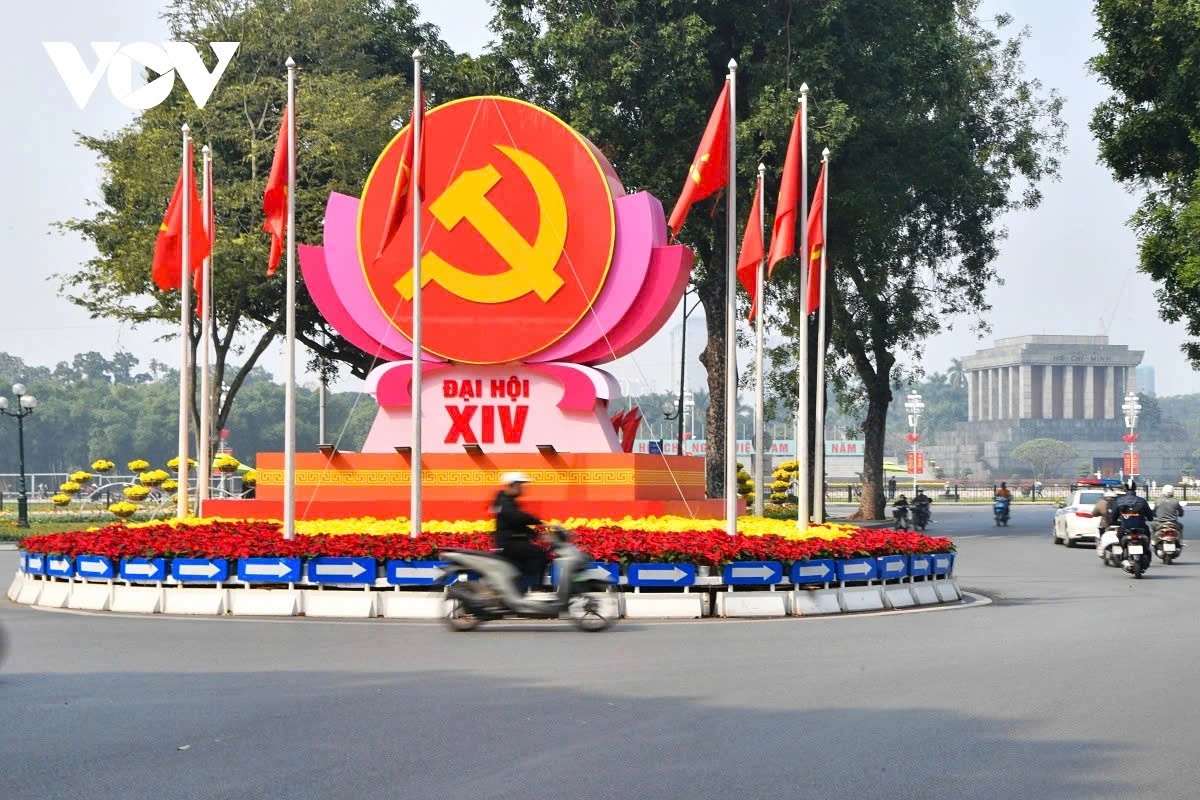
The six-day congress convenes at a time when Vietnam enters what Party leaders describe as a new stage of development, underpinned by accumulated economic strength, growing international standing and heightened political determination. These foundations provide strong grounds for confidence in achieving long-term national development goals.
Party documents prepared for the congress highlight trust as a central pillar of the country’s progress, rooted not in short-term sentiment but in decades of political leadership, theoretical grounding and practical achievements since the launch of economic reforms in 1986.
Over nearly four decades of reform, Vietnam has transformed its economic capacity, social conditions and global profile. The country now enjoys its strongest development foundation to date, a view acknowledged by international institutions and partners.
According to the draft Political Report submitted to the congress, Vietnam navigated significant global and regional turbulence during the 2021–2025 period, marked by unprecedented challenges. Despite these pressures, the Party says the country maintained political stability and achieved broad-based progress across key sectors.
Economic indicators cited in the report show average GDP growth during 2021–2025 exceeding that of the previous five-year period. Vietnam’s economy is estimated to have reached approximately US$510 billion, ranking 32nd globally, with per capita GDP at around US$5,000.
Strategic infrastructure development has been identified as a major driver of growth. By the end of the term, Vietnam had completed 3,245 km of expressways, significantly reshaping the national transport network and opening new development corridors across regions.
The final two years of the term also saw accelerated institutional reforms, including deeper decentralisation, faster implementation of major infrastructure projects, and a sweeping restructuring of the state apparatus. A new two-tier local government model, replacing the previous three-tier system, officially came into operation on July 1, 2025.
At the same time, Vietnam promoted a new growth model centred on green development, digital transformation and innovation, laying a foundation suited to long-term structural change.
Social trust has been reinforced through policies aimed at inclusive growth and social equity. A nationwide programme to eliminate substandard housing was completed more than five years ahead of schedule, mobilising nearly VND50 trillion (about US$2 billion) to build or repair more than 334,000 homes.
The “Quang Trung Campaign”, a campaign launched to build and repair houses for families affected by subsequent floods and storms in the central region, achieved a resounding victory by exceeding its target of building 1,628 new homes and repairing 34,352 others, enabling people to warmly celebrate the traditional Lunar New Year.
Social welfare indicators also showed improvement. By 2025, more than 3.5 million people were receiving regular social assistance, while the multidimensional poverty rate declined sharply. Vietnam’s Human Development Index ranking rose by 14 places, and its Happiness Index ranking improved by 33 places compared with the start of the term, according to statistics.
High levels of public consensus were evident during the implementation of sensitive reforms, including administrative reorganisation and the streamlining of the political system. Despite the scale and complexity of these changes, authorities say reforms were carried out in an orderly manner, prioritising national and public interests.
Looking ahead, the 14th Party Congress is expected to adopt strategic decisions defining Vietnam’s socio-economic direction through 2030 and shaping its vision toward 2045, coinciding with the centenary anniversaries of both the Communist Party (1930 – 2030) and the founding of the modern Vietnamese state (1945 – 2045).
Preparations for the congress have featured notable changes, including the early rollout of major policy initiatives ahead of the event to test their effectiveness in practice. Building on a comprehensive review of 40 years of reform, draft documents presented to the congress emphasise long-term strategic thinking and responsiveness to global development trends.
The congress will not only set out policy objectives but also attach them to concrete action programmes, timelines and accountability mechanisms, underscoring a strong political commitment to translating resolutions into practice.
Together, these elements reflect a shared confidence and determination across the Party, the State and society to realise Vietnam’s aspiration of becoming a prosperous and inclusive nation in the new era.

14th National Party Congress holds preparatory session in Hanoi
VOV.VN - The 14th National Congress of the Communist Party of Vietnam held its preparatory session at the National Convention Centre in Hanoi on January 19, with the participation of 1,586 delegates representing more than 5.6 million Party members nationwide.