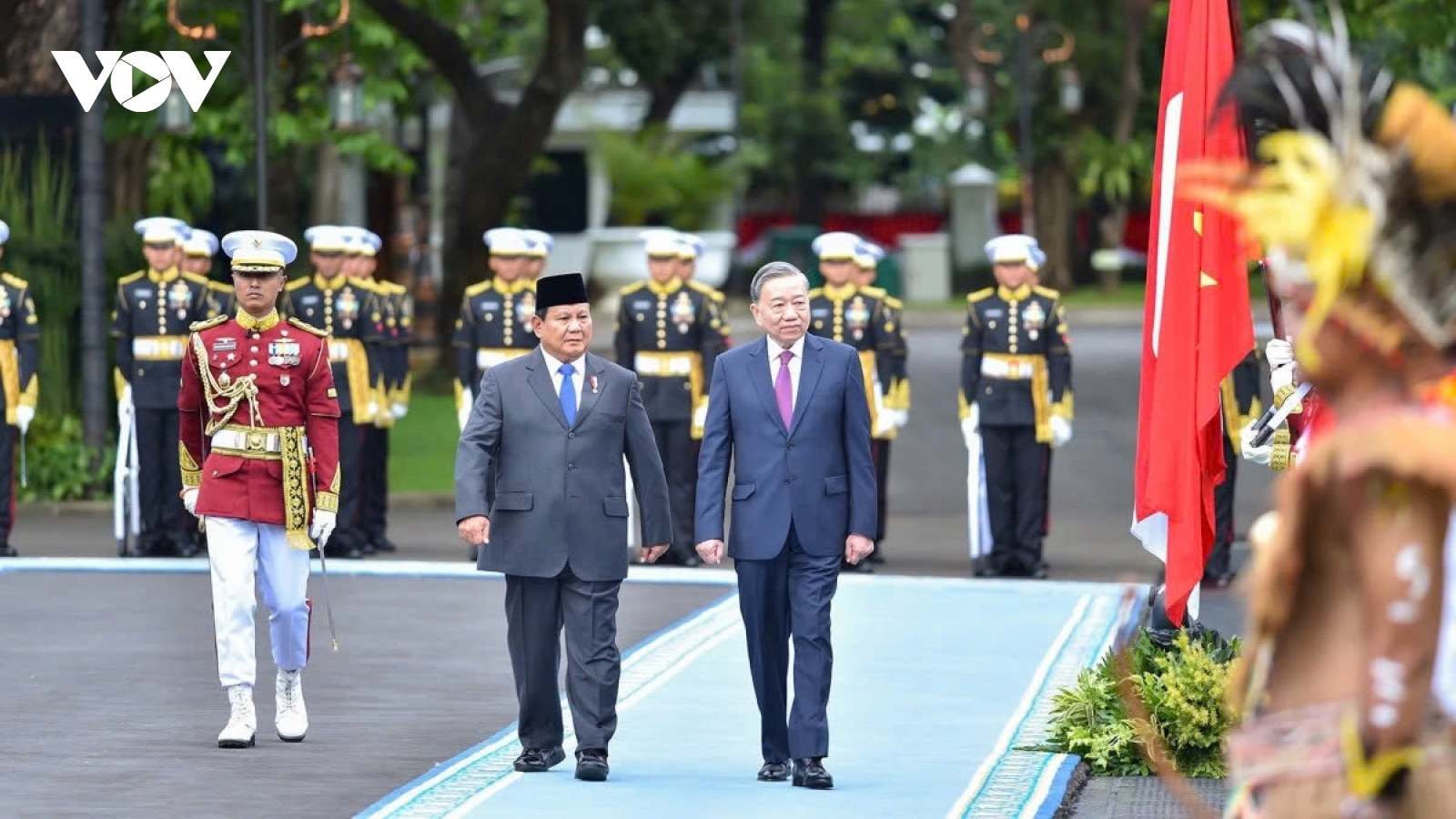
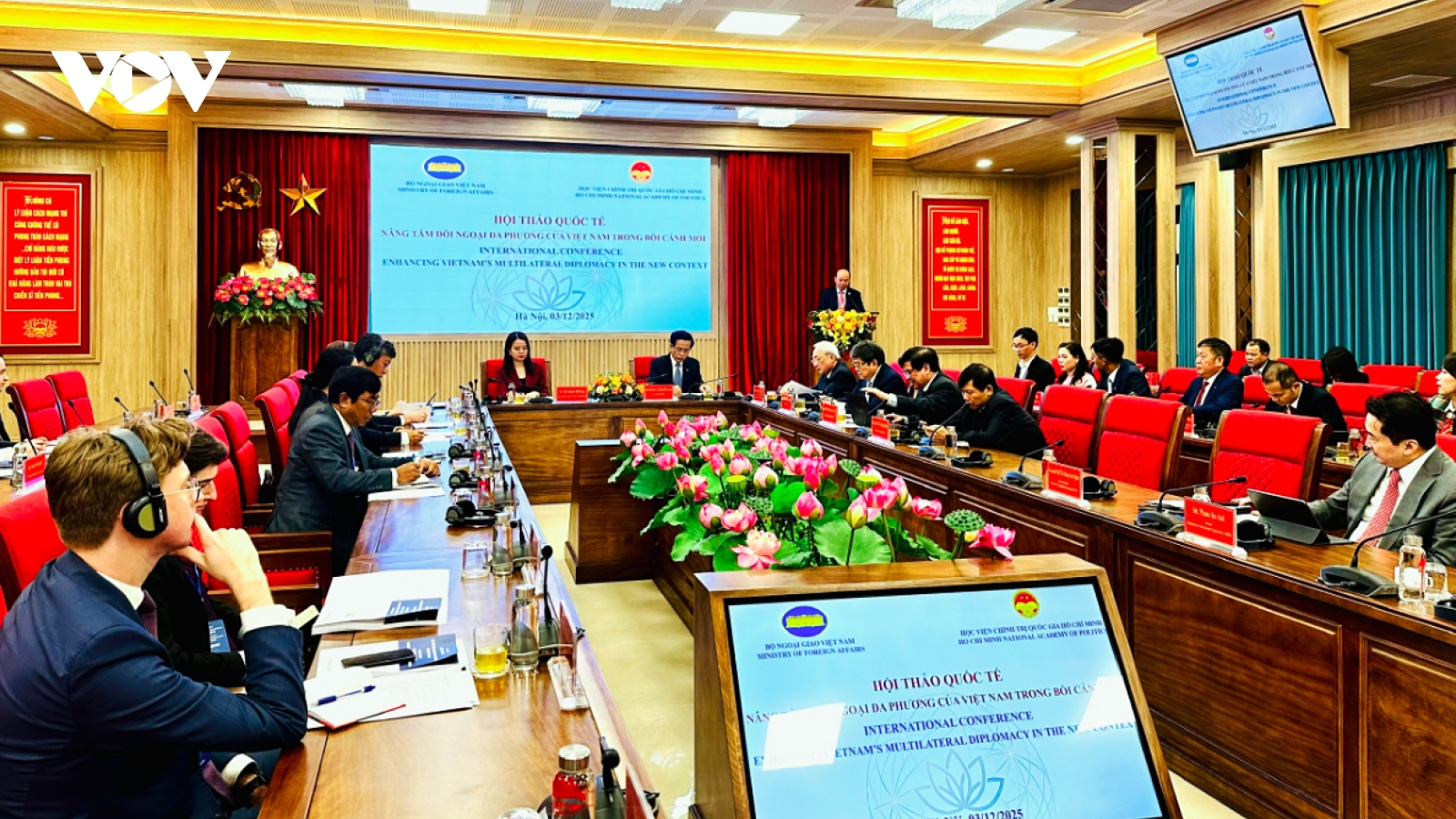
Party documents mark strategic breakthrough in foreign policy thinking

VOV.VN - The draft documents submitted to the 14th National Party Congress Vietnam propose elevating foreign affairs and international integration to the same level as national defence and security, defining them as a “core and regular task” — a move widely seen as a breakthrough in the Party’s strategic thinking.
Diplomacy as the first line of defence
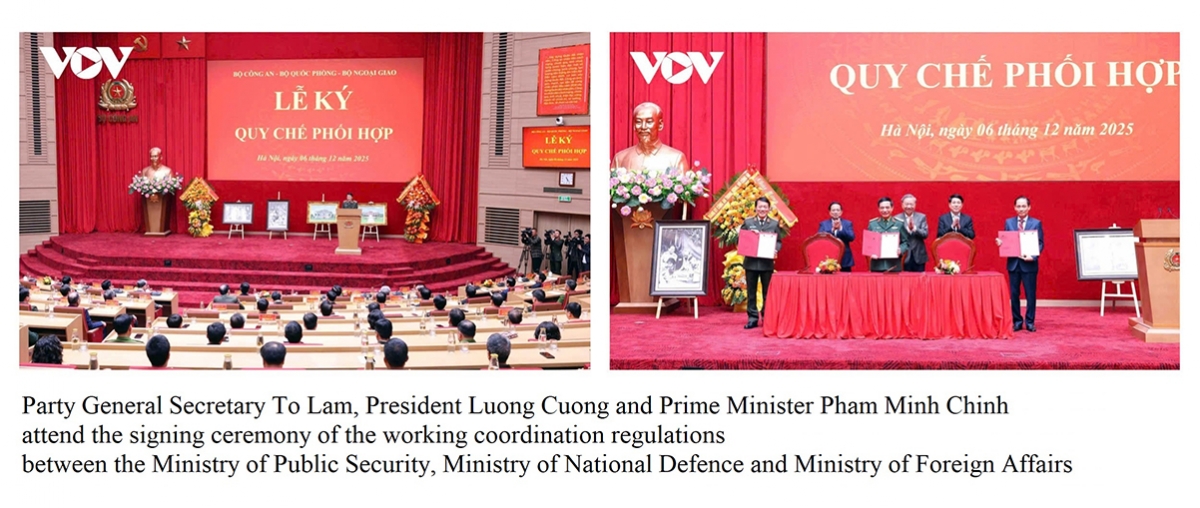
Diplomacy, national defence and security are the three core instruments of national power, serving the shared objective of safeguarding sovereignty and territorial integrity while maintaining a peaceful and stable environment for national development. These are the principal tools of the Party and the State, operating through different methods but complementing and reinforcing one another.
National defence refers to the capability and readiness to use force to deter aggression and protect sovereignty and territorial integrity. It is often associated with war and the prevention of war. Security, by contrast, focuses on safeguarding internal political stability, countering the so-called “peaceful evolution,” and preventing infiltration and subversion from within.
Diplomacy is a soft-power instrument aimed at maintaining and developing peaceful relations, preventing conflict, resolving disputes, building trust and mutual understanding, and promoting international cooperation. By seeking common ground and avoiding the use of force, diplomacy is widely regarded as the “first line of defence.”
From the very first days of the Democratic Republic of Vietnam, President Ho Chi Minh placed great importance on, and skillfully employed, all three instruments to protect the fledgling independence of the nation and to lead the resistance to victory. He also served as Vietnam’s first Minister of Foreign Affairs and personally wrote to major powers and the United Nations, requesting Vietnam’s admission in the early years of the new republic.
During wartime, the Party and the State pursued the strategy of “fighting while negotiating,” mobilising both domestic strength and the strength of the times to compel adversaries to the negotiating table and secure peace agreements recognising Vietnam’s independence and sovereignty. In peacetime, the Party has consistently promoted the three pillars of foreign affairs, namely Party diplomacy, State diplomacy and people-to-people diplomacy.
International integration elevates Vietnam’s standing
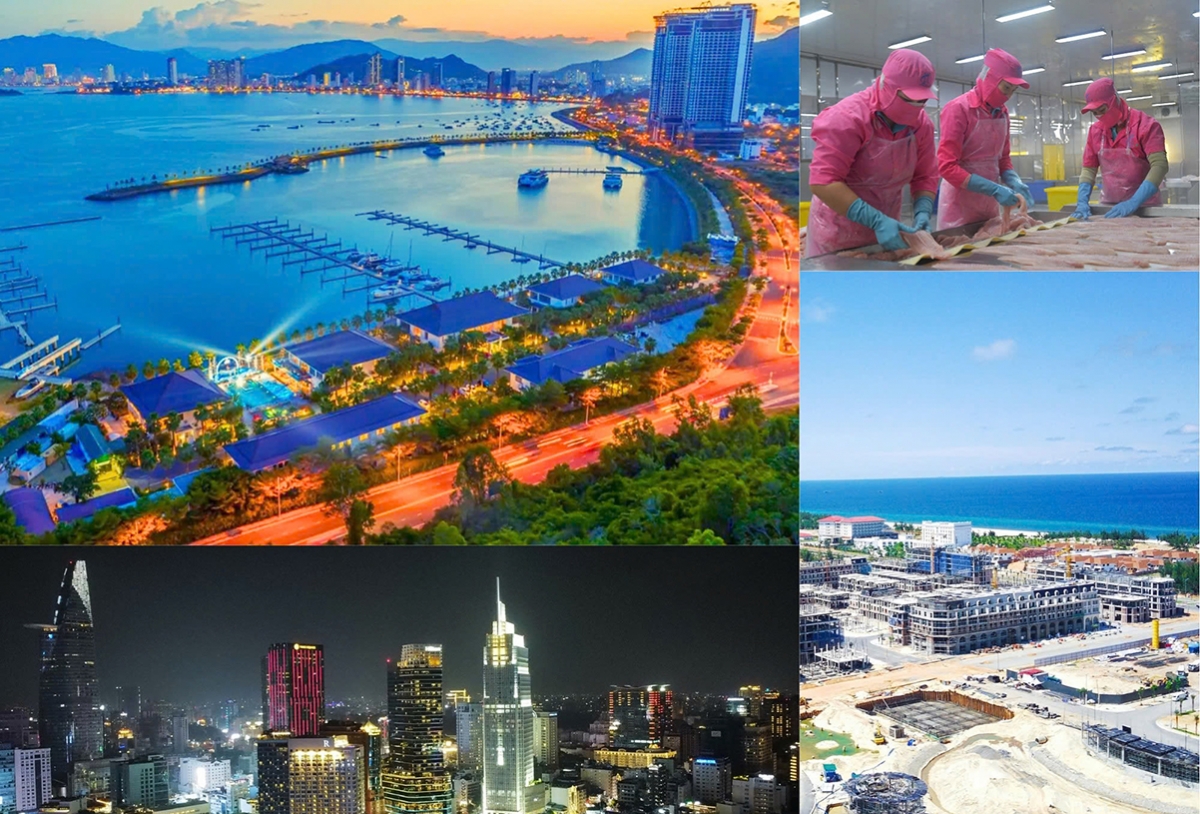
After nearly 40 years of Đổi mới (Renewal) and international integration, Vietnam has recorded significant and comprehensive achievements, contributing to enhanced overall national strength, firm protection of independence, sovereignty, unity and territorial integrity, and the preservation of a peaceful and stable environment.
International integration has helped broaden, deepen and elevate the country’s relations with partners, contributing to a favourable strategic landscape and reinforcing peace, stability and national sovereignty.
Vietnam currently maintains diplomatic relations with 194 countries and territories and has partnership frameworks with 38 partners, including comprehensive, strategic and comprehensive strategic partnerships. It is a member of more than 70 regional and international organisations. The Communist Party of Vietnam maintains relations with 259 political parties in 119 countries worldwide.
International integration has become a major driver of internal capacity building and national development, including in science and technology, education and training, and healthcare. It has enabled Vietnam’s economy to grow and integrate deeply into the global economy.
From a backward economy, Vietnam has risen into the world’s top 32 largest economies, with economic size expanding nearly 100-fold compared to 1986. Per capita income has increased from under US$100 to US$5,026. It now maintains trade and economic relations with 230 countries and territories, accounting for nearly 90% of global GDP, and participates in a network of 20 free trade agreements (FTAs).
Recognising the growing importance of foreign affairs and international integration amid intensifying geopolitical and economic competition, the draft documents for the 14th National Party Congress propose elevating “foreign affairs and international integration” to the same level as national defence and security, defining them as “core and regular tasks.” This is widely seen as a strategic breakthrough in the Party’s thinking, reflecting a new vision for safeguarding and developing the country in an era of deep global integration.
A core and regular task
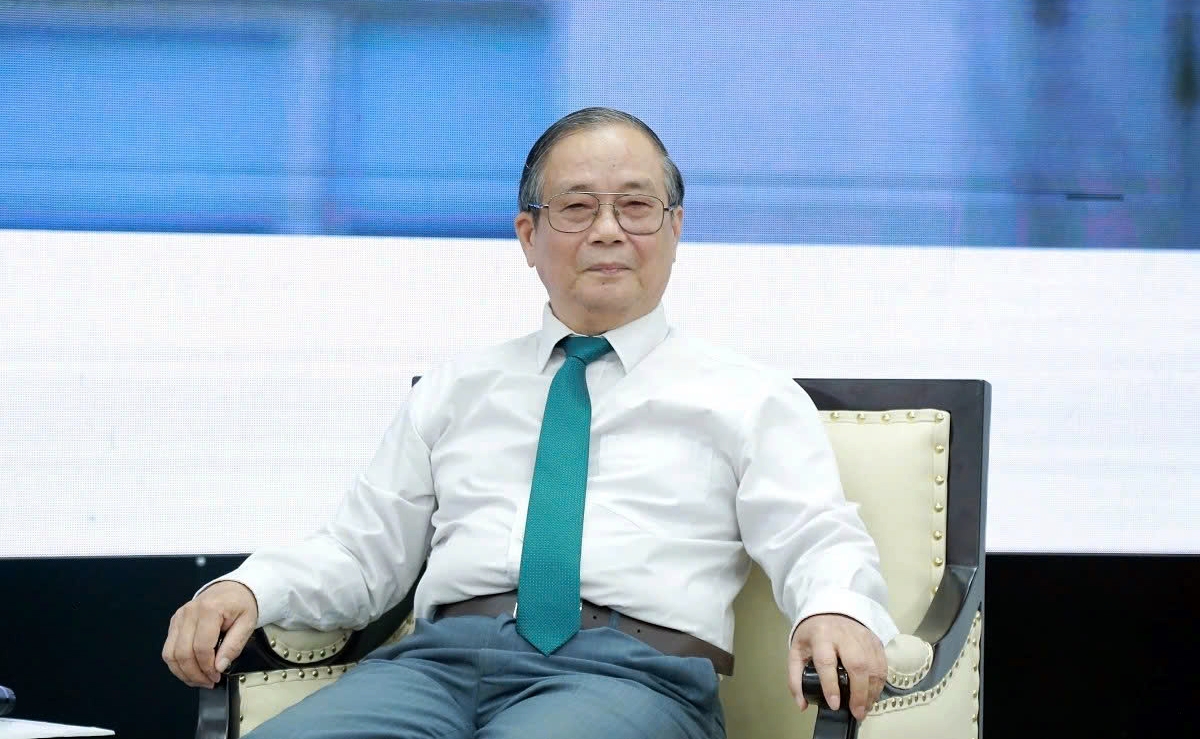
“This is an extremely important affirmation,” says Prof. Dr. Vu Duong Huan, former Director of the Diplomatic Academy of Vietnam, noting the issue was raised at the 13th National Party Congress in 2021, but consensus was not reached at the time. As a result, national defence and security were identified as core and regular tasks, while foreign affairs and international integration were not yet included in the same framework.
However, the Politburo’s Resolution No. 59 issued in January 2025 clarifies and consolidates this strategic orientation. The resolution explicitly affirms that national defence, security, and foreign affairs–international integration are all core and regular tasks. The draft documents for the 14th Congress therefore represent a continuation and reaffirmation of this important viewpoint, rather than a new departure.
Security and foreign affairs are both closely linked to independence, sovereignty, unity, territorial integrity and national interests that are all fundamental and vital to the survival of any nation. In both theory and practice, national defence, security and foreign affairs are dialectically interconnected and mutually reinforcing. The absence or neglect of any one pillar would result in imbalance and could negatively affect the others.
Prof. Dr. Vu Duong Huan emphasises that stabilizing the external environment and mobilising external resources are not solely matters of diplomacy, but are also closely tied to defence and security. When all three pillars are treated as equally core and operate in concert, they generate powerful momentum for national development, particularly in a volatile regional and international environment.
National defence, security and foreign affairs operate in constant interaction with global developments and national interests. Placing all three within the category of “core and regular tasks” is therefore a scientific, accurate and appropriate approach. It creates favourable conditions for rapid and sustainable development and supports the goal set by the 13th National Party Congress of turning Vietnam into a high-income developed country by 2045.
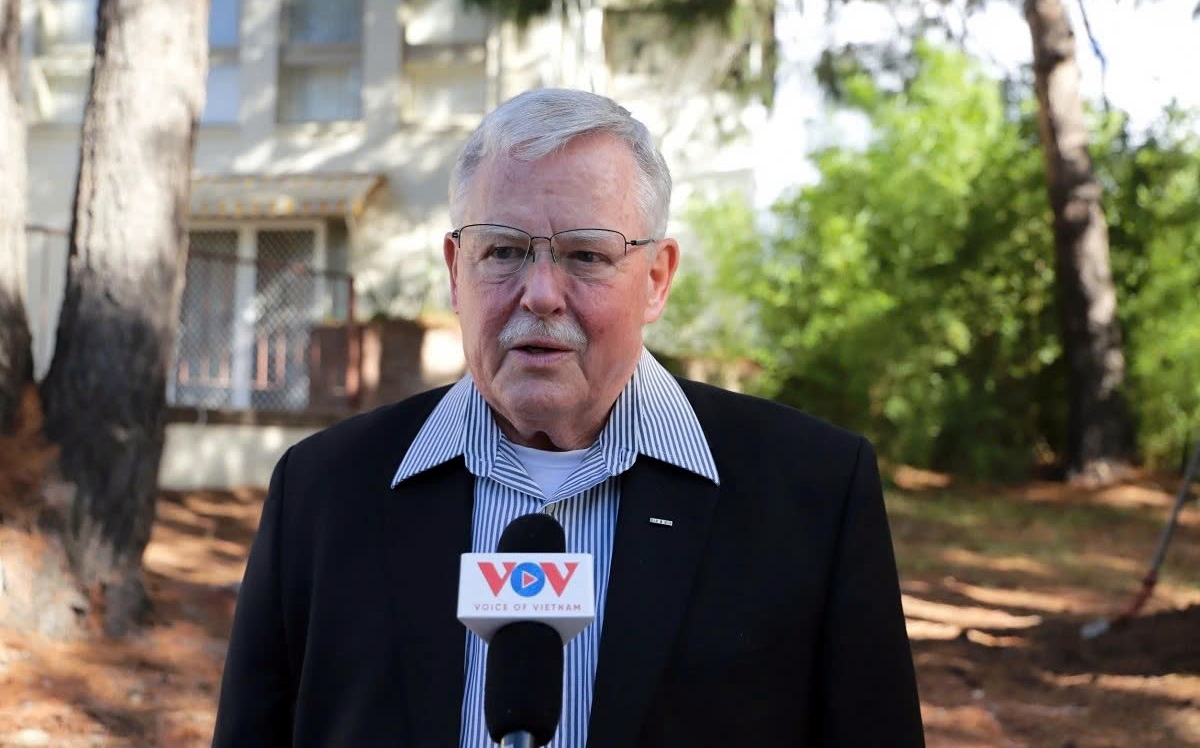
Explaining the evolving concept of national security, Professor Carl Thayer of the Australian Defence Force Academy at the University of New South Wales notes that it initially focused on internal subversion and external military threats. Over time, the concept has expanded to include economic security and human security, reflecting globalization and growing interdependence among nations.
In the current context, he explains, Vietnam needs a comprehensive approach to address opposing trends: on the one hand, globalization and the Fourth Industrial Revolution; on the other, major power competition, polarization and fragmentation, with traditional and non-traditional security challenges increasingly intertwined. Under these conditions, foreign affairs and international integration must become core and regular tasks if Vietnam is to safeguard its national interests and achieve sustainable development goals.
Ambassador Nguyen Hong Thao, Professor and Doctor of Law, states the draft Political Report for the 14th Party Congress appropriately defines foreign affairs and international integration as a “core and regular task,” aligning with institutional reforms and the goal of building a unified, professional and comprehensive diplomacy. This approach helps Vietnam integrate more deeply into global trends, uphold international law, protect peace and stability, promote Vietnamese culture and people abroad, expand the country’s “soft borders,” and attract tourism, investment and talent. It also enables Vietnam to evolve from a reliable and responsible partner into an active contributor to shaping and upholding a fair, rules-based international order.
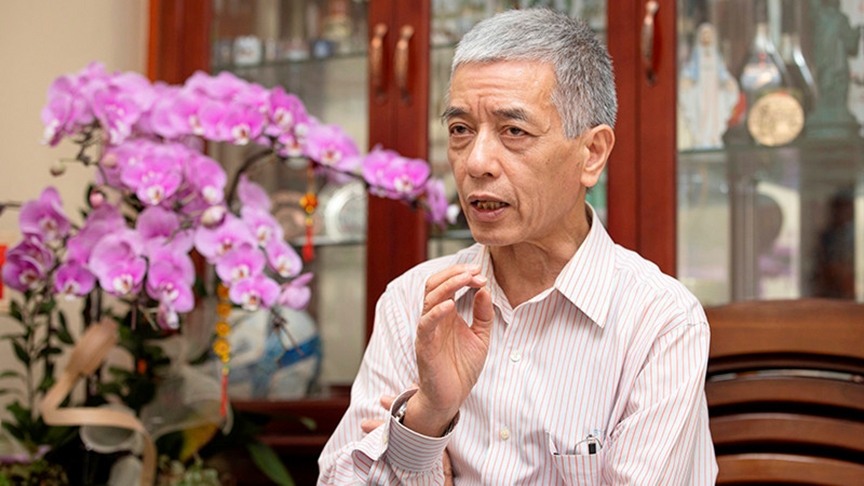
Ambassador Bui The Giang, former Deputy Head of Vietnam’s Permanent Mission to the United Nations and former Director General of the Party Central Committee’s Commission for External Relations’ Department for Western Europe and North America, shares this view. He said the draft documents’ recognition of national defence, security and foreign affairs–international integration as core and regular tasks accurately reflects reality and properly positions foreign affairs.
This formulation not only acknowledges that foreign affairs have long been a regular task, but also highlights the increasingly close coordination between diplomacy and the defence and security pillars underpinning national protection.
“In today’s context, if defence and security are regarded as core missions aimed at safeguarding the nation early and from afar, then ‘early’ protection requires inter-agency information sharing, analysis and coordination, while ‘from afar’ places diplomacy in the leading role,” explains Ambassador Giang. “Diplomacy opens external strategic space, helping prevent conflict at an early stage and from a distance.”
He concludes that defining foreign affairs and international integration as a pillar equal in status and importance to national defence and security fully meets practical requirements and accurately reflects the essence of what constitutes a core and regular task in the current period.
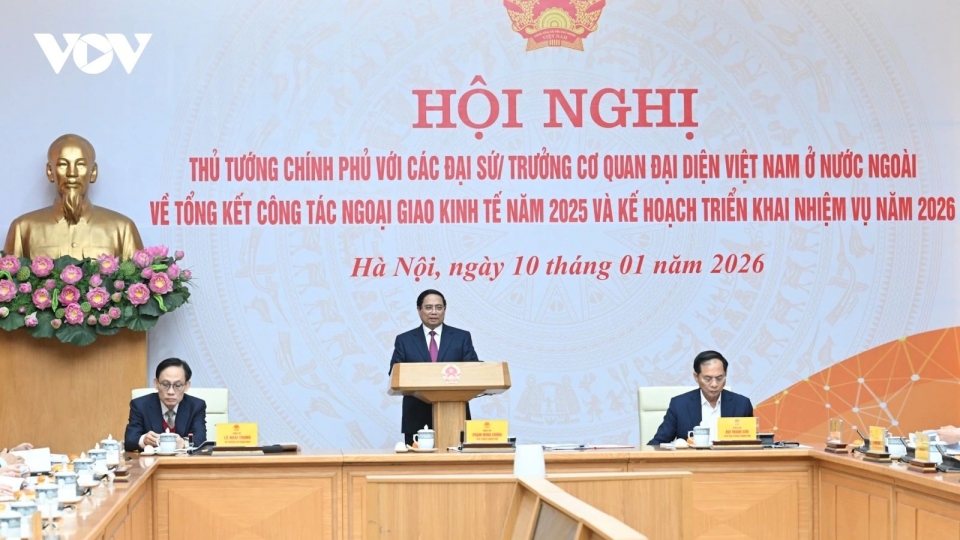
PM outlines economic diplomacy goals for 2026, calls for breakthrough growth
VOV.VN - Prime Minister Pham Minh Chinh chaired an online conference on January 10 with Vietnamese ambassadors and heads of overseas representative missions to review the country’s economic diplomacy in 2025 and set priorities for 2026, emphasising a focus on sincerity, balanced interests, and shared risks.