No “No-Go Zones” in anti-corruption drive, says senior Party official

VOV.VN - Vietnam has reaffirmed its “no exceptions, no forbidden zones” approach to fighting corruption and waste, with a renewed focus on tightening oversight in high-risk areas such as land management, public investment and state assets.
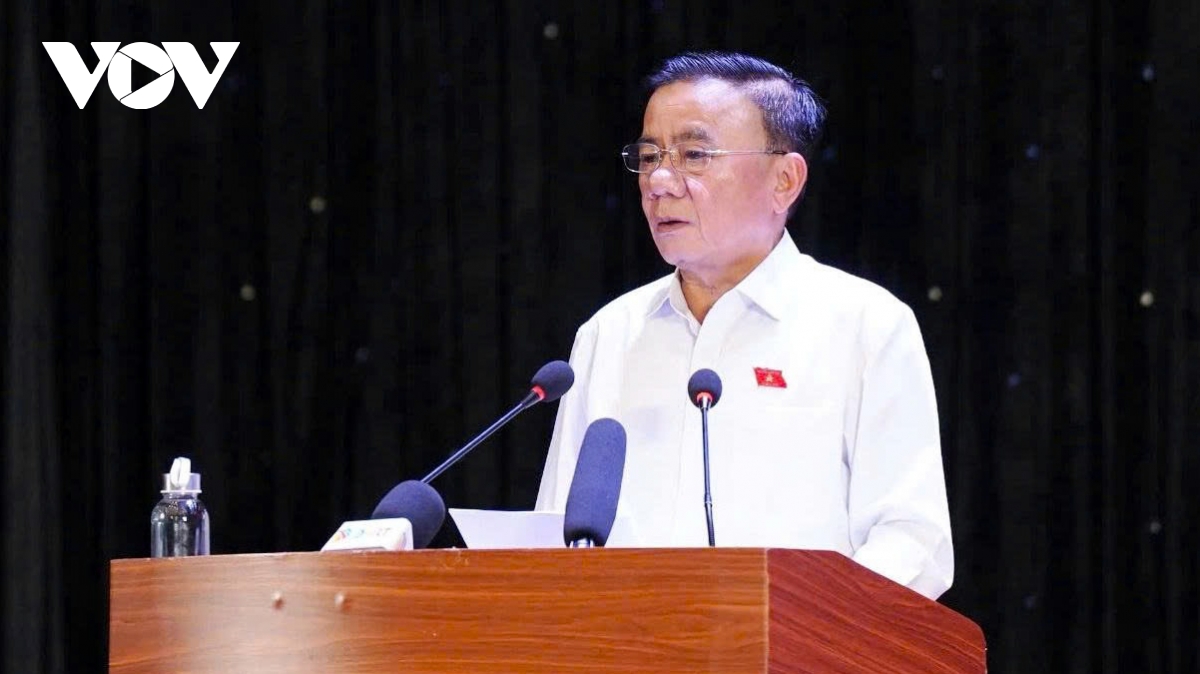
Politburo member and permanent member of the Party Secretariat Tran Cam Tu underscored the message during a voter meeting in Da Nang on May 5, as concerns over power control and governance in sensitive sectors continue to grow.
At the meeting, voters from six wards in Da Nang submitted 17 proposals covering a range of socio-economic issues. Anti-corruption efforts, prevention of wastefulness and stricter control of power emerged as key concerns.
Voters called for stronger and more effective measures to oversee areas prone to misconduct, particularly land management, public investment, state assets and personnel work. These sectors, they noted, have significant impacts on economic development and people’s livelihoods while carrying high risks of losses and inefficiencies if not properly supervised.
Responding to voters, Tu stressed that the Party’s consistent stance is to pursue anti-corruption efforts in a persistent, resolute and continuous manner, with no exceptions or special treatment.
He said high-ranking authorities would continue to strictly enforce regulations on power control in personnel work, while effectively implementing relevant laws, including the Law on Anti-Corruption, the Land Law, the Law on Public Investment and the Law on Management and Use of State Assets.
Accordingly, land, public investment and state assets will remain priority areas for inspection, auditing and supervision in the coming period, aiming to detect and prevent violations early, alongside improving the effectiveness of state management.
In addition to anti-corruption issues, voters also raised concerns over slow disbursement of public investment, shortcomings in the electricity trading mechanism, and the need to accelerate decentralisation and administrative reform to facilitate businesses.
The handling of redundant public offices following administrative mergers also drew attention. Some voters proposed allowing flexible mechanisms such as short-term leasing to make better use of these assets in social sectors like health care, education and culture. In response, Pham Duy Anh, National Assembly deputy and Deputy Director of the Da Nang Financial Department, said the proposal has practical merit but still faces legal and policy constraints that require further guidance.
All voter recommendations at the meeting will be compiled and submitted to relevant authorities for consideration and resolution in line with regulations, ensuring clear assignment of responsibilities, timelines and outcomes.
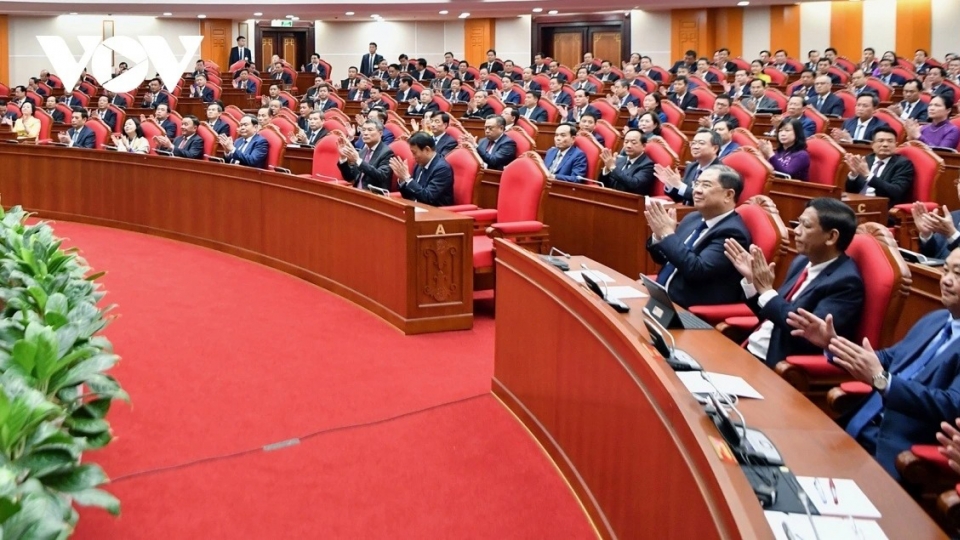
Ideological reform linked to anti-corruption push in new governance drive
VOV.VN - Vietnam is stepping up efforts to reform its ideological work in tandem with strengthening anti-corruption and waste prevention measures, as part of a broader push to improve governance efficiency and public trust.