Ideological reform linked to anti-corruption push in new governance drive

VOV.VN - Vietnam is stepping up efforts to reform its ideological work in tandem with strengthening anti-corruption and waste prevention measures, as part of a broader push to improve governance efficiency and public trust.
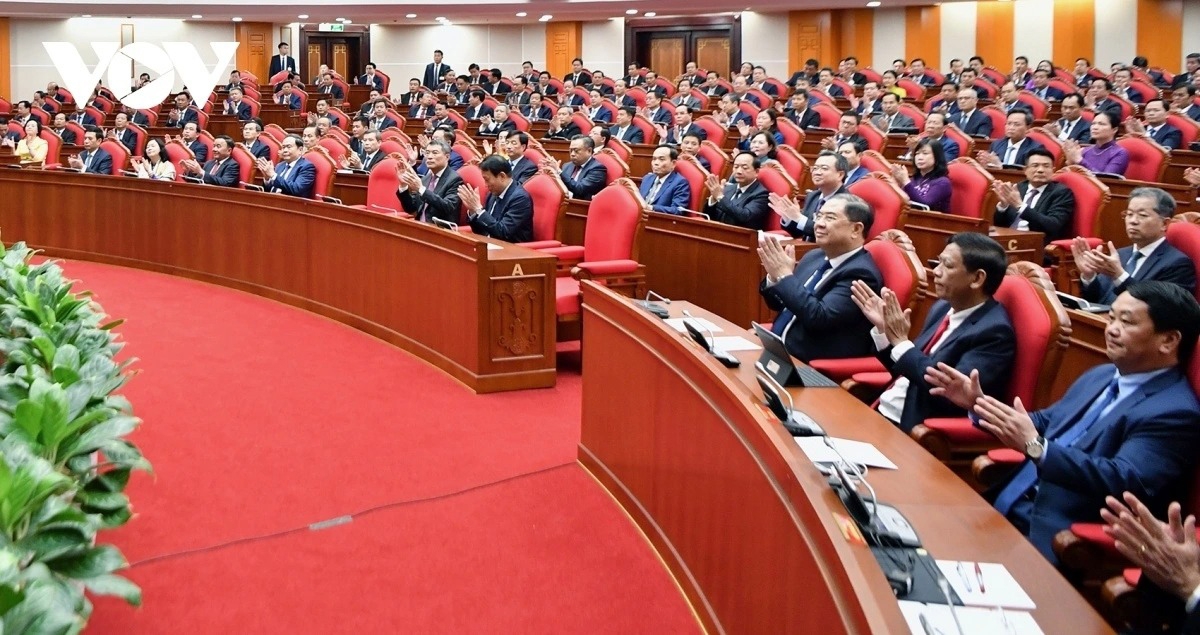
At the second plenum held in Hanoi in early April 2026, the Party Central Committee reaffirmed its commitment to comprehensive Party-building reform, with a focus on political, ideological, and integrity-related priorities in the next phase of development.
Modernising ideological work for greater public trust

According to Assoc. Prof. Dr. Hoang Thi Tham, a scholar of Party history at Commerce University, one of the key requirements is to make ideological work more practical, effective, and forward-looking.
She noted that communication efforts should move beyond one-way messaging and general policy slogans, and instead be grounded in real-world outcomes and measurable results.
“Providing clear indicators on socio-economic development, social welfare, and quality of life would allow citizens to better understand policy impacts and help build sustainable public confidence,” she said.
The need to address the gap between rhetoric and action is also highlighted as a critical issue. “If officials speak about integrity but engage in wasteful or extravagant lifestyles, it undermines the credibility of ideological work,” she stressed.
To address this, she suggested role-modeling by public officials should be translated into concrete evaluation criteria, alongside stronger monitoring mechanisms and public feedback.
In the context of digital transformation, the scholar also underscored the importance of modernising communication methods, including leveraging technology, data, and digital platforms to better engage the public, particularly younger generations, in a rapidly changing media landscape.
Expanding focus from anti-corruption to waste prevention
Alongside ideological reform, Vietnam is also advancing policy changes in anti-corruption efforts, with a notable shift toward addressing wastefulness as a parallel priority.
According to Tham, the issuance of a dedicated resolution following the 14th Party Congress reflects a strategic step and a qualitative shift in governance thinking. While corruption leads to direct financial losses, wastefulness can have broader and longer-term impacts, including the inefficient use of time, opportunities, and public resources.
“Placing both issues on equal footing signals a more comprehensive understanding of the factors that hinder development,” she noted.
The policy approach is also evolving from reactive enforcement toward preventive institutional design. The goal is to establish a system in which officials are effectively deterred from engaging in corruption or waste, whether by lack of opportunity, fear of consequences, or strengthened ethical standards.
At the same time, new policies emphasise encouraging and protecting proactive and innovative officials who are willing to take responsibility for the common good. This is seen as key to addressing risk-averse attitudes within parts of the public sector and unlocking development potential.
Towards more transparent and effective governance
More broadly, strengthening Party-building efforts alongside anti-corruption and waste prevention measures is viewed as central to improving governance capacity.
“A strong ruling party is defined not only by its size, but by its integrity and effectiveness,” Tham said.
Effective control of corruption and waste is also expected to help unlock underutilised resources. Even modest savings in public spending could generate significant impacts in areas such as education and healthcare.
Overall, the reforms reflect Vietnam’s broader efforts to build a modern, transparent, and citizen-oriented governance system. In the context of deep international integration, ensuring consistency between commitments and implementation, along with effective control of corruption and waste, is seen as essential to strengthening public trust and supporting sustainable development.
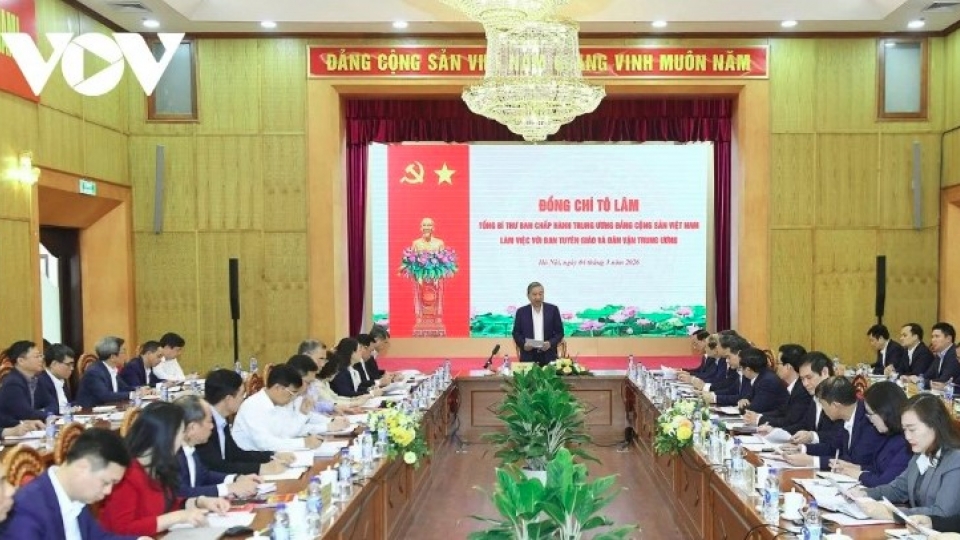
Party leader To Lam: Political and ideological work must lead the way
VOV.VN - Political and ideological work must lead the way, while responsibilities of heads of organisations should be clearly defined and measurable to address the gap between words and actions.