Anti-corruption resolution to be adopted in late March, says Party official

VOV.VN - The 14th Party Central Committee is set to adopt a resolution on anti-corruption, wastefulness and misconduct during its second plenum scheduled for late March 2026, a senior Party officials said on February 12.
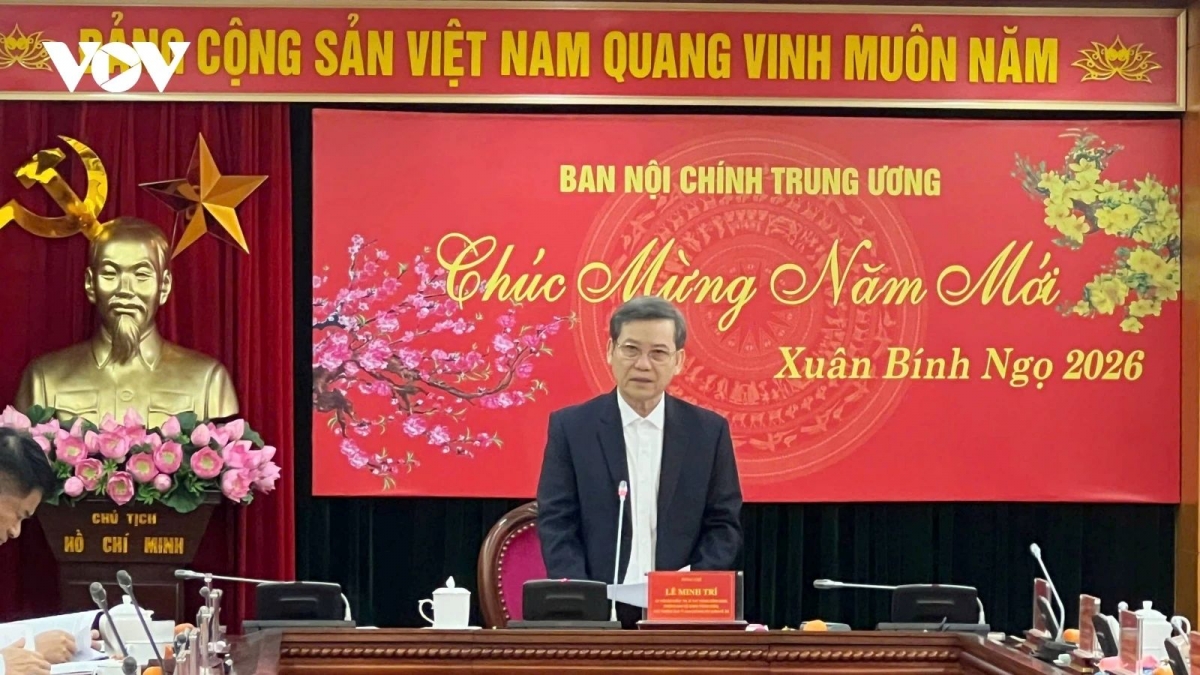
Le Minh Tri, Head of the Party Central Committee’s Commission for Internal Affairs and Standing Deputy Head of the Central Steering Committee for Prevention and Control of Corruption and Negative Phenomena, chaired a meeting with leaders of central internal affairs agencies and relevant bodies to review a draft project summarizing 20 years of implementing the 3rd Plenum Resolution of the 10th tenure on strengthening Party leadership in anti-corruption efforts.
The draft will be submitted to the 14th Party Central Committee for consideration and promulgation of a new resolution for the next phase.
Addressing the meeting, Tri stressed that the decision to adopt the resolution at the second plenum demonstrates the high priority attached to anti-corruption work by the Party Central Committee and General Secretary To Lam personally.
He emphasised that the resolution must fully institutionalize new orientations and viewpoints outlined in the documents of the 14th National Party Congress, as well as directives from the General Secretary. Anti-corruption efforts, he said, must remain resolute, persistent and sufficiently deterrent, while also supporting socio-economic development, fostering confidence among officials, businesses and the public, and creating momentum for growth.
The resolution is expected to further refine the legal and institutional framework, translating new Party policies into concrete regulations and strategic guidelines.
Authorities plan to shift the focus toward prevention, reform management methods, increase post-inspection mechanisms while reducing excessive pre-approval procedures, and strengthen early-stage supervision. Enhanced power control will be applied in five key areas already regulated by the Politburo, with particular attention to leaders and sectors vulnerable to corruption and wastefulness.
Tri underscored the need to ensure timely, synchronized and strict handling of violations in a humane and persuasive manner, preventing minor infractions from escalating and avoiding the recurrence of past misconduct.
Inspection, audit, investigation and enforcement efforts will be intensified in critical and sensitive sectors, including emerging areas at high risk of corruption and waste. Tri reaffirmed the principle of “no forbidden zones, no exceptions” for intentional violations, masterminds and those acting out of self-interest, while protecting officials who are innovative and act in the public interest.
The senior Party official also called for stronger anti-corruption efforts at the grassroots level, including tackling petty corruption, and for improved service delivery to citizens and businesses. He emphasised the need for effective coordination among relevant agencies to meet new requirements and approaches, combining deterrence and early warning with support for socio-economic development.
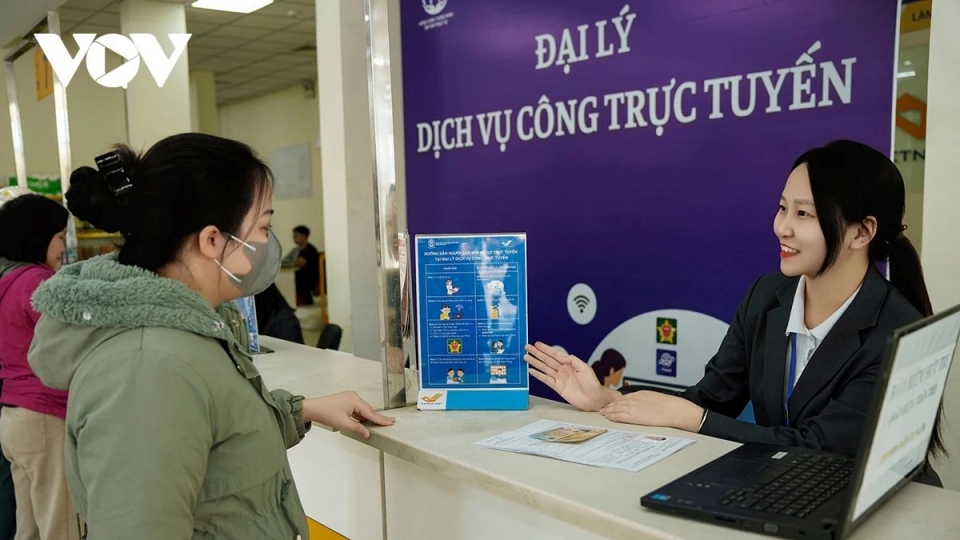
Digital transformation strengthens transparency and anti-corruption efforts in Vietnam
VOV.VN - As Vietnam pursues sustainable development in the digital era, digital transformation has emerged as a strategic breakthrough to enhance transparency, accountability and the effectiveness of anti-corruption efforts across the public sector.