National Assembly leaves distinctive legacy amid profound changes

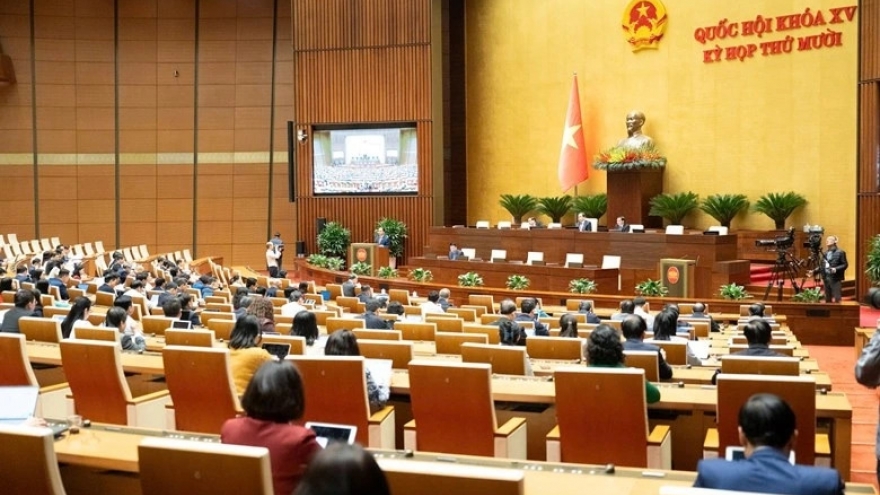
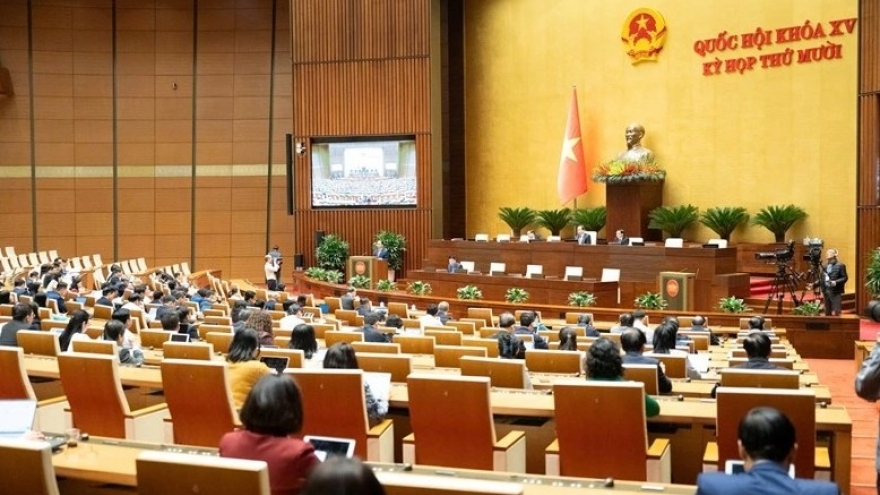
VOV.VN - Amid profound domestic and global changes requiring timely, flexible and forward-looking decisions, Vietnam’s 15th National Assembly has affirmed its role as the country’s highest representative and state power body during what has been widely described as an exceptional term.
Acting with unity, innovation and a strong sense of responsibility to the Party and the people, the 15th National Assembly left distinctive marks of leadership, institutional strength and reform-minded governance, laying a solid foundation for Vietnam’s next phase of development, i.e. it is faster, more sustainable and oriented toward prosperity and national strength.
Historic Constitutional amendments
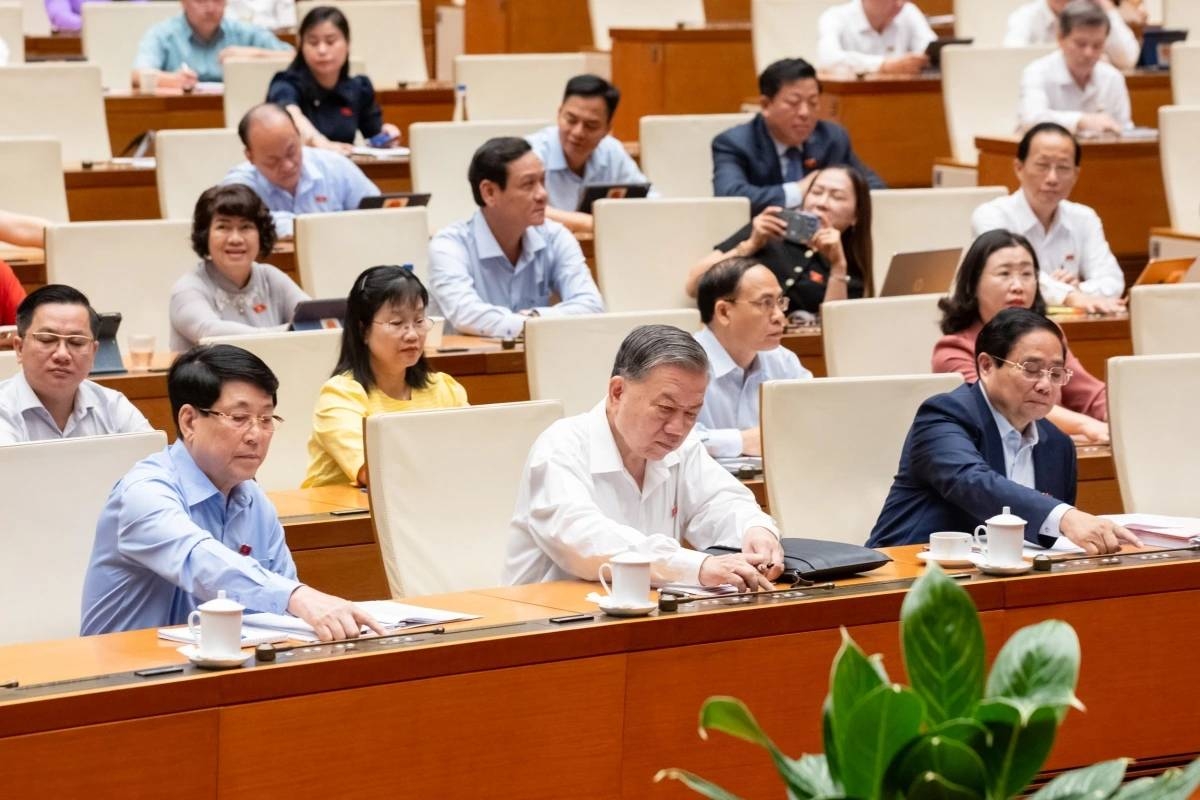
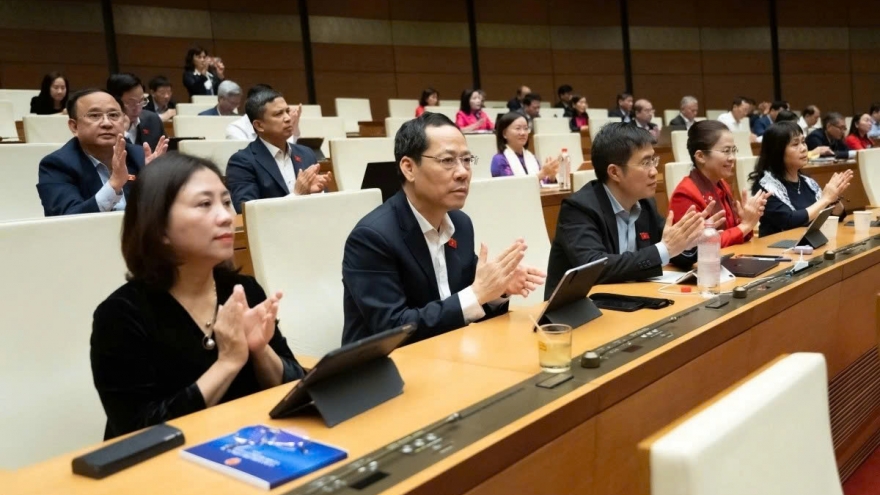
One of the most significant milestones of the term came on June 16, 2025, when the National Assembly unanimously adopted a resolution amending and supplementing several articles of the 2013 Constitution, with all 470 lawmakers voting in favor. The outcome reflected an exceptionally high level of consensus and demonstrated the timely institutionalization of Party policies, aligning the will of the Party with the aspirations of the people.
The constitutional amendments carry historic significance, providing a legal foundation for streamlining the political system and reorganising local governance into a two-tier model aimed at improving efficiency and public service delivery. The revised Constitution also formalized administrative structures for special economic-administrative units and marked the conclusion of district-level administrative units after fulfilling their historic role over eight decades.
The amendment process was carefully prepared and widely consultative. For the first time, public feedback was collected extensively via the VNeID digital platform, generating more than 280 million opinions with a reported approval rate of 99.75%. These contributions were compiled into more than 3,400 pages of documentation and systematically reviewed, reflecting the Assembly’s commitment to transparency, democracy and accountability.
Breakthrough legislative performance
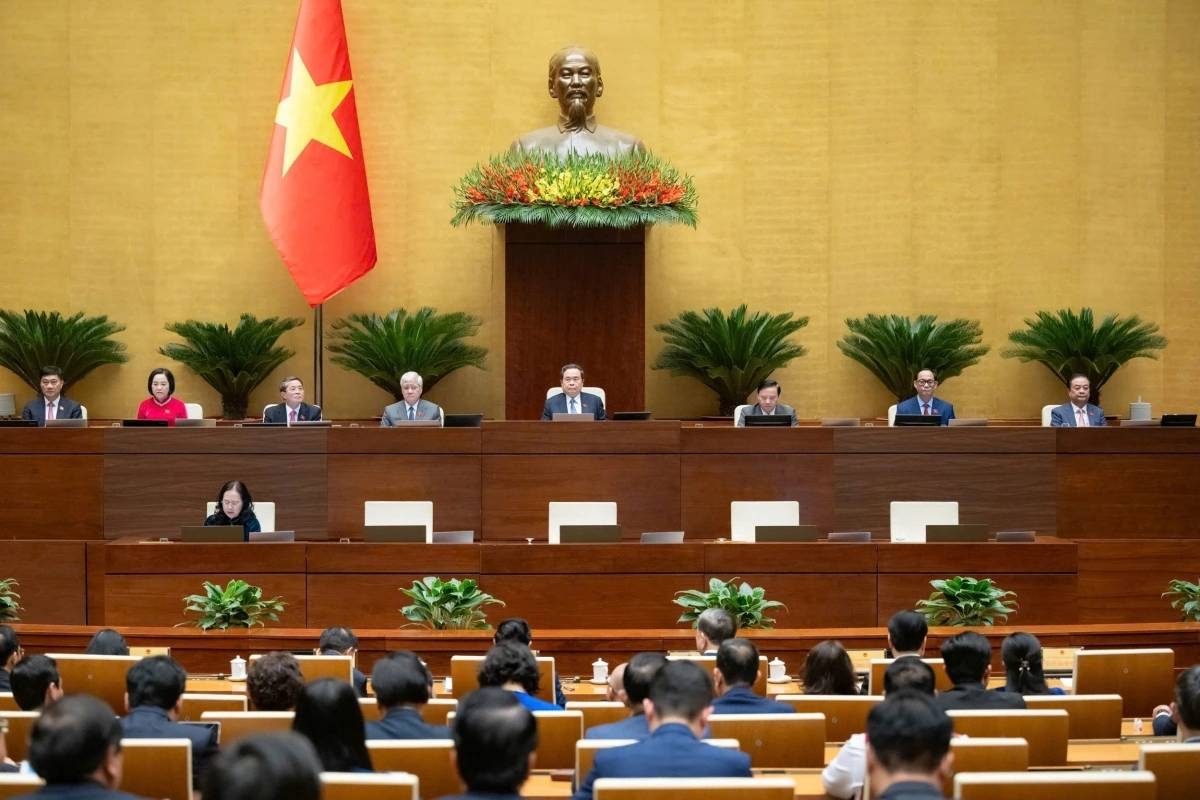
Legislation was identified as a central and continuous priority. The 15th National Assembly adopted a reform-oriented legislative mindset, moving away from restrictive governance approaches toward policies centred on citizens and businesses, with the aim of removing bottlenecks and unlocking development resources.
For the first time, the Politburo issued a conclusion guiding legislative priorities for the entire term, underscoring the proactive role of the Party delegation within the National Assembly in translating Party resolutions into law.
Across 19 regular and extraordinary sessions, the legislature passed 148 laws and 45 resolutions containing legal provisions. It completed more than 200 legislative tasks, exceeding initial targets by over 30%. The evolving legal framework has strengthened institutional foundations for economic restructuring, digital transformation, green growth and sustainable development.
In the final four sessions of the term, legislative reform became particularly evident, with laws drafted in a more concise and principle-based manner, enhanced decentralization, and greater flexibility delegated to the government for implementation. The inaugural National Forum on Lawmaking was also convened, contributing theoretical and practical insights for future legislative reforms.
Constructive oversight and strategic decisions
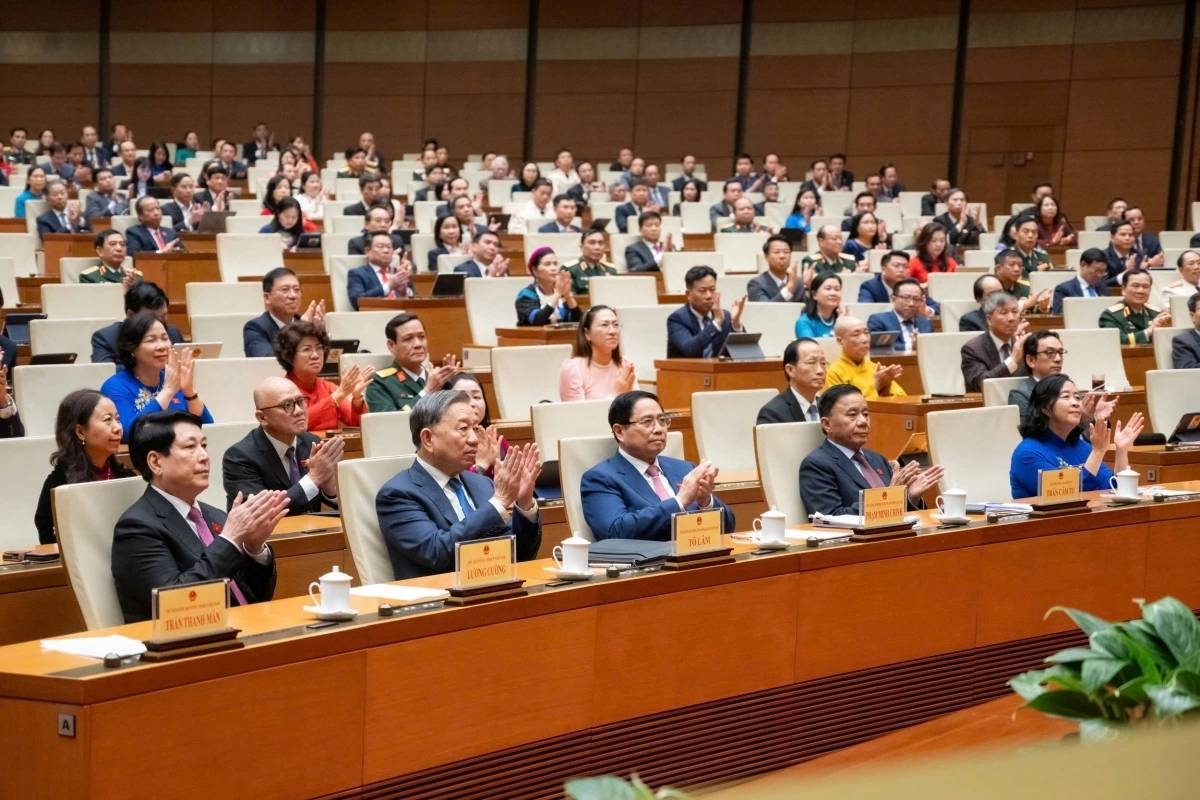
Oversight activities were strengthened as a key mechanism for improving governance effectiveness. The National Assembly conducted question-and-answer sessions at eight sittings, addressing urgent and strategic issues, including newly added areas such as auditing and foreign affairs. Follow-up supervision assessed the implementation of post-questioning commitments, reinforcing accountability.
The National Assembly also conducted seven thematic supervision programmes, some initiated at early stages of policy implementation, demonstrating a cooperative approach with the government to address challenges promptly.
Major national decisions were adopted, including approval of strategic infrastructure projects such as the North–South high-speed railway and the Ninh Thuan nuclear power project, both regarded as having long-term significance for sustainable development. During the COVID-19 pandemic, the legislature issued unprecedented resolutions granting special authority to the government to protect public health while supporting socio-economic recovery.
Institutional reform and governance renewal
Personnel decisions were handled in a transparent and consensus-driven manner. The decision to shorten the 15th Assembly’s term was described as a strategic move to ensure continuity and alignment with preparations for the Party’s 14th National Congress.
Notably, the National Assembly led by example in implementing Resolution 18 of the Party Central Committee on streamlining the political apparatus, clarifying institutional functions and enhancing operational efficiency. This internal reform sent a strong signal of accountability and determination to modernize governance in the national interest.
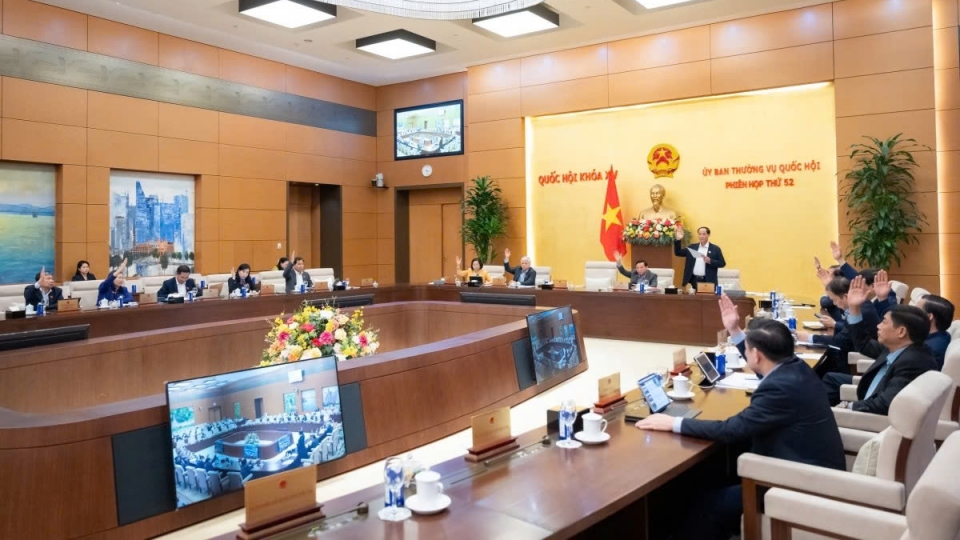
16th National Assembly to hold first session in Apr. 2026 following elections
VOV.VN - The 16th National Assembly of Vietnam, following parliamentary elections in March 2026, is expected to convene its first session in early April, with a strong focus on organisational matters, leadership appointments and major policy decisions for the 2026–2030 period.