Macroeconomic stability key to sustained high growth, Deputy PM says

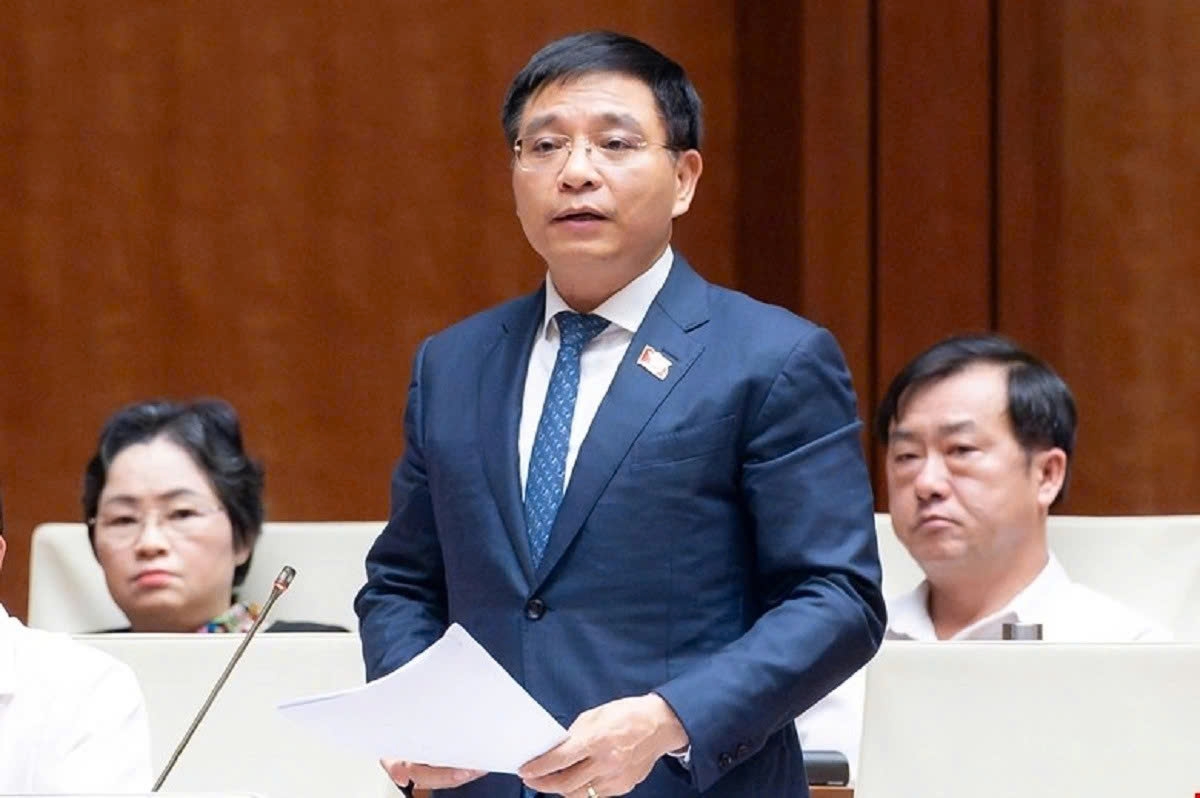
VOV.VN - Deputy Prime Minister Nguyen Van Thang, while addressing the National Assembly on April 21, stressed that macroeconomic stability is a prerequisite for Vietnam to achieve high, sustained and long-term growth.
On behalf of the Government, he expressed appreciation to the National Assembly, its deputies, and voters nationwide for their support and cooperation in implementing socio-economic development goals. The Government, he affirmed, will seriously take on board feedback to enhance the effectiveness of its governance and policy implementation.
Identifying bottlenecks to growth
According to the Deputy Prime Minister, although the quality of economic growth has improved in recent years, Vietnam’s economy continues to face structural challenges. Growth has yet to reach its full potential, labour productivity remains modest, and the efficiency of capital utilisation is still limited, as reflected in a relatively high Incremental Capital-Output Ratio (ICOR). Meanwhile, technological capacity and the development of foundational and strategic industries is insufficient.
These factors have been identified as major bottlenecks that need to be addressed to lay the groundwork for faster and more sustainable growth in the coming period.
The Deputy Prime Minister highlighted the close interdependence between growth and macroeconomic stability, describing them as “two wings of a bird.” Sustained high growth, he noted, can only be achieved on a stable macroeconomic foundation, while stability itself is reinforced through effective growth.
Given Vietnam’s high degree of economic openness and exposure to global fluctuations, maintaining macroeconomic stability is increasingly critical and remains a central pillar of the Government’s policy framework.
Reshaping the growth model and drivers
To achieve double-digit growth in the 2026–2030 period, the Government has submitted to the National Assembly 11 groups of tasks and solutions, comprising 92 specific measures. The focus is on transforming the growth model toward a more modern, efficient, and inclusive approach.
The new model is built on three key pillars, namely a modern and competitive institutional framework; a society-wide culture of innovation; and more efficient resource allocation to enhance productivity.
Science and technology, innovation, and digital transformation are identified as core growth drivers, while emerging sectors such as the digital economy, data economy, green economy, and circular economy are expected to create new development space. At the same time, the Government will continue to leverage existing strengths, particularly in the early stages when new drivers have yet to fully materialise.
Policy coordination and resource mobilisation
On macroeconomic management, he said, the Government underscores the need for close coordination between fiscal and monetary policies. As monetary policy space becomes more constrained, fiscal policy is expected to play a more proactive role, with targeted and prioritized expansion.
Key measures, according to the Deputy PM, include raising the budget deficit to around 5% of GDP during 2026–2030, increasing development investment to account for approximately 40% of total budget expenditure, and introducing tax and fee incentives to support businesses and people.
Efforts will also focus on developing capital markets, particularly the stock market, as a key channel for mobilising medium- and long-term capital, thereby easing pressure on the banking system. Market capitalisation is expected to reach around 120% of GDP by 2028.
Improving public investment and human capital
Enhancing the efficiency of public investment disbursement is another priority. The Government aims for a 100% disbursement rate while ensuring quality and focusing on key projects, reducing fragmented investment.
In parallel, reforms will continue in administrative procedures, the business environment, and workforce development. Strengthening foreign language skills, particularly gradually introducing English as a second language in school, is viewed as a strategic step to improve national competitiveness.
The Deputy Prime Minister reaffirmed that the goal of rapid and sustainable growth is closely tied to the country’s long-term strategic milestones. While the target is ambitious, he expressed confidence that with comprehensive and decisive measures, alongside the engagement of the entire political system, Vietnam is well-positioned to achieve it.
This, he noted, would enable the economy to grow more rapidly and efficiently, deepen global integration, and ensure that people increasingly benefit from development outcomes.
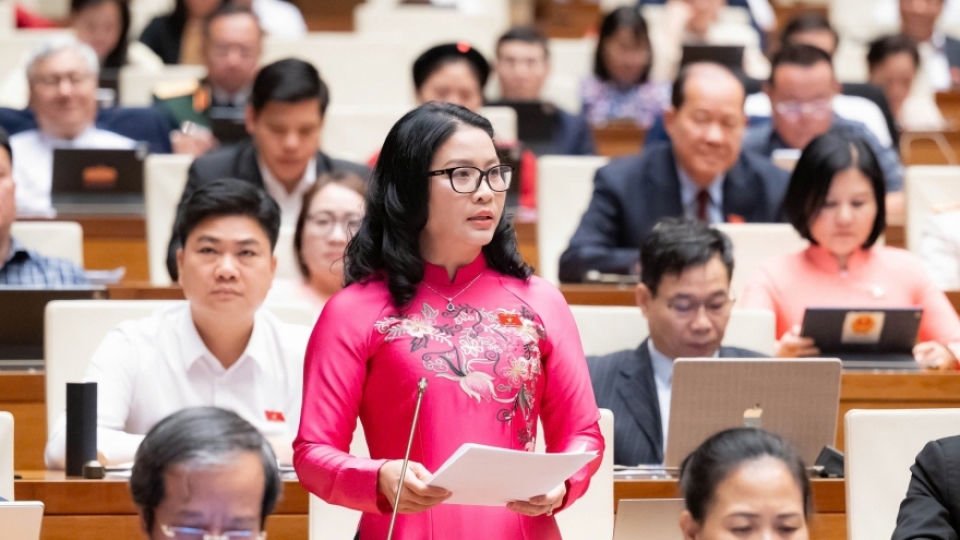
Lawmakers propose solutions to sustain double-digit growth momentum
VOV.VN - The National Assembly on April 21 is set to discuss socio-economic development and key reforms, with lawmakers expected to put forward solutions aimed at achieving double-digit growth this year.