Four core principles guide Vietnam’s development in decades ahead

VOV.VN - The policy of firmly upholding four core principles has emerged as a central message from the second plenum of the 14th Party Central Committee, providing both strategic direction and implementation momentum for Vietnam’s development goals toward 2030 and 2045.
Vietnam aims to become a developing country with modern industry and upper-middle-income status by 2030, and a developed, high-income country by 2045.
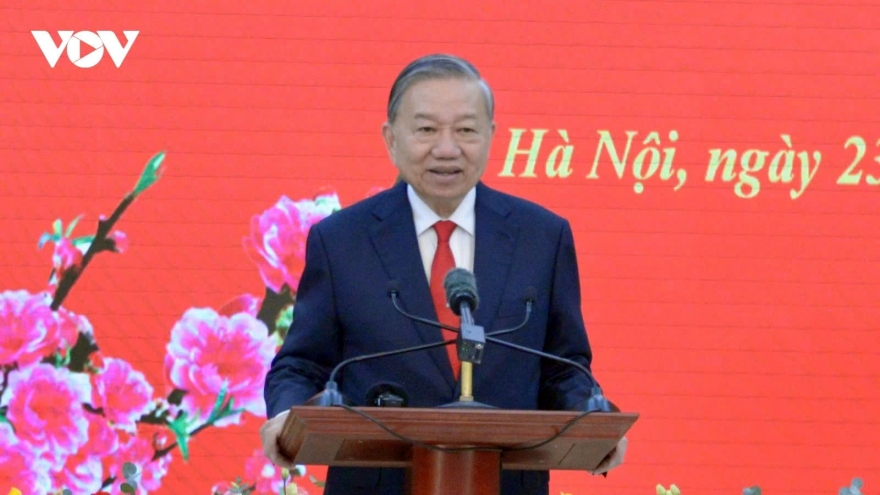
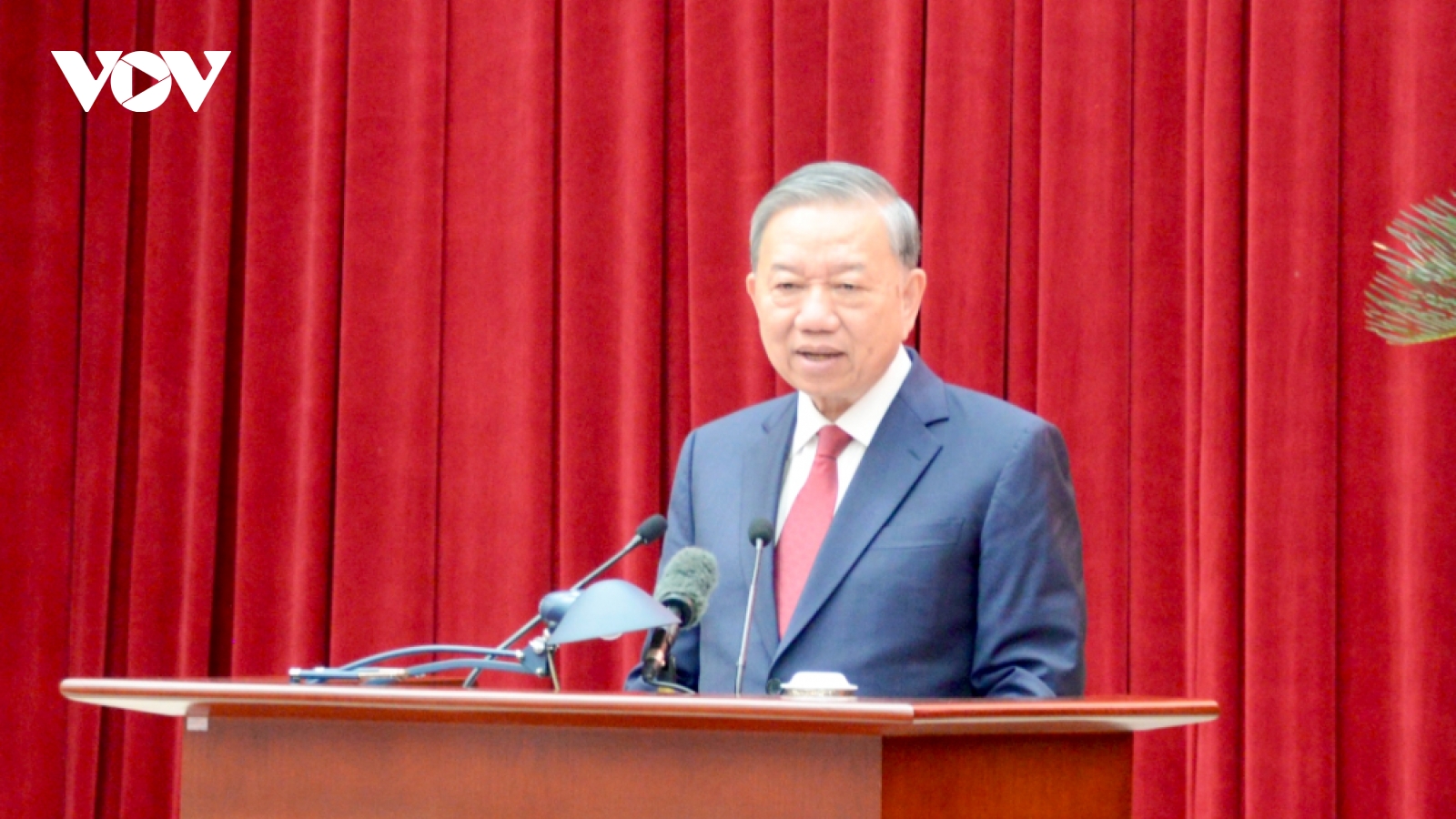
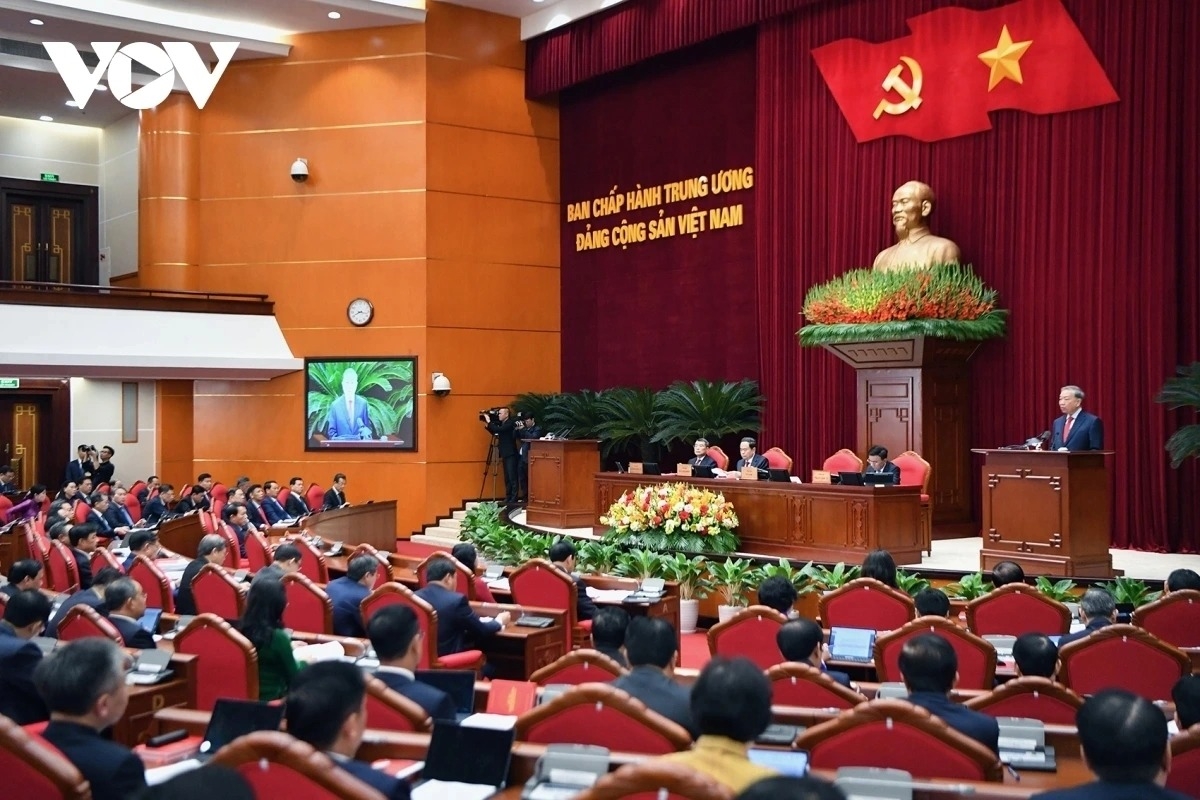
In his closing remarks at the second plenum held in April 2026, Party General Secretary and State President To Lam stressed the need to strengthen political and ideological work as the foundation for enhancing the Party’s leadership capacity, unity, and resilience. At the heart of this effort is the consistent application of these four core principles across all levels.
A strong ideological foundation for development
The four principles, covering ideological foundations, development objectives, reform orientation, and organisational rules, form a unified framework rather than separate concepts. With their institutionalisation under the Politburo’s Regulation No. 19 on political and ideological work, they are directly linked to the implementation of Vietnam’s long-term development strategy.
As Vietnam enters a new phase of development in an increasingly complex global environment, the challenge is no longer limited to maintaining stability but extends to accelerating growth and achieving breakthroughs. This requires a solid ideological base, clear direction, and effective governance mechanisms.
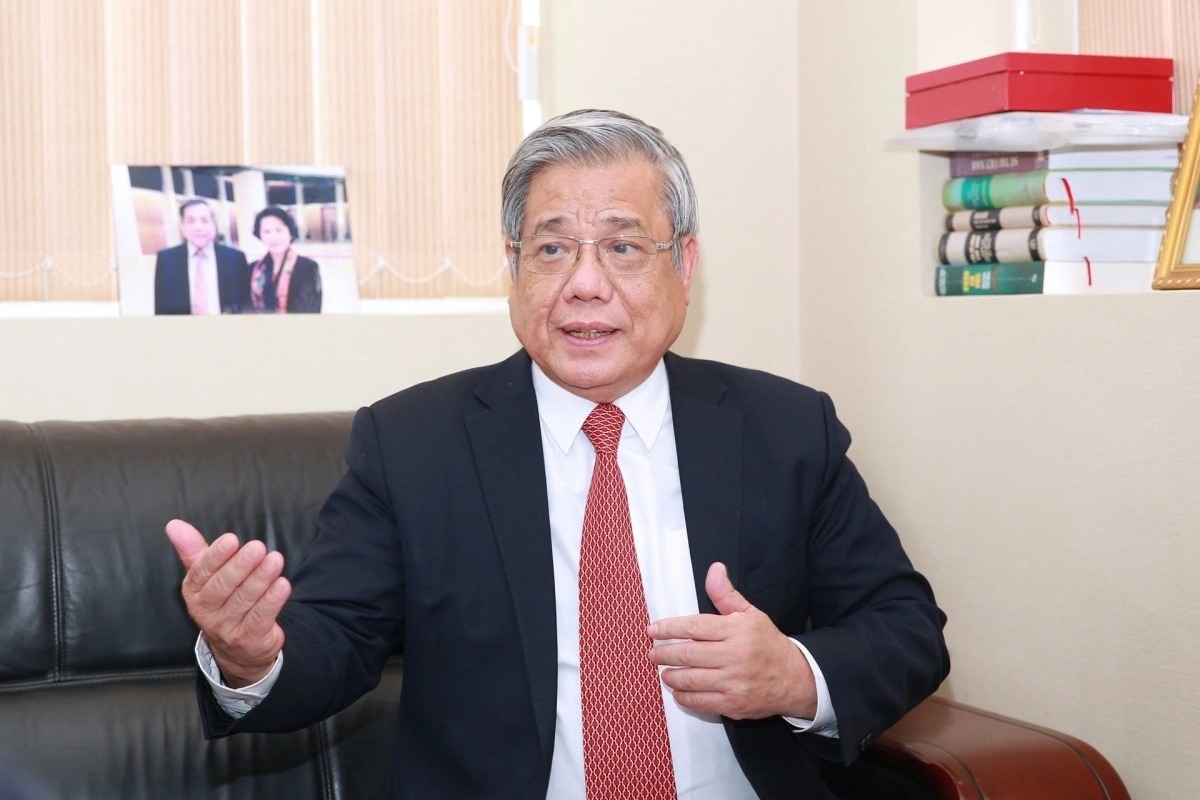
According to Prof. Dr. Vu Minh Giang, historian at Vietnam National University – Hanoi, Vietnam must “strengthen its political and ideological foundations decisively” to meet the demands of faster and more intensive development. In this context, the four principles serve as a unifying reference point, ensuring consistency in both thinking and action.
He emphasised that shared understanding is essential for implementing increasingly complex development goals. Without it, execution risks becoming fragmented and less effective.
“Importantly, firmly upholding these principles does not imply rigidity. Rather, it must go hand in hand with innovation and adaptability. A purely rigid approach could lead to stagnation, while flexible application allows policies to remain aligned with real-world conditions,” he stated.
This view is reinforced by Nguyen Duc Ha, former director of the Party Grassroots Department under the Party Central Committee’s Organisation Commission, who noted that while core principles must remain intact, methods of implementation should be adaptable. In other words, strategic objectives stay constant, but the pathways to achieve them can evolve.
“Balancing consistency with innovation is particularly critical in today’s fast-changing world. Systems that are consistent but inflexible risk falling behind, while those that innovate without clear principles risk losing direction. The four core principles help reconcile these competing demands,” he explained.
Strategic orientation and growth drivers
Among the four pillars, the commitment to national independence and socialism is identified as a central, long-term orientation. This reflects not a rigid model but a vision of a prosperous society where people enjoy improved living standards and well-being.
This principle also underpins Vietnam’s ability to safeguard national interests amid intensifying global competition. A clear strategic direction allows the country to remain confident and proactive in choosing its development path.
Equally important is the principle of continuing reform, which has been a key driver of Vietnam’s transformation over recent decades. Reform has strengthened both economic capacity and international standing.
In the current context, maintaining momentum in reform is essential, and countries that hesitate risk being left behind, Prof. Dr. Giang noted. Firmly upholding the reform orientation is therefore both a continuation of past achievements and a requirement for future progress.
Another critical component is adherence to organisational principles, which ensure discipline, cohesion, and governance effectiveness. These principles play a vital role in maintaining unity and preventing risks associated with power concentration.
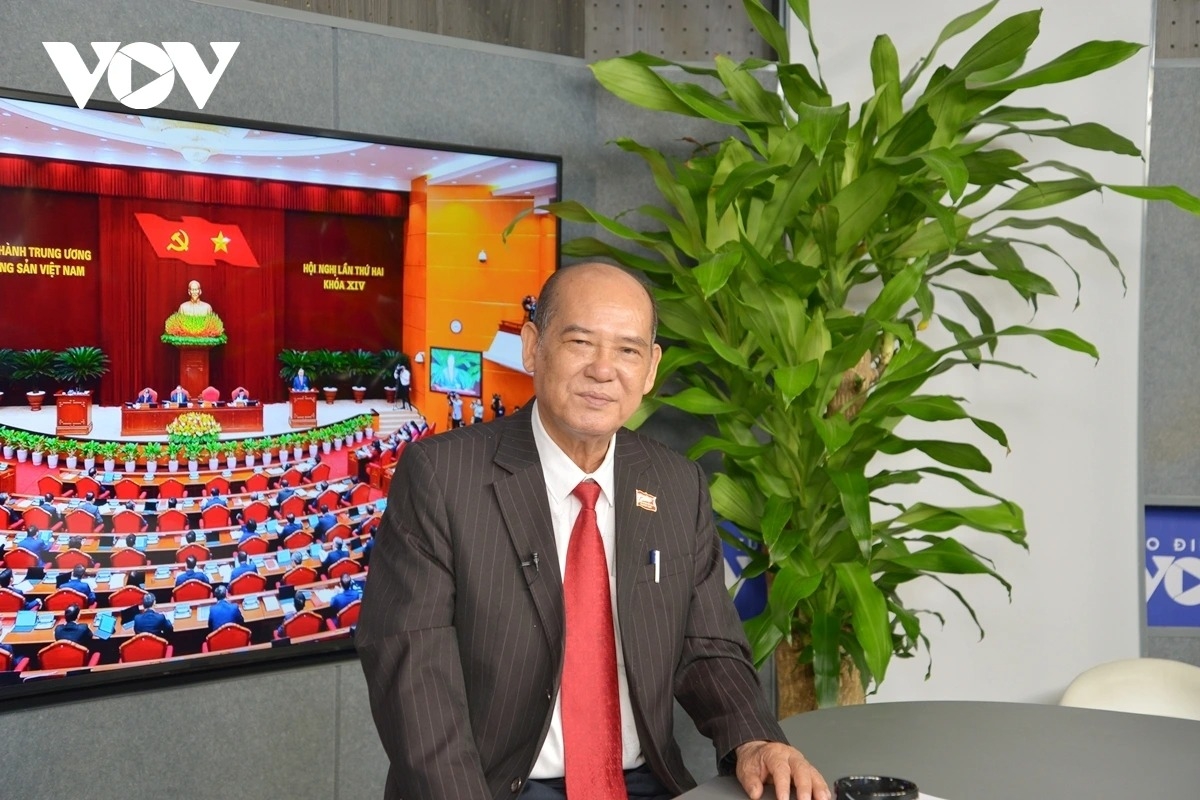
Official Nguyen Duc Ha from the Party Central Committee’s Organisation Commission highlighted that principles such as democratic centralism are essential for ensuring unity in both will and action. Without them, organizational cohesion weakens, directly affecting policy implementation.
From strategic framework to development momentum
Taken together, the four core principles provide more than direction, they create a framework for effective implementation by integrating ideology, objectives, methods, and organisation.
Looking ahead to 2030 and 2045, Vietnam faces significant challenges, including sustaining high growth while ensuring social progress, environmental protection, and long-term sustainability. Achieving these goals requires not only resources but also effective leadership and clear strategic orientation.
In this context, firmly upholding the four core principles is seen as a necessary condition. By maintaining political clarity, promoting innovation, advancing reform, and strengthening organisational capacity, Vietnam can build the combined strength needed to realize its ambitions.
Equally important is the role of individual responsibility. When officials and Party members internalise these principles and translate them into unified action, they become a source of internal motivation rather than abstract guidelines.
In Vietnam’s current development stage, the four core principles function both as a guiding compass and a stabilising foundation for the political system. They support not only stability but also the conditions for transformative growth. On this basis, Vietnam is positioning itself to achieve not only sustained progress but also significant breakthroughs in the decades ahead.

Party Congress Resolution gives fresh impetus to business climate
VOV.VN - The Resolution adopted at the recent 14th National Party Congress is expected to inject new momentum into institutional reform, improve the business environment and unlock new growth drivers, as Vietnam enters a new phase of development, said analysts and business executives.