Party Congress Resolution gives fresh impetus to business climate

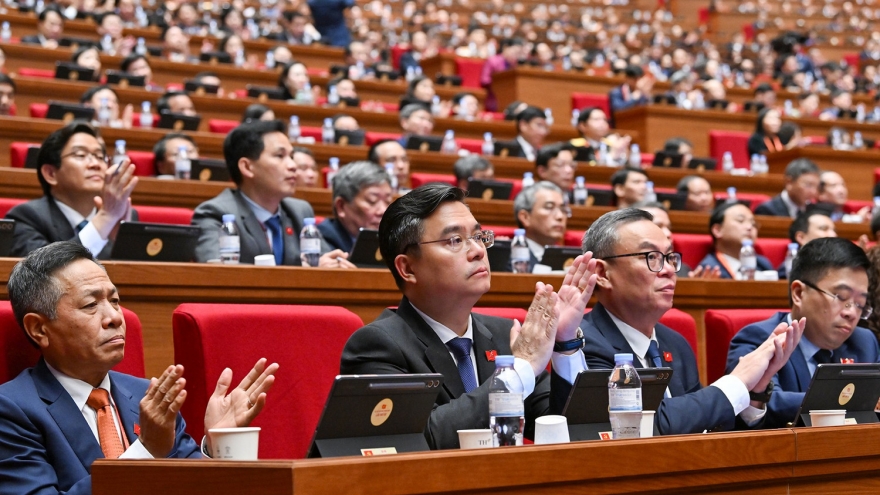
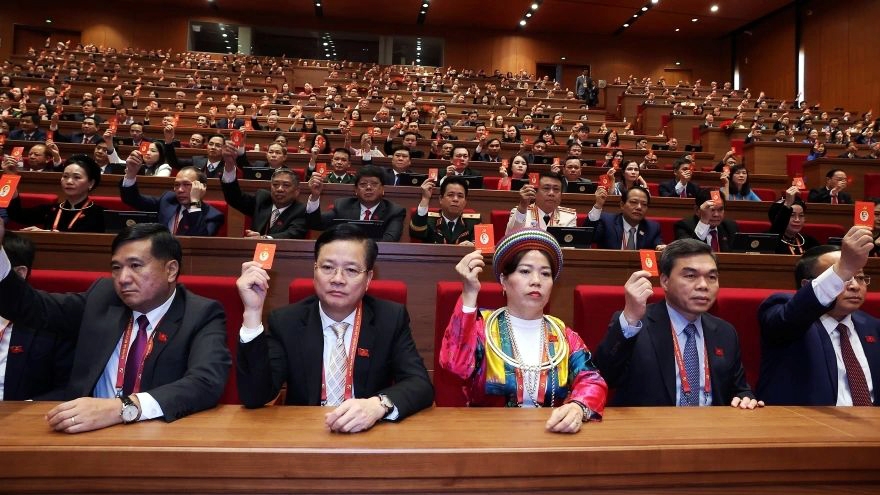
VOV.VN - The Resolution adopted at the recent 14th National Party Congress is expected to inject new momentum into institutional reform, improve the business environment and unlock new growth drivers, as Vietnam enters a new phase of development, said analysts and business executives.
For private sector development
Following the success of the recent 14th National Party Congress in Hanoi, confidence, expectations and aspirations for development are spreading across society, particularly within the business community. Enterprises are not only looking to ambitious targets, but also to swift and effective implementation of the Party’s policy directions in economic and social spheres.
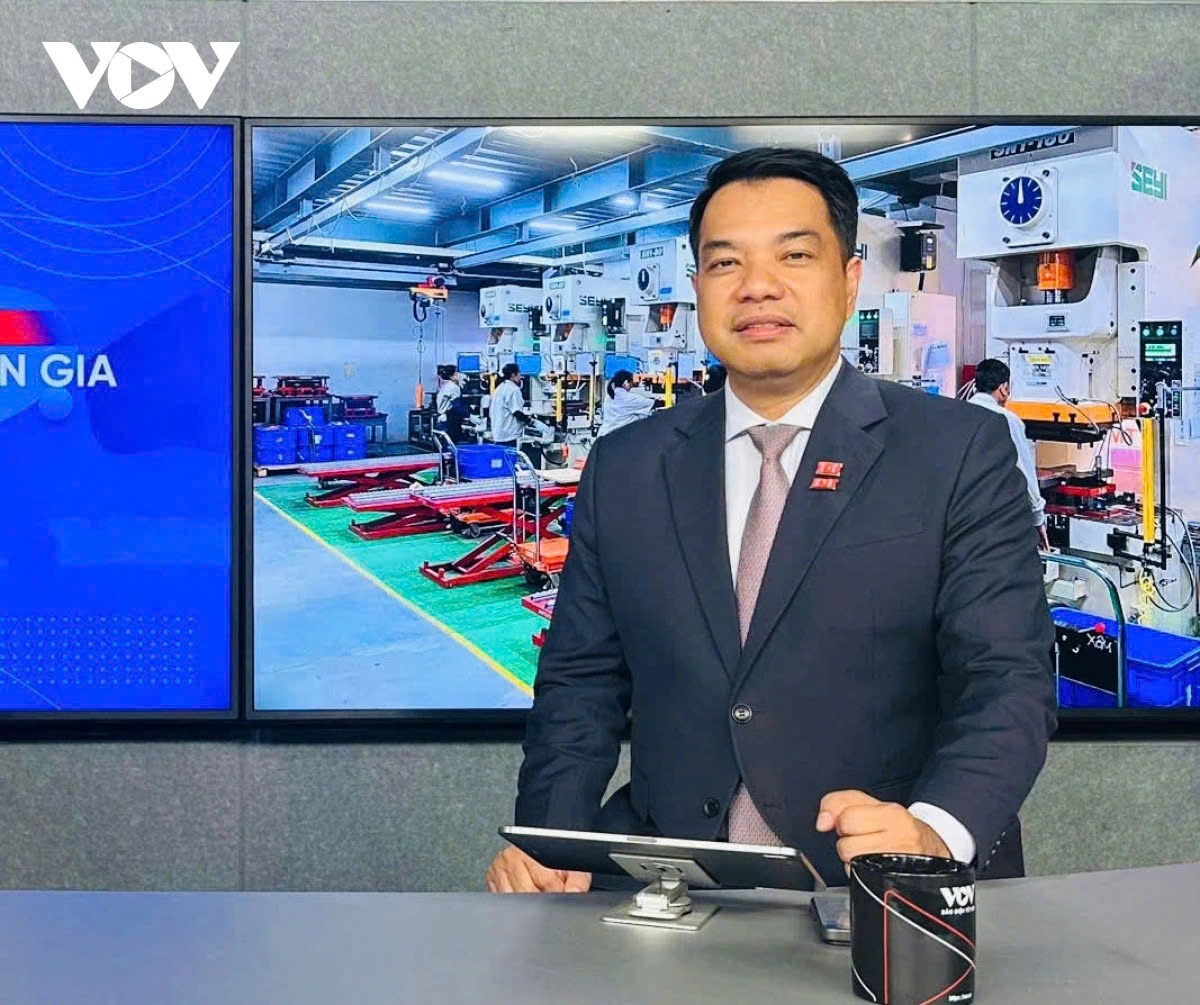
According to Mac Quoc Anh, vice chairman and secretary general of the Hanoi Association of Small and Medium Enterprises, the Congress underscored a fundamental shift from a “management-oriented” mindset to a “development-creating” approach, and from direct state intervention to a state that focuses on designing institutions, building an enabling environment and ensuring legal discipline.
“For businesses, this vision will only be meaningful if institutional bottlenecks that give rise to the ‘ask–give’ mechanism are thoroughly removed, procedures are standardised, business conditions are made transparent, and discretionary power in public administration is minimised,” he stressed.
Anh noted that enterprises do not seek special privileges, but rather a clear, stable and consistent “rulebook” with reasonable compliance costs.
Administrative reform, he added, should be embedded in broader institutional reform, with time and cost savings for citizens and businesses serving as key benchmarks of success.
Building a safe, transparent and fair investment climate is also critical to strengthening confidence, he said.
“Trust in institutions and the legal system is a prerequisite for businesses to make long-term investments, innovate, scale up and integrate more deeply into the global economy,” Anh said, stressing that enterprises can only become a true engine of growth when property rights are protected, laws are enforced fairly and policy risks are kept to a minimum.
Productivity at the centre of growth strategy
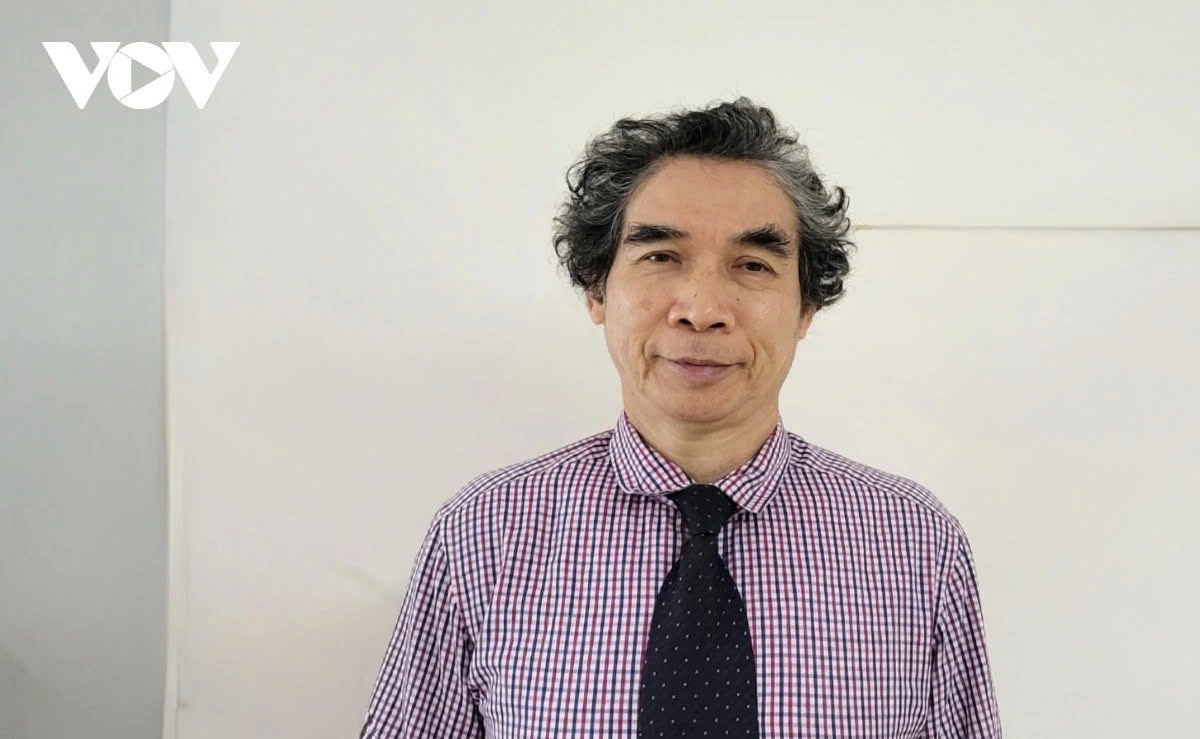
Nguyen Thuong Lang, who holds a doctorate and is an associate professor at Hanoi National Economics University, said Vietnam has entered a new stage of development that demands higher-quality and faster growth.
To achieve double-digit growth, it must overhaul its development model, placing science and technology, innovation and digital transformation at the core, while removing bottlenecks and strengthening integrity and accountability, he said.
The Congress set a target for total factor productivity (TFP) to contribute more than 55% of economic growth and for average labour productivity to rise by about 8.5% per year in the 2026–2030 period. These goals underscore the urgency of shifting toward a growth model driven by knowledge, technology and innovation.
scholar Lang said investment structures should be adjusted to significantly increase spending on research and development (R&D), upgrade science and technology infrastructure, and master strategic technologies and products.
At the same time, he suggested Vietnam should accelerate commercialisation of research outcomes, foster a larger science and technology market, and develop a high-quality workforce, including policies to attract domestic and overseas talent.
A closely connected ecosystem involving the state, research institutes, universities and businesses will help form a new industrial structure based on continuous innovation, supporting fast and sustainable development, he added.
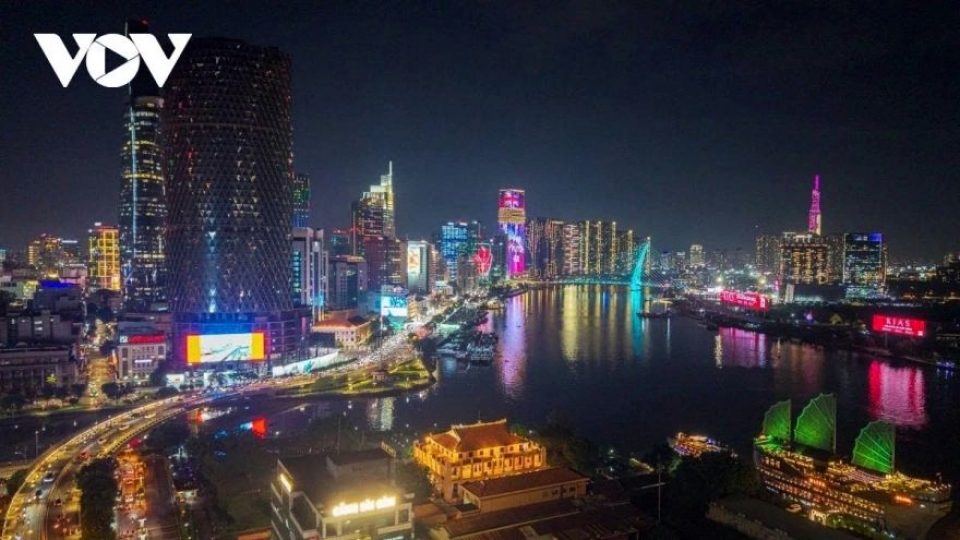
Vietnam to build a finance-led growth model as a long-term pillar
VOV.VN - As Vietnam pursues rapid, sustainable and high-quality growth in a new development phase, positioning finance as a long-term economic pillar is emerging as a strategic imperative to mobilise resources at scale and support the goals set out in the draft documents of the 14th National Party Congress.