Effective mechanisms in place to deter, prevent and eliminate corruption

VOV.VN - To build a clean and strong ruling Party from the ground up, inspection and supervision have been reaffirmed as vital tools for controlling power, enforcing discipline, and steadily improving mechanisms that ensure Party members and officials cannot, do not dare to, and have no need to engage in corruption.
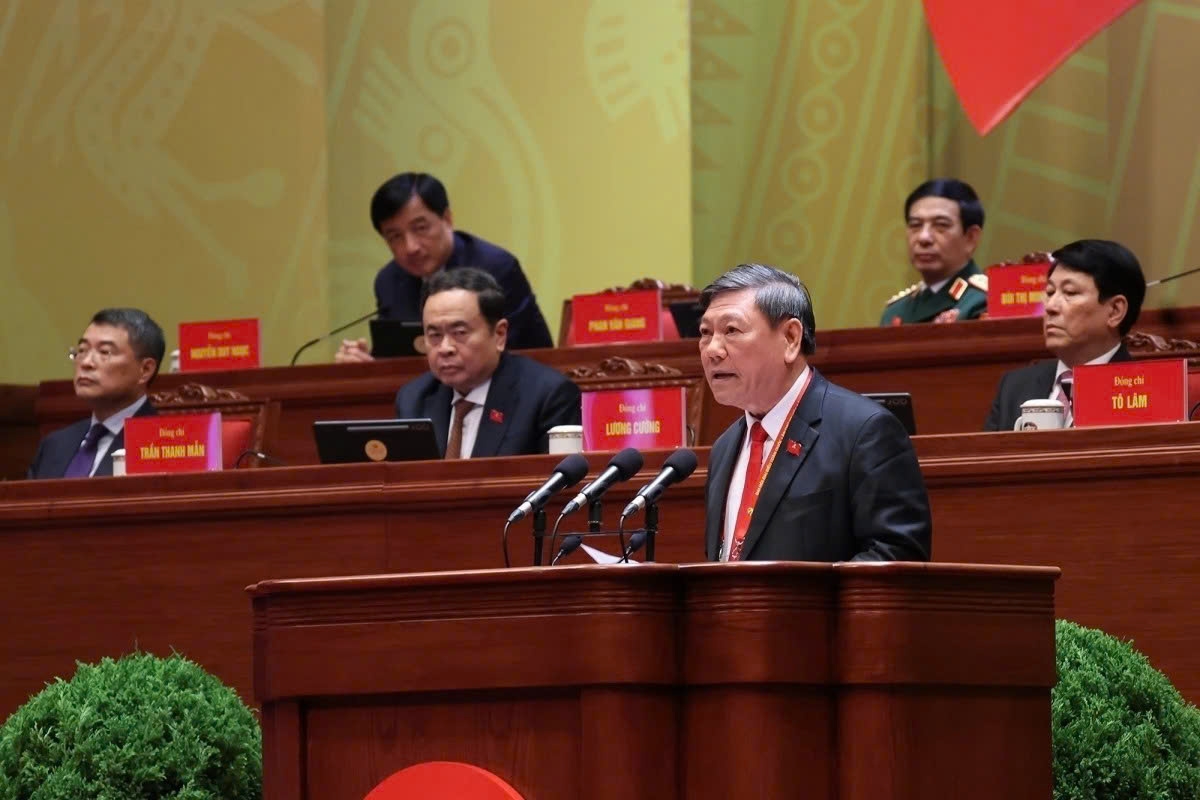
The message was underscored by Tran Van Ron, Standing Deputy Chairman of the Party Central Committee’s Inspection Commission, in a speech delivered at the ongoing 14th National Party Congress in Hanoi on January 21, where he called for a fundamental overhaul of thinking and methods in inspection and supervision to meet new challenges.
No “forbidden zones”, no exceptions
During the 13th tenure, the Party Inspection Commission and its counterparts at all levels carried out a substantial workload. More than 13,600 Party organisations and over 38,000 Party members were inspected for signs of violations, while nearly 124,000 Party organisations and more than 174,000 Party members were placed under supervision.
Inspection and supervision efforts focused on sensitive areas prone to corruption and misconduct, including personnel management, land administration, finance and investment, and compliance with the Party’s Charter, resolutions, directives and State laws.
As a result, more than 2,280 Party organisations and over 97,000 Party members, including many senior officials at both central and local levels, were disciplined or recommended for disciplinary action. Disciplinary measures were applied strictly from top to bottom, with no “forbidden zones” or exceptions, while ensuring a humane and educational approach that prioritises prevention.
Prevention from an early stage
The report stressed that inspection and supervision are not only aimed at punishing violations but, more importantly, at proactively preventing and curbing corruption and wrongdoing from the outset.
Several high-profile cases that drew strong public attention, including those involving Thuan An Group, Phuc Son Group, AIC, Van Thinh Phat, Viet A Company, the Consular Department under the Ministry of Foreign Affairs, and the Sai Gon–Dai Ninh project, were detected, clarified and handled in a timely manner, helping to strengthen public confidence.
According to Ron, experience shows that where Party committees and their leaders pay close attention, exercise direct leadership and set personal examples, discipline and order are maintained and inspection work proves truly effective.
Renewing thinking to make corruption “impossible”
Entering the 14th tenure for 2026-2031, the task is to further renew thinking and methods in inspection and supervision, with a stronger focus on power control, linking Party discipline with administrative discipline and strict enforcement under the law.
Priorities include refining regulations, mechanisms and policies to close loopholes that allow corruption, while building appropriate remuneration and welfare policies so that officials and civil servants can focus on their work and have no need to resort to corruption.
At the same time, mechanisms will be strengthened to protect and encourage officials who dare to think, act and take responsibility for innovation in the public interest, avoiding risk-averse behaviour driven by fear of mistakes.
Shift toward continuous, data-based supervision
A consistent requirement highlighted in the report is a shift from ex-post inspections to regular, continuous supervision from the early stages and throughout the implementation of Party resolutions and directives.
Inspection commissions at all levels will expand supervision across all sectors and localities, focusing on areas showing signs of internal discord, newly emerging complexities or strong public concern, in order to issue timely warnings and preventive guidance.
The Party’s inspection sector will also accelerate comprehensive digital transformation, moving toward a model of data-driven inspection and supervision, including enhanced oversight of asset and income declarations by Party members and officials.
Reaffirming the central role of inspection and supervision, Ron said leadership without inspection is no leadership at all. Inspections must be focused and targeted, while supervision should be broad-based, emphasising early warnings and prevention to stop minor violations from escalating into serious misconduct.
Disciplinary action, he said, must be strict yet humane, while promptly recommending revisions to flawed or inadequate mechanisms and policies.
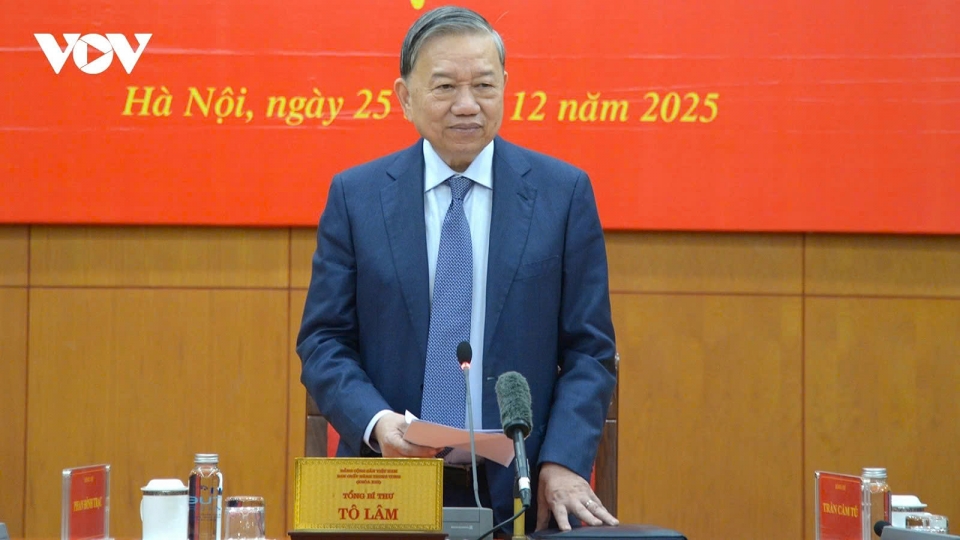
Party chief vows to intensify anti-corruption efforts in 2026
VOV.VN - Party General Secretary To Lam has reaffirmed Vietnam’s strong commitment to combating corruption, waste, and misconduct, with a focus on stricter enforcement, preventive measures, and full implementation of strategic reform in 2026.