Why Vietnam’s 14th Party Congress matters to Laos and Cambodia

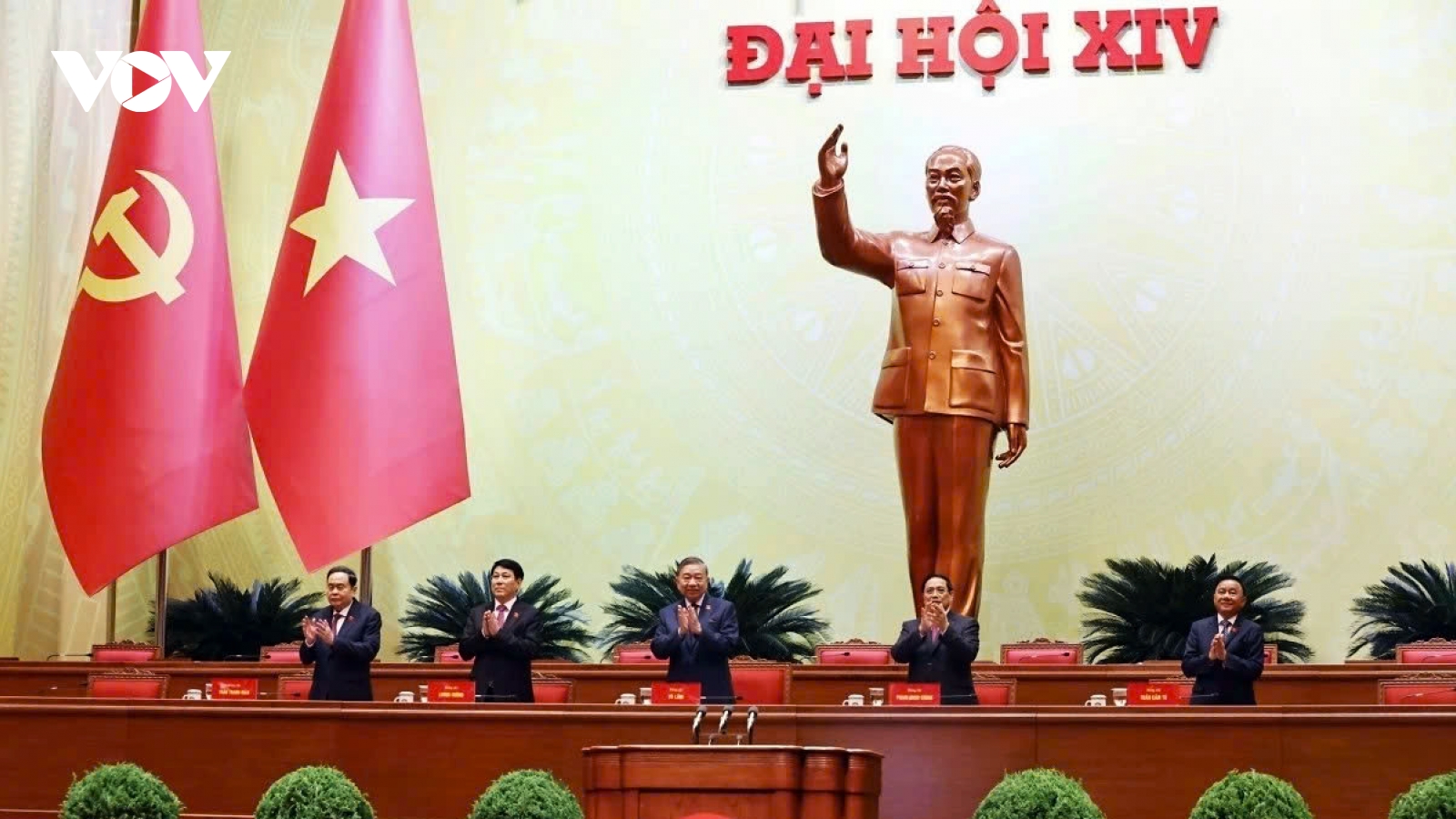
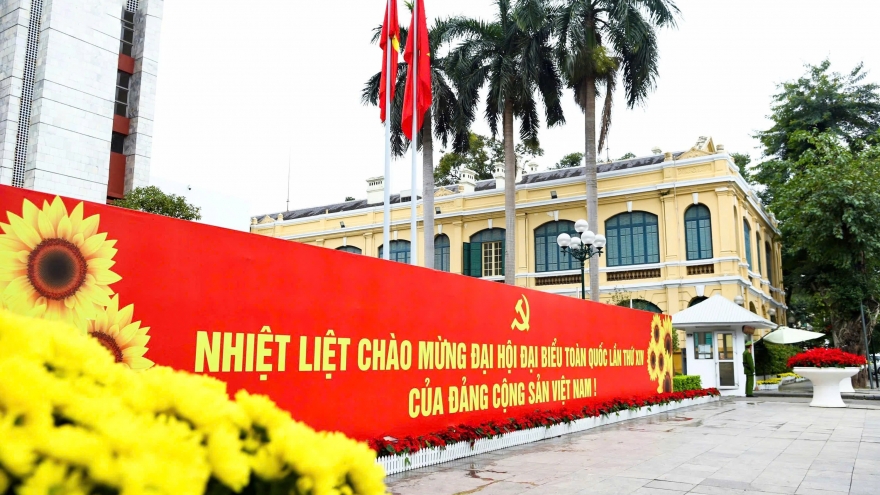
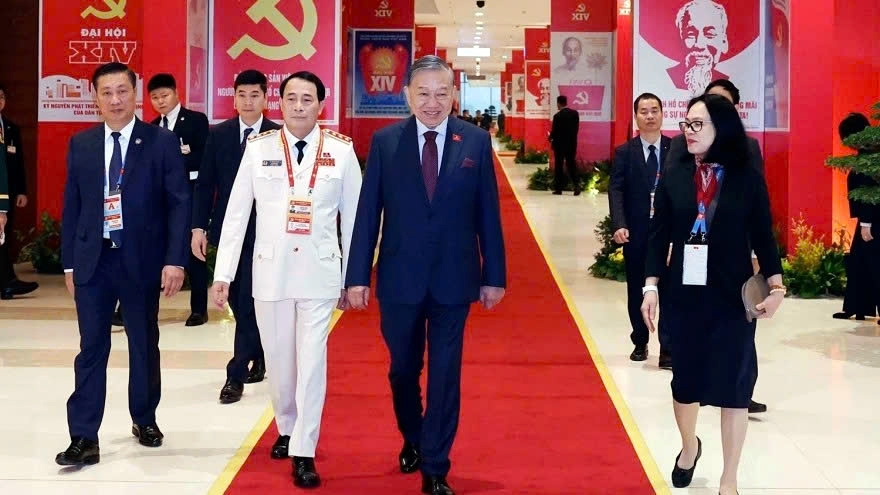
VOV.VN - As the Communist Party of Vietnam is holding its 14th congress, diplomats and scholars in Laos and Cambodia have voiced strong expectations that the event will open a new development phase for Vietnam while generating positive momentum for regional cooperation based on peace, stability and sustainable growth.
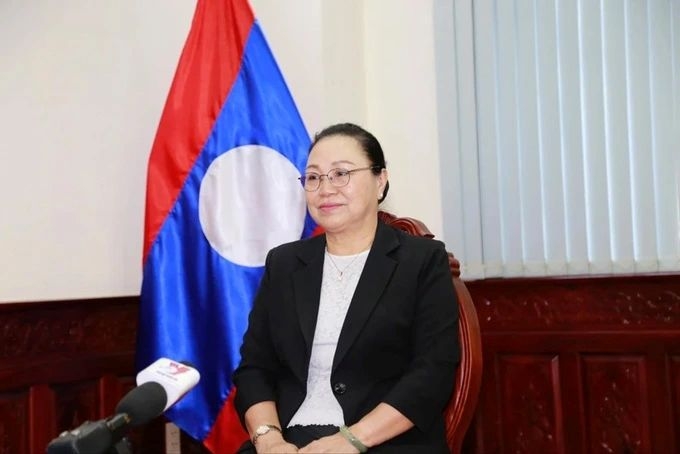
In interviews with Voice of Vietnam (VOV ahead of the Congress in Hanoi, academics and diplomatic observers in the two neighbouring countries said they were closely following Vietnam’s policy orientations for the coming period. They noted that the longstanding ties among the Communist Party of Vietnam, the Lao People’s Revolutionary Party and the Cambodian People’s Party remain a solid political foundation for the three countries’ comprehensive cooperation.
Lao Ambassador to Vietnam Khamphao Ernthavanh said the 14th Party Congress holds special significance not only for Vietnam but also for the region and the international community, particularly neighbouring countries and strategic partners. She said that Vietnam has increasingly demonstrated its role in maintaining peace and stability and promoting sustainable economic development, while actively contributing initiatives at regional and international multilateral forums.
Against a backdrop of rapid and unpredictable global and regional changes, the Congress comes at a pivotal moment, nearly four decades after Vietnam launched its Đổi mới (Renewal) process. Observers expected the Congress to serve as a strategic milestone, refining development orientations, growth models and resource allocation to meet targets for 2030 and a longer-term vision toward 2045.
Dr. Kin Phea, Director-General of the International Relations Institute at the Royal Academy of Cambodia, said the leadership role of the Communist Party of Vietnam has been decisive in shaping the country’s development trajectory. He expected the 14th Party Congress would lay the groundwork for Vietnam to enter a new stage of development guided by long-term strategic goals.
According to Cambodian scholars, Vietnam aims to become an upper-middle-income country by 2030 through sustainable growth driven by digital transformation, innovation and strategic infrastructure development, creating a foundation to achieve high-income status by 2045. This process, they said, would require not only robust economic growth but also institutional modernisation, improved governance and a balance between development and social equity.
On foreign policy, regional scholars and diplomats highlighted the significance of Vietnam’s draft Congress documents, which define foreign affairs as a “core and regular task” on par with two other pillars - national defence and security. They said this approach reflects Vietnam’s commitment to safeguarding stability while enhancing its overall national strength and international standing.
Vietnam is set to continue pursuing an independent, self-reliant and proactive foreign policy, while deepening international integration and reinforcing its role as a responsible regional actor, said Dr. Kin Phea.
Sharing the same assessment, Thong Mengdavid, a researcher at the Institute for International Studies and Public Policy at the Royal University of Phnom Penh, said Vietnam’s model of Party-to-Party diplomacy has emerged as a valuable reference for ruling parties in the region, including Cambodia’s People’s Party (CPP).
He said cooperation after Vietnam’s 14th National Party Congress is anticipated to focus on leadership training through exchanges and policy dialogues, future-oriented economic cooperation in areas such as digital development and green energy, stronger political coordination on cross-border challenges, and deeper people-to-people exchanges to build long-term trust.
Regarding bilateral relations, the Cambodian analyst noted that party-to-party ties remain the political backbone of Vietnam–Cambodia relations, providing a stable framework for expanding cooperation across economic, political and security fields. As Vietnam enhances governance capacity and institutional strength, its partnership with Cambodia is set to deepen further.
Meanwhile, Lao Ambassador Khamphao Ernthavanh affirmed the special solidarity and comprehensive cooperation between Vietnam and Laos are widely believed to continue strengthening in the new period, contributing to shared development goals.
Scholars and diplomats in both Laos and Cambodia expressed confidence that the 14th Party Congress would mark a new chapter in Vietnam’s development, and at the same time reinforce traditional friendship and cooperation among Vietnam, Laos and Cambodia, contributing to peace, stability and sustainable development in the Mekong sub-region and beyond.
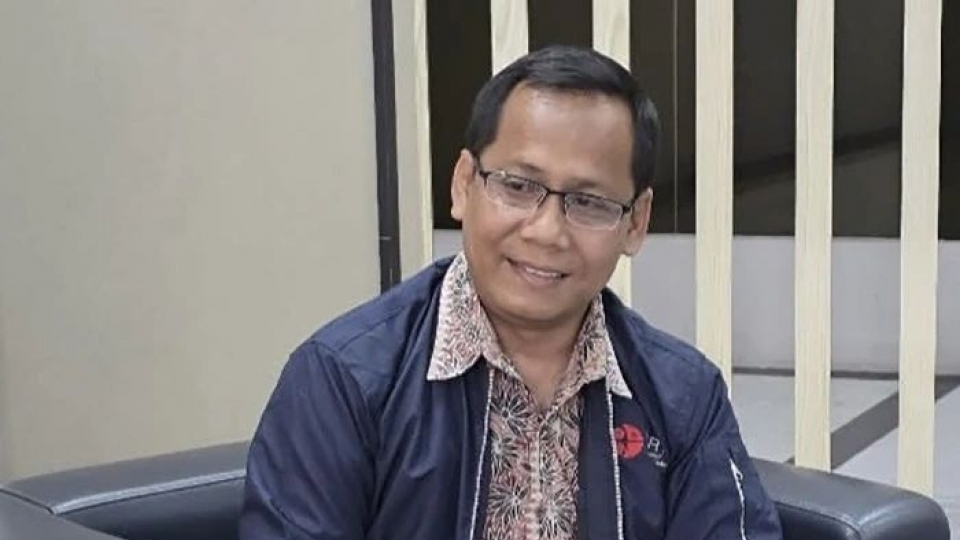
Indonesian scholar underscores strategic significance of Vietnam’s Party Congress
VOV.VN - The 14th National Congress of the Communist Party of Vietnam is a politically significant event not only for the country’s future development but also for the wider region, drawing close attention from international observers, including scholars across Southeast Asia.