Indonesian scholar underscores strategic significance of Vietnam’s Party Congress

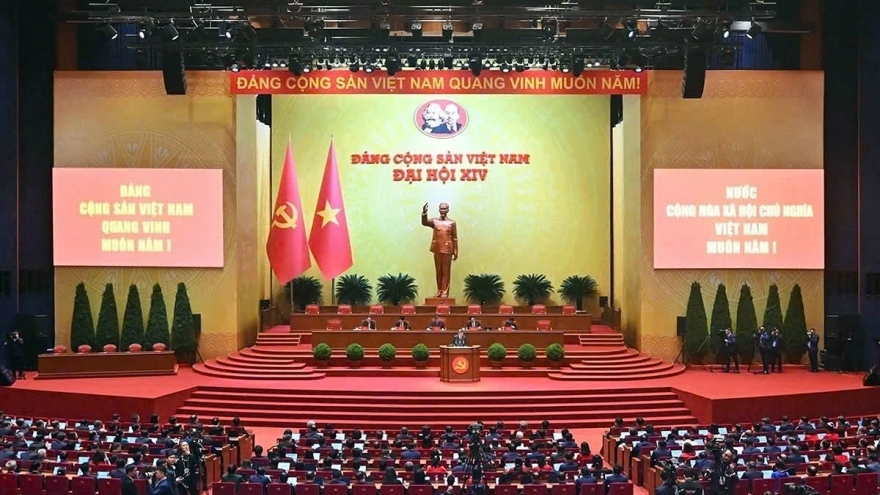
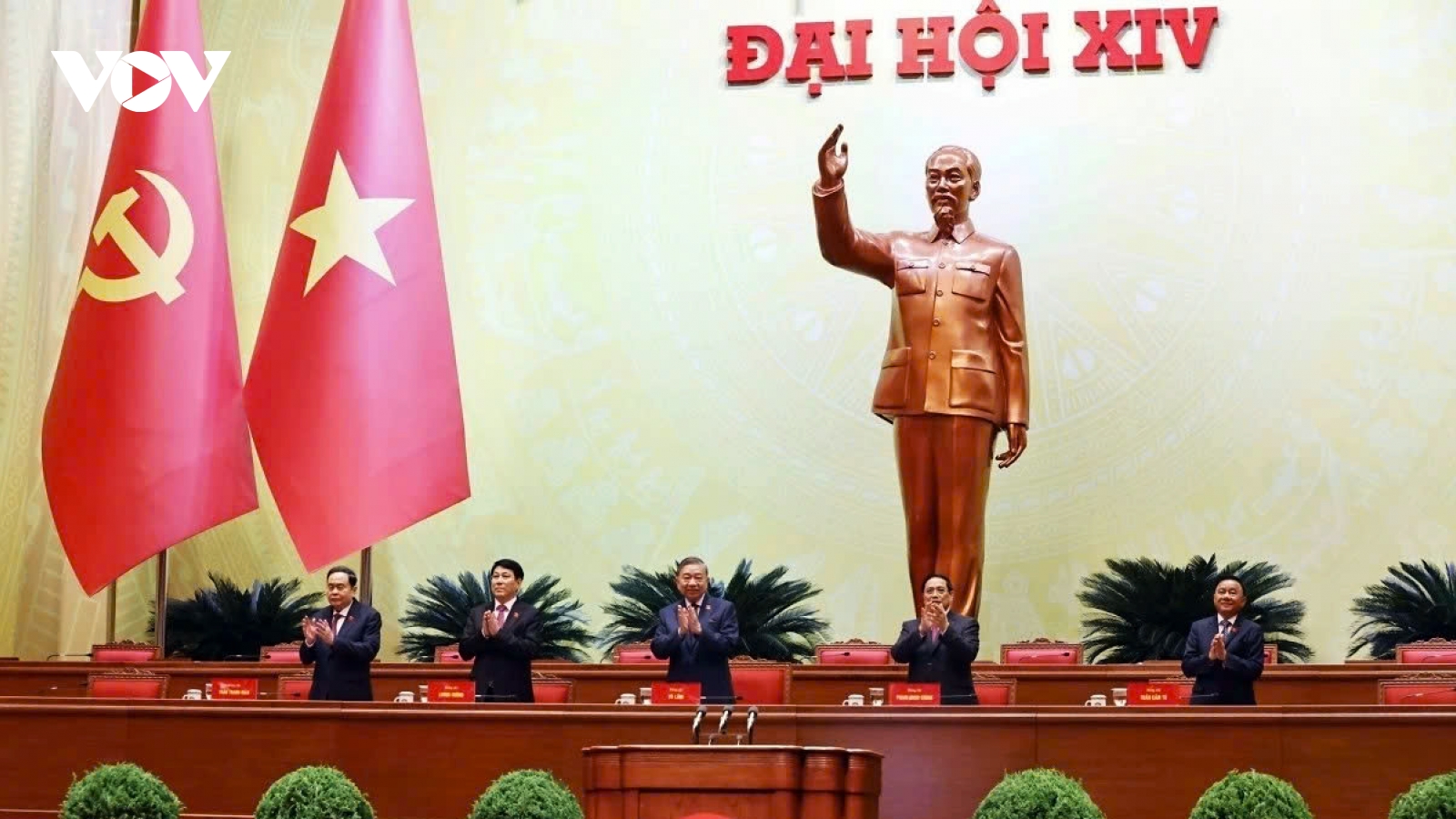
VOV.VN - The 14th National Congress of the Communist Party of Vietnam is a politically significant event not only for the country’s future development but also for the wider region, drawing close attention from international observers, including scholars across Southeast Asia.
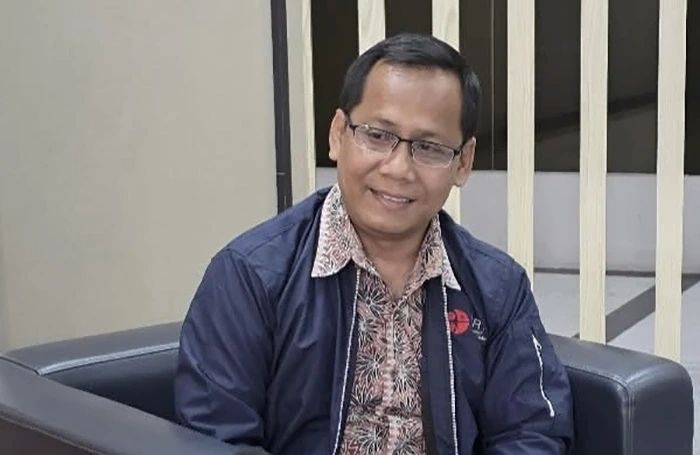
In an interview with Voice of Vietnam, Lamijo, a Southeast Asia researcher at Indonesia’s National Research and Innovation Agency (BRIN), said the congress, attended by nearly 1,600 delegates, carries deep strategic implications. He noted that decisions adopted at the event would shape Vietnam’s domestic political and development trajectory in the coming period, while also directly influencing its role and standing within ASEAN and the broader international community.
According to the Indonesian scholar, the 14th Party Congress is expected to further consolidate the Communist Party of Vietnam’s leadership through comprehensive reforms focused on improving human resource quality, enhancing the efficiency of state institutions and promoting innovation. These reforms, he said, are critical for meeting development demands amid an increasingly complex global environment.
Lamijo stressed that the congress not only reviews and builds on achievements made over nearly four decades of the Đổi mới (Renewal) process, but also sets out major policy orientations to realise Vietnam’s long-term vision toward 2045, marking the centenary of the country’s National Day.
This comes at a time when the world is facing multiple overlapping challenges, including slowing global growth, digital transformation, climate change and heightened geopolitical dynamics in the Indo-Pacific.
On socio-economic prospects after the congress, Lamijo said Vietnam is likely to prioritise strategic policies aimed at achieving high-income status by 2045. Central to this effort is accelerating the shift from a growth model reliant on low-cost manufacturing toward one driven by higher value-added activities, science and technology, the digital economy and innovation. Improving education quality, scientific research and human capital development would also be key pillars of this transition.
The scholar noted that Vietnam has set ambitious growth targets, including maintaining average annual GDP growth of around 10% during 2026–2030 and raising per capita GDP to approximately US$8,500 by 2030. Alongside economic expansion, Vietnam is set to continue institutional reforms, improve public governance efficiency and strengthen anti-corruption efforts, which he described as essential foundations for inclusive growth and public trust in the state.
On foreign policy, Lamijo said Vietnam is likely to remain committed to an independent, self-reliant and resilient diplomatic approach, embodied in its “bamboo diplomacy” strategy. He pointed to recent high-level diplomatic engagements and the expansion of Vietnam’s network of comprehensive strategic partnerships as evidence of efforts to maintain balanced relations with major powers while avoiding excessive dependence or alignment.
Within ASEAN, Vietnam is expected to continue playing a proactive and responsible role, contributing to the bloc’s centrality and to regional stability and cooperation based on consensus and respect for international law, Lamijo added.
Regarding Vietnam–Indonesia relations, he said the two countries are likely to continue viewing each other as key partners within ASEAN. Bilateral ties are anticipated to deepen further in the new Party term, particularly in areas such as trade, investment, green economy development, as well as political and security cooperation, in line with commitments and shared visions agreed by senior leaders of both countries.

14th National Party Congress holds preparatory session in Hanoi
VOV.VN - The 14th National Congress of the Communist Party of Vietnam held its preparatory session at the National Convention Centre in Hanoi on January 19, with the participation of 1,586 delegates representing more than 5.6 million Party members nationwide.