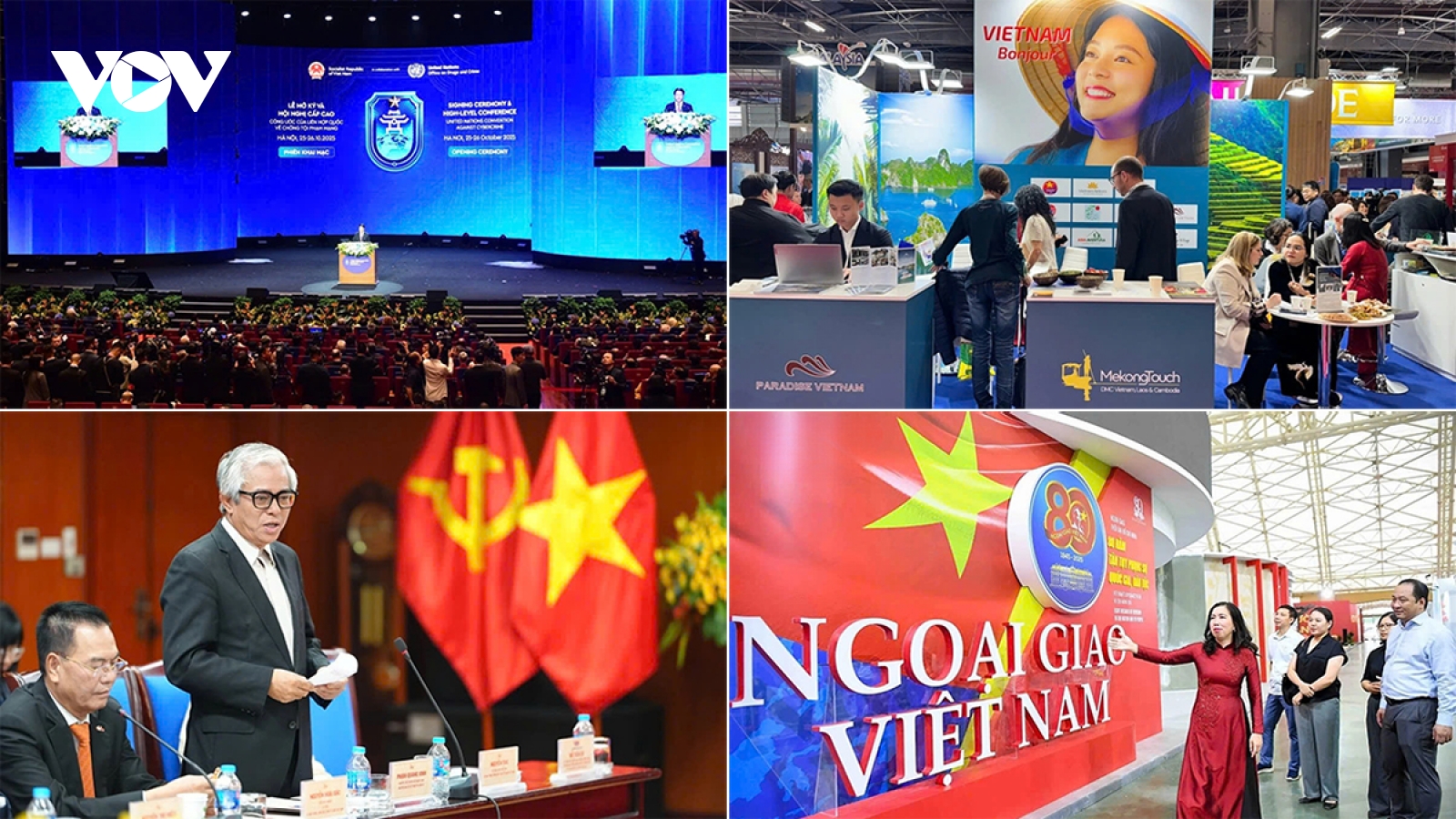
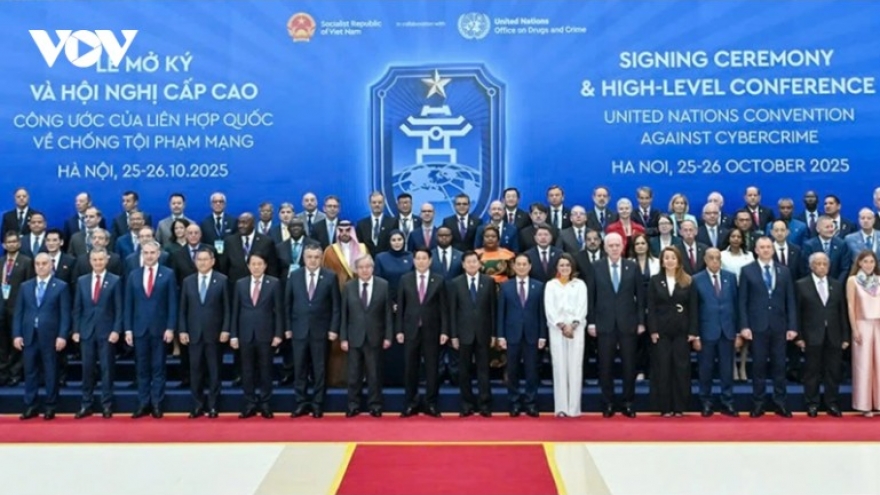
Vietnam seeks to elevate diplomacy with greater autonomy, confidence and pride

VOV.VN - Vietnam is seeking to elevate its foreign policy to better match its growing national stature, emphasising autonomy, confidence, self-reliance, resilience and national pride as it deepens international integration and expands its global role.
A political report prepared for the 14th National Party Congress sets new requirements for foreign affairs, calling not only for an upgrade in diplomacy but for an approach commensurate with the country’s overall standing. It stresses that Vietnam should go beyond deep integration to actively project its cultural, historical and core national values, enhance international influence, and contribute more substantively to global peace and development.
Integration achievements underpin higher diplomatic ambitions
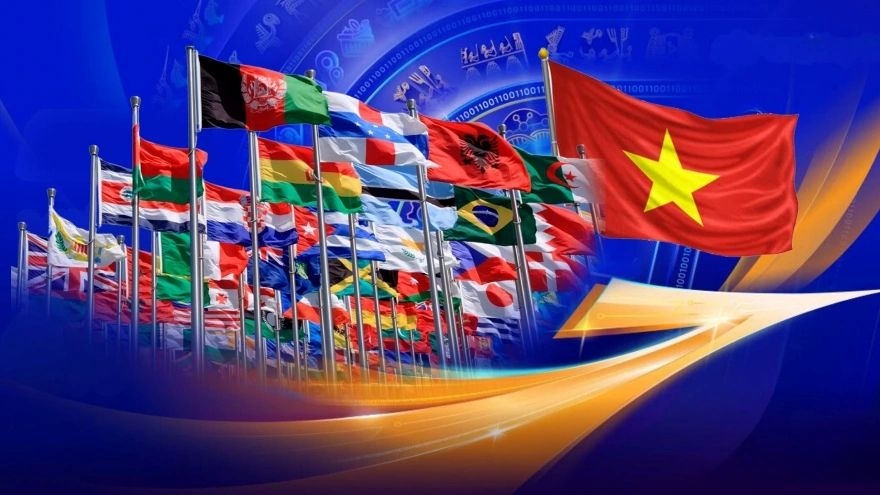
Former senior diplomat Bui The Giang, who previously served as deputy head of Vietnam’s Permanent Mission to the United Nations, says national stature should not be defined solely by economic size.
“It also reflects cultural depth, historical values, national identity and a country’s ability to make meaningful contributions to peace, cooperation and development,” he says, describing the draft’s orientation as appropriate and realistic.
Carl Thayer, Professor of the Australian Defence Force Academy at the University of New South Wales, points out that Vietnam’s ambition to contribute to global peace and development is grounded in the tangible achievements of its long-standing policy of proactive international integration.
Although Vietnam remains a lower-middle-income country, it has accumulated sufficient diplomatic experience, resources and credibility to play a constructive role internationally, he stresses.
Vietnam’s rising international profile is reflected in the 2025 Asia Power Index released by the Lowy Institute, which ranked the country 12th out of 27 economies in overall power and ninth among middle powers in the Asia-Pacific. Vietnam recorded the second-largest improvement in ranking compared with 2024.
The index evaluates international power in Asia through 131 indicators across eight thematic measures, namely economic capability, military capability, resilience, future resources, economic relationships, defence network, diplomatic influence, and cultural influence.
The index places Vietnam among the top 10 in economic relationships, diplomatic influence and future resources, and ranks it fourth globally in economic diplomacy effectiveness, behind China, Singapore and Japan.
Core foreign policy values and international appeal
Analysts agree Vietnam’s ability to build international influence is rooted in long-standing foreign policy principles, including independence, strategic autonomy, cooperation for development, multilateralism and respect for international law.
These values have been reinforced by Vietnam’s ‘four no’s’ defence policy, Thayer says, adding that they resonate strongly with developing countries, particularly in the Global South.
Vietnam’s election, by consensus, as a non-permanent member of the United Nations Security Council on two occasions is widely viewed as evidence of its credibility and constructive role in international peace and security.
Renewing strategic thinking seen as essential
Experts stress that renewing strategic awareness is a prerequisite for elevating diplomacy.
Vu Duong Huan, former director of the Diplomatic Academy of Vietnam, states foreign affairs now carry both heightened importance and heavier responsibilities, requiring clear strategic direction, concrete programmes and effective implementation.
A clear understanding of global trends, international dynamics and Vietnam’s own position is essential for shaping effective foreign policy, he says.
Economic forecasts underline Vietnam’s rising stature. The country’s economic size is anticipated to exceed US$510 billion in 2025, rising five places to rank 32nd globally and fourth within ASEAN. Meanwhile, estimates by the International Monetary Fund (IMF) put Vietnam’s GDP at around US$491 billion in 2025, ranking 34th in the world and fifth in ASEAN. Notably, IMF experts projected that by 2029, with GDP expected to reach US$666.5 billion, Vietnam would overtake Thailand, forecast at about US$616 billion, to become the fourth-largest economy in Southeast Asia and the 32nd largest globally, after Indonesia, the Philippines and Singapore.
Experts agree a country’s scale and international standing determine its ability to effectively implement foreign policy. Without a clear understanding of its current position and national development goals, it is not possible to properly formulate or execute foreign policy in an accurate and effective manner.
According to Assoc. Prof. and Dr. Huan, as a middle power, Vietnam’s diplomacy should prioritise multilateral engagement, mediation and development-oriented diplomacy, while focusing on specialised areas where it has comparative advantages.
Sharing the view, Assoc. Prof. Quang, says that the first step is for the entire political system to fully recognise the role of foreign affairs, accurately understanding their importance, the tasks to be carried out, and the position and responsibilities of each institution and individual within the system.
Meanwhile, Dr. Vu Ngoc Luong, from the Academy of Journalism and Communication, underlines the need to continue strengthening awareness and ensuring unified action, noting that external relations and international integration are not the responsibility of the diplomatic sector alone but of the entire political system.
Policy consistency and proactive engagement
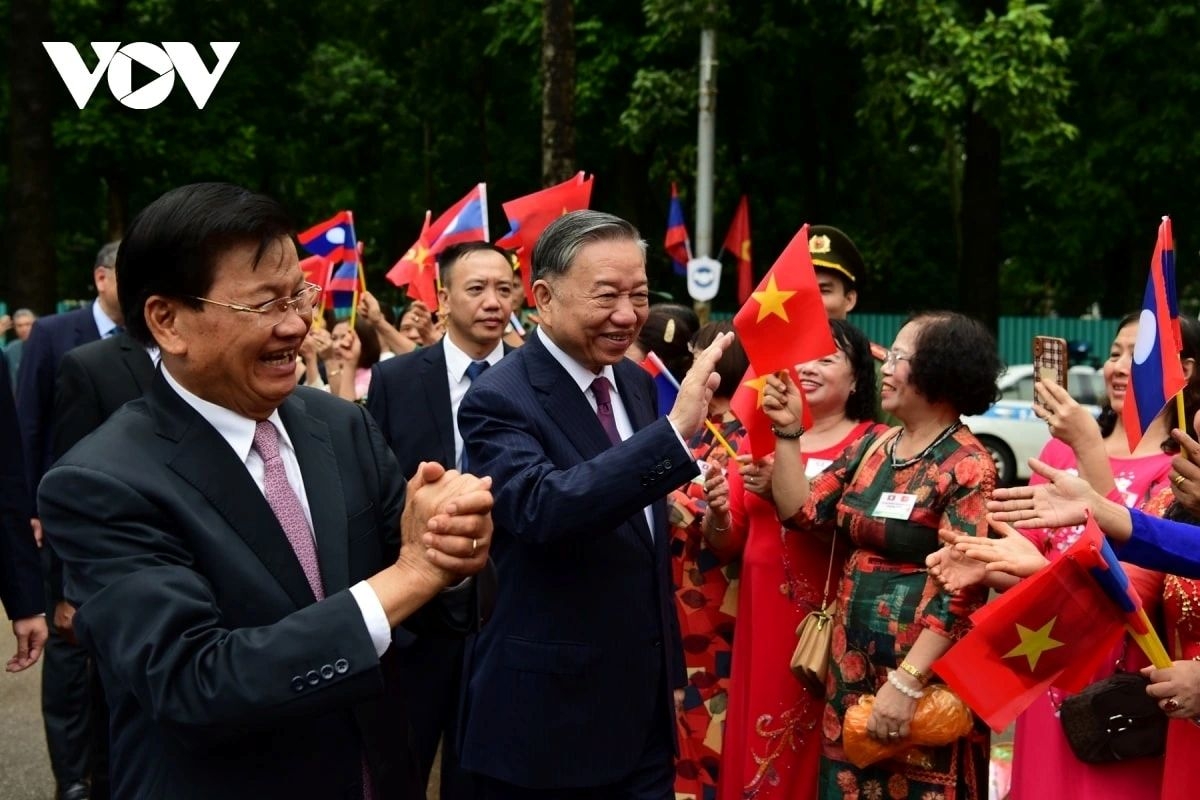
Former Deputy Foreign Minister Pham Quang Vinh notes that elevating diplomacy requires consistent policies aimed at promoting peace, stability and development, based on international law, equality and mutual benefit.
Vietnam is committed to independence and self-reliance while positioning itself as a trusted partner and responsible member of the international community, he says.
Dr. Luong echoes the view, saying foreign affairs must be regarded as a core pillar of national security and sustainable development. When soft power is fully harnessed, it can serve as a ‘shield’ protecting the country from unpredictable global fluctuations, while also acting as a ‘lever’ to enhance Vietnam’s standing on the international stage.
Ambassador Pham Quang Vinh holds that Vietnam’s contemporary foreign policy must be clearly redefined in light of new global realities. Beyond seizing external opportunities, Vietnam needs to proactively contribute to global governance, especially as multilateralism and rules-based order face growing strain. Emerging fields such as artificial intelligence, quantum technology and big data also require Vietnam to engage early in shaping international rules, rather than staying a passive participant.
At the same time, Southeast Asia is both a dynamic growth hub and a focal point of strategic competition, compelling Vietnam to safeguard its strategic autonomy while deepening regional and international cooperation to protect national interests and support global stability.
Mobilising institutions and strengthening diplomatic capacity
Experts agree that achieving higher diplomatic ambitions will require coordinated efforts across the political system, with state diplomacy playing a central role.
Aligning foreign policy with reforms in administration, innovation, digital transformation, legal frameworks and private sector development is seen as critical to long-term national goals, including becoming a high-income country by mid-2045.
Equally important is developing a highly capable diplomatic workforce equipped with strong expertise, language skills, strategic thinking and cross-disciplinary knowledge.
Ultimately, analysts say elevating Vietnam’s diplomacy in the new era will depend on three core pillars: clear strategic awareness, consistent and actionable policies, and a professional diplomatic corps. These foundations, combined with a broader social spirit of autonomy, confidence, self-reliance and national pride, are expected to support a modern, proactive and resilient Vietnamese foreign policy.
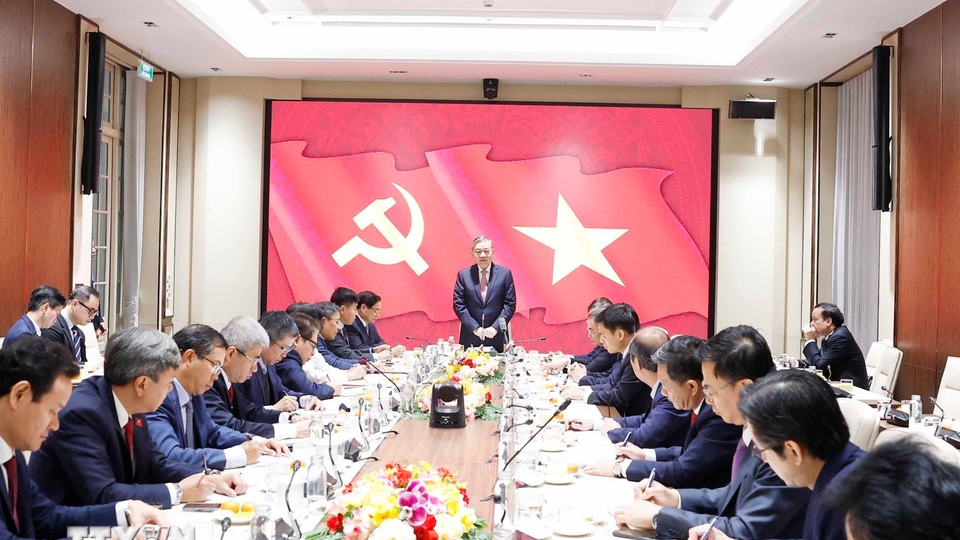
Party chief To Lam calls for stronger reform in foreign affairs
VOV.VN - Party General Secretary To Lam has urged the country’s foreign service to continue strong reforms and effectively implement the resolution of the 14th National Party Congress, to help mobilise external resources and enhance Vietnam’s international standing.