Foreign affairs - a core, regular task in a changing era

VOV.VN - Foreign affairs, alongside national defence and security, has been identified as a core and regular task of strategic importance for Vietnam in the new development phase, reflecting both evolving global conditions and the country’s long-term national interests.
According to the draft Political Report to be submitted to the 14th National Congress of the Communist Party of Vietnam, the 13th Party Central Committee has reaffirmed that defence, security and foreign affairs constitute key, continuous missions in the cause of national construction and defence.
A response to profound global shifts
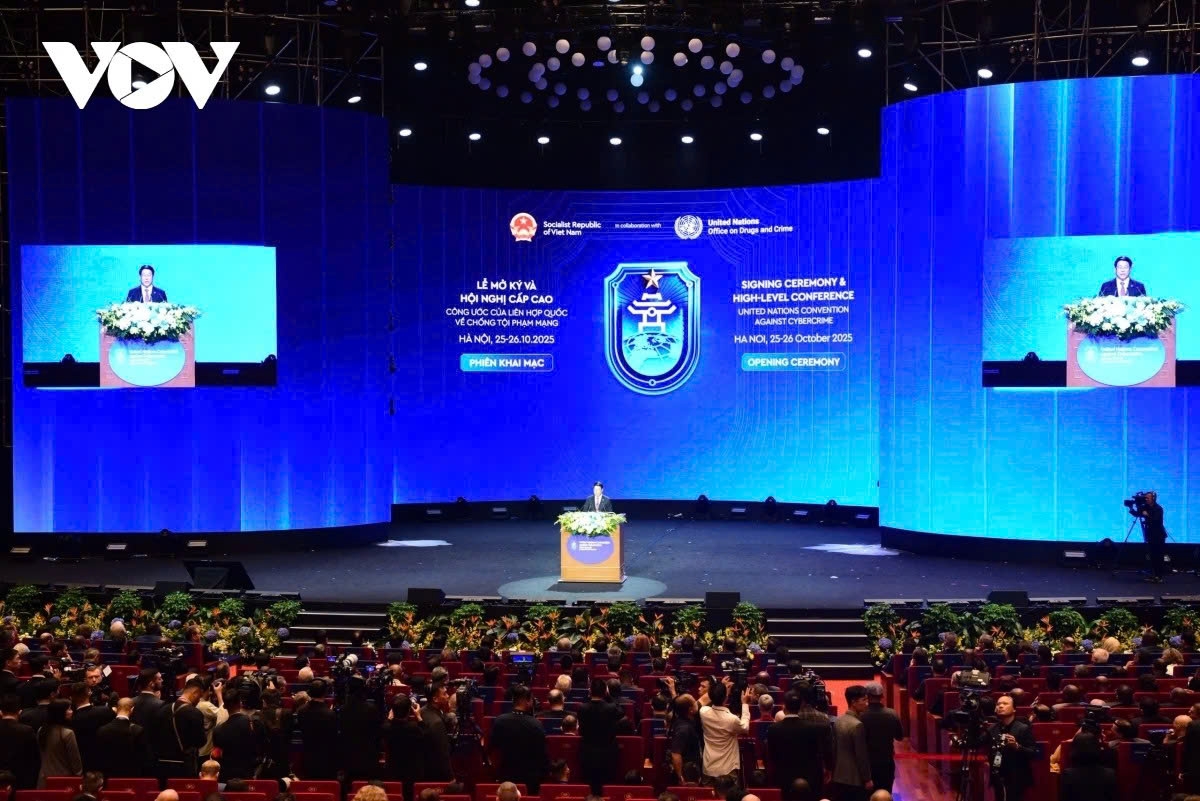
The designation of foreign affairs as a core and regular task stems from increasingly rapid, complex and unpredictable changes in the global landscape. Strategic competition am4ong major powers has intensified, while geopolitical and geo-economic factors are becoming more closely intertwined. Globalisation and international integration continue to expand, but are accompanied by growing risks and instability.
In this context, economic interdependence, once widely viewed as a driver of cooperation and development, has become a sensitive factor with direct implications for national security. Security is no longer confined to military or political domains, but now encompasses economic security, supply chain security, technological security and other non-traditional dimensions.
These developments require foreign affairs to be conducted in close coordination with defence and security policies, rather than as a standalone field. Effective responses to international issues increasingly depend on integrated, cross-sectoral approaches aligned with a more complex strategic environment.
Party documents in recent congresses have consistently described the international and regional situation as evolving “rapidly, complexly and unpredictably.” While the wording in the draft Political Report to the 14th Congress has been adjusted, these core characteristics remain unchanged in substance.
Ambassador Bui The Giang, former Deputy Head of Vietnam’s Permanent Mission to the United Nations, notes that recent global developments have in some cases been not only difficult to predict, but almost impossible to anticipate, requiring countries to constantly adapt their strategic thinking and foreign policy approaches.
“If we want our country to progress and meet the demands of the current strategic environment, we cannot avoid setting new and higher requirements,” says Ambassador Giang.
Development imperatives in a new era
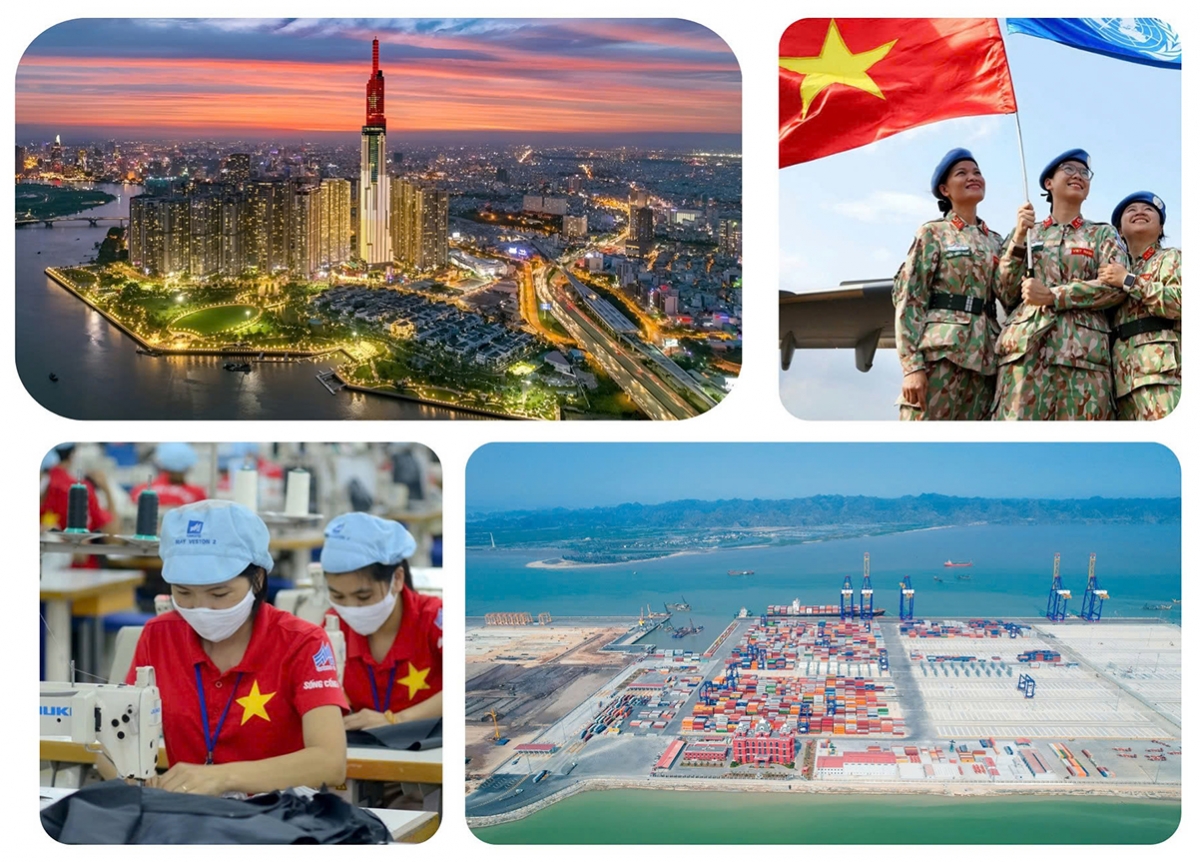
Beyond external conditions, the importance of foreign affairs is also rooted in Vietnam’s development requirements in the new era and lessons drawn from four decades of implementing the Đổi mới (Renewal) process. Experience shows that sustainable development depends on the parallel strengthening of defence, security and economic foundations, with economic growth playing a decisive role in avoiding the risk of falling behind.
The draft Political Report highlights persistent challenges, including the risk of lagging in economic and technological development and becoming trapped at middle-income levels. As Vietnam pursues its development goals to 2030 with a vision to 2045, with higher demands for quality, sustainability and autonomy, the country must mobilise the combined strength of the entire political system and society, effectively harnessing both domestic and external resources.
Amid intensifying international competition and the risk of supply chain disruptions, foreign affairs play a critical role in expanding development space, attracting external resources and safeguarding national interests.
Defence, security and foreign affairs as strategic pillars
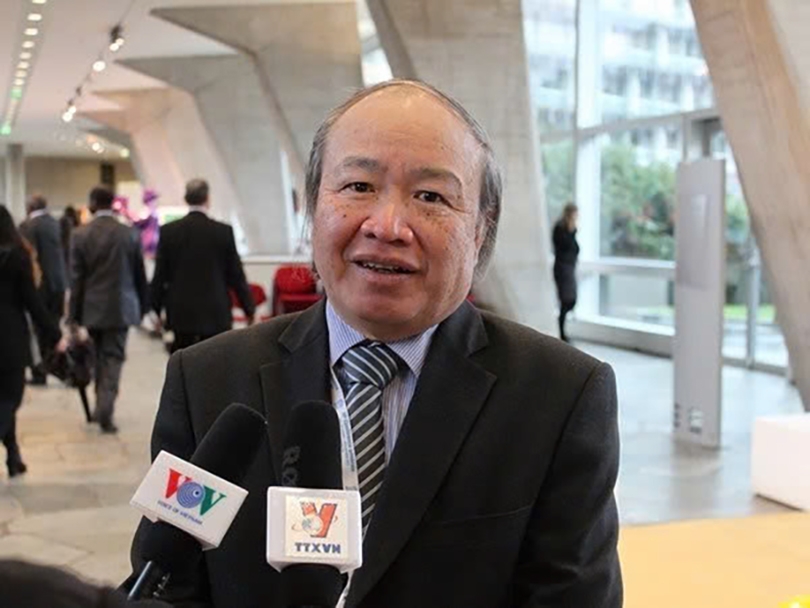
Associate Professor Duong Van Quang, former Director of the Diplomatic Academy of Vietnam, points out that recognising foreign affairs as a core and ongoing task represents an important evolution in the Party’s strategic thinking. The approach reflects global realities while aligning with Vietnam’s development needs, providing a foundation for shaping appropriate foreign policy in the coming period.
“Renewing strategic thinking is essential in international integration. Vietnam must fully recognise both opportunities and challenges, be prepared to face difficulties and, where necessary, make adjustments to achieve long-term strategic objectives,” he explains.
Integration, he says, is not merely about selecting favourable elements, but about adapting and balancing benefits and costs in a competitive global environment.
“At present, we have sufficient awareness and knowledge to define our approach to international and global integration,” says the renowned scholar. To integrate effectively into global politics, the economy, and civilization, we must first renew our thinking on foreign affairs, defense, and security. This requires a clear understanding of international rules, as well as the interests and calculations of major global actors, while safeguarding national interests to the greatest possible extent, even if reasonable trade-offs are necessary.”
New requirements for foreign affairs and integration
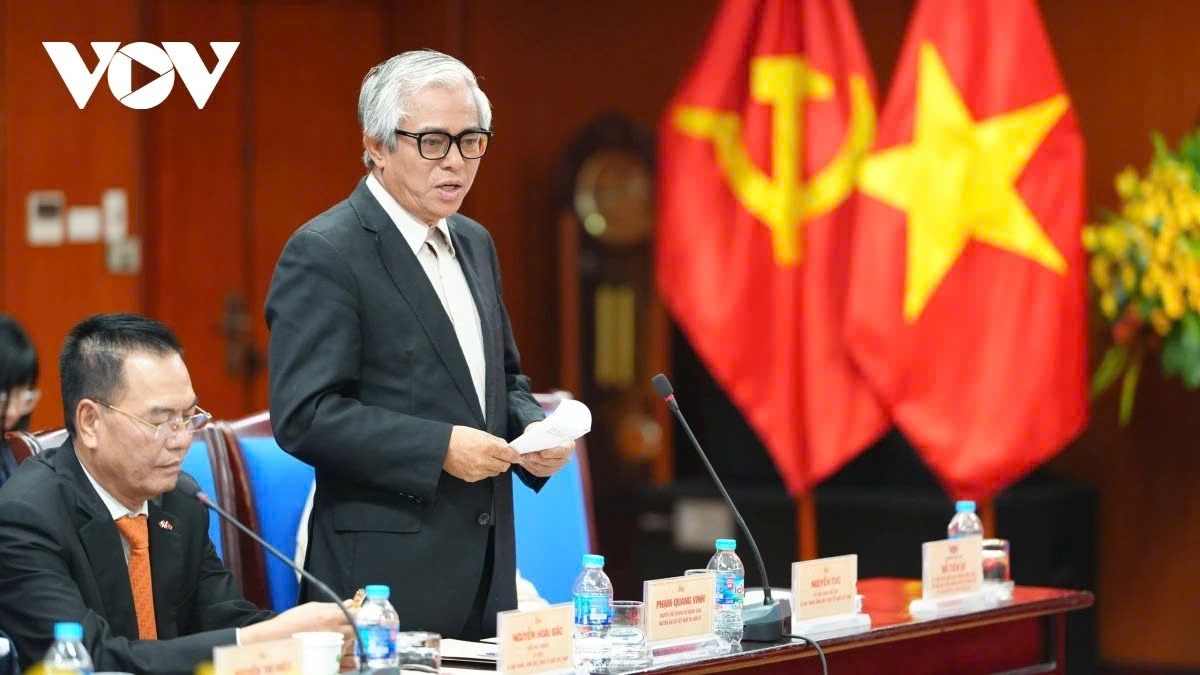
Former Deputy Foreign Minister Pham Quang Vinh holds that foreign affairs must act as a bridge, mobilising and leveraging Vietnam’s combined strengths in defence, security and economic capacity.
Each foreign policy decision, he notes, should be formulated through close and regular coordination with relevant sectors to ensure coherence and effectiveness. In a fast-changing world where many emerging issues lack precedent, foreign affairs can fulfil its strategic advisory role only through extensive domestic consultation, drawing on input from ministries, sectors and local authorities.
The growing complexity and interconnectedness of international issues call for integrated policy responses, with foreign affairs, defence and security working in close coordination to ensure timely and effective implementation.
This, in turn, requires a more professional and specialised strategic advisory system, staffed by personnel capable of linking political, economic, security, defence and diplomatic considerations. Strategic advisors need not only strong expertise, but also comprehensive analytical skills, a deep understanding of international rules and stakeholder interests, in order to safeguard national interests with appropriate flexibility.
Elevating foreign affairs in the new development phase
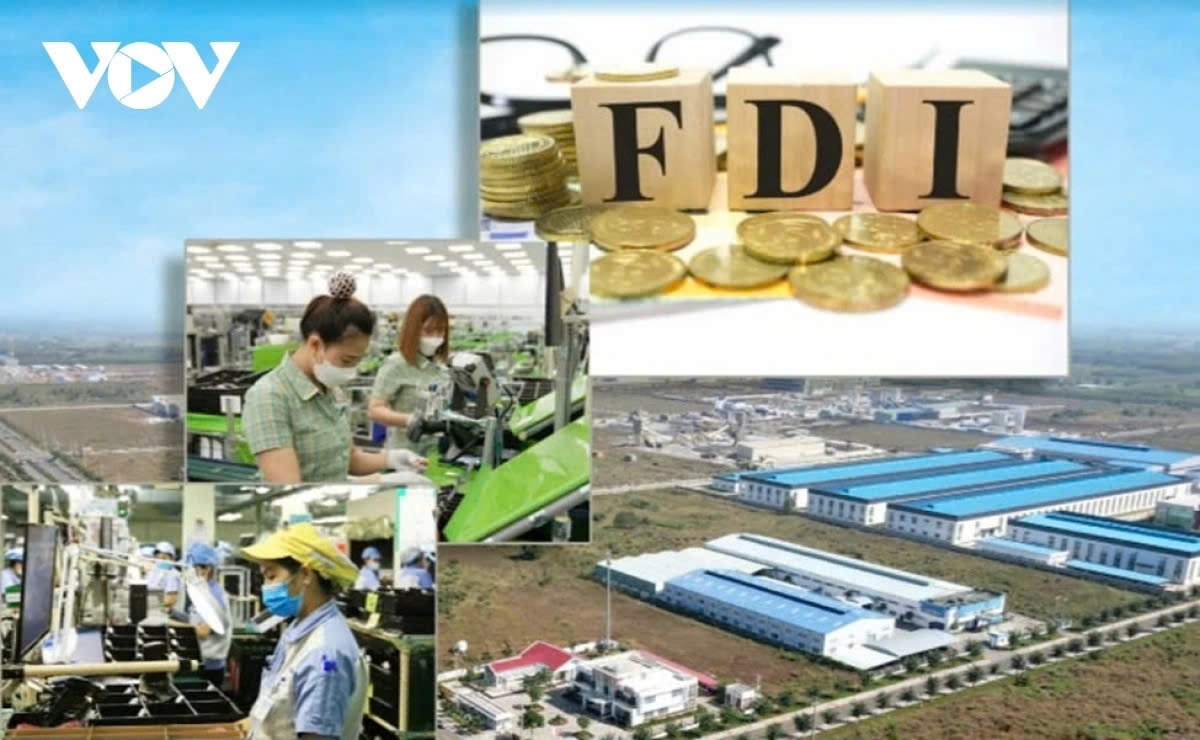
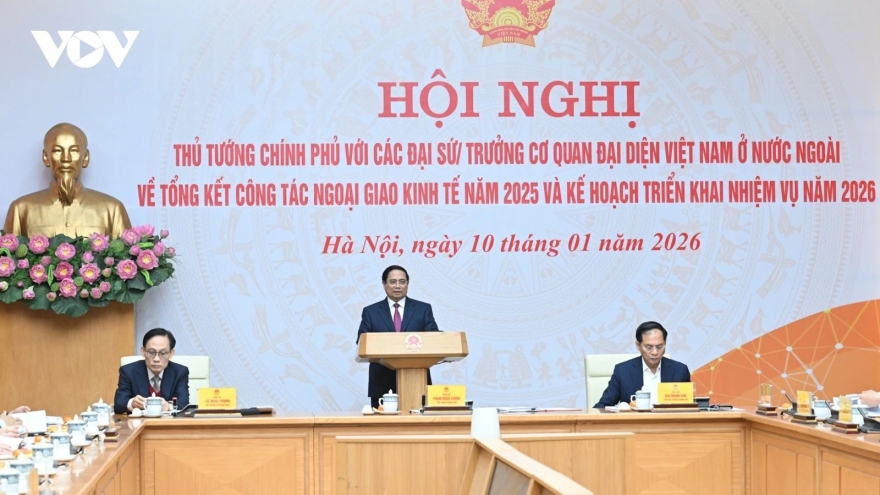
In the current context, foreign affairs are no longer limited to traditional political and diplomatic matters, but are increasingly intertwined with economic interests and national standing. Developments such as trade protectionism, tariff measures and supply chain disruptions can have far-reaching impacts on growth and credibility.
Foreign affairs therefore need to be elevated to match Vietnam’s new development vision and international position, with a focus on high-quality, sustainable integration. Beyond opening external channels, diplomacy must also contribute to strengthening domestic capacity, enabling the country to effectively seize international opportunities.
Attracting foreign investment in the next phase should shift from quantity to quality, prioritising innovation, the development of integrated production and business ecosystems, and stronger linkages with domestic enterprises. These priorities are seen as essential for ensuring that foreign affairs become a genuine driver of Vietnam’s proactive, comprehensive and sustainable development in the new era.

Party documents mark strategic breakthrough in foreign policy thinking
VOV.VN - The draft documents submitted to the 14th National Party Congress Vietnam propose elevating foreign affairs and international integration to the same level as national defence and security, defining them as a “core and regular task” — a move widely seen as a breakthrough in the Party’s strategic thinking.