Vietnam builds comprehensive diplomacy grounded in national strength

VOV.VN - Vietnam is advancing a strategy of comprehensive diplomacy grounded in national strength, positioning foreign affairs as a central pillar of peace, development and international engagement amid growing global uncertainty.
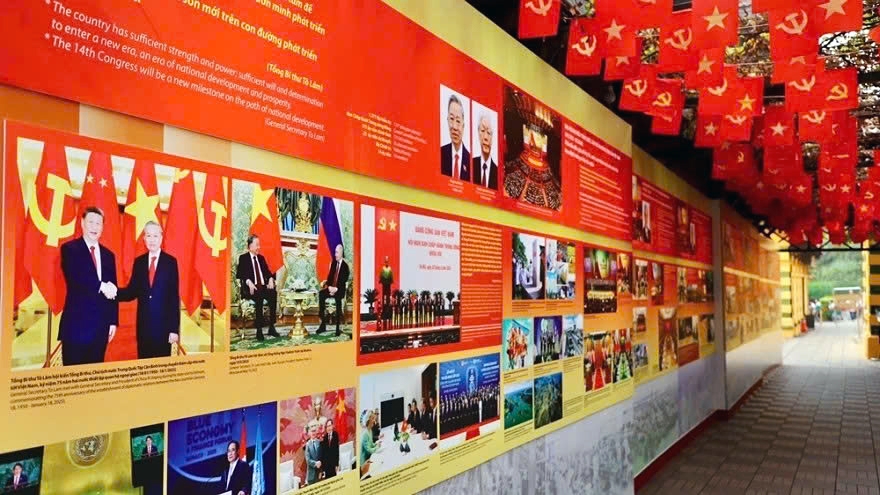
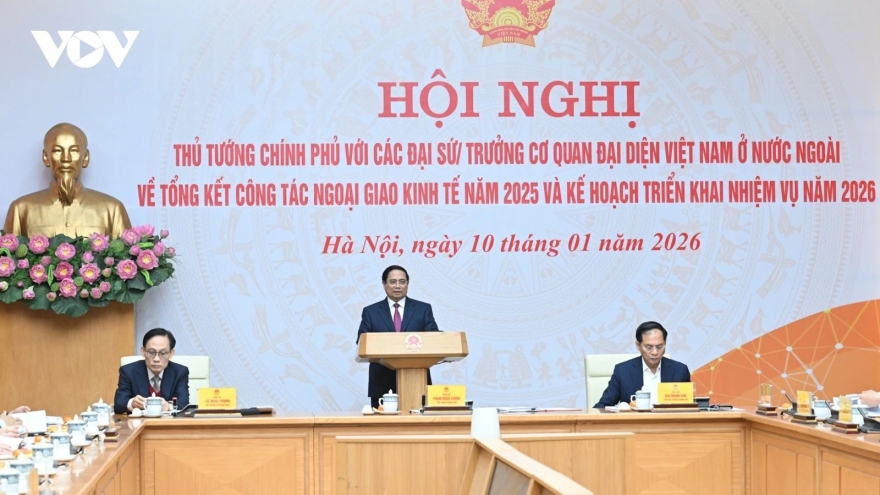
At a national emulation conference of Vietnam’s diplomatic sector on November 10, 2025, Prime Minister Pham Minh Chinh outlined key priorities for foreign affairs in line with the draft Political Report to be submitted to the 14th National Party Congress.
He identified major tasks for Vietnam’s diplomacy, including safeguarding a peaceful environment, expanding diplomatic space, strengthening national influence, enhancing international role, and building a solid foundation for a modern and comprehensive foreign service.
These orientations come amid an increasingly complex global environment marked by intensified strategic competition among major powers, persistent conflicts and instability in multiple regions, and the rapid advancement of science and technology. New domains, particularly cyberspace, have expanded the scope of competition and heightened non-traditional security challenges.
Safeguarding peace and stability for development
According to Ambassador Nguyen Hong Thao, Professor and Doctor of Law, Vietnam has made significant progress in maintaining a peaceful and stable environment conducive to national development.
Most land border issues have been resolved, with only a small section of the Vietnam–Cambodia border pending final demarcation (16%). At the same time, Vietnam has stepped up cooperation with regional partners to manage and restrain potential risks in the East Sea, known internationally as the South China Sea.
Expanding diplomatic space
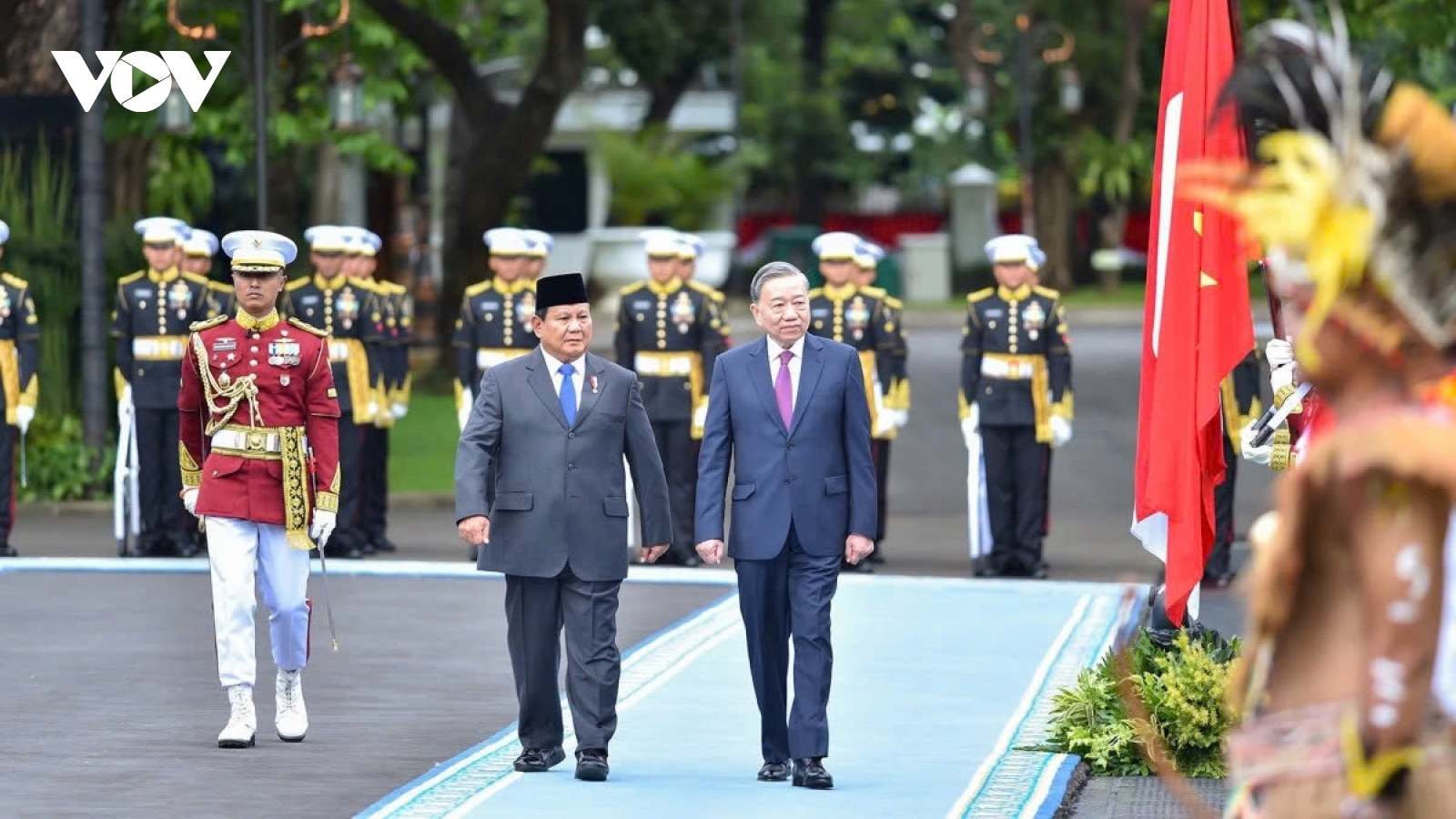
Expanding diplomatic space aims to build strategic trust and deepen relations with partners, thereby increasing Vietnam’s strategic value and international standing. Vietnam continues to consolidate ties with traditional partners while expanding cooperation with new ones on the basis of equality and mutual respect, upgrading strategic partnerships and mobilising international support to prevent misunderstandings and conflicts at an early stage.
Based on its foreign policy of independence, self-reliance, multilateralism and diversification, Vietnam remains committed to a non-alignment approach—avoiding choosing sides, confrontation or hostility—while placing national interests at the core.
Strengthening national influence
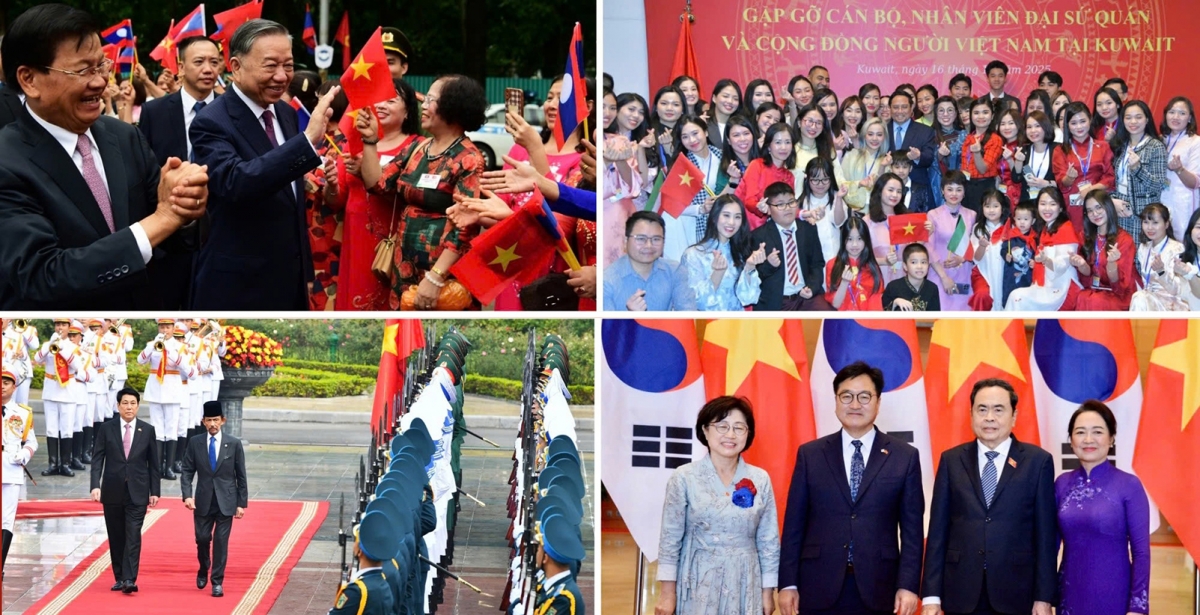
Enhancing national influence involves reinforcing both hard and soft power. Alongside economic development and the strengthening of defence and security capabilities, Vietnam places emphasis on soft power through political, economic and cultural diplomacy, external communications, consular affairs, citizen protection and engagement with overseas Vietnamese communities.
Vietnam’s diplomacy seeks to project the image of a peaceful, friendly and responsible nation, while promoting investment, tourism, diversified trade markets, resilient supply chains and green growth. Overseas Vietnamese affairs are given priority to mobilise intellectual and social resources for national development.
Playing an active and responsible international role
Vietnam aims to further assert itself as an active, proactive and responsible member of the international community. Within its capacity, the country stands ready to support nations in need and contribute to shaping development orientations of the ASEAN Community for peace, stability and sustainable growth.
Vietnam is also gradually increasing its contributions at multilateral forums, participating in United Nations peacekeeping operations and moving toward a more active role in international conflict prevention and resolution efforts.
Building foundation for a comprehensive diplomacy
Building a solid foundation is seen as decisive for the development of a modern, professional and comprehensive diplomatic service. This includes cultivating a diplomatic workforce with strong political resolve, high professional competence and the ability to respond to increasingly unpredictable global dynamics.
At the same time, Vietnam is promoting defence diplomacy, security diplomacy and people-to-people diplomacy, while enhancing diplomatic awareness across society and ensuring effective coordination within a unified framework.
Foreign affairs as a whole-of-system task
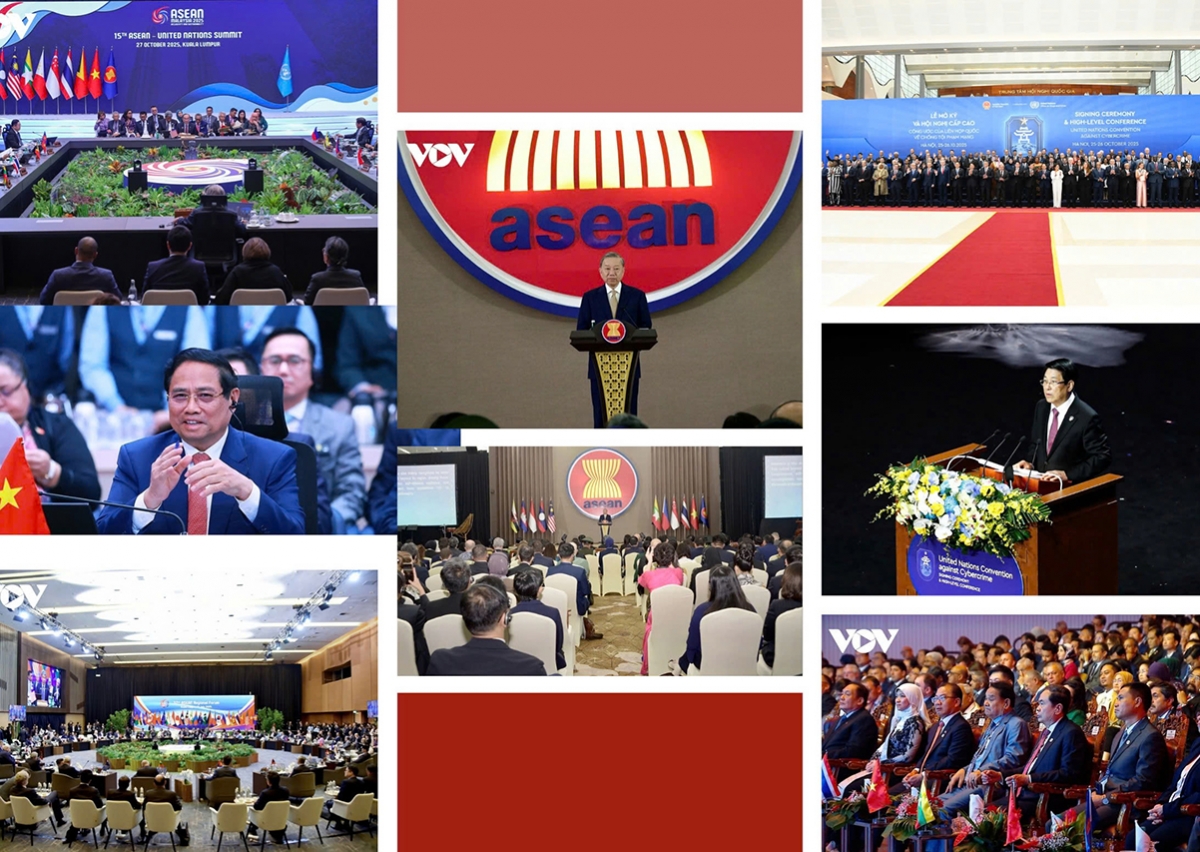
The draft Political Report to the 14th Party Congress clearly defines foreign affairs as a task of the entire political system, with diplomacy playing a central role.
According to Ambassador Bui The Giang, former Deputy Head of Vietnam’s Permanent Mission to the United Nations and former Director General of the Party Central Committee’s Commission for External Relations’ Department for Western Europe and North America, this reflects modern thinking suited to deepening international integration, as foreign affairs are no longer confined to a single sector or institution but constitute a shared responsibility across all levels and sectors.
“This is a modern approach that aligns with the trend of increasingly deep international integration and accurately reflects the need to mobilise the combined strength of the whole society for foreign affairs in the new period,” says Ambassador Giang.
Prof. Dr. Vu Duong Huan, former Director of the Diplomatic Academy of Vietnam, notes that this approach is crucial because economic, political, defence and foreign affairs are closely interconnected.
“The stronger a nation’s overall capacity, the more effective its foreign policy. Diplomacy thus represents the concentrated expression of national strength, encompassing both hard and soft power,” the scholar explains. He further elaborates that hard power consists of economic capacity, scientific and technological capabilities, and the strength of the armed forces. Soft power, by contrast, derives from cultural values, national unity, and sound foreign policy orientations and strategies.
President Ho Chi Minh, during his lifetime, stated that “We must rely on our own strength. When that strength is strong, diplomacy will succeed. Strength is the gong, and diplomacy is the sound. The larger the gong, the louder the sound.” This statement underscores the need to combine the strength of all forces and resources into a unified whole, which serves as the foundation for effective diplomacy. Diplomacy cannot operate in isolation; it must be closely coordinated with other sectors and fields to generate sufficient overall strength.
In the context of accelerating globalization and deepening international integration, the Communist Party of Vietnam, as early as its 11th National Congress in 2011, defined Vietnam’s diplomacy as comprehensive in nature.
First, comprehensive diplomacy refers to inclusiveness in terms of actors, with the participation of the Party, the State, businesses and the public. State diplomacy, Party diplomacy and people-to-people diplomacy must work in close coordination and complement one another.
Second, it requires comprehensiveness in fields of engagement, with core pillars including political diplomacy, economic diplomacy, cultural diplomacy and work related to overseas Vietnamese, alongside other areas such as defence and security diplomacy.
Third, comprehensive diplomacy entails a broad approach to partners and regions, proactively strengthening and expanding relations with countries and partners of influence.
Fourth, it involves the comprehensive use of instruments, including political, legal and information tools, as well as other means. Within this overall framework, State diplomacy plays a central role, ensuring the Party’s leadership, the State’s management and unified coordination. The participation of the entire political system in foreign affairs enhances overall effectiveness and contributes positively to national development.
Diplomacy as the core force in mobilising national strength
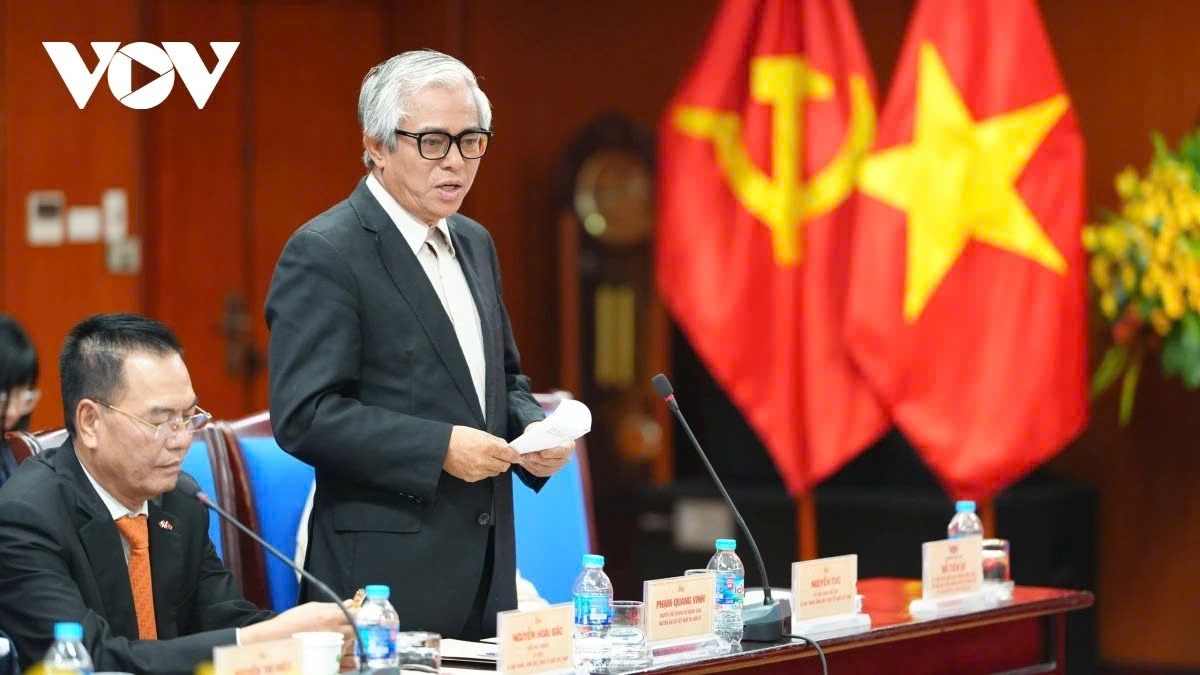
Former Deputy Foreign Minister Pham Quang Vinh agrees that in the current context, foreign affairs have become an increasingly vital field, closely linked to a wide range of critical issues. He notes that diplomacy must first help create a favourable environment for peace, security and development in Vietnam. It must also facilitate and mobilise resources for economic development, while contributing to the international community and enhancing Vietnam’s standing on the global stage.
According to the renowned diplomat, contemporary foreign policy challenges are often multi-layered and interconnected, requiring flexible and comprehensive approaches. Issues such as tariffs or relations with other countries do not only involve bilateral concerns, but also have broader regional implications, affecting economic interests, trade and investment flows.
He says the draft Political Report to be presented at the 14th National Party Congress rightly identifies diplomacy as the core pillar. Diplomacy must be able to forecast developments accurately, closely monitor international dynamics, and identify opportunities and challenges in order to provide strategic input for policy decisions by the Party, the State and the political system. At the same time, it should proactively advise on appropriate directions, policies and measures in line with domestic and international conditions, and ensure coordinated implementation across Party, State, National Assembly and relevant partner channels.
To perform this core role effectively, diplomacy must remain agile and responsive, while working closely with ministries and sectors to ensure that policies are implemented in a timely and effective manner, thereby maximising the combined strength of the political system.
Ambassador Vinh stresses that diplomacy is not limited to forecasting, identifying opportunities or implementing policies. It also encompasses a range of specialised tasks, including engagement with overseas Vietnamese communities, citizen protection, consular services and the implementation of international agreements. Each of these areas plays an important role in safeguarding national interests and strengthening Vietnam’s position.
Beyond the diplomatic sector, foreign relations are also conducted across other fields such as defence, security, science and technology, information and the economy through specialized external activities. Political diplomacy provides the overarching framework and strategic orientation for international relations, while specialized diplomacy—particularly economic diplomacy—delivers tangible benefits that directly reinforce political ties. Together, these interconnected areas contribute to the overall strength of Vietnam’s foreign policy.
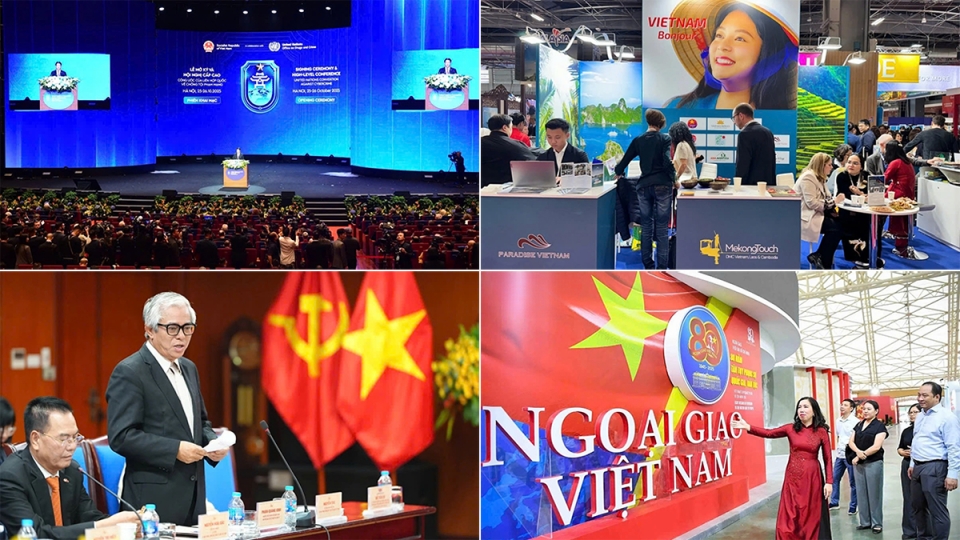
Foreign affairs - a core, regular task in a changing era
VOV.VN - Foreign affairs, alongside national defence and security, has been identified as a core and regular task of strategic importance for Vietnam in the new development phase, reflecting both evolving global conditions and the country’s long-term national interests.